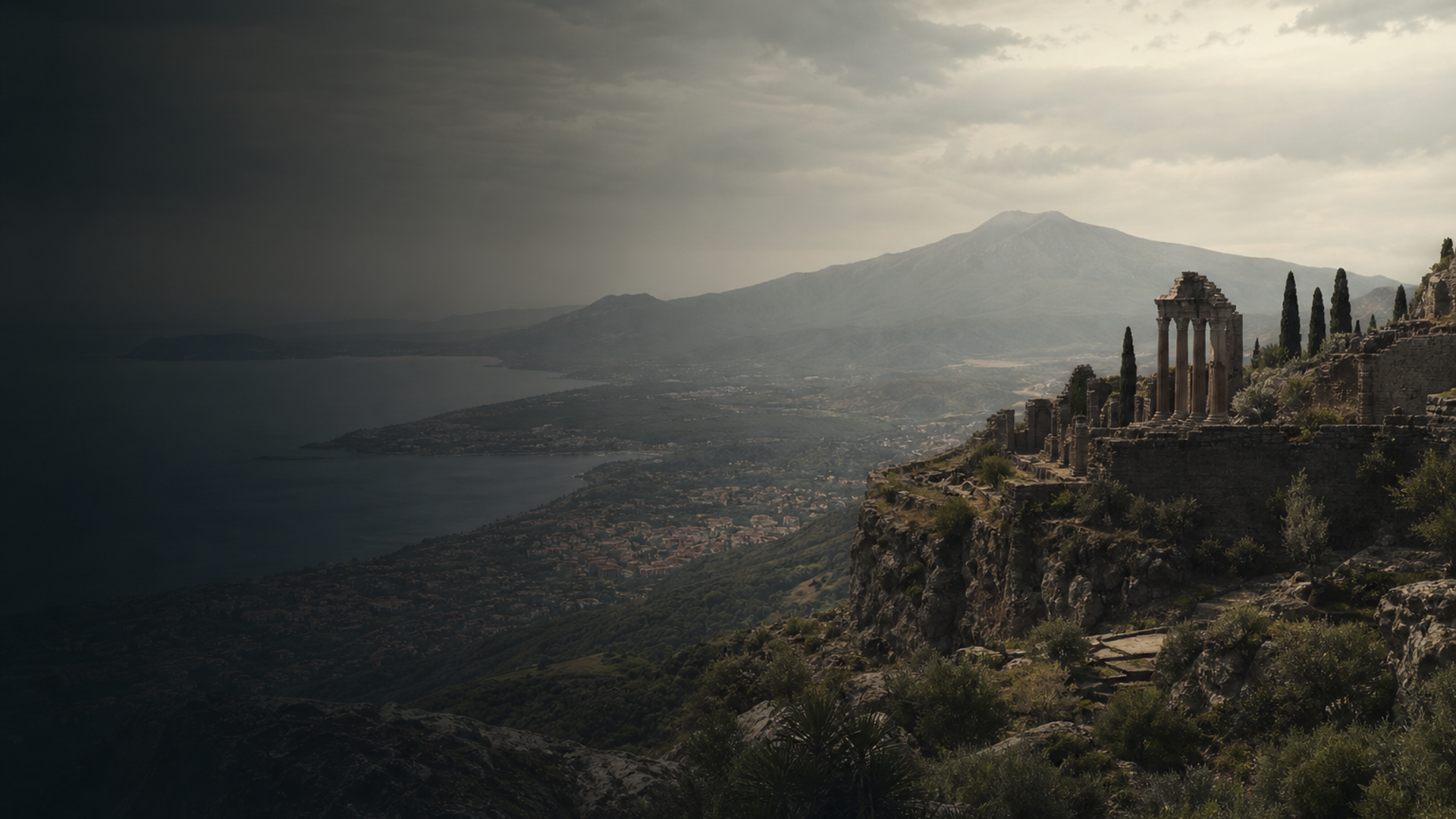
Modern Italian life, as reflected by the sampled places, is rooted in long-standing landscapes: terraced vineyards in Tuscany, baroque streets in Naples, the Greek and Roman ruins that still define Siracusa’s harbor, and the layered castles of Trapani. Archaeological remains—house plans, wells, pottery workshops, and burial grounds—reveal everyday economies of farming, artisanal production, commerce and maritime exchange. These material patterns help explain genetic structure: port cities and trading hubs historically attracted newcomers and fostered admixture, while inland rural communities often show more continuity.
Cultural practices—language dialects, kinship patterns, and localized marriage networks—shape gene flow over generations. For example, island and coastal sites in Sicily (Trapani, Siracusa) have archaeological records of Phoenician, Greek and later Islamic presence; such sustained interactions leave subtle imprints that can be visible in modern genomes. Equally, Tuscan towns preserve Etruscan and medieval stratigraphy, which archaeology uses to track long-term demographic stability in some valleys and turnover in frontier zones.