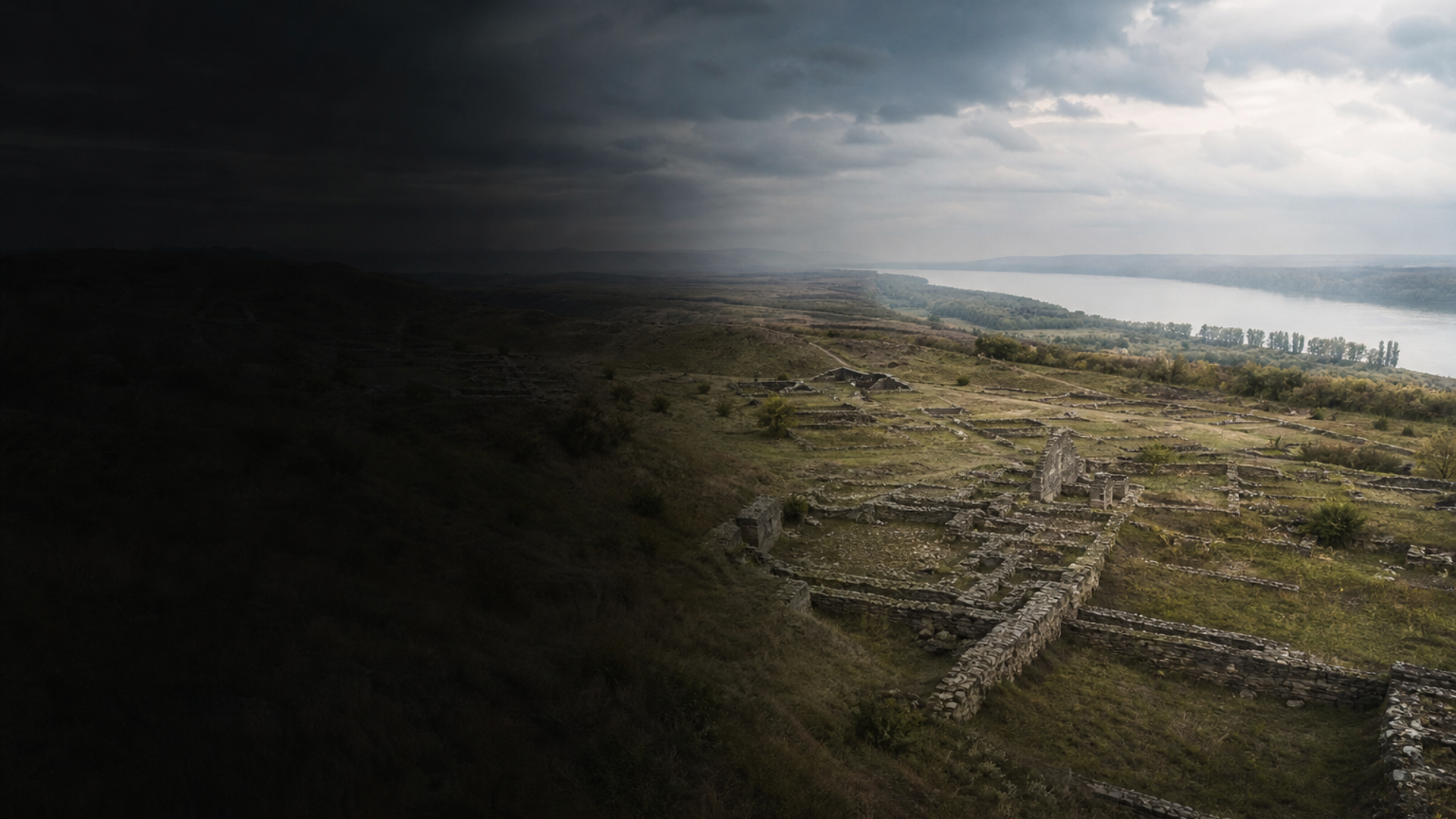
Strolling through the necropoleis and ruined streets of Viminacium, one imagines a city of soldiers, merchants, artisans, and families drawing breath on the Danube frontier. Archaeological excavations reveal bathhouses, workshops, brick-built houses, and richly furnished graves that reflect social differentiation and cultural plurality. Tombstones name legions and units, while grave assemblages include locally made ceramics alongside imported amphorae, pointing to trade in wine, oil, and spices.
Bioarchaeological evidence—dental wear, isotopes where available, and pathological markers—paints an occupationally diverse populace: heavy limb enthesopathies in some individuals suggest manual labor, while indicators of childhood diet and mobility vary across cemeteries. The presence of foreign-style weapon burials and distinct funerary rites in some graves suggests the presence of soldiers and migrants who brought cultural practices from across the Empire.
Archaeological data indicates households were anchored to local landscapes even as they participated in imperial networks. The cemeteries sampled capture both native Balkan traditions and imported lifeways, mirroring the genetic mixture detected in the ancient DNA.