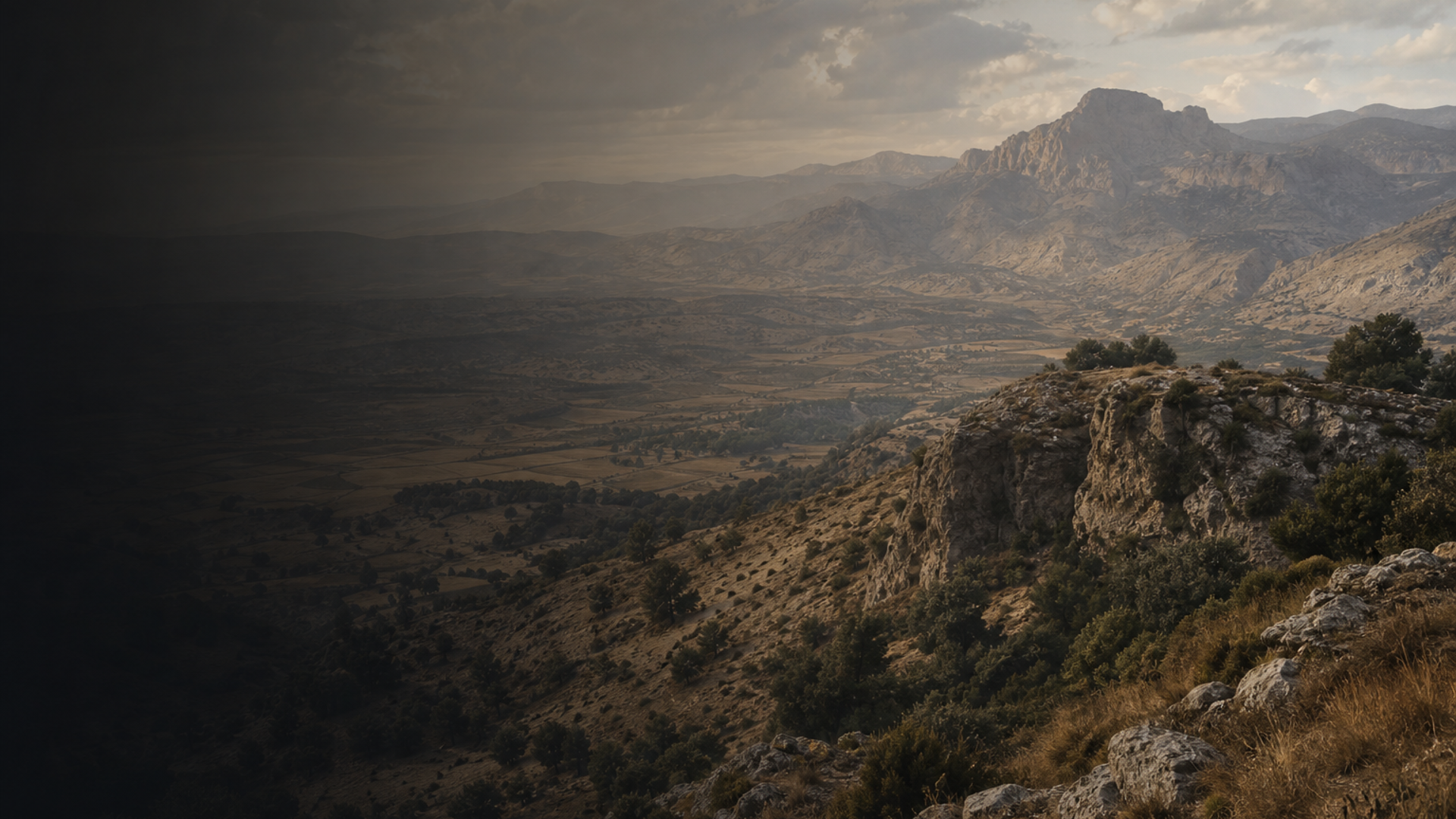
Daily life in Visigothic Granada unfolded in villages perched on ancient terraces, in re-used Roman towns, and in rural hamlets where agriculture dominated. Archaeological excavations reveal house foundations, storage pits, and cemeteries that speak to farming, craft, and local trade networks. Material culture — ceramics, metalwork fragments, and personal ornaments — indicates continuity with late Roman forms alongside new tastes associated with early medieval elites.
Society was layered. Local peasant households practised mixed cereal and olive cultivation, shepherding, and small-scale craft production, while a mobile elite managed land, military obligations, and connections across Iberia. Cemeteries often show simple inhumations; where grave goods occur they can reflect rank or long-distance exchange. In Granada’s uplands and valleys, archaeological data points to communities adapting to shifting political horizons: the Visigothic realm, episodes of conflict, and finally the rapid changes that followed the early 8th century.
These patterns are reinforced, but not fully resolved, by genetics: community composition likely included descendants of longstanding Iberian families, newcomers of various backgrounds, and individuals whose life histories were tied to trade and mobility. As with many early medieval contexts, the material record and DNA together reveal everyday resilience amid political change.