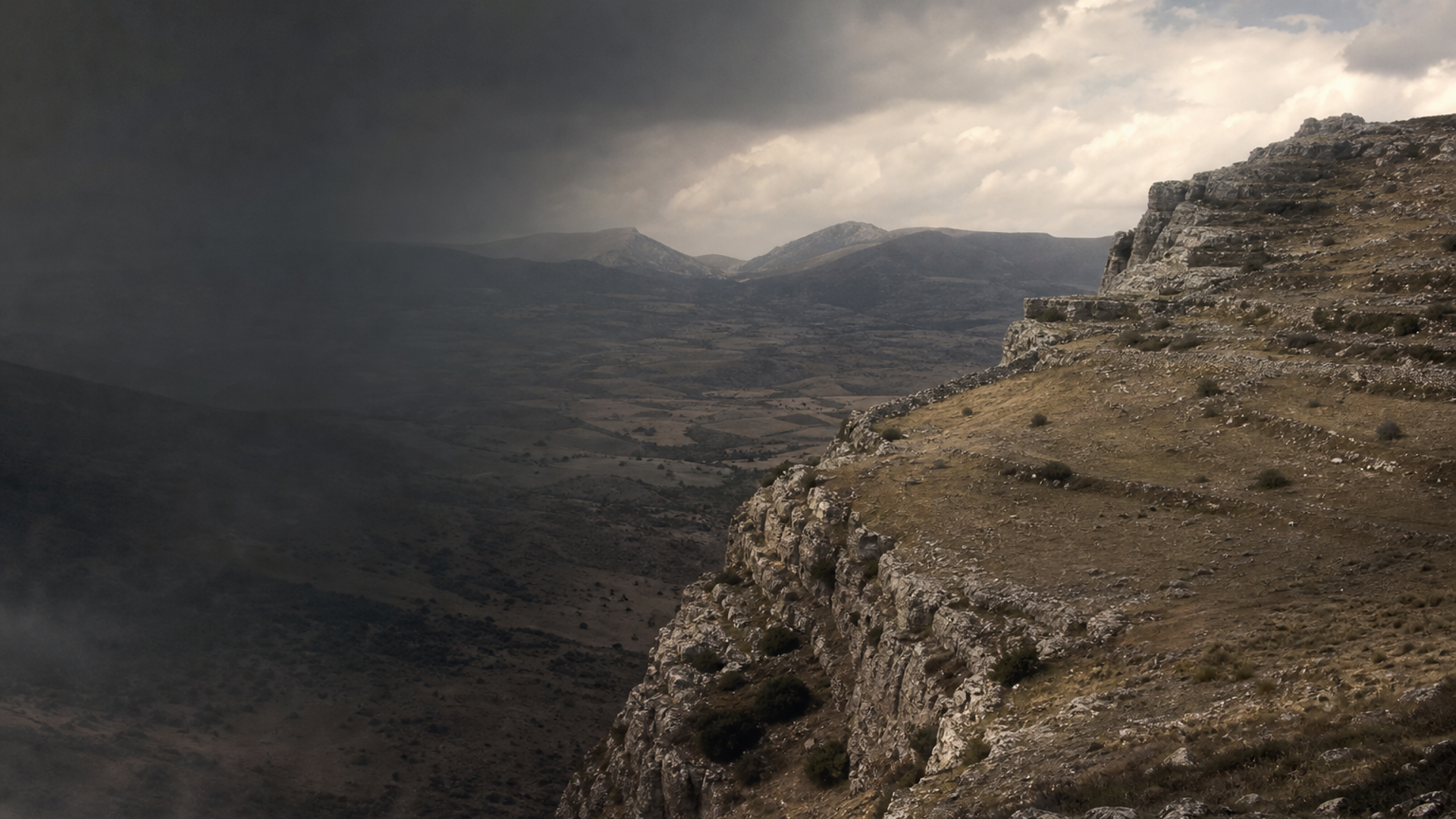
Life at Monte Bernorio would have been shaped by the rhythm of fields, herds, and fortified watch. Archaeological layers preserve hearths, grain storage features, metalworking debris, and stone architecture that together evoke households organized around mixed farming, craft specialization, and communal defense. Clothing and personal adornment, seen in brooches and small metal finds, speak to regional identities and status display.
Fortifications and strategic placement suggest that warfare and raiding were part of the political horizon; at the same time, domestic assemblages reveal prolonged, settled occupation rather than ephemeral encampment. Seasonal patterns — spring sowing, summer pasturage, autumn harvest — would have structured labor and ritual. Funerary evidence across Late Iron Age Spain shows a variety of practices; at Monte Bernorio the record is incomplete, and broader regional analogies are used cautiously.
Archaeobotanical and zooarchaeological traces (where recovered) indicate cereals, legumes, sheep, goats, and cattle as staples, with wild resources supplementing diets. Craft workshops point to local metalworking and pottery manufacture, while imported objects hint at exchange ties reaching Atlantic and Mediterranean zones. Together, these traces paint a cinematic tableau: a community rooted in its landscape, alert to external pressures, and creatively engaged in exchange and production.