Menu
Store
Blog
Albania_Modern Albania (Kukës District, Pazhok)

Voices of Albania, 1400–1700 CE

Five early‑modern Albanian genomes from Kukës and Pazhok illuminate maternal threads and historical encounters.

1400 CE - 1700 CE
5 Ancient Samples
Scroll to begin
Chapter I

The Story

Understanding the Voices of Albania, 1400–1700 CE culture

Archaeogenetic and archaeological data from five individuals (1400–1700 CE) in Bardhoc (Kukës) and Pazhok connect early‑modern Albanian life to broader Balkan networks. mtDNA diversity hints at continuity and regional contact; conclusions are preliminary given limited samples.

Time Period

1400–1700 CE

Region

Albania (Kukës District, Pazhok)

Common Y-DNA

Undetermined (limited male data)

Common mtDNA

H (2), U (1), T (1), J (1)

Chapter II

Timeline

Key moments in the history of this culture

2500 BCE

Deep human habitation in the western Balkans

Archaeological evidence indicates settled communities and trade networks in the western Balkans by the Bronze Age, setting long-term patterns of habitation in the region.

Chapter III

Origins & Emergence

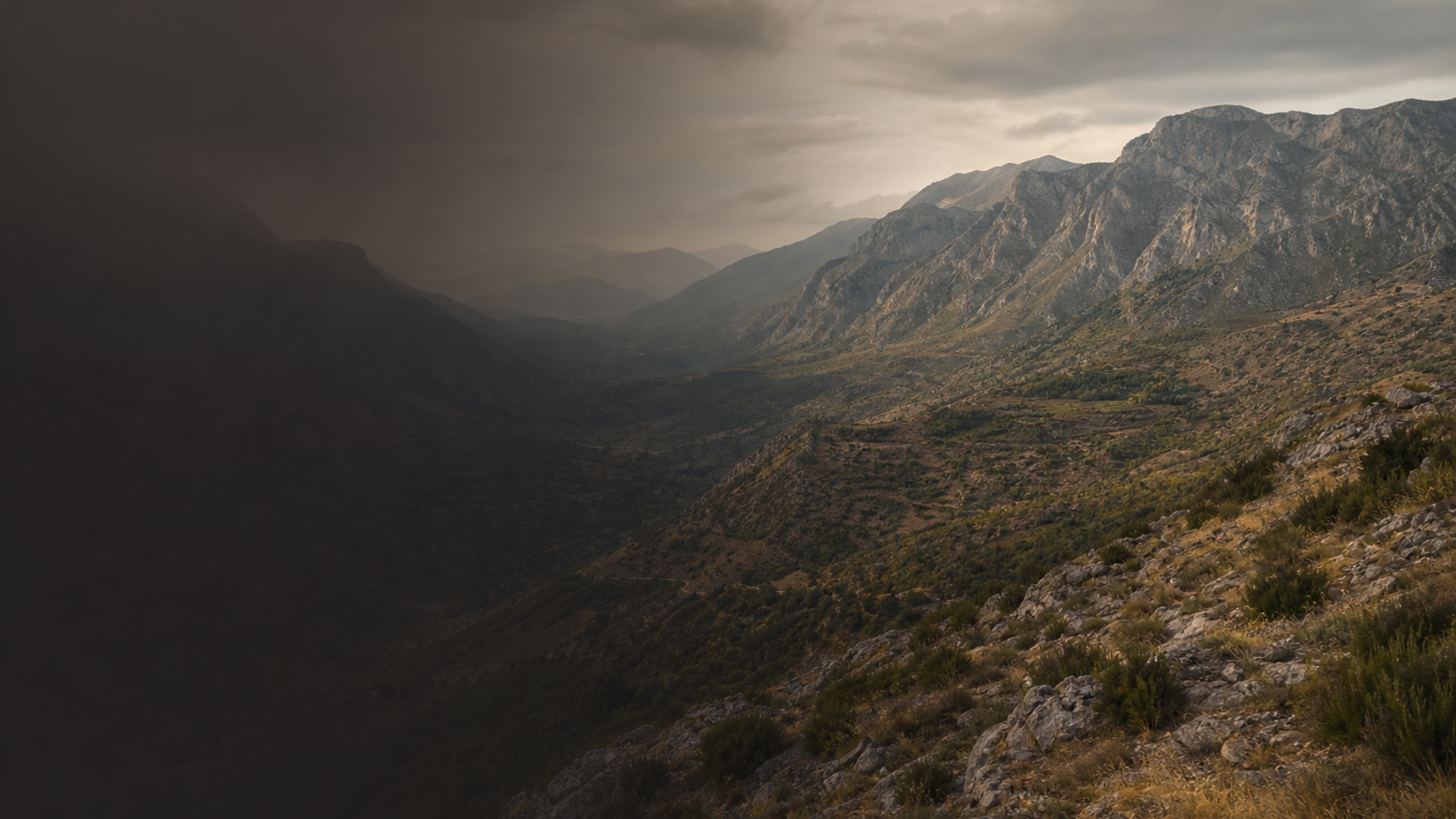
The five individuals sampled from Bardhoc (Northeastern Kukës District) and Pazhok (Central Albania), dated between 1400 and 1700 CE, lived during a period of political flux across the western Balkans. Archaeological material culture from rural burial grounds and settlement traces in Kukës and surrounding valleys indicates communities shaped by mountain agrarian economies, seasonal transhumance, and intensified regional connectivity under late medieval and early Ottoman rule.

Limited evidence suggests continuity with earlier medieval populations in the Albanian highlands, but the dataset is small: only five sequenced individuals. Archaeological data indicates that these communities used simple funerary practices and locally made ceramics; trade goods and coins occasionally speak to broader commercial links. The physical landscape — steep river valleys, fortified hilltops, and passes — channeled movement and cultural exchange, so genetic signals from this era can reflect both deep local roots and episodic contact.

Because the sample count is low, any narrative about “origins” must remain provisional. These human remains provide motion-picture glimpses of life in early‑modern Albania: local continuity framed by the larger sweep of Balkan history, where material culture and gene flow interacted in complex, sometimes subtle ways.

  • Samples dated 1400–1700 CE from Bardhoc and Pazhok
  • Archaeological context: rural burial grounds, local ceramics
  • Conclusions provisional due to small sample size
Chapter IV

Daily Life & Society

The archaeology of Kukës District and central Albanian valleys suggests communities organized around mixed farming, pastoralism, and control of mountain passes. Seasonal rhythms — shepherding in high pastures and sowing in sheltered terraces — would have structured kinship and labor. Ruined stone houses, terraced fields, and simple domestic assemblages recovered near Bardhoc and Pazhok evoke a tactile world of wood, wool, iron tools, and ceramic cooking wares.

Burial evidence from small cemeteries implies modest, community‑centered rites rather than monumental funerary display. Grave goods are scarce, implying social differentiation may have been subtle or manifest in perishable items (textiles, leather) that do not survive. Historical records for the 15th–17th centuries reference shifting allegiances, Ottoman administrative reorganization, and episodic conflict, all of which can leave archaeological traces in settlement abandonment, fortification repairs, and changes in material culture.

Cinematic fragments — a shepherd’s hearth glowing at dusk, a caravan pause at a mountain ford — are illuminated by the combination of bones, artifacts, and landscape. Yet we must be cautious: with only five ancient genomes and limited excavated contexts, reconstructions of everyday life remain informed hypotheses that invite further excavation and multidisciplinary study.

  • Economy: mixed farming and transhumant pastoralism
  • Burials suggest modest community rites; few durable grave goods
Chapter V

Genetic Profile

The genetic dataset consists of five individuals dated 1400–1700 CE from Bardhoc and Pazhok. Maternal lineages (mtDNA) are represented by haplogroups H (2 individuals), U (1), T (1), and J (1). These mtDNA haplogroups are common across Europe and the Balkans and are consistent with long‑standing maternal continuity in the region. Limited evidence suggests a predominance of H‑lineages among the small sample, which could reflect local matrilineal persistence, but the sample size is too small to quantify frequency in the broader population.

No robust shared Y‑DNA pattern is reported in the input data; thus paternal ancestry remains undetermined for this dataset. The absence of a clear Y‑haplogroup signal may reflect preservation biases, sampling strategy, or real demographic complexity (e.g., admixture and shifting male lineages during the Ottoman period). Archaeological indicators of regional contact align with a genetic expectation of mixed ancestry signatures in the early modern Balkans, where centuries of mobility, trade, and empire could introduce new lineages.

Because only five genomes are available, any population‑level inference is preliminary. Future sampling across more sites and temporal layers — combined with isotope analyses to track mobility — will be essential to distinguish local continuity from episodic migration or admixture events.
  • mtDNA: H (2), U (1), T (1), J (1) — typical Balkan maternal lineages
  • Y‑DNA: undetermined in this dataset; paternal patterns remain unclear
Chapter VI

Legacy & Modern Connections

These five early‑modern genomes form a small but evocative bridge between past and present Albania. The mtDNA lineages observed are widely represented in contemporary Balkan populations, which may indicate maternal continuity across centuries in mountain communities. Archaeological continuity in building traditions and land use supports the possibility that genetic threads persisted amid changing political landscapes.

However, the dataset’s low sample count (<10) demands humility: patterns visible here may not capture the full diversity of 15th–17th‑century Albania. The region’s later history of migration, administrative change, and commerce likely layered additional genetic signals onto these early‑modern foundations. Ongoing genetic sampling, contextualized by archaeology and historical sources, will sharpen our view of how these maternal lineages contributed to the genetic mosaic of modern Albania.

  • mtDNA continuity may link early‑modern individuals to present Albanian populations
  • Further sampling needed to confirm patterns across regions and time
Chapter VII

Sample Catalog

5 ancient DNA samples associated with the Voices of Albania, 1400–1700 CE culture

Ancient DNA samples from this era, providing genetic insights into the people who lived during this period.

5 / 5 samples
Portrait Sample Country Era Date Culture Sex Y-DNA mtDNA
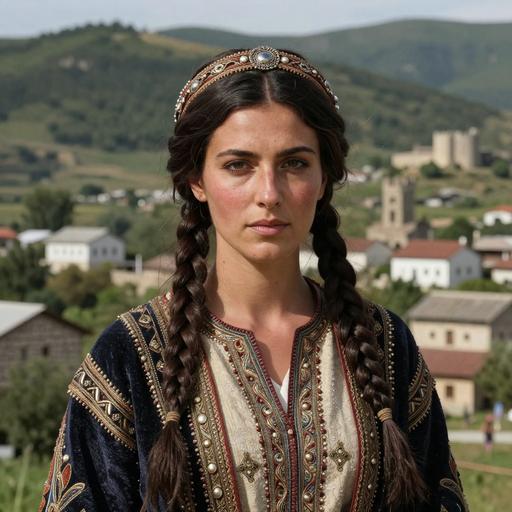
Portrait of ancient individual I15707 from Albania, dated 1472 CE
I15707
Albania Albania_Modern 1472 CE Balkan Cultures M - J1c+16261
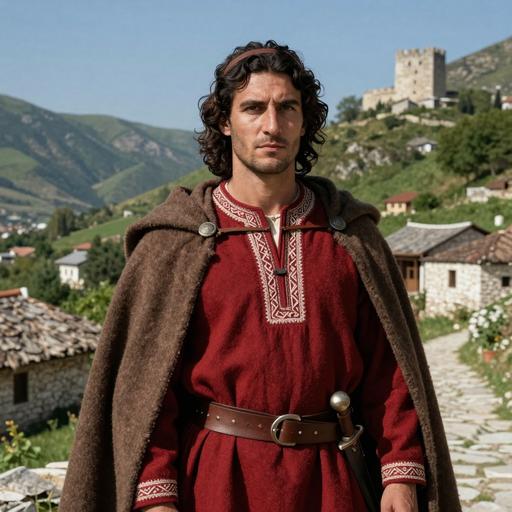
Portrait of ancient individual I15706 from Albania, dated 1527 CE
I15706
Albania Albania_Modern 1527 CE Balkan Cultures M - H5'36
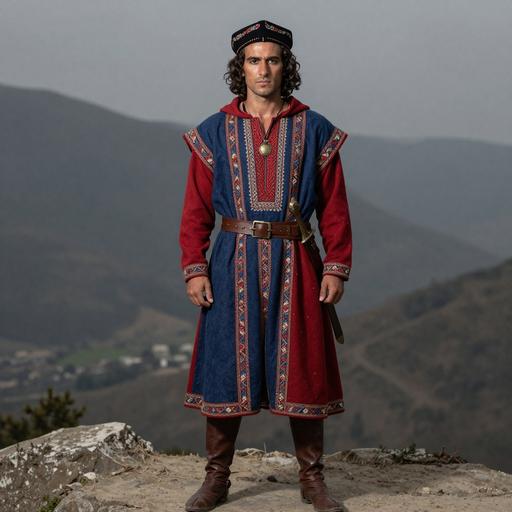
Portrait of ancient individual I14686 from Albania, dated 1400 CE
I14686
Albania Albania_Modern 1400 CE Balkan Cultures M - U5a1a2a
Portrait of ancient individual I14685 from Albania, dated 1400 CE
I14685
Albania Albania_Modern 1400 CE Balkan Cultures F - H7c1
Portrait of ancient individual I14687 from Albania, dated 1400 CE
I14687
Albania Albania_Modern 1400 CE Balkan Cultures M - T1a1l
AI Powered

AI Assistant

Ask questions about the Voices of Albania, 1400–1700 CE culture

AI Assistant by DNAGENICS

Unlock this feature
Ask questions about the Voices of Albania, 1400–1700 CE culture. Our AI assistant can explain genetic findings, historical context, archaeological evidence, and modern connections.
Sample AI Analysis

The Voices of Albania, 1400–1700 CE culture represents a fascinating chapter in human history...

Genetic analysis reveals connections to earlier populations while showing evidence of unique adaptations and cultural innovations. The ancient DNA samples provide insights into migration patterns, social structures, and the biological relationships between ancient populations.

This is a preview of the AI analysis. Unlock the full AI Assistant to explore detailed insights about:

  • Genetic composition and ancestry
  • Migration patterns and origins
  • Daily life and cultural practices
  • Modern genetic legacy
Use code for 35% off Expires May 20