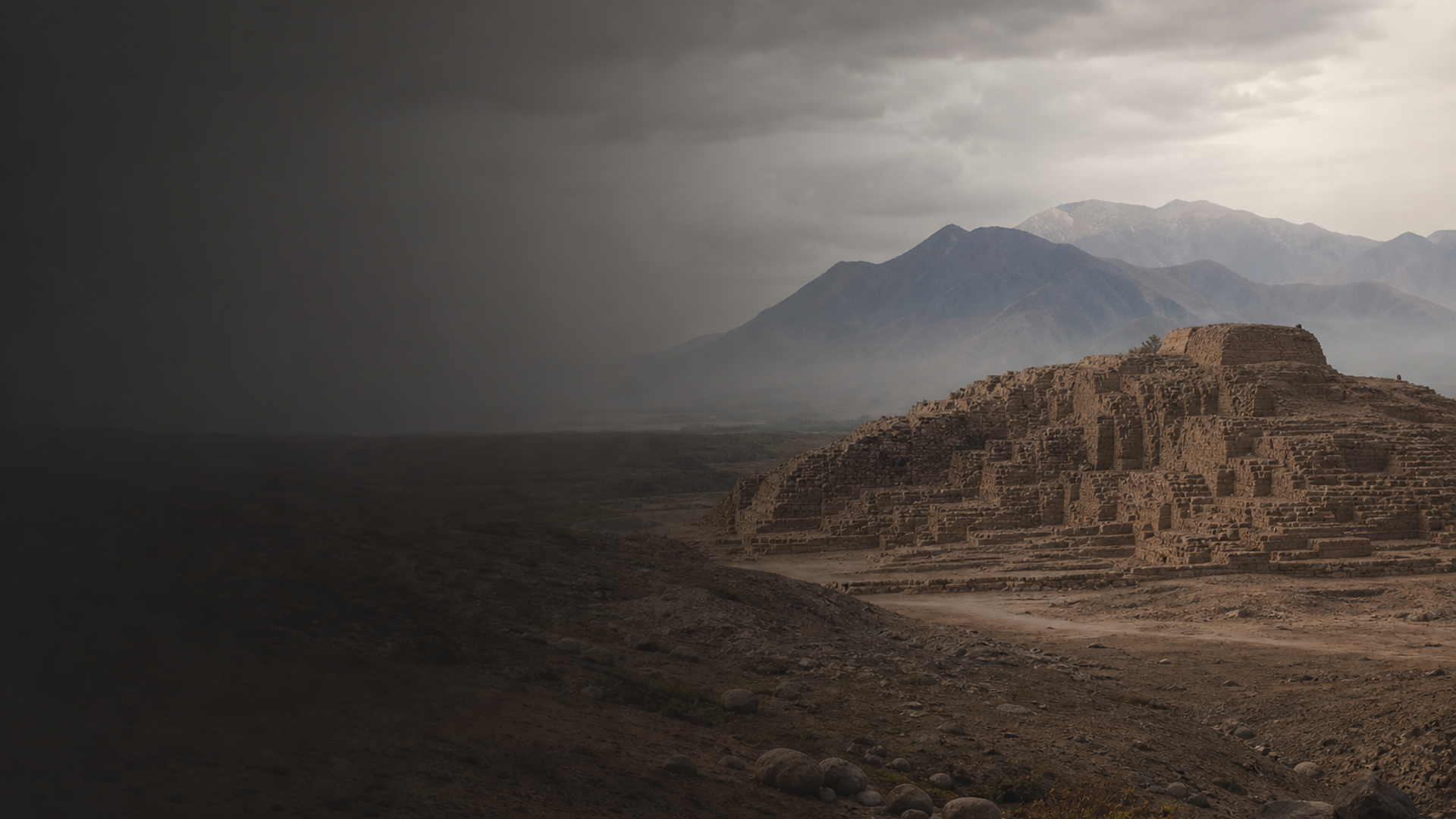
Life under the Ychsma imprint on the Lima littoral combined terrestrial agriculture with maritime resources in a rhythm shaped by fog, river irrigation, and Pacific upwelling. Archaeobotanical and faunal assemblages from coastal sites indicate reliance on maize, beans, squash, cotton, and a diversity of fish and shellfish. Irrigation canals and raised fields in nearby valleys enhanced productivity and supported population centers.
Material traces — pottery decorated with geometric motifs, spindle whorls, and textile fragments — point to specialized crafts and household production. Ceremonial architecture implies organized labor, social ranking, and ritual performance; burials with crafted offerings suggest varying social statuses. Exchange networks brought exotic goods and styles from neighboring coastal polities and highland contacts, hinting at complex identity negotiation.
Archaeological evidence indicates that Ychsma communities managed both daily sustenance and ceremonial life, balancing local subsistence strategies with participation in wider regional networks. Skeletal remains recovered at Huaca Pucllana also show health patterns consistent with coastal diets and labor regimes, although full bioarchaeological interpretation requires larger samples.