


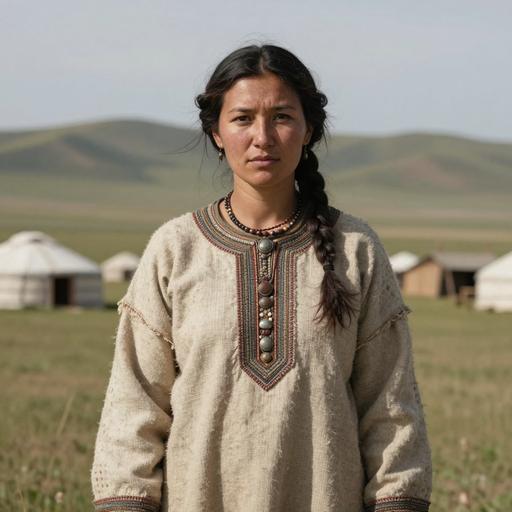
| Individual | Culture/Period | Date | Location | Action |
|---|---|---|---|---|
| Tuva IA Aldy Bel individual, Russia | Iron Age Aldy-Bel Culture, Tuva, Russia | 900 BCE | Arzan, Russia | View |
| Orenburg Early Sarmatian individual, Russia | Iron Age Early Sarmatian, Russia | 400 BCE | Pokrovka, Russia | View |
| Orenburg Early Sarmatian individual, Russia | Iron Age Early Sarmatian, Russia | 400 BCE | Pokrovka, Russia | View |
| Pazyryk individual, Kazakhstan | Iron Age Pazyryk Culture Berel, Kazakhstan | 400 BCE | Berel, Kazakhstan | View |
| Pazyryk individual, Kazakhstan | Iron Age Pazyryk Culture Berel, Kazakhstan | 400 BCE | Berel, Kazakhstan | View |
| Steppe Nomads individual, Kazakhstan | Iron Age Saka Culture, Kazakhstan | 777 BCE | Izmaylovka Kurgan. East Kazakhstan, Kazakhstan | View |
| IA Zevakino Chilikta-2 individual, Kazakhstan | Iron Age 2 Zevakino-Chilikta, Kazakhstan | 900 BCE | Zevakino. East Kazakhstan, Kazakhstan | View |
| Tuva IA Aldy Bel individual, Russia | Iron Age Aldy-Bel Culture, Tuva, Russia | 900 BCE | Arzan, Russia | View |
| IA individual, Kazakhstan | Iron Age Saka Culture, Kazakhstan | 777 BCE | Izmaylovka (East Kazakhstan Region, Ulan District), Kazakhstan | View |
Page 1
| Individual | Culture/Period | Date | Location | Action |
|---|---|---|---|---|
| IA Zevakino Chilikta-2 individual, Kazakhstan | Iron Age 2 Zevakino-Chilikta, Kazakhstan | 900 BCE | Zevakino. East Kazakhstan, Kazakhstan | View |
Page 1