


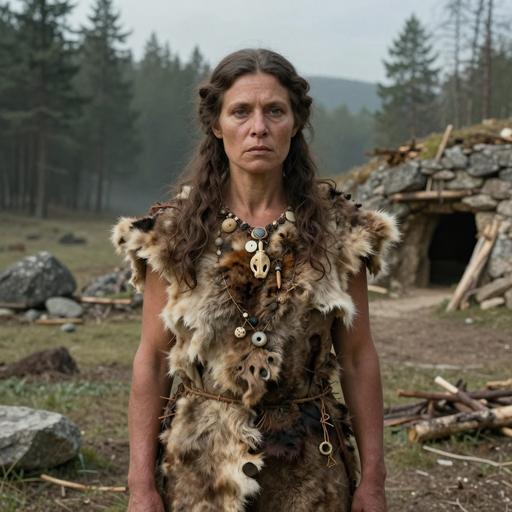
| Individual | Culture/Period | Date | Location | Action |
|---|---|---|---|---|
| Neanderthal individual, Russia | Mezmaiskaya 2 Neanderthal | 43015 BCE | Mezmaiskaya, Russia | View |
| Neanderthal individual, Russia | Mezmaiskaya 1 Neanderthal | 68050 BCE | North Caucasus. Republic of Adygea. Mezmaiskaya Cave, Russia | View |
| Neanderthal individual, France | Les Cottes Neanderthal | 41201 BCE | Les Cottes, France | View |
| Neanderthal individual, Croatia | Vindija G1 Neanderthal, Croatia | 45000 BCE | Vindija Cave, Croatia | View |
| Neanderthal individual, Belgium | Goyet Cave Neanderthal | 40782 BCE | Goyet Cave, Belgium | View |
| Neanderthal individual, Belgium | Spy Neanderthal, Belgium | 39431 BCE | Spy Cave, Belgium | View |
| Neanderthal individual, Belgium | 40782 BCE | Goyet Cave, Belgium | View | |
| Neanderthal individual, France | 41201 BCE | Les Cottes, France | View | |
| Neanderthal individual, Russia | 68050 BCE | North Caucasus. Republic of Adygea. Mezmaiskaya Cave, Russia | View | |
| Neanderthal individual, Russia | 43015 BCE | Mezmaiskaya, Russia | View | |
| Neanderthal individual, Belgium | 39431 BCE | Spy Cave, Belgium | View |
Page 1
| Individual | Culture/Period | Date | Location | Action |
|---|---|---|---|---|
| Neanderthal individual, Russia | Mezmaiskaya 1 Neanderthal | 68050 BCE | North Caucasus. Republic of Adygea. Mezmaiskaya Cave, Russia | View |
Page 1