


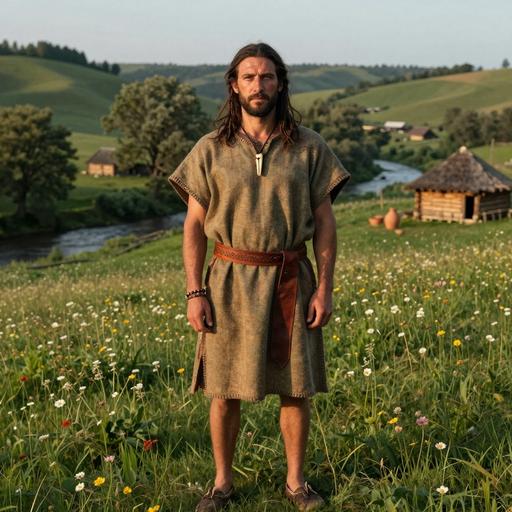
| Individual | Culture/Period | Date | Location | Action |
|---|---|---|---|---|
| Indo-European individual, Romania | Glavanesti Culture of Romania | 3500 BCE | Glăvăneşti, Romania | View |
| Bodrogkeresztur individual, Romania | The Bodrogkeresztur Culture | 4500 BCE | Urziceni, Romania | View |
| Bodrogkeresztur individual, Romania | The Bodrogkeresztur Culture | 4500 BCE | Urziceni, Romania | View |
| MN AVK individual, Hungary | Middle Neolithic Alföld Linear Pottery Culture, Hungary | 4300 BCE | Polgár-Ferenci hát. M3-31, Hungary | View |
| MN AVK individual, Hungary | Middle Neolithic Alföld Linear Pottery Culture, Hungary | 4300 BCE | Polgár-Ferenci hát. M3-31, Hungary | View |
| Scythian individual, Hungary | Iron Age Scythian Culture, Hungary | 4000 BCE | Kesznyéten-Szérűskert; Great Hungarian Plain. Borsodi-Mezőség, Hungary | View |
| Scythian individual, Hungary | Iron Age Scythian Culture, Hungary | 400 BCE | Kesznyéten-Szérűskert, Hungary | View |
| Urnfield Culture individual, Hungary | Late Bronze Age to Early Iron Age Hungary | 1700 BCE | Mezőkeresztes-Cethalom. M3-10 lelőhely; Great Hungarian Plain. Borsodi-Mezőség, Hungary | View |
| Urnfield Culture individual, Hungary | Late Bronze Age Hungary | 1700 BCE | Besenyszög Berek-ér partja, Hungary | View |
| EIA Mezocsat individual, Hungary | Late Bronze Age to Early Iron Age Hungary | 1700 BCE | Mezőkeresztes-Cethalom. M3-10 lelőhely; Great Hungarian Plain. Borsodi-Mezőség, Hungary | View |
| Scythian individual, Hungary | Iron Age Scythian Culture, Hungary | 400 BCE | Kesznyéten-Szérűskert, Hungary | View |
| LBA Halva individual, Hungary | Late Bronze Age Halomsíros (Tumulus) Culture, Hungary | 1700 BCE | Hajdudorog-Szallasfold, Hungary | View |
| MBA Fuzesabony individual, Hungary | Middle Bronze Age Füzesabony Culture, Hungary | 2300 BCE | Polgar Kenderfold, Hungary | View |
| LBA individual, Hungary | Late Bronze Age Hungary | 1500 BCE | Besenyszög Berek-ér partja. Köröm-Kápolnadomb, Hungary | View |
| IA Celt individual, Hungary | The La Tene Culture in Hungary | 500 BCE | Besenyszög Berek-ér partja. Köröm-Kápolnadomb, Hungary | View |
| Arctic Cultures individual, Russia | Old Bering Sea Culture Ekven, Russia | 970 CE | Chukotka. Bering Strait. Ekven, Russia | View |
| Ukraine N individual, Ukraine | 5500 BCE | Dereivka I, Ukraine | View |
Page 1
| Individual | Culture/Period | Date | Location | Action |
|---|---|---|---|---|
| Bodrogkeresztur individual, Romania | The Bodrogkeresztur Culture | 4332 BCE | Urziceni, Romania | View |
| Bodrogkeresztur individual, Romania | The Bodrogkeresztur Culture | 3765 BCE | Urziceni, Romania | View |
| Bodrogkeresztur individual, Romania | The Bodrogkeresztur Culture | 4500 BCE | Urziceni, Romania | View |
| Bodrogkeresztur individual, Romania | The Bodrogkeresztur Culture | 4500 BCE | Urziceni, Romania | View |
| Bodrogkeresztur individual, Romania | The Bodrogkeresztur Culture | 4500 BCE | Urziceni, Romania | View |
| Bodrogkeresztur individual, Romania | The Bodrogkeresztur Culture | 4500 BCE | Urziceni, Romania | View |
| Bodrogkeresztur individual, Romania | The Bodrogkeresztur Culture | 4500 BCE | Urziceni, Romania | View |
| Bodrogkeresztur individual, Romania | The Bodrogkeresztur Culture | 4500 BCE | Urziceni, Romania | View |
| Bodrogkeresztur individual, Romania | The Bodrogkeresztur Culture | 4500 BCE | Urziceni, Romania | View |
| Bodrogkeresztur individual, Romania | The Bodrogkeresztur Culture | 4500 BCE | Urziceni, Romania | View |
| Bodrogkeresztur individual, Romania | The Bodrogkeresztur Culture | 4500 BCE | Urziceni, Romania | View |
| Bodrogkeresztur individual, Romania | The Bodrogkeresztur Culture | 4500 BCE | Urziceni, Romania | View |
| Bodrogkeresztur individual, Romania | The Bodrogkeresztur Culture | 4500 BCE | Urziceni, Romania | View |
| Bodrogkeresztur individual, Romania | The Bodrogkeresztur Culture | 4500 BCE | Urziceni, Romania | View |
| Bodrogkeresztur individual, Romania | The Bodrogkeresztur Culture | 4500 BCE | Urziceni, Romania | View |
| Bodrogkeresztur individual, Romania | The Bodrogkeresztur Culture | 4500 BCE | Urziceni, Romania | View |
| Bodrogkeresztur individual, Romania | The Bodrogkeresztur Culture | 4500 BCE | Urziceni, Romania | View |
| Chalcolithic Europe individual, Romania | The Bodrogkeresztur Culture | 4500 BCE | Urziceni, Romania | View |
| Bodrogkeresztur individual, Romania | The Bodrogkeresztur Culture | 4500 BCE | Urziceni, Romania | View |
| Bodrogkeresztur individual, Romania | The Bodrogkeresztur Culture | 4500 BCE | Urziceni, Romania | View |
| Bodrogkeresztur individual, Romania | The Bodrogkeresztur Culture | 4500 BCE | Urziceni, Romania | View |
| Bodrogkeresztur individual, Romania | The Bodrogkeresztur Culture | 4224 BCE | Urziceni, Romania | View |
| Bodrogkeresztur individual, Romania | The Bodrogkeresztur Culture | 4229 BCE | Urziceni, Romania | View |
| Bodrogkeresztur individual, Romania | The Bodrogkeresztur Culture | 4240 BCE | Urziceni, Romania | View |
| Bodrogkeresztur individual, Romania | The Bodrogkeresztur Culture | 4235 BCE | Urziceni, Romania | View |
| Bodrogkeresztur individual, Romania | The Bodrogkeresztur Culture | 4500 BCE | Urziceni, Romania | View |
| Bodrogkeresztur individual, Romania | The Bodrogkeresztur Culture | 4239 BCE | Urziceni, Romania | View |
| Bodrogkeresztur individual, Romania | The Bodrogkeresztur Culture | 4235 BCE | Urziceni, Romania | View |
| Bodrogkeresztur individual, Romania | The Bodrogkeresztur Culture | 4500 BCE | Urziceni, Romania | View |
| Bodrogkeresztur individual, Romania | The Bodrogkeresztur Culture | 4233 BCE | Urziceni, Romania | View |
| Bodrogkeresztur individual, Romania | The Bodrogkeresztur Culture | 4157 BCE | Urziceni, Romania | View |
| Bodrogkeresztur individual, Romania | The Bodrogkeresztur Culture | 3702 BCE | Urziceni, Romania | View |
| Chalcolithic Europe individual, Romania | The Bodrogkeresztur Culture | 4500 BCE | Urziceni, Romania | View |
| Bodrogkeresztur individual, Romania | The Bodrogkeresztur Culture | 4500 BCE | Urziceni, Romania | View |
| Bodrogkeresztur-1 individual, Romania | The Bodrogkeresztur Culture | 4240 BCE | Urziceni, Romania | View |
| Chalcolithic Europe individual, Romania | The Bodrogkeresztur Culture | 4500 BCE | Urziceni, Romania | View |
| Bodrogkeresztur-2 individual, Romania | The Bodrogkeresztur Culture | 4500 BCE | Urziceni, Romania | View |
| Bodrogkeresztur individual, Romania | The Bodrogkeresztur Culture | 4500 BCE | Urziceni, Romania | View |
| Romania C Bodrogkeresztur individual, Romania | 4500 BCE | Urziceni, Romania | View | |
| Romania C Bodrogkeresztur individual, Romania | 4500 BCE | Urziceni, Romania | View | |
| Romania C Bodrogkeresztur individual, Romania | 4500 BCE | Urziceni, Romania | View | |
| Bodrogkeresztur individual, Romania | 4470 BCE | Urziceni (Satu Mare County, Urziceni), Romania | View | |
| Bodrogkeresztur individual, Romania | 4470 BCE | Urziceni (Satu Mare County, Urziceni), Romania | View | |
| Bodrogkeresztur individual, Romania | 4470 BCE | Urziceni (Satu Mare County, Urziceni), Romania | View | |
| Bodrogkeresztur individual, Romania | 4470 BCE | Urziceni (Satu Mare County, Urziceni), Romania | View | |
| Bodrogkeresztur individual, Romania | 4470 BCE | Urziceni (Satu Mare County, Urziceni), Romania | View | |
| Bodrogkeresztur individual, Romania | 4470 BCE | Urziceni (Satu Mare County, Urziceni), Romania | View | |
| Bodrogkeresztur individual, Romania | 4470 BCE | Urziceni (Satu Mare County, Urziceni), Romania | View | |
| Bodrogkeresztur individual, Romania | 4470 BCE | Urziceni (Satu Mare County, Urziceni), Romania | View | |
| Bodrogkeresztur individual, Romania | 4470 BCE | Urziceni (Satu Mare County, Urziceni), Romania | View | |
| Bodrogkeresztur individual, Romania | 4470 BCE | Urziceni (Satu Mare County, Urziceni), Romania | View | |
| Bodrogkeresztur individual, Romania | 4470 BCE | Urziceni (Satu Mare County, Urziceni), Romania | View | |
| Bodrogkeresztur individual, Romania | 4470 BCE | Urziceni (Satu Mare County, Urziceni), Romania | View | |
| Bodrogkeresztur individual, Romania | 4470 BCE | Urziceni (Satu Mare County, Urziceni), Romania | View | |
| Bodrogkeresztur individual, Romania | 4470 BCE | Urziceni (Satu Mare County, Urziceni), Romania | View | |
| Bodrogkeresztur individual, Romania | 4470 BCE | Urziceni (Satu Mare County, Urziceni), Romania | View | |
| Bodrogkeresztur individual, Romania | 4470 BCE | Urziceni (Satu Mare County, Urziceni), Romania | View | |
| Bodrogkeresztur individual, Romania | 4470 BCE | Urziceni (Satu Mare County, Urziceni), Romania | View | |
| Bodrogkeresztur individual, Romania | 4470 BCE | Urziceni (Satu Mare County, Urziceni), Romania | View | |
| Bodrogkeresztur individual, Romania | 4470 BCE | Urziceni (Satu Mare County, Urziceni), Romania | View | |
| Bodrogkeresztur individual, Romania | 4470 BCE | Urziceni (Satu Mare County, Urziceni), Romania | View | |
| Bodrogkeresztur individual, Romania | 4470 BCE | Urziceni (Satu Mare County, Urziceni), Romania | View | |
| Bodrogkeresztur individual, Romania | 4377 BCE | Urziceni (Satu Mare County, Urziceni), Romania | View | |
| Bodrogkeresztur individual, Romania | 4430 BCE | Urziceni (Satu Mare County, Urziceni), Romania | View | |
| Bodrogkeresztur individual, Romania | 4624 BCE | Urziceni (Satu Mare County, Urziceni), Romania | View | |
| Bodrogkeresztur individual, Romania | 4470 BCE | Urziceni (Satu Mare County, Urziceni), Romania | View | |
| Bodrogkeresztur individual, Romania | 4470 BCE | Urziceni (Satu Mare County, Urziceni), Romania | View | |
| Bodrogkeresztur individual, Romania | 4470 BCE | Urziceni (Satu Mare County, Urziceni), Romania | View | |
| Bodrogkeresztur individual, Romania | 4470 BCE | Urziceni (Satu Mare County, Urziceni), Romania | View | |
| Bodrogkeresztur individual, Romania | 4470 BCE | Urziceni (Satu Mare County, Urziceni), Romania | View | |
| Bodrogkeresztur individual, Romania | 4470 BCE | Urziceni (Satu Mare County, Urziceni), Romania | View | |
| Bodrogkeresztur individual, Romania | 4470 BCE | Urziceni (Satu Mare County, Urziceni), Romania | View | |
| Bodrogkeresztur individual, Romania | 4255 BCE | Urziceni (Satu Mare County, Urziceni), Romania | View | |
| Bodrogkeresztur individual, Romania | 4470 BCE | Urziceni (Satu Mare County, Urziceni), Romania | View |
Page 1