


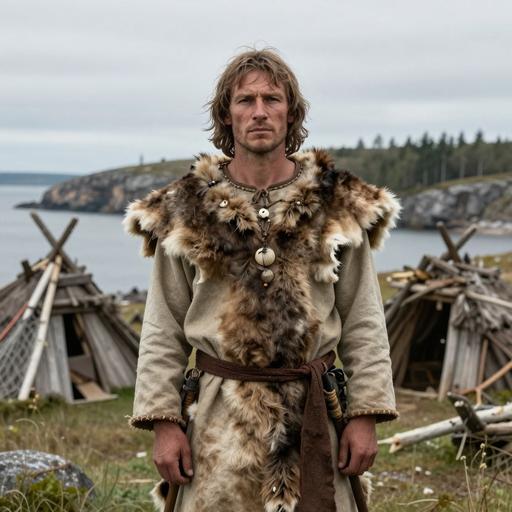
| Individual | Culture/Period | Date | Location | Action |
|---|---|---|---|---|
| Proto-Indo-European individual, Sweden | Battle Axe Culture, Sweden | 2622 BCE | Bergsgraven, Sweden | View |
| Proto-Indo-European individual, Sweden | Battle Axe Culture, Sweden | 2859 BCE | Olljso, Sweden | View |
| Nordic Bronze Age individual, Sweden | Pitted Ware Culture, Sweden | 3008 BCE | Ajvide, Sweden | View |
| North European Neolithic individual, Sweden | Funnel Beaker Culture, Sweden | 3096 BCE | Rossberga, Sweden | View |
| Proto-Indo-European individual, Sweden | Late Neolithic Sweden | 1931 BCE | Olljso, Sweden | View |
| North European Neolithic individual, Sweden | Funnel Beaker Culture, Sweden | 3331 BCE | Rossberga, Sweden | View |
| Proto-Indo-European individual, Sweden | Battle Axe Culture, Sweden | 2625 BCE | Bergsgraven, Sweden | View |
| Proto-Indo-European individual, Sweden | Late Neolithic Sweden | 1879 BCE | Olljso, Sweden | View |
| Indo-European individual, Poland | Corded Ware Culture, Poland | 2881 BCE | Oblaczkowo, Poland | View |
| Indo-European individual, Poland | Corded Ware Culture, Poland | 2866 BCE | Oblaczkowo, Poland | View |
| Proto-Indo-European individual, Estonia | Corded Ware Culture, Estonia | 2447 BCE | Karlova, Estonia | View |
| TRB individual, Sweden | Funnel Beaker Culture, Sweden | 3096 BCE | Rössberga, Sweden | View |
| Corded Ware individual, Sweden | 2622 BCE | Bergsgraven, Sweden | View | |
| Corded Ware individual, Sweden | 2625 BCE | Bergsgraven, Sweden | View | |
| Corded Ware individual, Estonia | 2447 BCE | Karlova, Estonia | View | |
| Nordic Mn individual, Sweden | 3096 BCE | Rossberga, Sweden | View | |
| Pitted Ware individual, Sweden | 3008 BCE | Ajvide, Sweden | View | |
| Megalithic individual, Sweden | 2859 BCE | Olljso, Sweden | View | |
| Megalithic individual, Sweden | 1931 BCE | Olljso, Sweden | View | |
| Megalithic individual, Sweden | 1879 BCE | Olljso, Sweden | View | |
| Corded Ware individual, Poland | 2866 BCE | Oblaczkowo, Poland | View | |
| Corded Ware individual, Poland | 2881 BCE | Oblaczkowo, Poland | View | |
| Nordic Mn individual, Sweden | 3331 BCE | Rossberga, Sweden | View |
Page 1
| Individual | Culture/Period | Date | Location | Action |
|---|---|---|---|---|
| Pitted Ware individual, Sweden | 3002 BCE | Gotland. Eksta. Ajvide Settlement, Sweden | View | |
| Pitted Ware individual, Sweden | 3086 BCE | Gotland. Eksta. Ajvide Settlement, Sweden | View | |
| Pitted Ware individual, Sweden | 3090 BCE | Gotland. Hemmor, Sweden | View | |
| Pitted Ware individual, Sweden | 3341 BCE | Gotland. Hemmor, Sweden | View | |
| Pitted Ware individual, Sweden | 3367 BCE | Gotland. Hemmor, Sweden | View | |
| Pitted Ware individual, Sweden | 2879 BCE | Gotland. Västerbjers, Sweden | View | |
| Pitted Ware individual, Sweden | 2913 BCE | Gotland. Västerbjers, Sweden | View | |
| Pitted Ware individual, Sweden | 3011 BCE | Gotland. Västerbjers, Sweden | View | |
| Pitted Ware individual, Sweden | 2894 BCE | Gotland. Västerbjers, Sweden | View | |
| Pitted Ware individual, Sweden | 3022 BCE | Gotland. Västerbjers, Sweden | View | |
| Pitted Ware individual, Sweden | 2621 BCE | Gotland. Västerbjers, Sweden | View | |
| Pitted Ware individual, Sweden | 2880 BCE | Gotland. Västerbjers, Sweden | View | |
| Pitted Ware individual, Sweden | 3091 BCE | Gotland. Västerbjers, Sweden | View | |
| Pitted Ware individual, Sweden | 2914 BCE | Gotland. Västerbjers, Sweden | View | |
| Pitted Ware individual, Sweden | 3014 BCE | Gotland. Västerbjers, Sweden | View | |
| Pitted Ware individual, Sweden | 3011 BCE | Gotland. Västerbjers, Sweden | View | |
| Pitted Ware individual, Sweden | 3092 BCE | Gotland. Västerbjers, Sweden | View | |
| Pitted Ware individual, Sweden | 3011 BCE | Gotland. Västerbjers, Sweden | View | |
| Pitted Ware individual, Sweden | 3341 BCE | Gotland. Hemmor, Sweden | View | |
| Pitted Ware individual, Sweden | 3090 BCE | Gotland. Hemmor, Sweden | View | |
| Pitted Ware individual, Sweden | 3092 BCE | Gotland. Västerbjers, Sweden | View | |
| Pitted Ware individual, Sweden | 2900 BCE | Gotland. Stora Karlsö, Sweden | View | |
| Pitted Ware individual, Sweden | 2900 BCE | Gotland. Stora Karlsö, Sweden | View | |
| Pitted Ware individual, Sweden | 2900 BCE | Gotland. Stora Karlsö, Sweden | View | |
| Pitted Ware individual, Sweden | 2900 BCE | Gotland. Stora Karlsö, Sweden | View | |
| Pitted Ware individual, Sweden | 2900 BCE | Gotland. Stora Karlsö, Sweden | View | |
| Pitted Ware individual, Sweden | 3100 BCE | Gotland. Stora Karlsö, Sweden | View | |
| Pitted Ware individual, Sweden | 3008 BCE | Ajvide, Sweden | View | |
| Pitted Ware individual, Sweden | 2879 BCE | Gotland. Västerbjers, Sweden | View | |
| Pitted Ware individual, Sweden | 2913 BCE | Gotland. Västerbjers, Sweden | View | |
| Pitted Ware individual, Sweden | 3011 BCE | Gotland. Västerbjers, Sweden | View | |
| Pitted Ware individual, Sweden | 2894 BCE | Gotland. Västerbjers, Sweden | View | |
| Pitted Ware individual, Sweden | 3022 BCE | Gotland. Västerbjers, Sweden | View | |
| Pitted Ware individual, Sweden | 2621 BCE | Gotland. Västerbjers, Sweden | View | |
| Pitted Ware individual, Sweden | 2880 BCE | Gotland. Västerbjers, Sweden | View | |
| Pitted Ware individual, Sweden | 3091 BCE | Gotland. Västerbjers, Sweden | View | |
| Pitted Ware individual, Sweden | 2914 BCE | Gotland. Västerbjers, Sweden | View | |
| Pitted Ware individual, Sweden | 3014 BCE | Gotland. Västerbjers, Sweden | View | |
| Pitted Ware individual, Sweden | 3011 BCE | Gotland. Västerbjers, Sweden | View | |
| Pitted Ware individual, Sweden | 3011 BCE | Gotland. Västerbjers, Sweden | View |
Page 1