


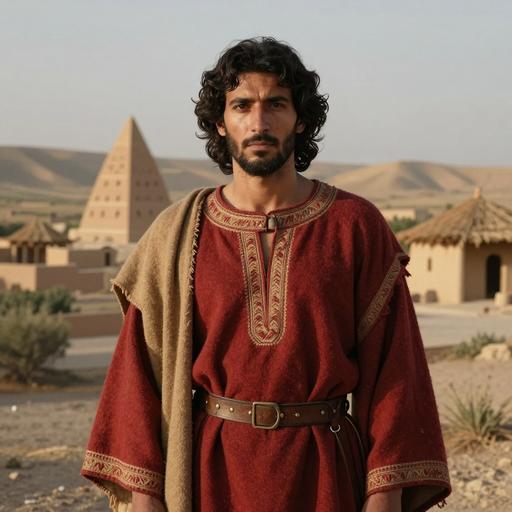
| Individual | Culture/Period | Date | Location | Action |
|---|---|---|---|---|
| Ancient Near Eastern Civilization individual, Iran | The Iron Age in Hasanlu, Iran | 971 BCE | Hasanlu, Iran | View |
| Ancient Near Eastern Civilization individual, Iran | Neolithic Tepe Abdul Hosein, Iran | 8250 BCE | Tepe Abdul Hosein. Central Zagros, Iran | View |
| Ancient Near Eastern Civilization individual, Iran | Neolithic Tepe Abdul Hosein, Iran | 8201 BCE | Tepe Abdul Hosein. Central Zagros, Iran | View |
| Ancient Near Eastern Civilization individual, Iran | Neolithic Tepe Abdul Hosein, Iran | 8202 BCE | Tepe Abdul Hosein. Central Zagros, Iran | View |
| Zagros Neolithic individual, Iran | Neolithic Wezmeh Cave, Iran | 7461 BCE | Wezmeh Cave. Central Zagros, Iran | View |
| Iran N individual, Iran | 8250 BCE | Tepe Abdul Hosein. Central Zagros, Iran | View | |
| Iran N individual, Iran | 8202 BCE | Tepe Abdul Hosein. Central Zagros, Iran | View | |
| Iran N individual, Iran | 8201 BCE | Tepe Abdul Hosein. Central Zagros, Iran | View | |
| Iran Ia individual, Iran | 971 BCE | Hasanlu, Iran | View | |
| Iran N individual, Iran | 7461 BCE | Wezmeh Cave. Central Zagros, Iran | View |
Page 1
| Individual | Culture/Period | Date | Location | Action |
|---|---|---|---|---|
| Iran Ia individual, Iran | 971 BCE | Hasanlu, Iran | View |
Page 1