


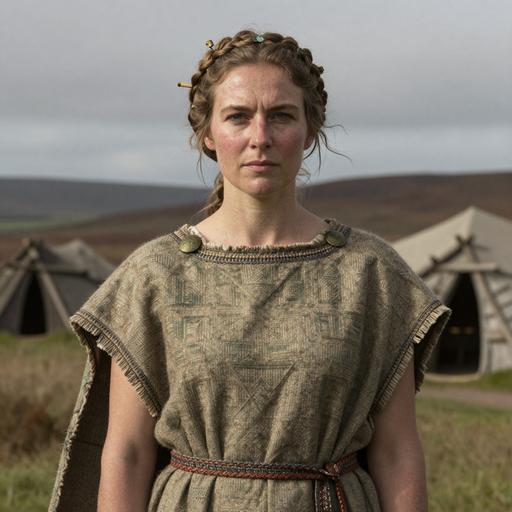
I7579
Middle Bronze Age England
1499 BCE
England. Bedfordshire. Biddenham Loop, United Kingdom
I7580
Middle Bronze Age England
1257 BCE
England. Bedfordshire. Biddenham Loop, United Kingdom
I7271
Bell Beaker Culture, Czech Republic
2500 BCE
Brandýsek, Czech Republic
I7278
Bell Beaker Culture, Czech Republic
2462 BCE
Brandýsek, Czech Republic
I7041
Early Bronze Age Proto-Nagyrév Culture, Hungary
2150 BCE
Szigetszentmiklós-Üdülősor, Hungary
I7043
Early Bronze Age Proto-Nagyrév Culture, Hungary
2138 BCE
Szigetszentmiklós-Üdülősor, Hungary
I7282
Bell Beaker Culture, Czech Republic
2500 BCE
Radosevice, Czech Republic
I7283
Bell Beaker Culture, Czech Republic
2500 BCE
Radosevice, Czech Republic
I7289
Bell Beaker Culture, Czech Republic
2456 BCE
Radosevice, Czech Republic
I7210
Bell Beaker Culture, Czech Republic
2201 BCE
Radosevice, Czech Republic
I7212
Bell Beaker Culture, Czech Republic
2454 BCE
Radosevice, Czech Republic
I7214
Bell Beaker Culture, Czech Republic
2500 BCE
Radosevice, Czech Republic
| Sample ID | Culture/Period | Date | Location | Action |
|---|---|---|---|---|
| I7579 | Middle Bronze Age England | 1499 BCE | England. Bedfordshire. Biddenham Loop, United Kingdom | View |
| I7580 | Middle Bronze Age England | 1257 BCE | England. Bedfordshire. Biddenham Loop, United Kingdom | View |
| I7271 | Bell Beaker Culture, Czech Republic | 2500 BCE | Brandýsek, Czech Republic | View |
| I7278 | Bell Beaker Culture, Czech Republic | 2462 BCE | Brandýsek, Czech Republic | View |
| I7041 | Early Bronze Age Proto-Nagyrév Culture, Hungary | 2150 BCE | Szigetszentmiklós-Üdülősor, Hungary | View |
| I7043 | Early Bronze Age Proto-Nagyrév Culture, Hungary | 2138 BCE | Szigetszentmiklós-Üdülősor, Hungary | View |
| I7282 | Bell Beaker Culture, Czech Republic | 2500 BCE | Radosevice, Czech Republic | View |
| I7283 | Bell Beaker Culture, Czech Republic | 2500 BCE | Radosevice, Czech Republic | View |
| I7289 | Bell Beaker Culture, Czech Republic | 2456 BCE | Radosevice, Czech Republic | View |
| I7210 | Bell Beaker Culture, Czech Republic | 2201 BCE | Radosevice, Czech Republic | View |
| I7212 | Bell Beaker Culture, Czech Republic | 2454 BCE | Radosevice, Czech Republic | View |
| I7214 | Bell Beaker Culture, Czech Republic | 2500 BCE | Radosevice, Czech Republic | View |
| I7040 | Early Bronze Age Proto-Nagyrév Culture, Hungary | 2900 BCE | Szigetszentmiklós-Üdülősor, Hungary | View |
| I7042 | Middle Neolithic Hungary | 4239 BCE | Szigetszentmiklós-Üdülősor, Hungary | View |
| I7044 | Early Bronze Age Bell Beaker Culture, Hungary | 2900 BCE | Szigetszentmiklós-Üdülősor, Hungary | View |
| I7045 | Early Bronze Age Bell Beaker Culture, Hungary | 2440 BCE | Szigetszentmiklós-Üdülősor, Hungary | View |
| I7195 | Early Bronze Age Czech Republic | 2800 BCE | Prague 5. Jinonice. Zahradnictví, Czech Republic | View |
| I7196 | Early Bronze Age Czech Republic | 2800 BCE | Prague 5. Jinonice. Zahradnictví, Czech Republic | View |
| I7197 | Middle Neolithic Czech Republic | 4549 BCE | Prague 5. Jinonice. Zahradnictví, Czech Republic | View |
| I7198 | Early Bronze Age Czech Republic | 2193 BCE | Prague 5. Jinonice. Zahradnictví, Czech Republic | View |
I2573
Middle Bronze Age Scotland
1502 BCE
Scotland. Longniddry. Evergreen, United Kingdom
I2653
Middle Bronze Age Scotland
1389 BCE
Scotland. Longniddry. Evergreen, United Kingdom
I2654
Middle Bronze Age Scotland
1419 BCE
Scotland. Longniddry. Evergreen, United Kingdom
I2655
Middle Bronze Age Scotland
1445 BCE
Scotland. Pabbay Mor, United Kingdom
I2656
Middle Bronze Age Scotland
1283 BCE
Scotland. Longniddry. Grainfoot, United Kingdom
| Sample ID | Culture/Period | Date | Location | Action |
|---|---|---|---|---|
| I2573 | Middle Bronze Age Scotland | 1502 BCE | Scotland. Longniddry. Evergreen, United Kingdom | View |
| I2653 | Middle Bronze Age Scotland | 1389 BCE | Scotland. Longniddry. Evergreen, United Kingdom | View |
| I2654 | Middle Bronze Age Scotland | 1419 BCE | Scotland. Longniddry. Evergreen, United Kingdom | View |
| I2655 | Middle Bronze Age Scotland | 1445 BCE | Scotland. Pabbay Mor, United Kingdom | View |
| I2656 | Middle Bronze Age Scotland | 1283 BCE | Scotland. Longniddry. Grainfoot, United Kingdom | View |