Menu
Currency
Main
Store
Blog

Loading Report

Preparing your ancestry journey

Connecting to ancient matches...

Preparing your report

Skip to main content
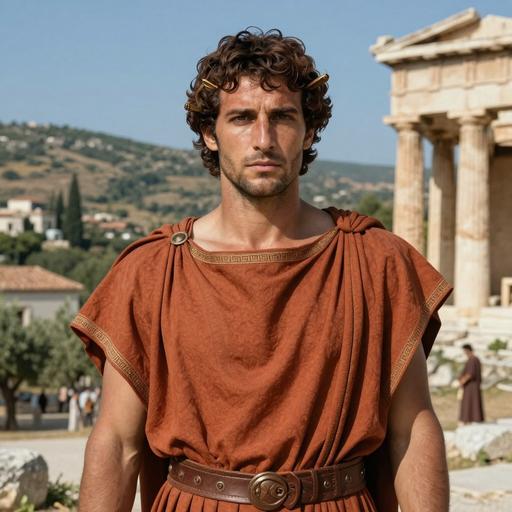
Portrait reconstruction of A man buried in Italy in the Classical era
Ancient Individual

A man buried in Italy in the Classical era

A man buried in Italy during the Sicilian Greek (Himeran)

A fragment of the ancient world, preserved across millennia in strands of DNA.

I10946
480 BCE - 480 BCE
Male
Italy
Scroll to begin
Chapter I

Identity

The biological and cultural markers that define this ancient individual

Sample ID

I10946

Date Range

480 BCE - 480 BCE

Cultural Period

Sicilian Greek (Himeran)

Biological Sex

Male

mtDNA Haplogroup

J1c11a

Y-DNA Haplogroup

E-Y20123

Social Role

Farmer (AI estimate, era-typical)

Chapter II

Place

Where this individual was discovered

Country Italy
Locality Himera (Sicily, Palermo, Termini Imerese)
Coordinates 37.9723, 13.8247
Chapter III

Time

When this individual lived in the broader context of human history

I10946 480 BCE - 480 BCE
Chapter IV

Story

The narrative of this ancient life

The Sicilian Greek, or Himeran culture, refers to the distinctive blend of Greek and indigenous elements that developed in the ancient city of Himera, located on the northern coast of Sicily. Founded around 648 BCE by Greek colonists from Zancle (modern-day Messina), Himera quickly became a vital player in the cultural and political landscape of ancient Sicily. This era is marked by a distinctive fusion of Greek and local Sicilian influences, creating a unique cultural identity.

Historical Context

Foundation and Early Years

Himera's foundation marked the westward expansion of the Greek world during a period characterized by the colonization of Sicily and Southern Italy, regions referred to as Magna Graecia. The city's strategic position on the northern coast facilitated trade and cultural exchanges. Early settlers included not only Greeks from mainland Greece but also some Carthaginians and indigenous Sicilian tribes such as the Elymians and the Sicels.

Political Dynamics

Himera's political history was tumultuous, marked by conflicts both internal and external. It found itself at odds with its neighbor Carthage, which sought to dominate the western part of the island. In 480 BCE, Himera played a critical role in the larger Greco-Punic conflicts, notably in the Battle of Himera, where Greek forces led by Theron of Acragas and the famous tyrant Gelon of Syracuse defeated a Carthaginian army. This victory was pivotal in preserving Greek hegemony in Sicily.

However, Himera's fortunes waxed and waned, leading up to its eventual destruction by Carthaginian forces in 409 BCE. Despite its decline, Himera's cultural contributions continued to resonate throughout Sicily and beyond.

Cultural Influences

Architecture and Urban Planning

The architectural style of Himera reflected a blend of Greek and local Sicilian elements. The city's layout followed the traditional Greek model with a grid plan, yet incorporated local building techniques and materials. Significant architectural remains include temples, notably Temple B, dedicated possibly to Athena, which symbolizes the classical Doric style adapted to local aesthetics.

Art and Sculpture

Himeran art was highly influenced by Greek traditions, particularly from the regions around Corinth and Eastern Greece. However, local artisans also introduced indigenous motifs and techniques. This is evident in the terracotta figurines and pottery, which display both Greek themes and inventive local styles.

Sculptural works from Himera display a transition from the rigid forms of the Archaic period to the more naturalistic styles of the Classical era. The city’s sculptors were known for their detailed reliefs and innovative use of materials sourced locally.

Language and Literature

Greek was the dominant language used in Himera, facilitating literary and philosophical endeavors consistent with the broader Greek world. The city was an intellectual hub where ideas from different parts of Greece merged and influenced local thought. Stesichorus, an eminent lyric poet from Himera, is perhaps the most celebrated literary figure associated with the city. His works are known for their sophisticated structure and thematic complexity, blending mythological narrative with local traditions.

Religion and Mythology

Religion in Himera was a syncretic affair. Greek gods were worshiped, yet often assimilated with local deities, creating a unique pantheon reflective of both Greek and indigenous beliefs. Temples and sanctuaries served as important religious and social centers. Archaeological evidence indicates the worship of deities such as Zeus, Hera, and Demeter, with rituals and festivals that reflected both Greek customs and local practices.

Socio-Economic Life

Economy

The economy of Himera was robust, relying heavily on agriculture, trade, and craftsmanship. Its fertile hinterland provided agricultural produce that was traded extensively. Additionally, the city's position as a trading hub allowed for the exchange of goods such as pottery, wine, and olive oil with other Mediterranean cultures.

Social Structure

Himeran society was stratified, comprising mainly Greeks, with a significant population of native Sicilians and foreigners. The social hierarchy featured a ruling elite that governed, often with input from prominent families and later tyrants, as seen during the reign of Theron. Social mobility was possible, particularly through trade and military service, reflecting the broader trends of Greek society.

Conclusion

The Himeran culture of ancient Sicily represents an era of vibrant cultural synthesis. As a place where indigenous traditions met and mingled with Greek customs, Himera was a microcosm of the larger processes of cultural exchange and adaptation that characterized ancient Mediterranean civilizations. Despite its eventual destruction, the cultural legacy of Himera endured, influencing subsequent generations and contributing to the rich tapestry of Sicilian history.

Context

Related Samples

This individual exists within a broader network of ancient samples. No ancient genome stands alone.

Sample ID Culture/Period Date Location Action
I10943 Sicilian Greek (Himeran) 480 BCE Himera (Sicily, Palermo, Termini Imerese), Italy View
I10945 Sicilian Greek (Himeran) 480 BCE Himera (Sicily, Palermo, Termini Imerese), Italy View
I10946 Sicilian Greek (Himeran) 480 BCE Himera (Sicily, Palermo, Termini Imerese), Italy View
I10947 Sicilian Greek (Himeran) 480 BCE Himera (Sicily, Palermo, Termini Imerese), Italy View
I10948 Sicilian Greek (Himeran) 480 BCE Himera (Sicily, Palermo, Termini Imerese), Italy View
I10950 Sicilian Greek (Himeran) 480 BCE Himera (Sicily, Palermo, Termini Imerese), Italy View
I10951 Sicilian Greek (Himeran) 480 BCE Himera (Sicily, Palermo, Termini Imerese), Italy View
I10952 Sicilian Greek (Himeran) 480 BCE Himera (Sicily, Palermo, Termini Imerese), Italy View
I7217 Sicilian Greek (Himeran) 480 BCE Himera (Sicily, Palermo, Termini Imerese), Italy View
I7218 Sicilian Greek (Himeran) 480 BCE Himera (Sicily, Palermo, Termini Imerese), Italy View
I7219 Sicilian Greek (Himeran) 480 BCE Himera (Sicily, Palermo, Termini Imerese), Italy View
I7221 Sicilian Greek (Himeran) 480 BCE Himera (Sicily, Palermo, Termini Imerese), Italy View
I7223 Sicilian Greek (Himeran) 409 BCE Himera (Sicily, Palermo, Termini Imerese), Italy View
I7224 Sicilian Greek (Himeran) 409 BCE Himera (Sicily, Palermo, Termini Imerese), Italy View
I7225 Sicilian Greek (Himeran) 409 BCE Himera (Sicily, Palermo, Termini Imerese), Italy View
I13125 Iron Age Sicani of Sicily 800 BCE Baucina-Monte Falcone (Sicily, Palermo), Italy View
I13376 Iron Age Sicily 850 BCE Polizzello (Sicily, Caltanissetta), Italy View
I13377 Iron Age Sicily 850 BCE Polizzello (Sicily, Caltanissetta), Italy View
I13378 Iron Age Sicily 850 BCE Polizzello (Sicily, Caltanissetta), Italy View
I13379 Iron Age Sicily 850 BCE Polizzello (Sicily, Caltanissetta), Italy View
I13380 Iron Age Sicily 850 BCE Polizzello (Sicily, Caltanissetta), Italy View
I13381 Iron Age Sicily 850 BCE Polizzello (Sicily, Caltanissetta), Italy View
I13382 Iron Age Sicily 850 BCE Polizzello (Sicily, Caltanissetta), Italy View
I13383 Iron Age Sicily 810 BCE Polizzello (Sicily, Caltanissetta), Italy View
I13384 Iron Age Sicily 850 BCE Polizzello (Sicily, Caltanissetta), Italy View
I13385 Iron Age Sicily 771 BCE Polizzello (Sicily, Caltanissetta), Italy View
I13386 Iron Age Sicily 850 BCE Polizzello (Sicily, Caltanissetta), Italy View
I13387 Iron Age Sicily 850 BCE Polizzello (Sicily, Caltanissetta), Italy View
I13389 Iron Age Sicily 850 BCE Polizzello (Sicily, Caltanissetta), Italy View
I13390 Iron Age Sicily 850 BCE Polizzello (Sicily, Caltanissetta), Italy View
I13391 Iron Age Sicily 850 BCE Polizzello (Sicily, Caltanissetta), Italy View
I13392 Iron Age Sicily 850 BCE Polizzello (Sicily, Caltanissetta), Italy View
I13393 Iron Age Sicily 850 BCE Polizzello (Sicily, Caltanissetta), Italy View
I13394 Iron Age Sicily 804 BCE Polizzello (Sicily, Caltanissetta), Italy View
I13395 Iron Age Sicily 850 BCE Polizzello (Sicily, Caltanissetta), Italy View
I17879 Sicilian Greek (Himera) 500 BCE Himera (Sicily, Palermo, Termini Imerese), Italy View
I17884 Sicilian Greek (Himeran) 409 BCE Himera (Sicily, Palermo, Termini Imerese), Italy View
I17887 Sicilian Greek (Himera) 500 BCE Himera (Sicily, Palermo, Termini Imerese), Italy View
I20161 Classical Sicilian (Himera) 700 BCE Himera (Sicily, Palermo, Termini Imerese), Italy View
I20162 Classical Sicilian (Himera) 700 BCE Himera (Sicily, Palermo, Termini Imerese), Italy View
I20163 Classical Sicilian (Himera) 700 BCE Himera (Sicily, Palermo, Termini Imerese), Italy View
I20166 Classical Sicilian (Himera) 700 BCE Himera (Sicily, Palermo, Termini Imerese), Italy View
I10944 Sicilian Greek (Himeran) 480 BCE Himera (Sicily, Palermo, Termini Imerese), Italy View
I10949 Sicilian Greek (Himeran) 480 BCE Himera (Sicily, Palermo, Termini Imerese), Italy View
I13128 Iron Age Sicani of Sicily 765 BCE Baucina-Monte Falcone (Sicily, Palermo), Italy View
I17878 Sicilian Greek (Himera) 500 BCE Himera (Sicily, Palermo, Termini Imerese), Italy View
I17881 Sicilian Greek (Himera) 500 BCE Himera (Sicily, Palermo, Termini Imerese), Italy View
I20167 Classical Sicilian (Himera) 700 BCE Himera (Sicily, Palermo, Termini Imerese), Italy View
I17866 Sicilian Greek (Himeran) 409 BCE Himera (Sicily, Palermo, Termini Imerese), Italy View
I17432 Sicilian Greek (Himeran) 480 BCE Himera (Sicily, Palermo, Termini Imerese), Italy View
Sample ID Culture/Period Date Location Action
I10943 Sicilian Greek (Himeran) 480 BCE Himera (Sicily, Palermo, Termini Imerese), Italy View
I10945 Sicilian Greek (Himeran) 480 BCE Himera (Sicily, Palermo, Termini Imerese), Italy View
I10946 Sicilian Greek (Himeran) 480 BCE Himera (Sicily, Palermo, Termini Imerese), Italy View
I10947 Sicilian Greek (Himeran) 480 BCE Himera (Sicily, Palermo, Termini Imerese), Italy View
I10948 Sicilian Greek (Himeran) 480 BCE Himera (Sicily, Palermo, Termini Imerese), Italy View
I10950 Sicilian Greek (Himeran) 480 BCE Himera (Sicily, Palermo, Termini Imerese), Italy View
I10951 Sicilian Greek (Himeran) 480 BCE Himera (Sicily, Palermo, Termini Imerese), Italy View
I10952 Sicilian Greek (Himeran) 480 BCE Himera (Sicily, Palermo, Termini Imerese), Italy View
I7217 Sicilian Greek (Himeran) 480 BCE Himera (Sicily, Palermo, Termini Imerese), Italy View
I7218 Sicilian Greek (Himeran) 480 BCE Himera (Sicily, Palermo, Termini Imerese), Italy View
I7219 Sicilian Greek (Himeran) 480 BCE Himera (Sicily, Palermo, Termini Imerese), Italy View
I7221 Sicilian Greek (Himeran) 480 BCE Himera (Sicily, Palermo, Termini Imerese), Italy View
I10944 Sicilian Greek (Himeran) 480 BCE Himera (Sicily, Palermo, Termini Imerese), Italy View
I10949 Sicilian Greek (Himeran) 480 BCE Himera (Sicily, Palermo, Termini Imerese), Italy View
I17432 Sicilian Greek (Himeran) 480 BCE Himera (Sicily, Palermo, Termini Imerese), Italy View
Sources

References

Scientific publications and genetic data that inform this profile.

Scientific Publication

The diverse genetic origins of a Classical period Greek army

Authors Reitsema LJ, Mittnik A, Kyle B, Catalano G, Fabbri PF et al.
Abstract

Trade and colonization caused an unprecedented increase in Mediterranean human mobility in the first millennium BCE. Often seen as a dividing force, warfare is in fact another catalyst of culture contact. We provide insight into the demographic dynamics of ancient warfare by reporting genome-wide data from fifth-century soldiers who fought for the army of the Greek Sicilian colony of Himera, along with representatives of the civilian population, nearby indigenous settlements, and 96 present-day individuals from Italy and Greece. Unlike the rest of the sample, many soldiers had ancestral origins in northern Europe, the Steppe, and the Caucasus. Integrating genetic, archaeological, isotopic, and historical data, these results illustrate the significant role mercenaries played in ancient Greek armies and highlight how participation in war contributed to continental-scale human mobility in the Classical world.

Use code for 25% off Expires Jul 15