Menu
Currency
Main
Store
Blog

Loading Report

Preparing your ancestry journey

Connecting to ancient matches...

Preparing your report

Skip to main content
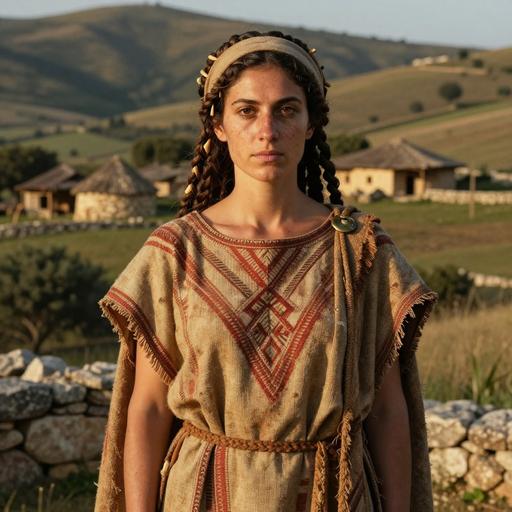
Portrait reconstruction of A woman buried in Italy in the Iron Age era
Ancient Individual

A woman buried in Italy in the Iron Age era

A woman buried in Italy during the Iron Age Sicily

A fragment of the ancient world, preserved across millennia in strands of DNA.

I13380
850 BCE - 550 BCE
Female
Italy
Scroll to begin
Chapter I

Identity

The biological and cultural markers that define this ancient individual

Sample ID

I13380

Date Range

850 BCE - 550 BCE

Cultural Period

Iron Age Sicily

Biological Sex

Female

mtDNA Haplogroup

T2b

Y-DNA Haplogroup

N/A (Female)

Social Role

Farmer (AI estimate, era-typical)

Chapter II

Place

Where this individual was discovered

Country Italy
Locality Polizzello (Sicily, Caltanissetta)
Coordinates 37.6084, 13.8348
Chapter III

Time

When this individual lived in the broader context of human history

I13380 850 BCE - 550 BCE
Chapter IV

Story

The narrative of this ancient life

The Iron Age in Sicily, spanning roughly from 1000 BCE to 500 BCE, marks a significant and transformative period in the island's history, marked by diverse cultural influences, technological advancements, and social changes. During this era, Sicily emerged as a cultural crossroads due to its strategic position in the Mediterranean, acting as a bridge between various civilizations such as the Greeks, Phoenicians, and indigenous peoples, which included the Sicani, Siculi, and Elymians.

Indigenous Cultures and Societies

The indigenous people of Sicily can be categorized into three primary groups: the Sicani in the west, the Siculi in the east, and the Elymians in the northwest. These groups developed distinct cultures, heavily influenced by interactions with neighboring civilizations. They engaged in agriculture, with the cultivation of wheat, barley, and legumes, and animal husbandry, including sheep and cattle, forming the backbone of their economy. They lived in fortified settlements made of stone and thatch, often situated on hills for defense against invaders. These settlements, over time, evolved into organized proto-cities with complex social hierarchies.

Technological and Artistic Developments

The advent of ironworking technology played a crucial role in transforming Sicilian society. This new metal, stronger and more flexible than bronze, improved agricultural tools, weaponry, and everyday implements, leading to increased productivity and warfare capabilities. As a result, technological progress contributed to shifts in social structures, with new elite classes emerging based on control over metal resources.

Artistically, the Iron Age Sicilians expressed themselves through pottery and metalwork. Their ceramics, often decorated with intricate geometric patterns, reflected both indigenous styles and influences from Greek and Phoenician traders. Similarly, metal objects, including jewelry and ritual items crafted from bronze and iron, showcased a blend of local and external artistic traditions, indicating an exchange of cultural ideas across the island.

External Influences and Trade

Sicily's position as a central node in Mediterranean trade routes caused it to be frequented by sea-faring civilizations. The Greeks began colonizing parts of the island around the 8th century BCE, bringing with them their political structures, religious practices, and arts. Notably, Catania, Syracuse, and Akragas (Agrigento) are among the prominent Greek colonies that emerged on the island, which became centers of Hellenic culture and learning.

Simultaneously, the Phoenicians, renowned for their seafaring and trading prowess, established settlements along the coasts, such as Motya and Panormus (modern Palermo). They introduced new trade networks, linking Sicily more closely with North Africa and the Levant, and contributed to the diverse cultural tapestry of the island by introducing elements of their alphabet, religious practices, and governance.

Religious and Cultural Syncretism

The confluence of different peoples and cultures fostered religious syncretism throughout the island. Indigenous deities began to be associated with or incorporated into the pantheons of Greek and Phoenician settlers. Sacred sites and temples often represented a fusion of architectural styles and religious symbols, serving as meeting points for various cultural groups to share rituals and festivities.

Customs and traditions, too, were a blend of local and imported practices. This syncretism is evident in funerary practices, where burial styles blended indigenous customs with those from Greek and Phoenician cultures, resulting in complex rites that honored the dead while petitioning favor from multiple pantheons.

Social and Political Organization

The introduction of new agricultural techniques and trade surpluses led to increased social stratification. Society became more complex, with hierarchical structures that included rulers, warriors, artisans, and farmers. Leadership typically resided with chieftains or kings who controlled trade routes, war efforts, and distribution of resources. In Greek colonies, city-states emerged, accompanied by systems of governance such as oligarchies and tyrannies.

Amidst these complexities, conflicts were not uncommon as different groups vied for control over fertile lands and trade dominance. This competition often resulted in alliances being formed, broken, and reformed, which further influenced the socio-political landscape of Iron Age Sicily.

Conclusion

Iron Age Sicily was a dynamic and vibrant synthesis of indigenous traditions and external influences. The confluence of cultures bred a rich and diverse society that laid the groundwork for future developments on the island. The artistic, technological, and social innovations of this era are significant, contributing to Sicily's emergence as a key cultural and economic hub in the ancient Mediterranean world. As such, the Iron Age in Sicily represents a foundational chapter in the island's storied history, marked by resilience, adaptability, and creativity.

Context

Related Samples

This individual exists within a broader network of ancient samples. No ancient genome stands alone.

Sample ID Culture/Period Date Location Action
I10943 Sicilian Greek (Himeran) 480 BCE Himera (Sicily, Palermo, Termini Imerese), Italy View
I10945 Sicilian Greek (Himeran) 480 BCE Himera (Sicily, Palermo, Termini Imerese), Italy View
I10946 Sicilian Greek (Himeran) 480 BCE Himera (Sicily, Palermo, Termini Imerese), Italy View
I10947 Sicilian Greek (Himeran) 480 BCE Himera (Sicily, Palermo, Termini Imerese), Italy View
I10948 Sicilian Greek (Himeran) 480 BCE Himera (Sicily, Palermo, Termini Imerese), Italy View
I10950 Sicilian Greek (Himeran) 480 BCE Himera (Sicily, Palermo, Termini Imerese), Italy View
I10951 Sicilian Greek (Himeran) 480 BCE Himera (Sicily, Palermo, Termini Imerese), Italy View
I10952 Sicilian Greek (Himeran) 480 BCE Himera (Sicily, Palermo, Termini Imerese), Italy View
I7217 Sicilian Greek (Himeran) 480 BCE Himera (Sicily, Palermo, Termini Imerese), Italy View
I7218 Sicilian Greek (Himeran) 480 BCE Himera (Sicily, Palermo, Termini Imerese), Italy View
I7219 Sicilian Greek (Himeran) 480 BCE Himera (Sicily, Palermo, Termini Imerese), Italy View
I7221 Sicilian Greek (Himeran) 480 BCE Himera (Sicily, Palermo, Termini Imerese), Italy View
I7223 Sicilian Greek (Himeran) 409 BCE Himera (Sicily, Palermo, Termini Imerese), Italy View
I7224 Sicilian Greek (Himeran) 409 BCE Himera (Sicily, Palermo, Termini Imerese), Italy View
I7225 Sicilian Greek (Himeran) 409 BCE Himera (Sicily, Palermo, Termini Imerese), Italy View
I13125 Iron Age Sicani of Sicily 800 BCE Baucina-Monte Falcone (Sicily, Palermo), Italy View
I13376 Iron Age Sicily 850 BCE Polizzello (Sicily, Caltanissetta), Italy View
I13377 Iron Age Sicily 850 BCE Polizzello (Sicily, Caltanissetta), Italy View
I13378 Iron Age Sicily 850 BCE Polizzello (Sicily, Caltanissetta), Italy View
I13379 Iron Age Sicily 850 BCE Polizzello (Sicily, Caltanissetta), Italy View
I13380 Iron Age Sicily 850 BCE Polizzello (Sicily, Caltanissetta), Italy View
I13381 Iron Age Sicily 850 BCE Polizzello (Sicily, Caltanissetta), Italy View
I13382 Iron Age Sicily 850 BCE Polizzello (Sicily, Caltanissetta), Italy View
I13383 Iron Age Sicily 810 BCE Polizzello (Sicily, Caltanissetta), Italy View
I13384 Iron Age Sicily 850 BCE Polizzello (Sicily, Caltanissetta), Italy View
I13385 Iron Age Sicily 771 BCE Polizzello (Sicily, Caltanissetta), Italy View
I13386 Iron Age Sicily 850 BCE Polizzello (Sicily, Caltanissetta), Italy View
I13387 Iron Age Sicily 850 BCE Polizzello (Sicily, Caltanissetta), Italy View
I13389 Iron Age Sicily 850 BCE Polizzello (Sicily, Caltanissetta), Italy View
I13390 Iron Age Sicily 850 BCE Polizzello (Sicily, Caltanissetta), Italy View
I13391 Iron Age Sicily 850 BCE Polizzello (Sicily, Caltanissetta), Italy View
I13392 Iron Age Sicily 850 BCE Polizzello (Sicily, Caltanissetta), Italy View
I13393 Iron Age Sicily 850 BCE Polizzello (Sicily, Caltanissetta), Italy View
I13394 Iron Age Sicily 804 BCE Polizzello (Sicily, Caltanissetta), Italy View
I13395 Iron Age Sicily 850 BCE Polizzello (Sicily, Caltanissetta), Italy View
I17879 Sicilian Greek (Himera) 500 BCE Himera (Sicily, Palermo, Termini Imerese), Italy View
I17884 Sicilian Greek (Himeran) 409 BCE Himera (Sicily, Palermo, Termini Imerese), Italy View
I17887 Sicilian Greek (Himera) 500 BCE Himera (Sicily, Palermo, Termini Imerese), Italy View
I20161 Classical Sicilian (Himera) 700 BCE Himera (Sicily, Palermo, Termini Imerese), Italy View
I20162 Classical Sicilian (Himera) 700 BCE Himera (Sicily, Palermo, Termini Imerese), Italy View
I20163 Classical Sicilian (Himera) 700 BCE Himera (Sicily, Palermo, Termini Imerese), Italy View
I20166 Classical Sicilian (Himera) 700 BCE Himera (Sicily, Palermo, Termini Imerese), Italy View
I10944 Sicilian Greek (Himeran) 480 BCE Himera (Sicily, Palermo, Termini Imerese), Italy View
I10949 Sicilian Greek (Himeran) 480 BCE Himera (Sicily, Palermo, Termini Imerese), Italy View
I13128 Iron Age Sicani of Sicily 765 BCE Baucina-Monte Falcone (Sicily, Palermo), Italy View
I17878 Sicilian Greek (Himera) 500 BCE Himera (Sicily, Palermo, Termini Imerese), Italy View
I17881 Sicilian Greek (Himera) 500 BCE Himera (Sicily, Palermo, Termini Imerese), Italy View
I20167 Classical Sicilian (Himera) 700 BCE Himera (Sicily, Palermo, Termini Imerese), Italy View
I17866 Sicilian Greek (Himeran) 409 BCE Himera (Sicily, Palermo, Termini Imerese), Italy View
I17432 Sicilian Greek (Himeran) 480 BCE Himera (Sicily, Palermo, Termini Imerese), Italy View
Sample ID Culture/Period Date Location Action
I13376 Iron Age Sicily 850 BCE Polizzello (Sicily, Caltanissetta), Italy View
I13377 Iron Age Sicily 850 BCE Polizzello (Sicily, Caltanissetta), Italy View
I13378 Iron Age Sicily 850 BCE Polizzello (Sicily, Caltanissetta), Italy View
I13379 Iron Age Sicily 850 BCE Polizzello (Sicily, Caltanissetta), Italy View
I13380 Iron Age Sicily 850 BCE Polizzello (Sicily, Caltanissetta), Italy View
I13381 Iron Age Sicily 850 BCE Polizzello (Sicily, Caltanissetta), Italy View
I13382 Iron Age Sicily 850 BCE Polizzello (Sicily, Caltanissetta), Italy View
I13383 Iron Age Sicily 810 BCE Polizzello (Sicily, Caltanissetta), Italy View
I13384 Iron Age Sicily 850 BCE Polizzello (Sicily, Caltanissetta), Italy View
I13385 Iron Age Sicily 771 BCE Polizzello (Sicily, Caltanissetta), Italy View
I13386 Iron Age Sicily 850 BCE Polizzello (Sicily, Caltanissetta), Italy View
I13387 Iron Age Sicily 850 BCE Polizzello (Sicily, Caltanissetta), Italy View
I13389 Iron Age Sicily 850 BCE Polizzello (Sicily, Caltanissetta), Italy View
I13390 Iron Age Sicily 850 BCE Polizzello (Sicily, Caltanissetta), Italy View
I13391 Iron Age Sicily 850 BCE Polizzello (Sicily, Caltanissetta), Italy View
I13392 Iron Age Sicily 850 BCE Polizzello (Sicily, Caltanissetta), Italy View
I13393 Iron Age Sicily 850 BCE Polizzello (Sicily, Caltanissetta), Italy View
I13394 Iron Age Sicily 804 BCE Polizzello (Sicily, Caltanissetta), Italy View
I13395 Iron Age Sicily 850 BCE Polizzello (Sicily, Caltanissetta), Italy View
Sources

References

Scientific publications and genetic data that inform this profile.

Scientific Publication

The diverse genetic origins of a Classical period Greek army

Authors Reitsema LJ, Mittnik A, Kyle B, Catalano G, Fabbri PF et al.
Abstract

Trade and colonization caused an unprecedented increase in Mediterranean human mobility in the first millennium BCE. Often seen as a dividing force, warfare is in fact another catalyst of culture contact. We provide insight into the demographic dynamics of ancient warfare by reporting genome-wide data from fifth-century soldiers who fought for the army of the Greek Sicilian colony of Himera, along with representatives of the civilian population, nearby indigenous settlements, and 96 present-day individuals from Italy and Greece. Unlike the rest of the sample, many soldiers had ancestral origins in northern Europe, the Steppe, and the Caucasus. Integrating genetic, archaeological, isotopic, and historical data, these results illustrate the significant role mercenaries played in ancient Greek armies and highlight how participation in war contributed to continental-scale human mobility in the Classical world.

Use code for 25% off Expires Jul 15