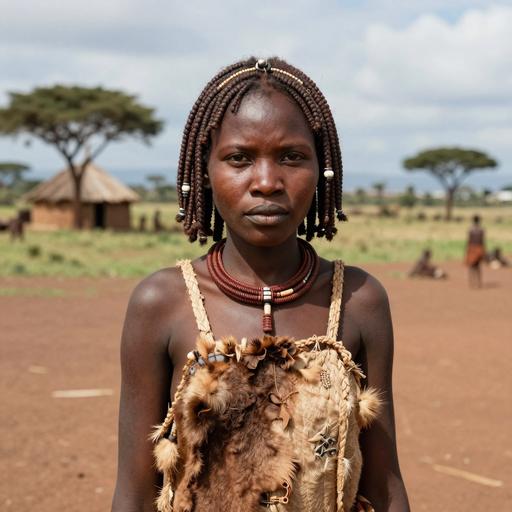
The prehistoric period and Iron Age in Tanzania, particularly in the context of the Bantu migrations, is a fascinating era marked by significant cultural and technological transitions. This period, which spans from prehistoric times through the development of iron technology, is crucial for understanding the foundations of various Bantu cultures that progressively shaped the cultural landscape of Tanzania.
Prehistoric Period in Tanzania
Early Human Occupation
Tanzania is home to some of the earliest known hominid fossils, thanks to its rich archaeological sites like Olduvai Gorge and Laetoli. Olduvai Gorge, situated in the Great Rift Valley, has been instrumental in providing insight into early human evolution. Discoveries such as those of Homo habilis and Homo erectus highlight the presence of proto-human species approximately 2 million years ago.
Stone Age Cultures
The Stone Age in Tanzania is characterized by the use of stone tools and is divided into different phases: the Early, Middle, and Late Stone Ages. During the Early Stone Age, large hand axes and cleavers made by hominins like Homo habilis dominated the toolkits. The Middle Stone Age introduced more refined tools, often associated with Homo sapiens, showing advances in technology and adaptation strategies.
The Late Stone Age saw the development of micro-lithic tool cultures, which were efficient and more suited to varied environmental conditions. This period also marked significant advancements in social organization and artistic expression, as illustrated by rock art found throughout Tanzania.
Iron Age in Tanzania
Bantu Migrations
The Bantu migrations, which began around 1000 BC, significantly influenced Tanzania's history. The Bantu-speaking peoples migrated from their Central African homeland, bringing with them new technologies, crops, and cultural practices. This dispersal led to the development of new societies in East Africa, including Tanzania.
Introduction of Ironworking
Around the first millennium AD, the advent of iron technology transformed societies in Tanzania. The ability to smelt and forge iron tools and weapons provided significant advantages over communities that relied on stone or bone. Iron tools enabled more efficient agriculture, hunting, and warfare, facilitating population growth and the expansion of Bantu societies.
Iron smelting sites such as those at Engaruka and Ugweno illustrate the spread and development of iron technology. These sites reveal a sophisticated understanding of metallurgy, kiln construction, and resource management, which were essential for village and community life.
Socio-economic and Cultural Developments
The Iron Age in Tanzania saw the rise of complex societies with hierarchical structures. Settlements became more permanent and socially stratified, with agriculture serving as the economic base. Key crops introduced by the Bantu included millet, sorghum, and eventually bananas, shaping subsistence patterns.
Socially, this era witnessed the development of pottery styles, which reflected cultural exchanges and local innovations. Various Bantu groups, such as the Zanaki, Sukuma, Haya, and many others, cultivated distinct languages, traditions, and governance structures, which laid the foundation for modern ethnic identities in Tanzania.
Trade and Interactions
During the Iron Age, Tanzanian communities engaged in extensive trade networks stretching across the region. This trade involved ivory, salt, and later on, gold, linking the interior of East Africa with coastal communities and beyond to the Indian Ocean trade networks. The exchange of goods, ideas, and technologies with Arab, Persian, and Indian traders later during and beyond the Iron Age had lasting impacts on the cultural and technological landscape of the region.
Conclusion
The Prehistoric and Iron Age periods in Tanzania were times of profound transformation. These eras encapsulate the journey of human evolution, the advent and impact of iron technology, and the rise of Bantu cultures that collectively laid the groundwork for Tanzania's current cultural diversity. Understanding these periods sheds light on the dynamic interactions between humans and their environment, the interplay of technology and society, and the ongoing legacy of cultural adaptation and resilience.