Region & Environment
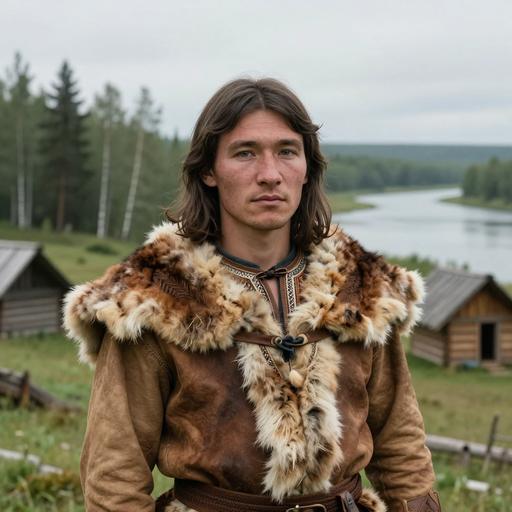
Northern Irkutsk is situated in eastern Siberia, where river valleys and the broader Baikal-region environments structured settlement opportunities. Long winters, local water transport, and rich seasonal resources would have influenced where people lived and how they moved.
Historical Context
Between 2000 and 100 BCE, eastern Siberia experienced continued cultural development with changes in technology and craft traditions. The Northern Irkutsk horizon is often discussed in relation to the Glazkovo Complex and associated Neolithic/Bronze Age assemblages, reflecting long-term regional histories.
Populations & Lifeways
Populations likely depended on hunting and fishing supplemented by locally adopted practices tied to settlement and resource scheduling. People would have organized daily work around processing raw materials, food procurement, and maintaining tools suitable for cold-climate conditions. Mobility may have varied by season and by access to particular resource zones.
Archaeology & Material Culture
Archaeological identification focuses on characteristic artifact sets within the Glazkovo Complex framework, including pottery traits and stone-tool technologies. Such assemblages indicate patterned production and the persistence of regional traditions over time, even as broad Bronze Age-era technologies arrived and circulated in Siberia.
Culture & Society
Community organization can be inferred indirectly from settlement and material patterning: recurring artifact styles suggest shared conventions and communication among groups. Mortuary evidence, where documented, would further clarify social practices, but interpretations remain cautious when the record is incomplete.
Legacy & Transition
As the period progresses toward the early centuries BCE, cultural dynamics in Siberia continued to shift, incorporating new interactions and technological approaches. Northern Irkutsk/Glazkovo traditions contribute to understanding how eastern Siberian lifeways and material systems persisted and transformed across the second and first millennia BCE.