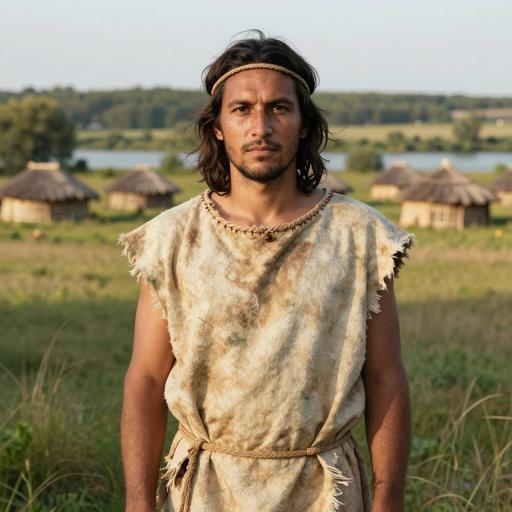
The Early Neolithic Körös Culture, part of the broader Starčevo-Körös-Criș complex, represents a significant phase in the prehistoric development of Europe and is a critical component of the Neolithic period in the Carpathian Basin. This culture, named after the Körös River in present-day Hungary, flourished approximately between 6000 and 5500 BCE.
Geography and Environment
The Körös Culture primarily occupied the Great Hungarian Plain, an area characterized by its fertile alluvial soils, which arose from the plains and river floodplains surrounding the Danube, Tisza, and Körös Rivers. This landscape provided an ideal environment for early agricultural development, with a climate that supported diverse flora and fauna.
Social Structure and Settlements
The Körös Culture is noted for its small, semi-permanent settlements. These were often located on elevated areas to avoid seasonal flooding, often near water sources which facilitated agriculture and transportation. The social structure of these communities may have been relatively egalitarian, given the lack of evidence for significant hierarchical differentiation within settlements.
Architecture
Archaeological evidence suggests that Körös dwellings were typically rectangular or oval, constructed using a wattle-and-daub technique. The houses were built from wooden frames filled with a combination of mud, clay, and straw, supported by wooden posts. The floors were made of clay, sometimes paved with stones, and the roofs were likely thatched.
Economy and Subsistence
Subsistence was largely based on a mixed economy of agriculture and animal husbandry, which included the cultivation of emmer wheat, einkorn wheat, barley, and lentils. Domesticated animals such as cattle, sheep, goats, and pigs were integral to their economy, providing meat, milk, and other resources. Hunting and fishing supplemented their diet, exploiting local wildlife and aquatic resources.
Pottery and Material Culture
One of the defining features of the Körös Culture is its distinctive pottery, which reflects advanced ceramic techniques for its time. The pottery often features simple, geometric decorations, usually painted in white or red on a dark background. These vessels, primarily made by hand, served utilitarian purposes, but their decorative aspects highlight an appreciation for artistic expression.
The Körös people are also credited with the development and utilization of a variety of stone tools, including chipped and polished implements. Bone and antler tools are also common, reflecting the community's proficiency in using available natural resources.
Art and Symbolism
While not as elaborate as some later Neolithic cultures, Körös artifacts do suggest the presence of symbolic or artistic expression. This can be seen in the form of small clay figurines, which might have had religious or ritualistic significance, representing humans or animals, and potentially used in ceremonies or as household idols.
Burial Practices and Spiritual Life
Our understanding of Körös spiritual life is limited, but burial practices indicate some belief in an afterlife or spiritual system. Burials were typically simple, with the dead interred in shallow graves, often accompanied by small amounts of grave goods such as pottery or tools, suggesting a belief in providing for the deceased in the afterlife.
Legacy and Influence
The Körös Culture played a fundamental role in the spread of Neolithic practices and lifestyles throughout Central Europe. Their innovations in agriculture, architecture, and craftsmanship paved the way for subsequent Neolithic cultures, influencing regions far beyond the Carpathian Basin. As part of the broader Starčevo-Körös-Criș cultural complex, their interactions and exchanges with neighboring cultures contributed to the development of a more interconnected Neolithic Europe.
In conclusion, the Körös Culture represents a crucial period in the Neolithic era, marked by significant advancements in agriculture, technology, and social organization, which laid the foundation for future European societies.