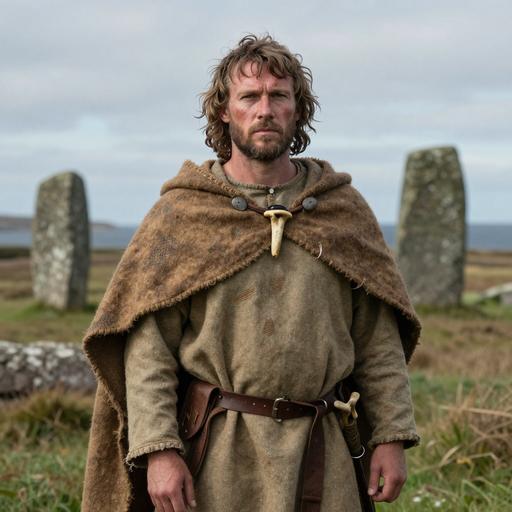
The Megalithic period in Scotland, often associated with Celtic culture, is a fascinating era characterized by the construction of large stone monuments known as megaliths. These impressive structures date back primarily to the Neolithic and early Bronze Age periods, roughly between 4000 BCE and 1500 BCE, though their influence and legacy continued into later periods.
Landscape and Geography
Megalithic sites are scattered across the diverse landscapes of Scotland, from the windy Outer Hebrides to the lush Central Lowlands and the rugged Highlands. The natural environment played a crucial role in shaping the cultural expressions of the people during this period. The availability of different types of stone, such as sandstone, granite, and limestone, which are prevalent in various parts of Scotland, influenced the construction techniques and styles.
Types of Megalithic Structures
Standing Stones and Stone Circles: Scotland is famous for its standing stones, such as those at the Ring of Brodgar and the Callanish Stones. These circles and alignments often have astronomical significance and were possibly used for ceremonial or ritual purposes. The precise reasons for their construction remain a source of intrigue and scholarly debate.
Chambered Cairns and Passage Graves: These are burial monuments featuring stones arranged to form chambers and passages. Notable examples include Maeshowe in Orkney, where intricate stonework and alignments with celestial events such as the winter solstice are observed. The interior chambers, often richly adorned, suggest significant ritualistic functions associated with death and ancestry.
Henges and Stone Rows: Unlike the monumental circles, henges typically consist of a circular ditch with a bank and occasionally feature internal stone settings. Their purpose varies from open-air gathering places to sites of ceremonial importance. Stone rows, on the other hand, usually connect to larger monument complexes and might have served as processional routes or territorial markers.
Cultural and Social Context
The society that built these structures is believed to have been largely agrarian, relying on farming, fishing, and hunting. The construction of megalithic monuments indicates a sophisticated understanding of engineering and logistics, suggesting the presence of organized societies with social hierarchies capable of mobilizing labor.
The influence of Celtic culture on later interpretations of these monuments is significant, though the extent of such influence during their initial construction phase is debated. By the Iron Age, distinctly Celtic languages and cultures had emerged in Scotland, often overlaying earlier prehistoric traditions with new mythologies and societal changes.
Spiritual and Astronomical Significance
Megalithic structures often have alignments to significant solar and lunar events. Such alignments underscore the importance of astronomic observations for agricultural cycles and spiritual rituals. The monuments are believed to reflect cosmological worldviews where the landscape was seen as a living, interconnected system imbued with spiritual significance.
Legacy and Influence
The endurance of these monuments has made them central to Scotland's cultural heritage, captivating both locals and visitors. They continue to inspire modern artistic, cultural, and spiritual expressions, contributing to our understanding of continuity and change in Scottish history.
Archaeological Investigations
Ongoing archaeological studies aim to uncover more about the chronological development, societal organization, and cultural practices of the megalithic builders in Scotland. Technological advancements, such as LIDAR and ground-penetrating radar, enable researchers to discover new sites and better understand already known ones.
Conclusion
Megalithic Scotland represents a profound intersection of landscape, culture, and spirituality. The structures left behind by these early societies continue to evoke a sense of mystery and wonder, offering a tangible link to Scotland's ancient past and the people who shaped it. While much about these monuments remains enigmatic, they undeniably form a crucial part of Scotland's historical narrative, reflecting both the past’s complexity and its enduring influence on subsequent cultural developments.