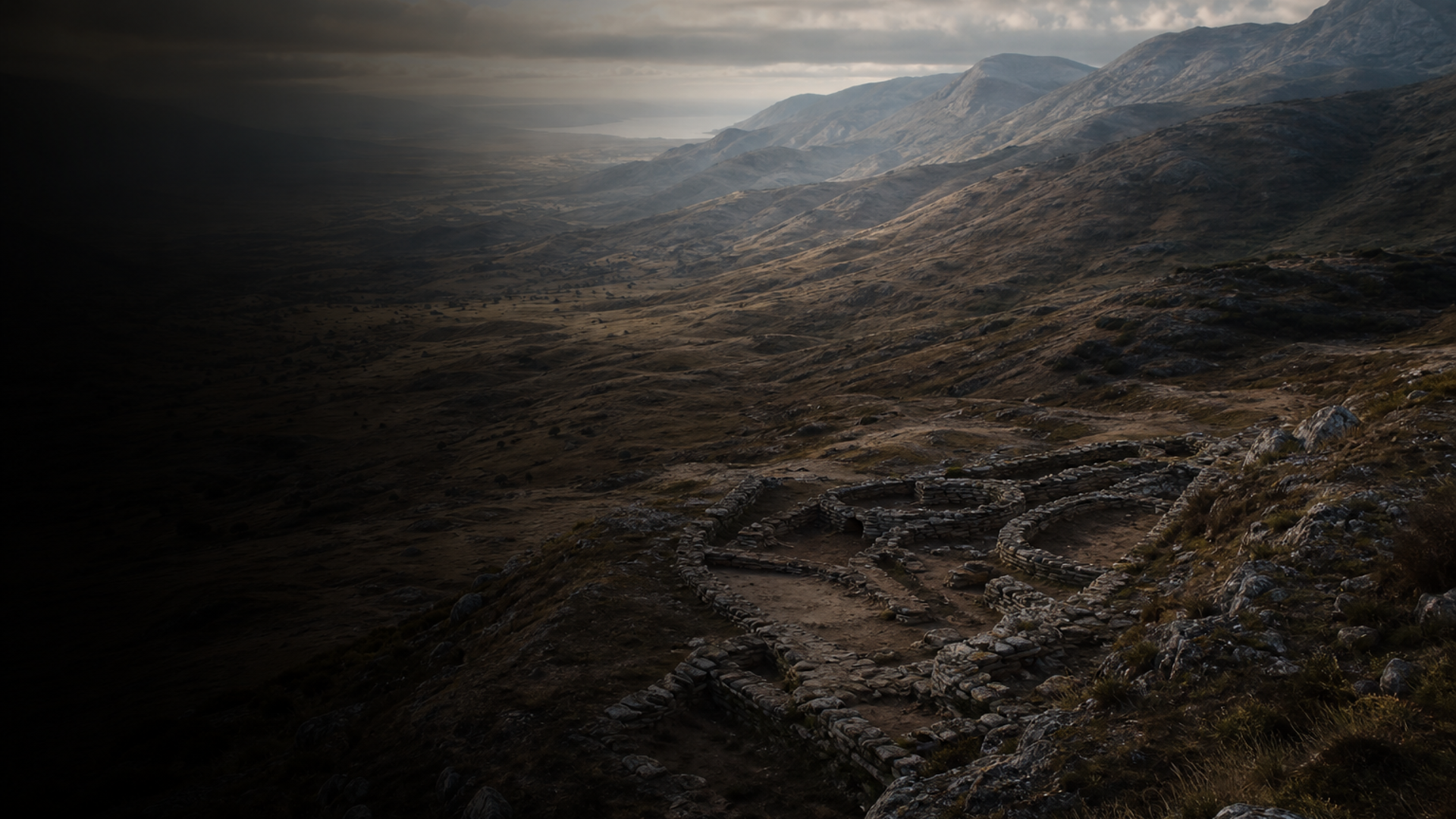
Archaeological traces from Early Bronze Age Albania suggest communities organized around mixed farming, herding, and localized craft production. In the dramatic landscapes of the Kukës District, seasonal pasturing and cultivation of cereals likely structured household economies; stone-built terraces, storage pits, and ceramics at nearby sites reflect practical adaptation to upland life. Burial practices from the era show variation in treatment of the dead — crouched interments, isolated graves, and occasional grave goods — indicating social differentiation, ritual behaviors, and connections to wider exchange networks.
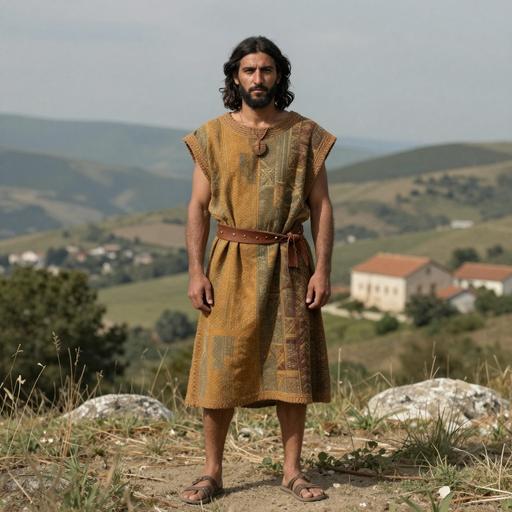
From the vantage of a single Çinamak individual, we must imagine daily life in cinematic, but cautious, strokes: a life shaped by steep valleys and fast rivers, by the rhythm of seasons and movement of flocks. Craft specialists — potters, metalworkers, shepherds — may have moved between valley and upland, carrying goods and ideas. Trade in metal and raw materials across the Balkans and Adriatic would have introduced new objects and possibly social practices, but the specifics for Çinamak remain archaeological hypotheses until further excavations and comparative analyses provide clearer context.