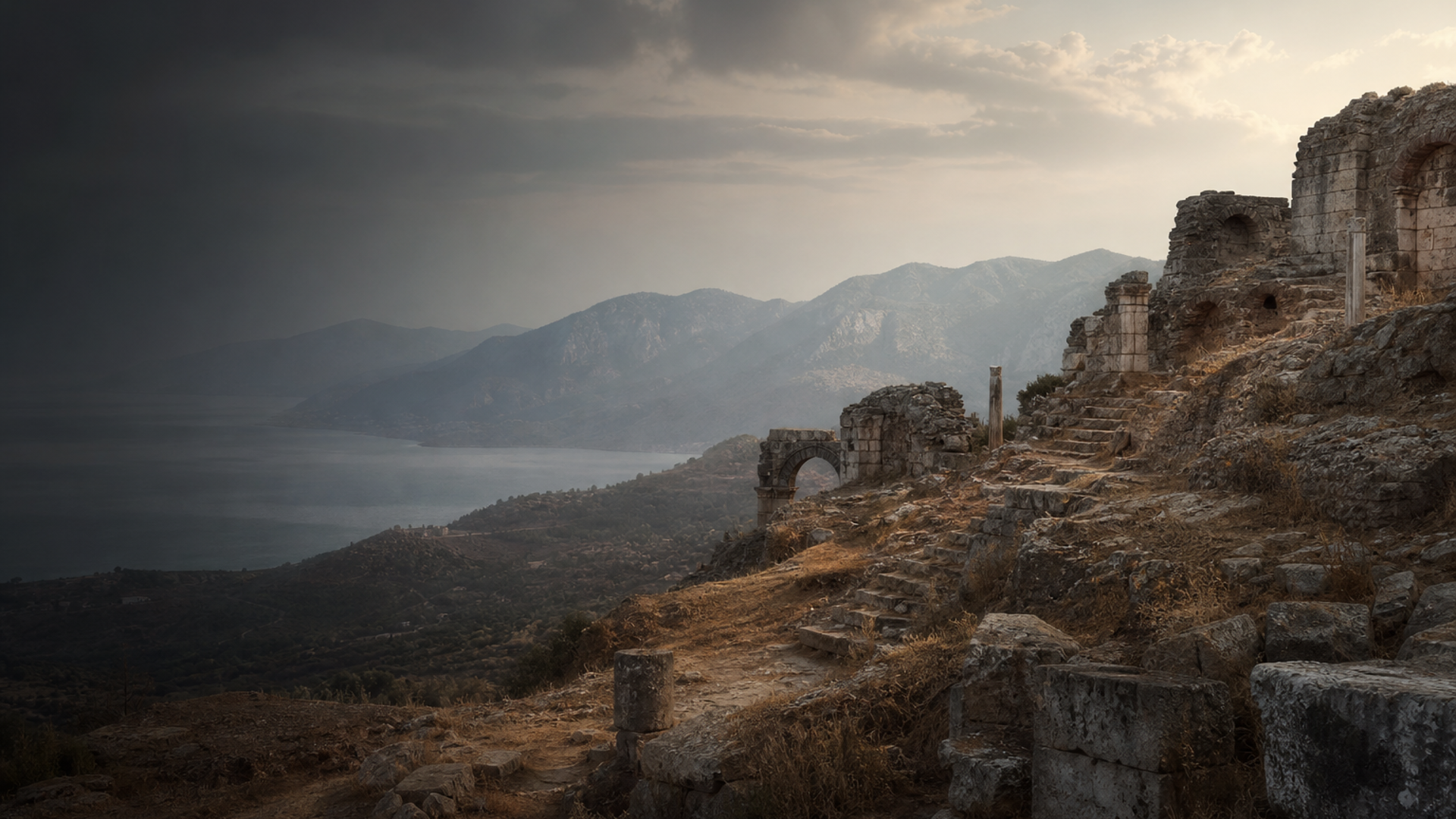
Stone, mortar and bone reconstruct everyday rhythms: basilicas and parish churches were not only liturgical centers but also community anchors where births, baptisms, deaths and memory converged. At Stratonikeia and Lagina, urban quarters and sanctuary precincts give evidence for craft production, market activity, and pilgrimage economies that linked Aegean ports with interior Anatolia. In Iznik, archaeological strata reveal repair and reuse of civic architecture, pointing to episodes of prosperity and strain as trade routes and imperial priorities shifted.
Burial practice — orientation, grave construction, and occasional grave goods — reflects Christian funerary norms tempered by local tradition. Osteological markers show workloads consistent with mixed agricultural, artisanal and transport economies; stable isotope data (where available) can help distinguish local diet patterns from those of newcomers. Archaeological layers suggest periodic demographic change: episodes of population influx associated with military logistics or refugee movements, and quieter phases of rural continuity.
Architectural traces, inscriptions and everyday finds form a cinematic mosaic of life in Byzantine Anatolia: bustling market days, liturgical processions through basilica aisles, and the regular cadence of rural labor. Yet the archaeological record is patchy; local nuances vary by site and period, and many social practices leave ephemeral traces.