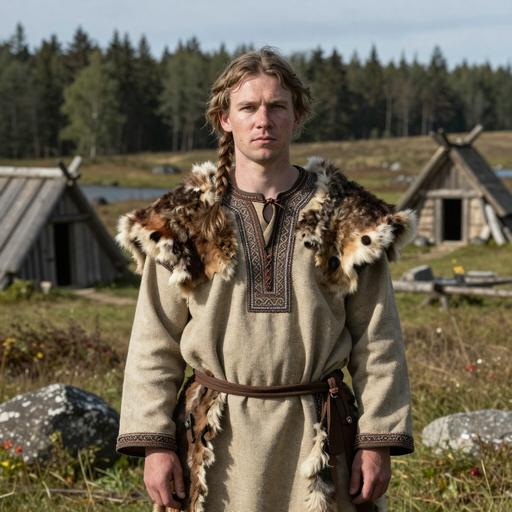
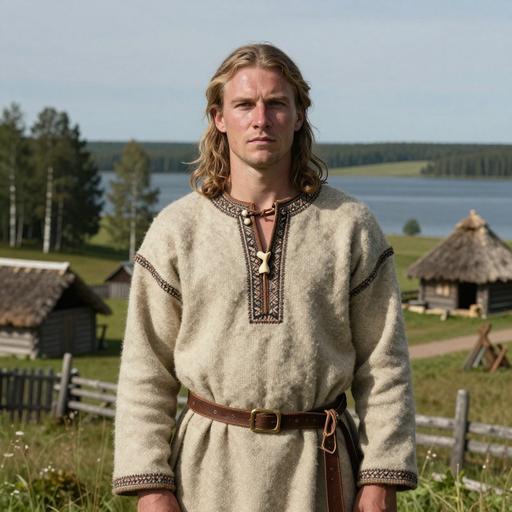
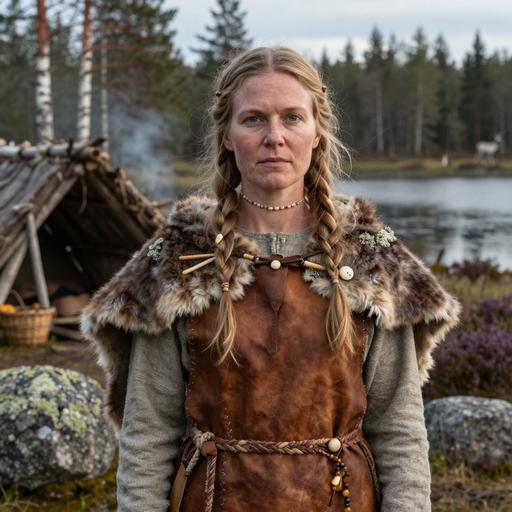
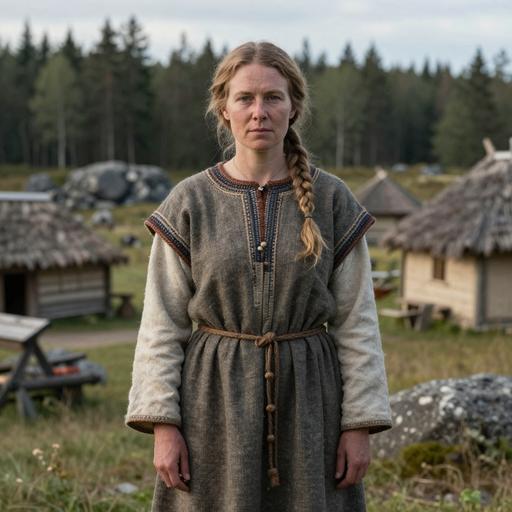
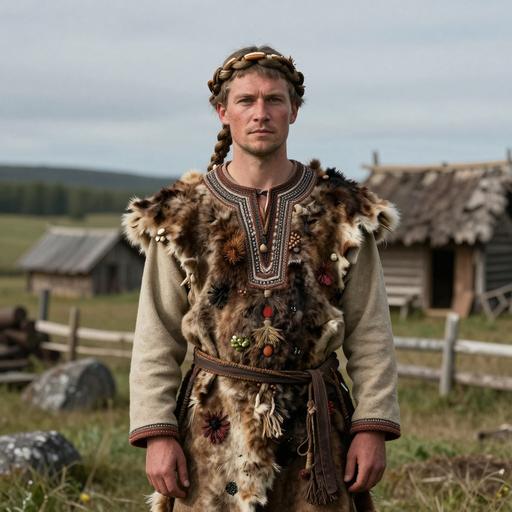
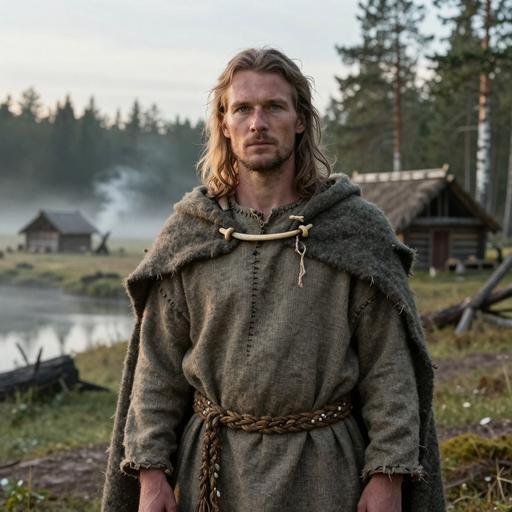
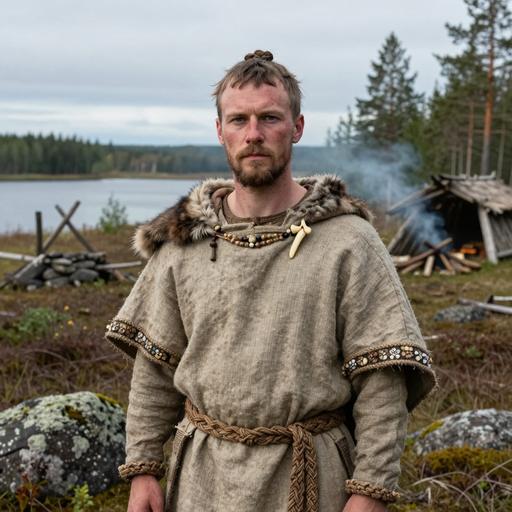
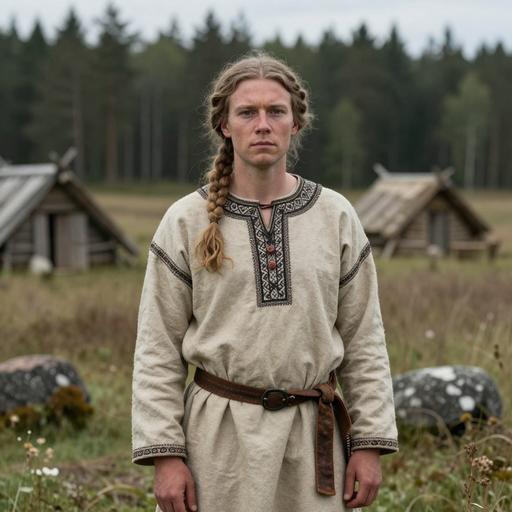
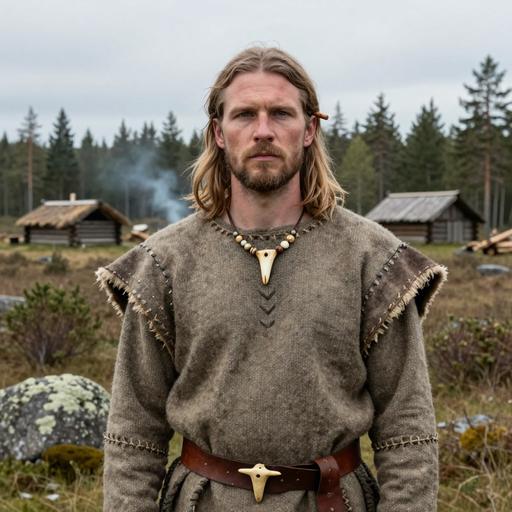
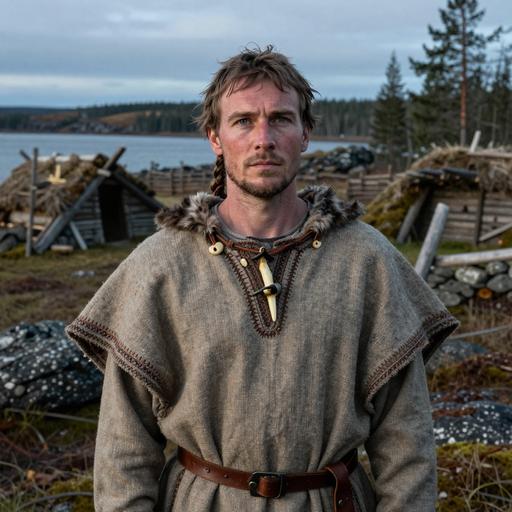
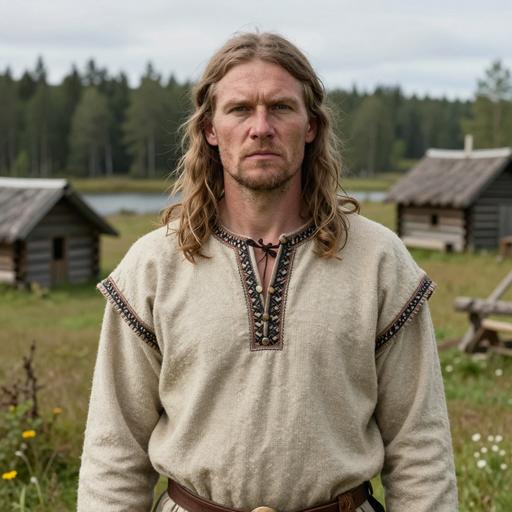
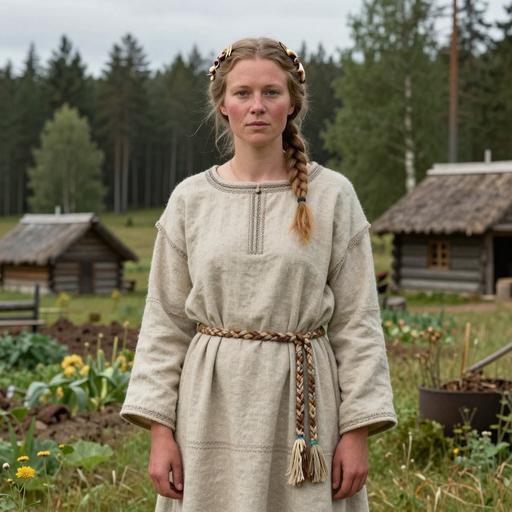
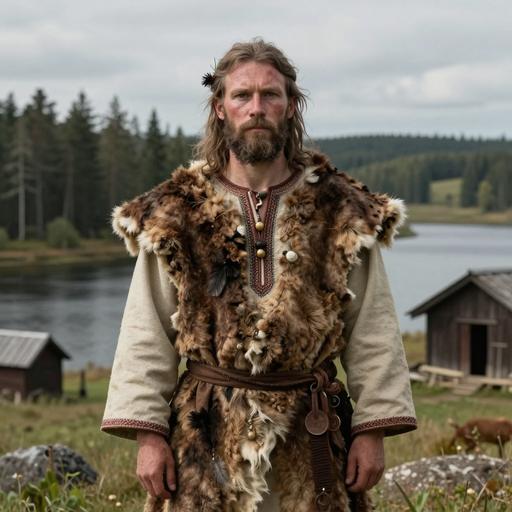
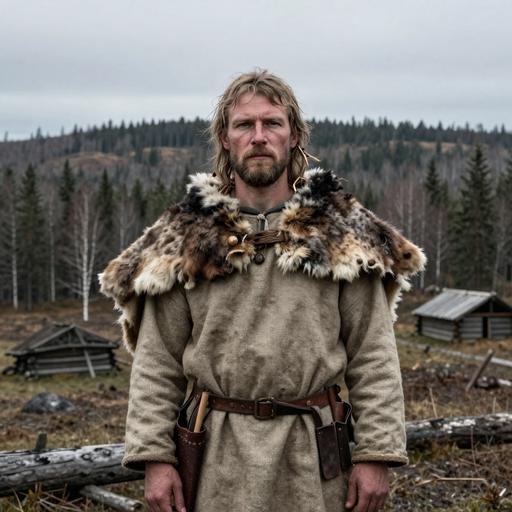
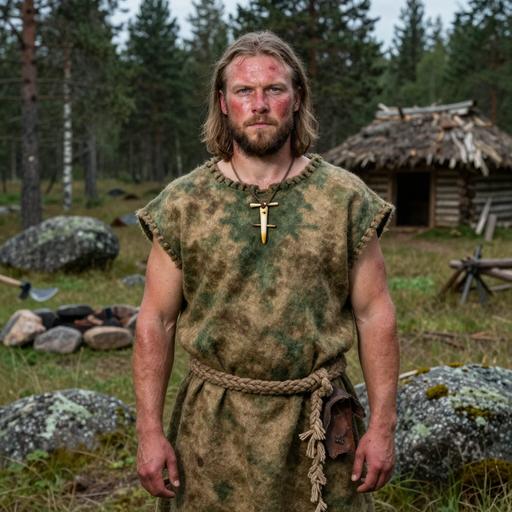
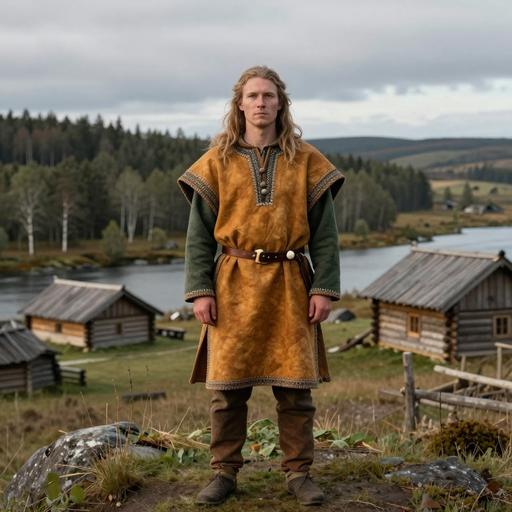
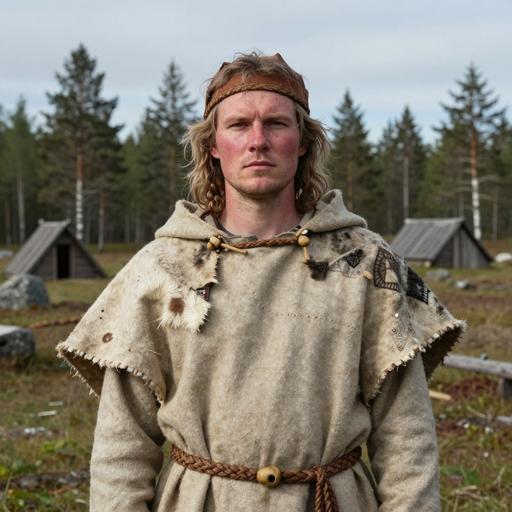
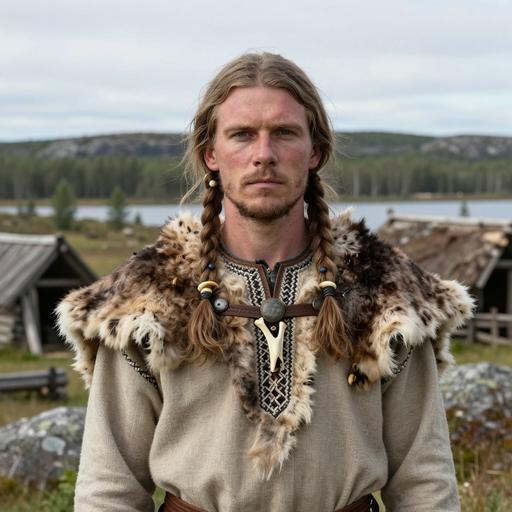
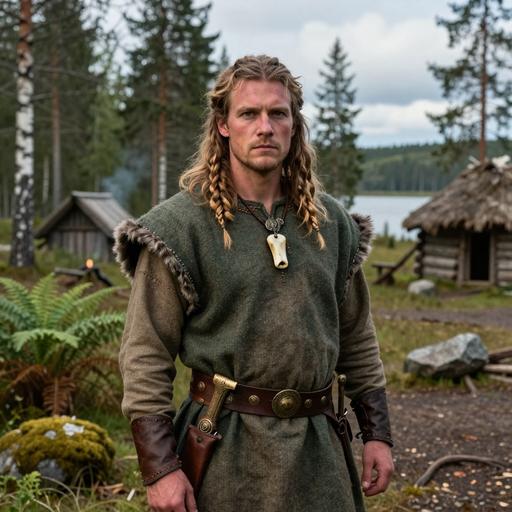
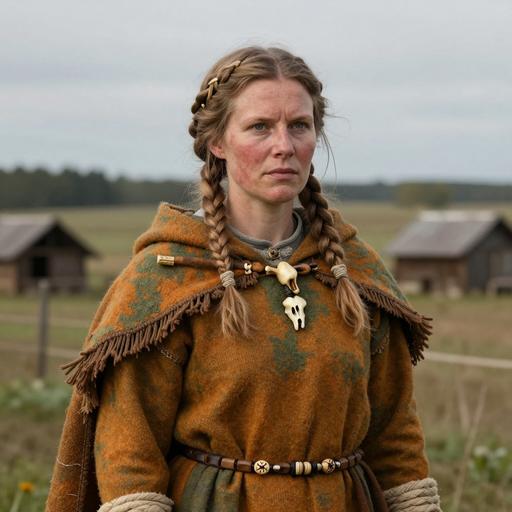
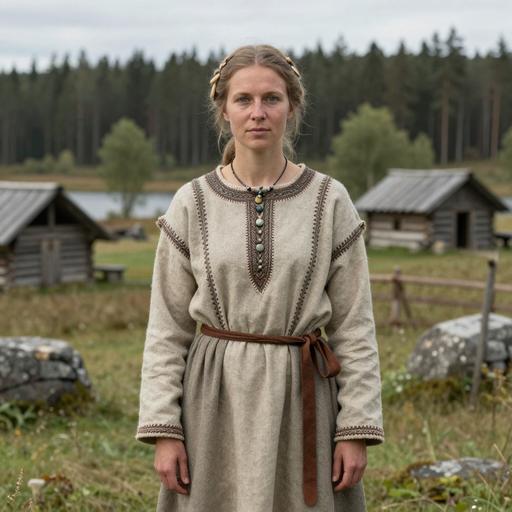
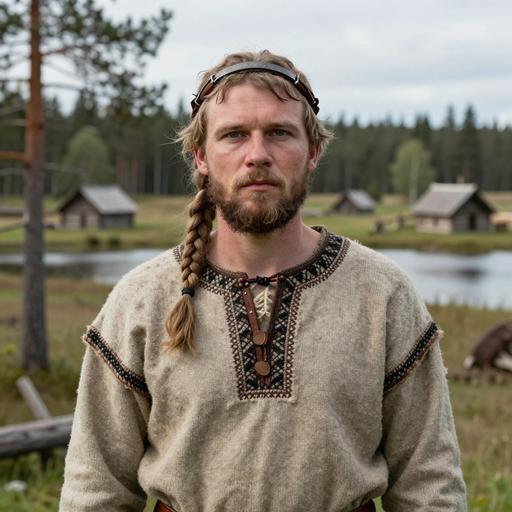
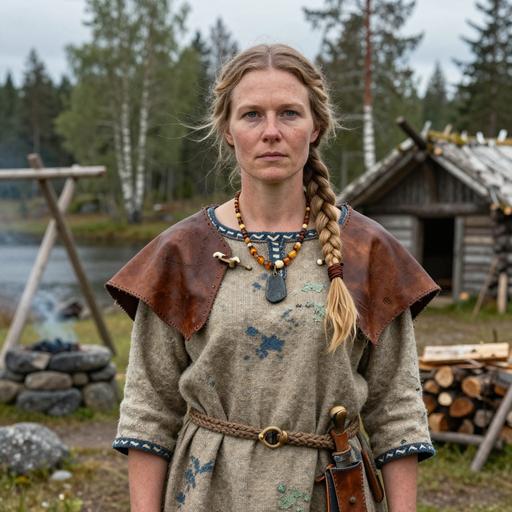
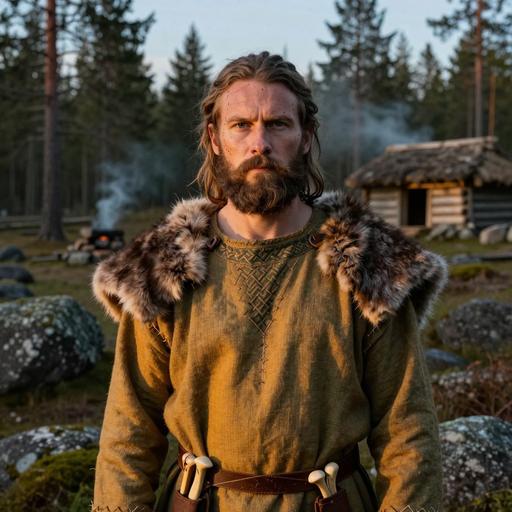
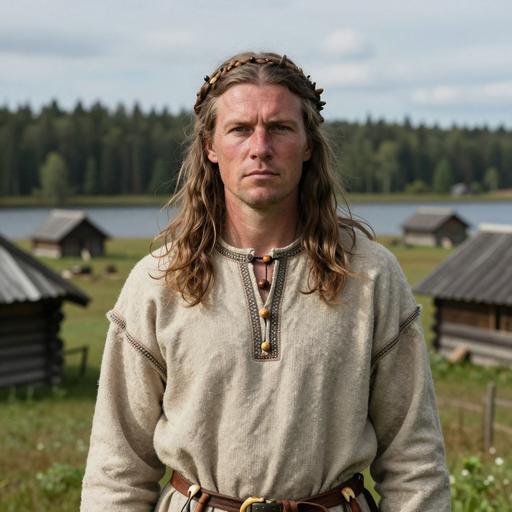
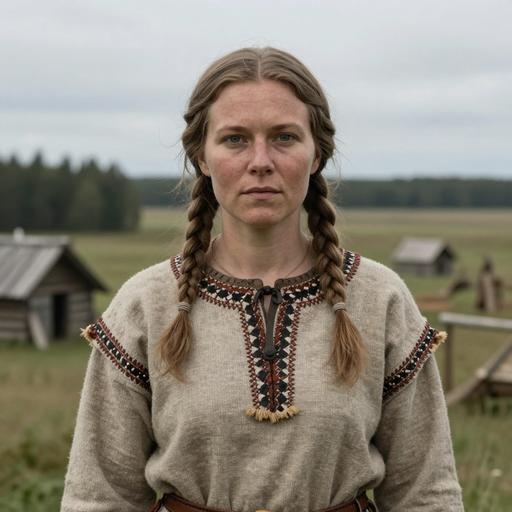
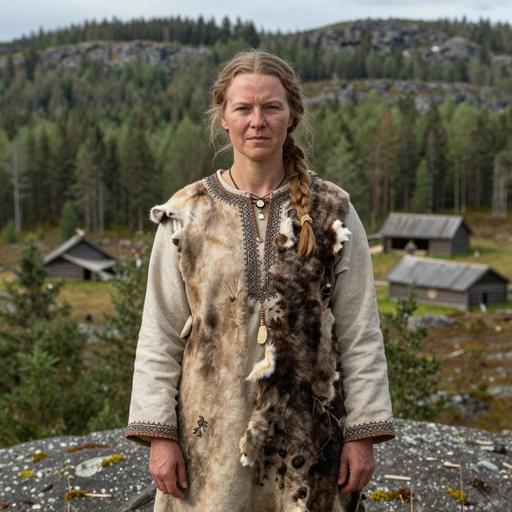
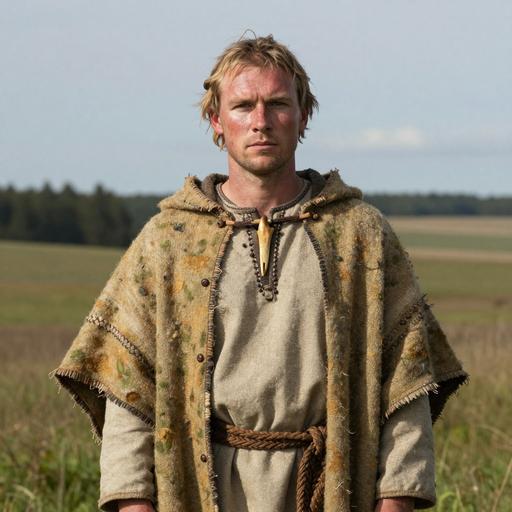
Archaeological and genetic evidence from 49 individuals at Frälsegården (3350–2633 BCE) reveals a coastal Neolithic community in northern Sweden. mtDNA diversity points to hunter‑gatherer and farmer maternal lineages; Y‑lineages are poorly reported. Interpretations remain cautious but revealing.
The interactive map is unavailable. Browse the sample catalog for recorded locations.
Timeline
2500 BCE
Frälsegården occupation peak (approx.)
Archaeological and genetic evidence indicates substantial local occupation and mixed subsistence strategies around 2500 BCE at Frälsegården.
Origins & Emergence
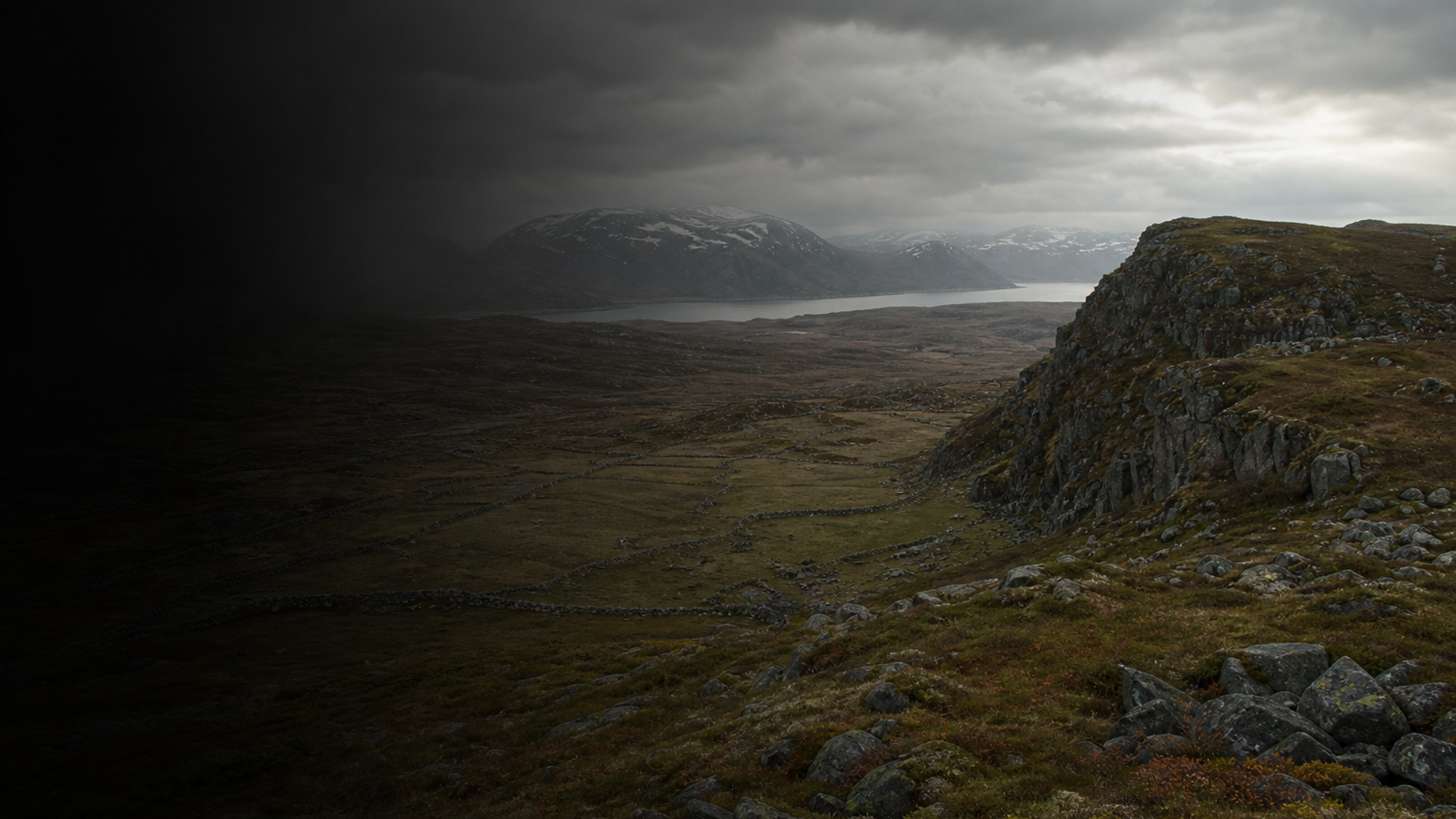
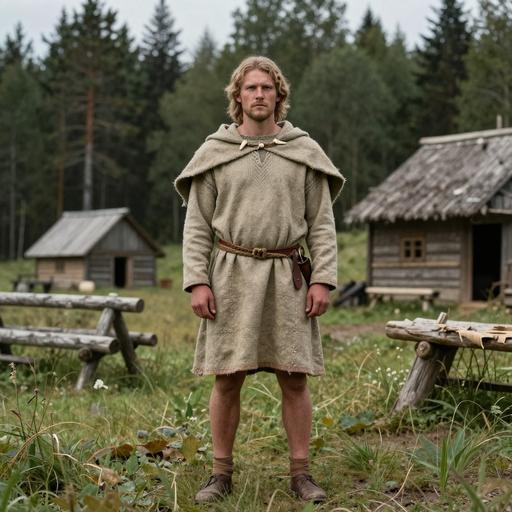
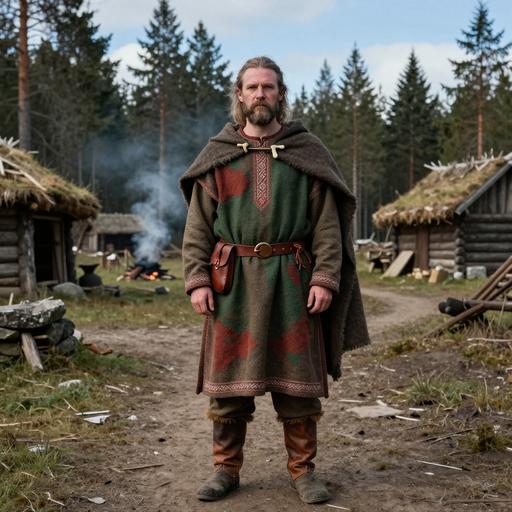
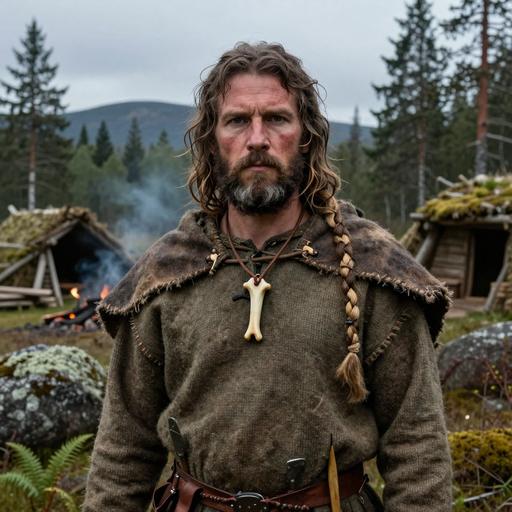
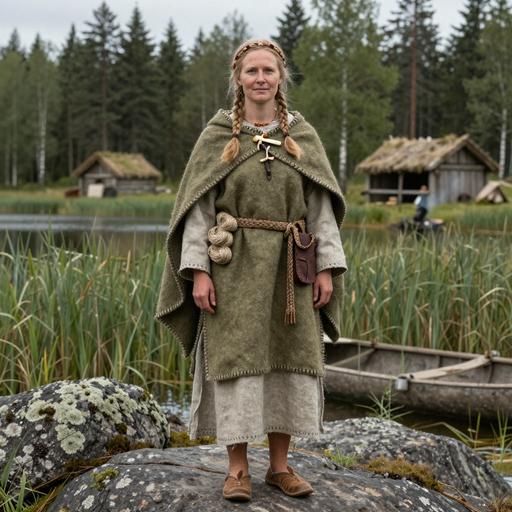
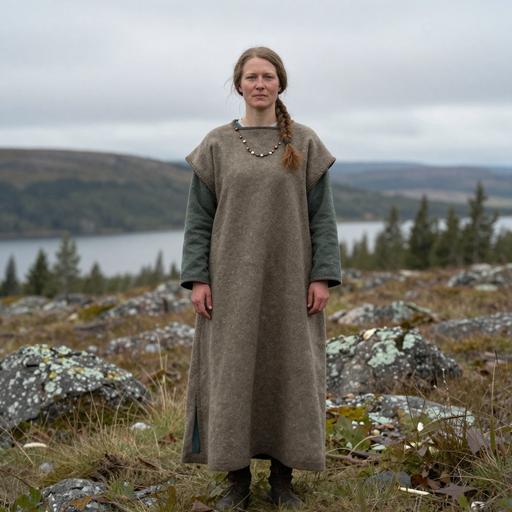
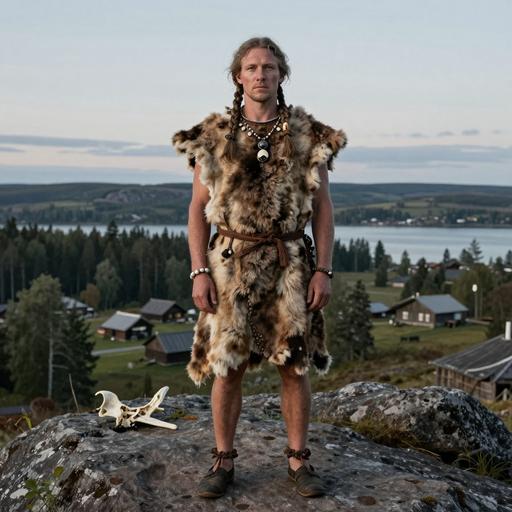
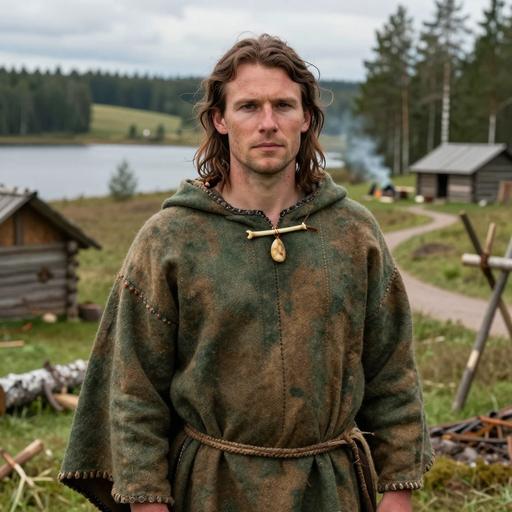
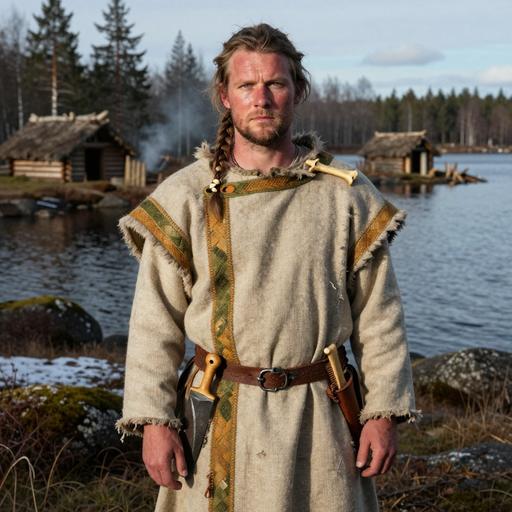
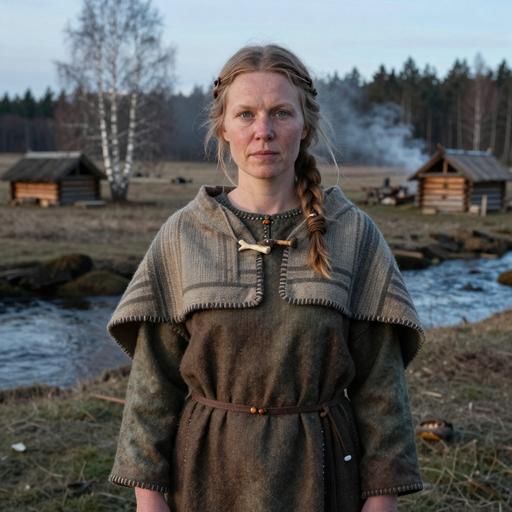
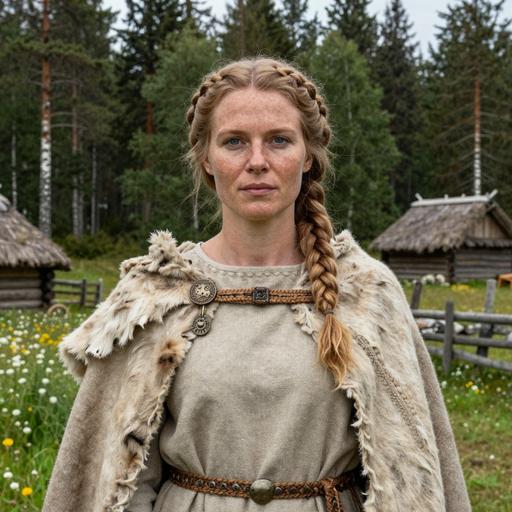
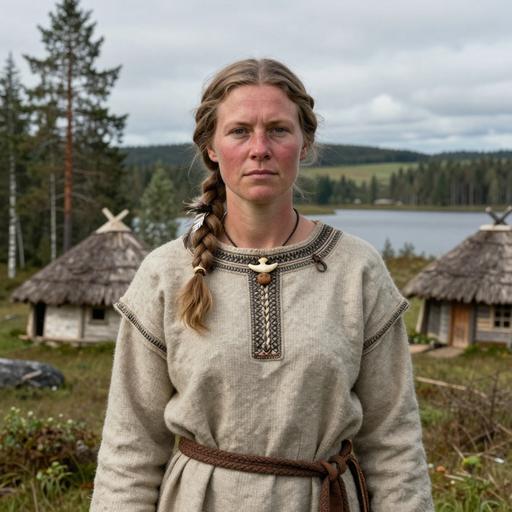
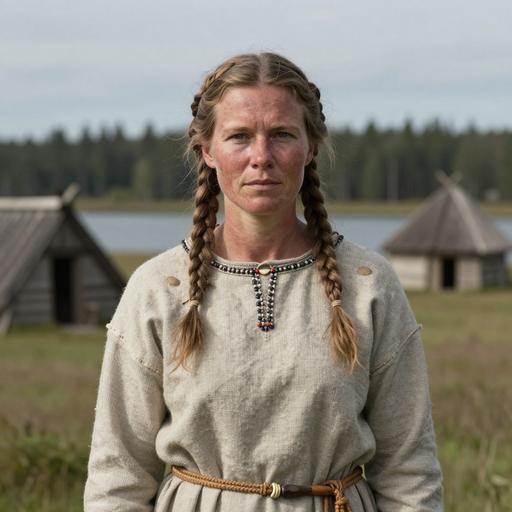
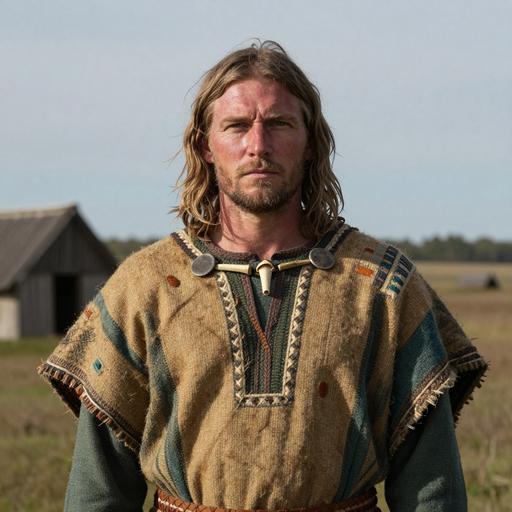
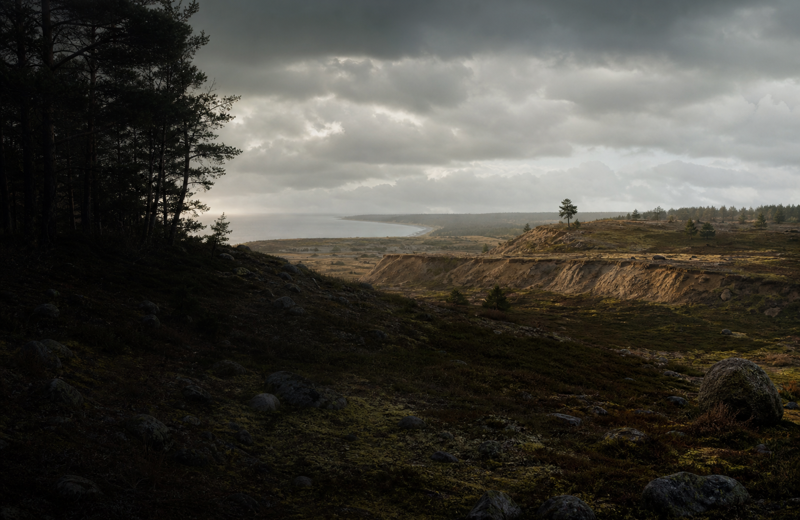
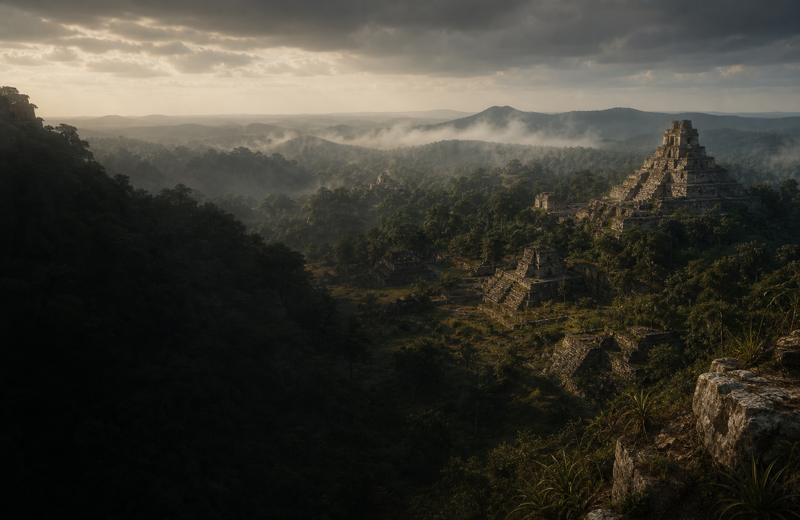
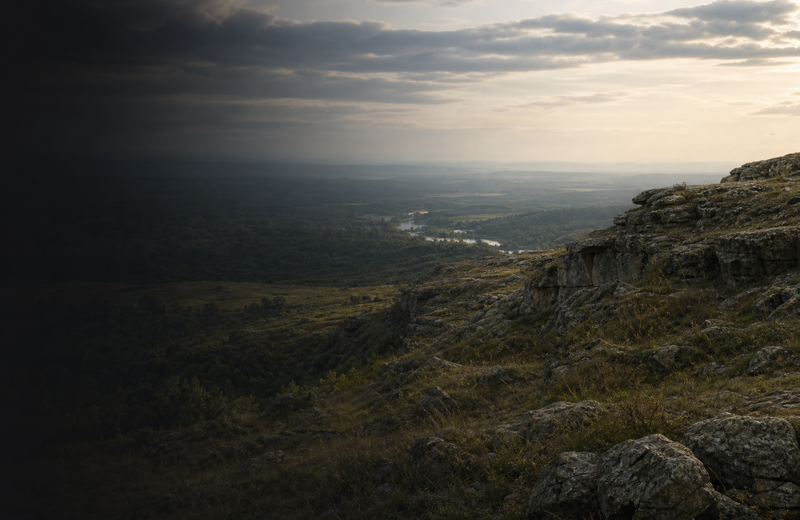
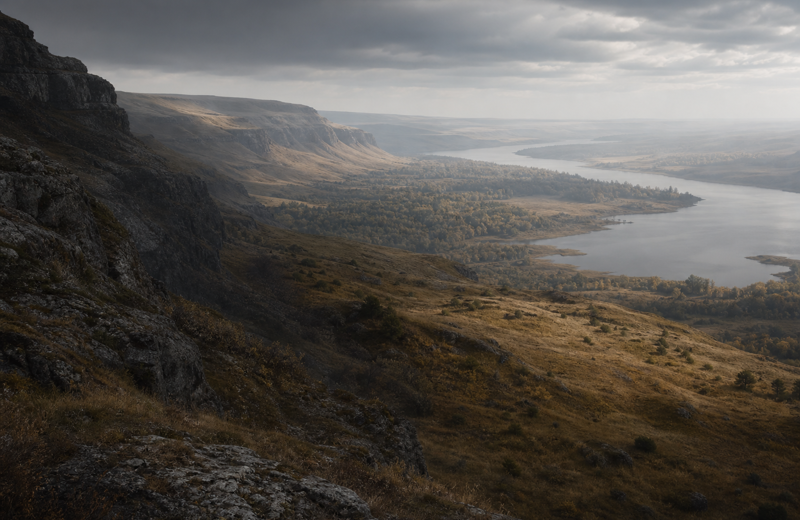
The human story at Frälsegården unfolds along a rocky northern coast where maritime horizons meet inland forests. Radiocarbon dates that bracket the assemblage to 3350–2633 BCE place these people in the late Neolithic — a time of accelerating contact between long‑established hunter‑gatherer groups and communities practicing agriculture. Archaeological data indicates settlement traces, hearths, ceramic fragments and worked stone tools recovered from excavations at Frälsegården. These material traces suggest a community adapting to both sea and field: fishing, seal and bird exploitation, and limited cereal cultivation or exchange.
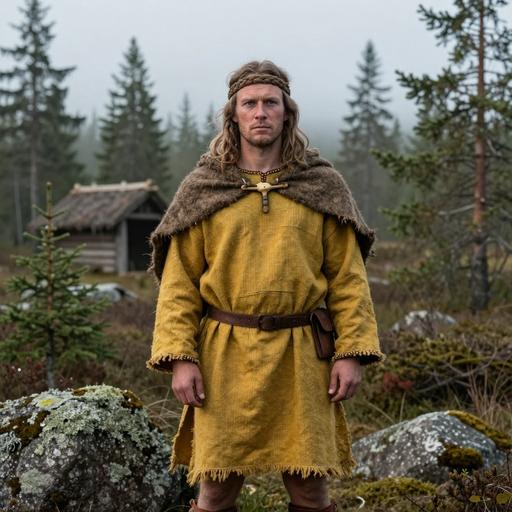
Culturally, the assemblage sits within what archaeologists label Northern Swedish Frälsegården traditions: local expressions of wider Neolithic developments in Scandinavia rather than a sudden population replacement. The cinematic interplay of fractured shorelines, middens and graves hints at seasonal rhythms and long‑distance ties — trade in stone, shared pottery styles and exchange networks that carried ideas and genes. Genetic data from 49 samples provide an increasingly precise lens on origins: maternal lineages include haplogroups tied to both Mesolithic foragers and incoming farming groups. However, patterns of mobility, the timing of any demographic shifts, and the roles of maritime versus terrestrial connections remain subjects of active research and cautious interpretation.
Dates place the community in the late Neolithic (3350–2633 BCE).
Archaeological features show mixed marine and terrestrial subsistence.
Material culture reflects local Northern Swedish Frälsegården traditions.
Daily Life & Society
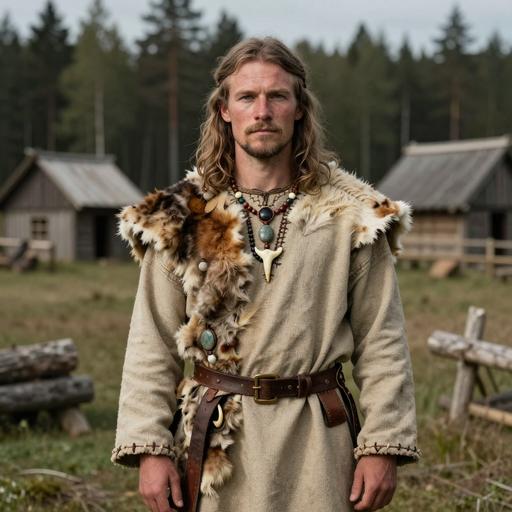
Archaeological contexts at Frälsegården paint a vivid, sensory picture: smoke‑darkened pottery, the glint of polished stone tools, and middens layered with fish bones and shell. Osteological and archaeozoological remains indicate a diet that relied heavily on coastal resources — fish, seals, and sea birds — supplemented by domesticated cattle, sheep/goat and cereal products where palynology and charred plant remains are preserved. Wooden implements and bone tools, when recovered, suggest skilled craft traditions adapted to a maritime environment.
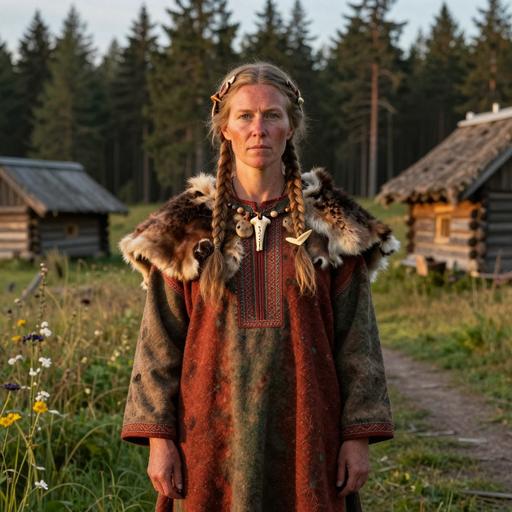
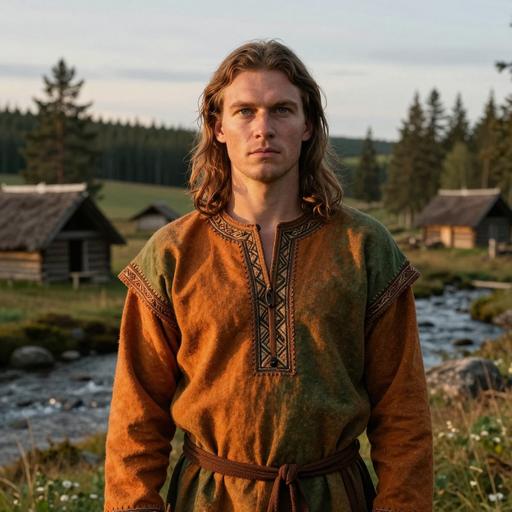
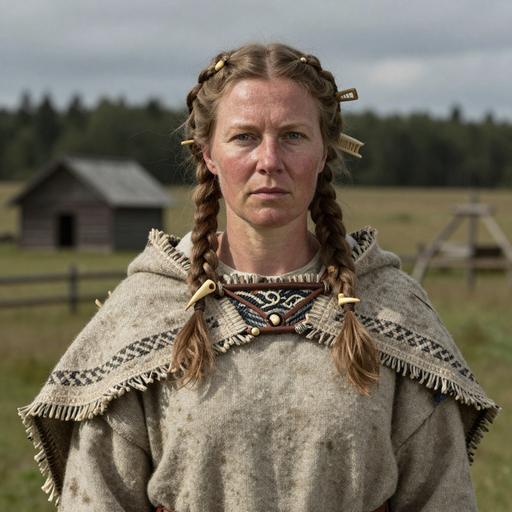
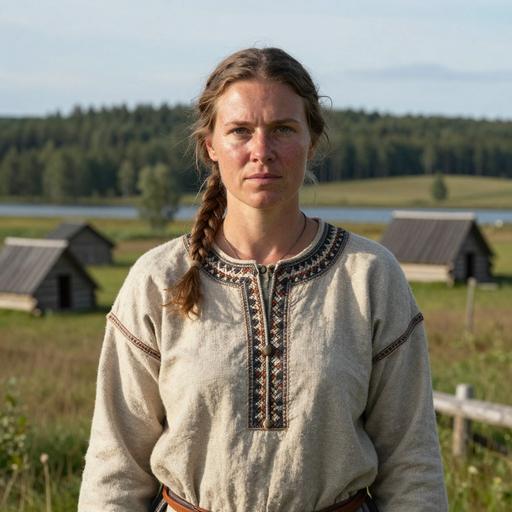
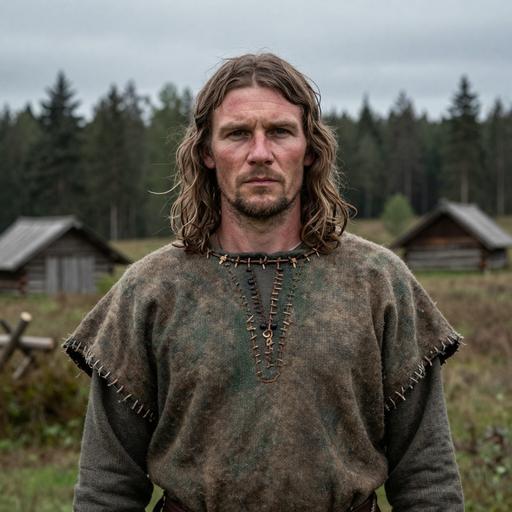
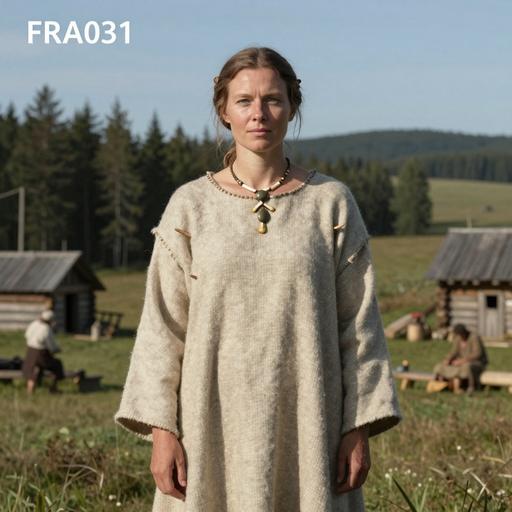
Social life likely revolved around seasonal rounds and kin networks. Burials (where present) appear modest and integrated into the settlement landscape rather than monumental, implying household‑level social practices. Variation in grave goods and burial positioning is limited, which may indicate relatively egalitarian social structures typical of many Neolithic northern communities; however, absence of elaborate monuments does not preclude status differences expressed in perishable ways or through control of seasonal resources. Artifact styles indicate exchange and communication with neighboring coastal and inland groups, showing Frälsegården as part of broader Scandinavian interaction spheres. Overall, archaeological data indicates a community negotiating the rhythms of sea and soil, blending inherited forager lifeways with new practices adopted through contact.
Diet dominated by marine resources with supplemental domesticated animals and cereals.
Material culture reflects skilled coastal crafts and interregional exchange.
Genetic Profile
The genetic dataset from Frälsegården comprises 49 individuals — enough to reveal recurring maternal patterns but requiring caution in overinterpretation of fine‑scale population structure. Mitochondrial DNA is informative: haplogroup U (10 individuals) is the most frequent maternal lineage and is commonly associated with Mesolithic hunter‑gatherers across northern Europe. Haplogroups T (6), T2b (5), J (5) and H (4) appear at appreciable frequencies; these lineages are often linked to Neolithic farmer-associated maternal pools in Europe and the Near East. The coexistence of U alongside H, T and J suggests maternal ancestry reflecting admixture between local forager‑descended women and mothers whose lineages trace to farming populations or networks connected to Neolithic expansions.
Importantly, Y‑chromosome data are limited or not consistently reported for this assemblage, so male‑line continuity and patterns of patrilineal descent remain unclear. Autosomal patterns — where available — point toward a mosaic ancestry consistent with northern European Neolithic populations: a substantial local hunter‑gatherer component mixed with incoming farmer-related ancestry. Given the time span (mid‑to‑late 4th to early 3rd millennium BCE), some individuals may also show early signals of Steppe‑related ancestry seen elsewhere in northern Europe, but site‑level evidence is preliminary and requires more samples and formal modelling. In sum: the Frälsegården genetic landscape is one of admixture and local continuity, revealed most clearly through maternal lineages but incompletely characterized without robust paternal data.
mtDNA mix: U dominant (10), with H, T, T2b, J present — indicates mixed maternal ancestry.
The genomes preserved at Frälsegården offer a tangible link between ancient coastal lives and present‑day populations. Maternal haplogroups like U and H persist into modern northern European gene pools, and the admixture patterns observed here echo broader regional processes that shaped the genetic landscape of Scandinavia: the blending of Mesolithic forager ancestry with Neolithic farmer inputs, followed in some regions by later movements. For ancestry platforms, the Frälsegården dataset is valuable for refining models of continuity and change in Sweden, particularly for people whose genealogies trace to northern coastal regions.
Caution is essential: while 49 samples provide a meaningful window, they do not capture the full diversity of past populations or the complexity of later demographic events. Local continuity of some maternal lineages does not imply direct one‑to‑one descent for any modern individual. Instead, Frälsegården should be seen as a chapter in a long, palimpsestic history: genomes, artifacts and landscapes layered over millennia. As ancient DNA sampling expands and Y‑chromosome and autosomal data grow, we will refine how these Neolithic coastal communities contributed to the genetic tapestry of northern Europe.
Maternal haplogroups from Frälsegården contribute to long‑term patterns seen in northern Europe.
49 samples give important signals but do not capture full regional diversity; further sampling needed.
Northern Swedish Frälsegården - Sweden - Frälsegården
Sweden Sweden_Fralsegarden_N 3262-2930 calBCE (4420±15 BP; UCIAMS-278071)
mt: U5a2d
Northern Swedish Frälsegården - Sweden - Frälsegården
Sweden Sweden_Fralsegarden_N 3350 BCE
Northern Swedish Frälsegården - Sweden - Frälsegården
Sweden Sweden_Fralsegarden_N 3350 BCE
Northern Swedish Frälsegården - Sweden - Frälsegården
Sweden Sweden_Fralsegarden_N 3050-2900 BCE
mt: T
Northern Swedish Frälsegården - Sweden - Frälsegården
Sweden Sweden_Fralsegarden_N 3350 BCE
mt: H1c
Northern Swedish Frälsegården - Sweden - Frälsegården
Sweden Sweden_Fralsegarden_N 3150-2850 BCE
Y: I2a1amt: H
AI Assistant
AI Assistant
by DNAGENICS
Unlock this feature
Ask questions about the Frälsegården Neolithic Sweden culture. Our AI assistant can explain genetic findings, historical context, archaeological evidence, and modern connections.
AI-generated interpretation of genetic similarity, not proof of ancestry. Informational only, not professional advice.
Read full notice
Before you continue: the analysis you are about to generate is produced by an AI model. AI output can be incomplete, inaccurate, or simply wrong. It describes statistical genetic similarity to reference populations and is not proof of ancestry, ethnicity, identity, or descent. It is provided for informational and educational purposes only, and is not medical, diagnostic, genealogical, legal, or other professional advice. Do not rely on it to make health, financial, legal, or family decisions. To the fullest extent permitted by applicable law, DNA Genics, S.L. accepts no liability for any loss or decision arising from your use of this AI output.
Sample AI Analysis
The Frälsegården Neolithic Sweden culture represents a fascinating chapter in human history...
Genetic analysis reveals connections to earlier populations while showing evidence of unique adaptations and cultural innovations. The ancient DNA samples provide insights into migration patterns, social structures, and the biological relationships between ancient populations.
This is a preview of the AI analysis. Unlock the full AI Assistant to explore detailed insights about: