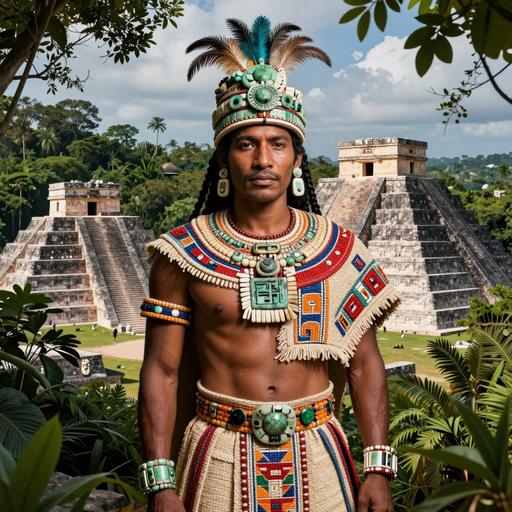
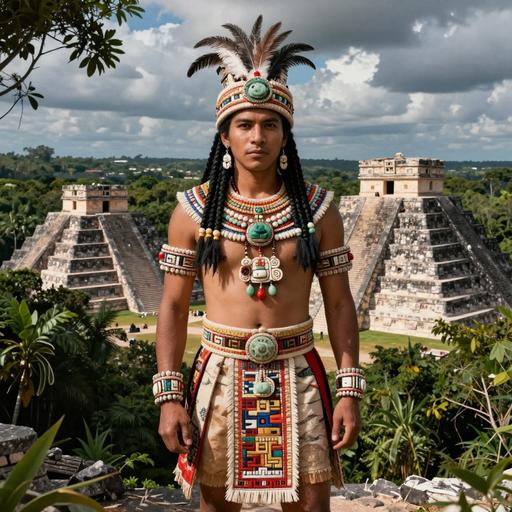
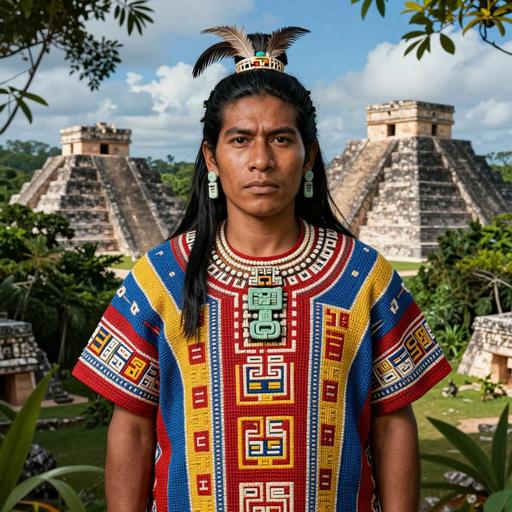
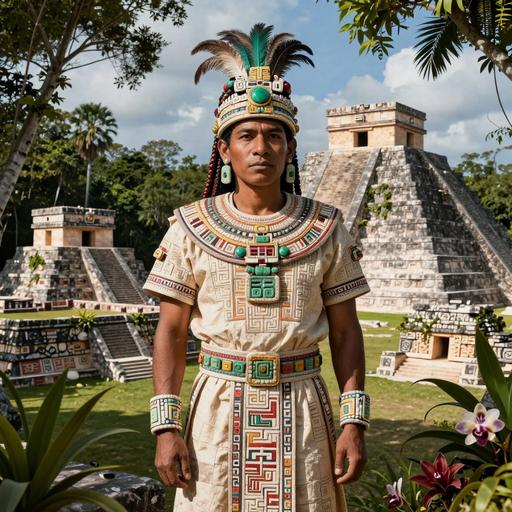
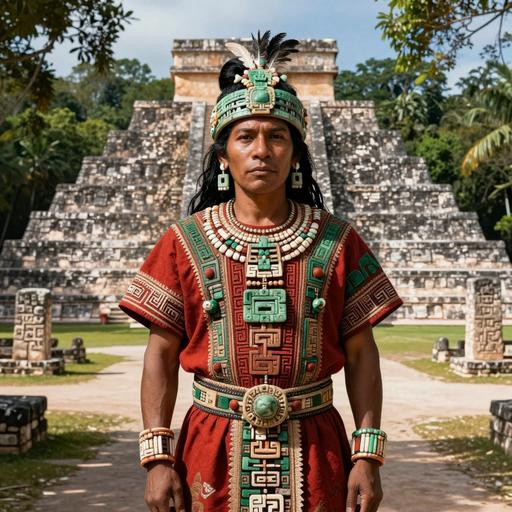
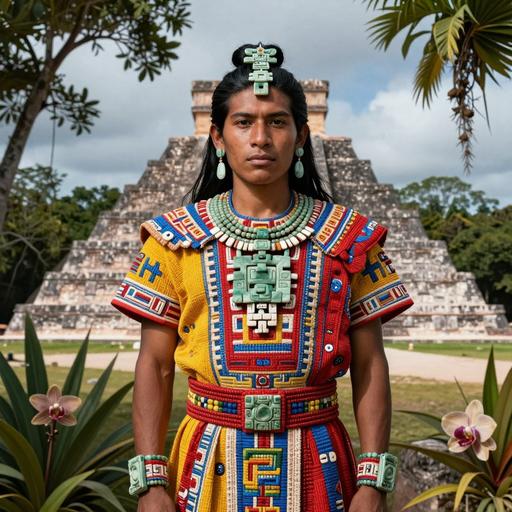
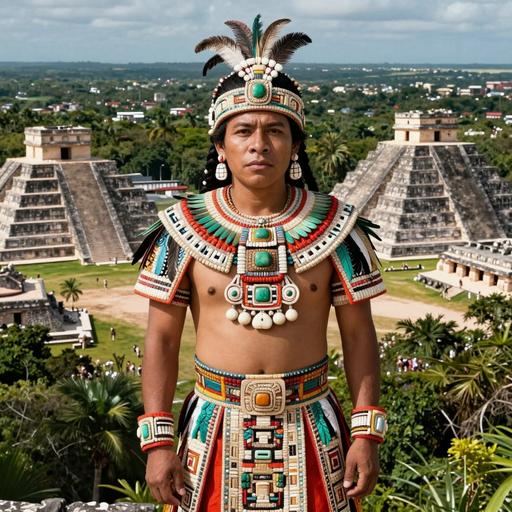
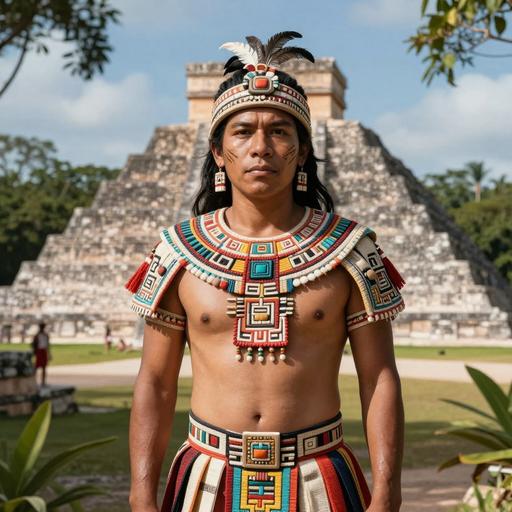
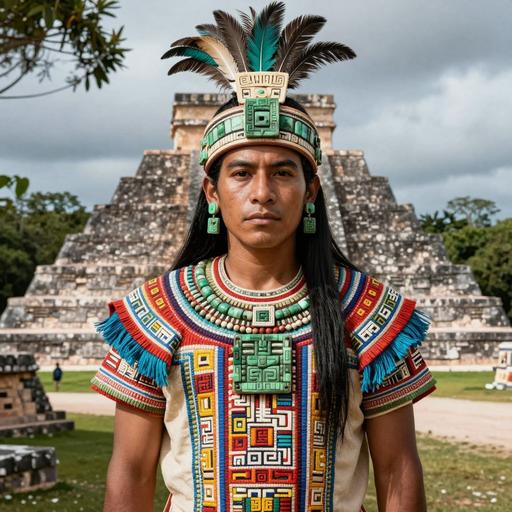
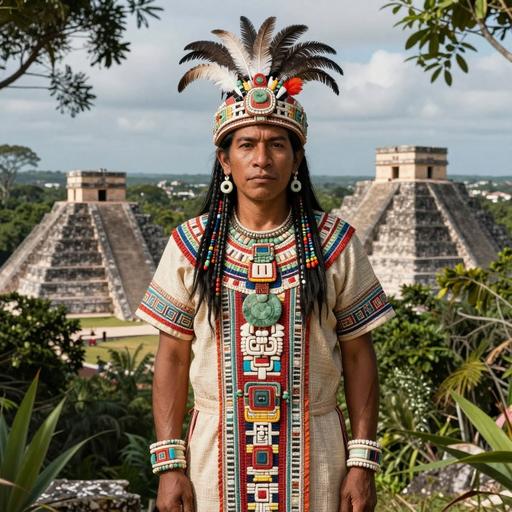
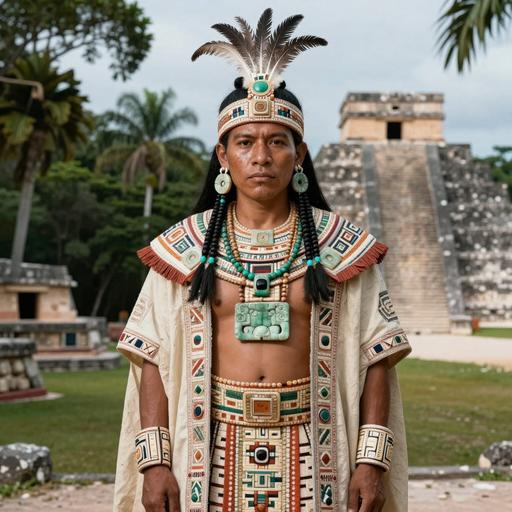
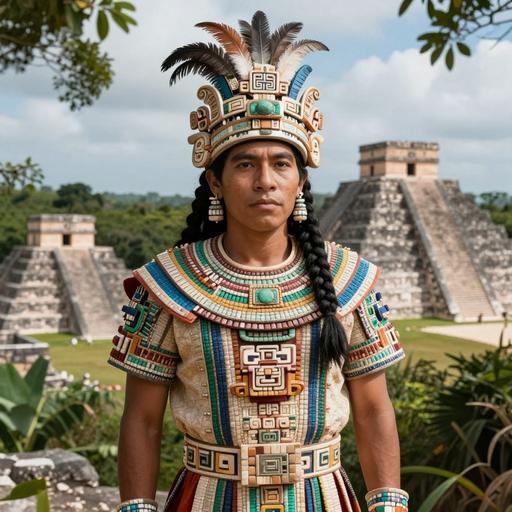
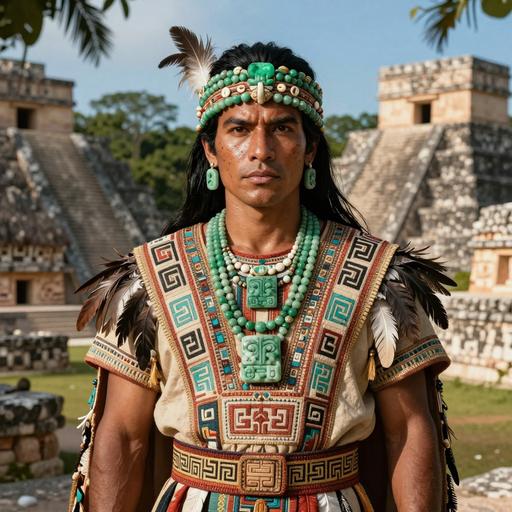
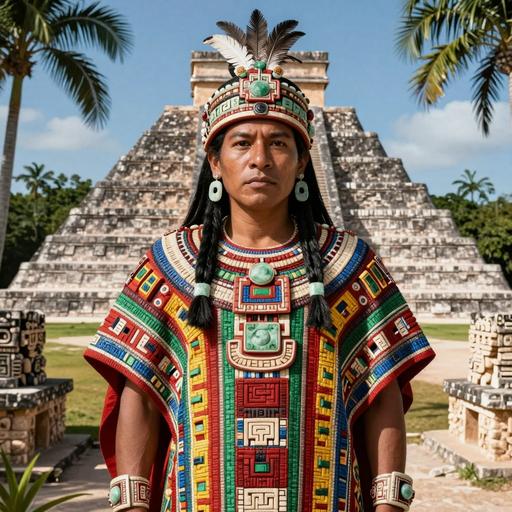
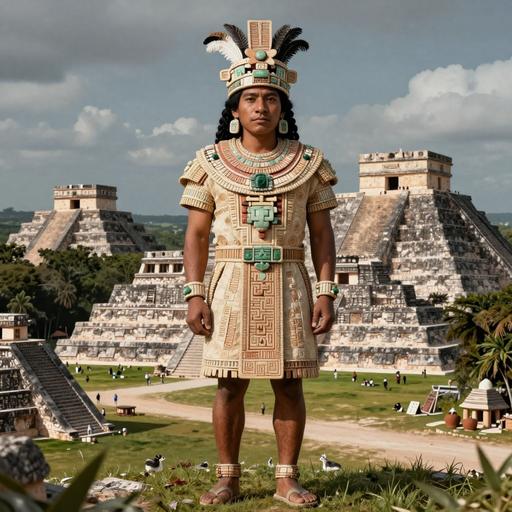
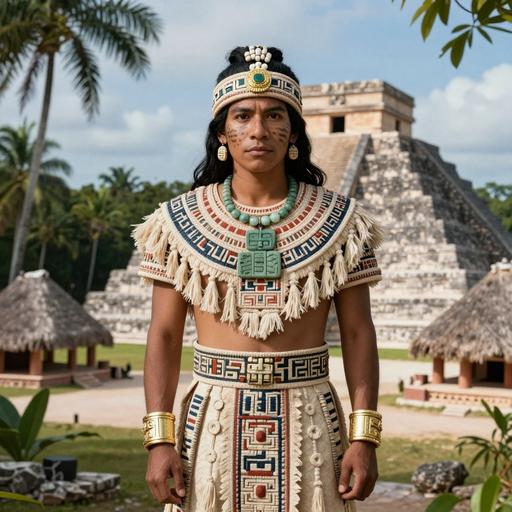
Archaeological and genetic evidence from 95 individuals at Chichén Itzá (550–1200 CE) reveals strong maternal continuity dominated by haplogroup A subclades. Findings illuminate population dynamics in the Maya Lowlands while noting site-specific limits and broader regional connections.
The interactive map is unavailable. Browse the sample catalog for recorded locations.
Timeline
550 CE
Earliest sampled burials in dataset
The dataset begins c. 550 CE, capturing late Classic transformations in the northern lowlands.
800 CE
Chichén Itzá expansion
Architectural growth and artistic exchange intensify around 800 CE, marking Chichén Itzá's rise as a regional center.
900 CE
Regional transformations
The Terminal Classic sees political rearrangements across the Maya Lowlands with shifting settlement patterns.
1200 CE
Late sampled horizon
By c. 1200 CE the site shows continued activity but changing social landscapes in the Postclassic transition.
Origins & Emergence
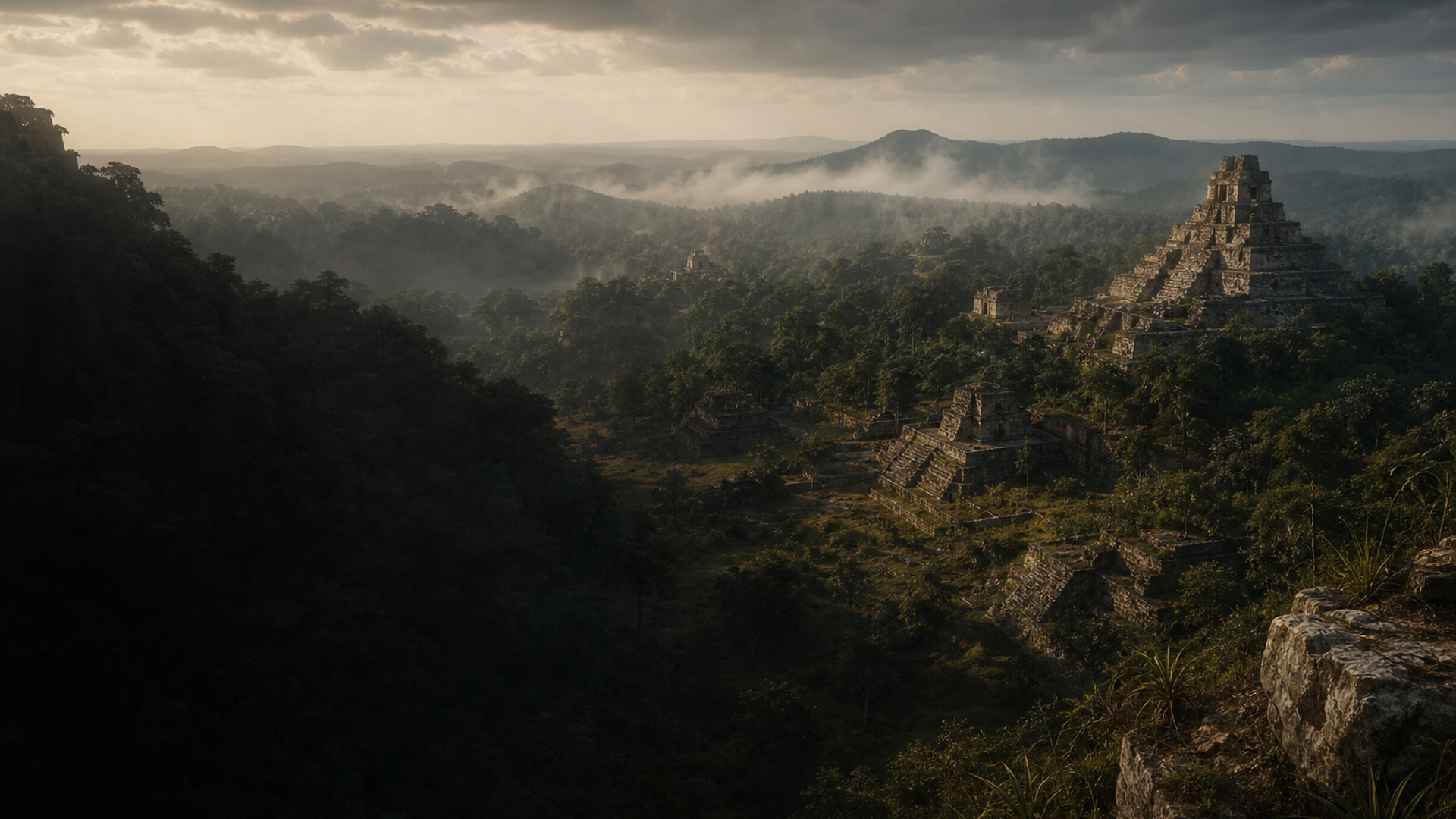
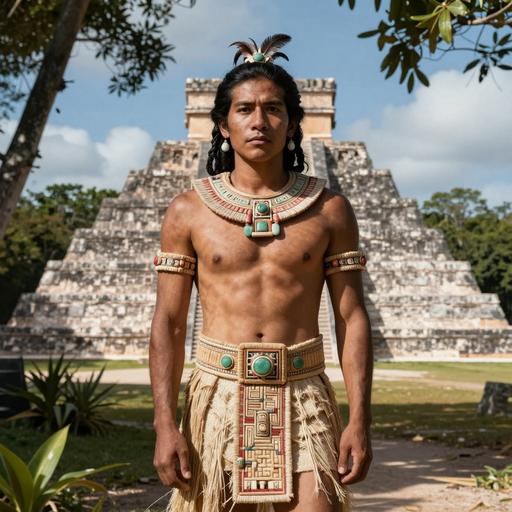
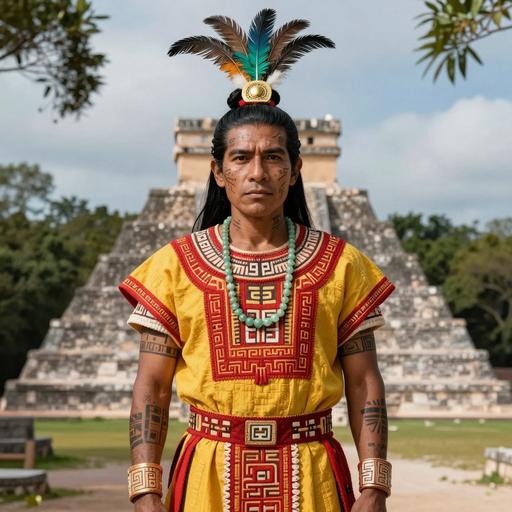
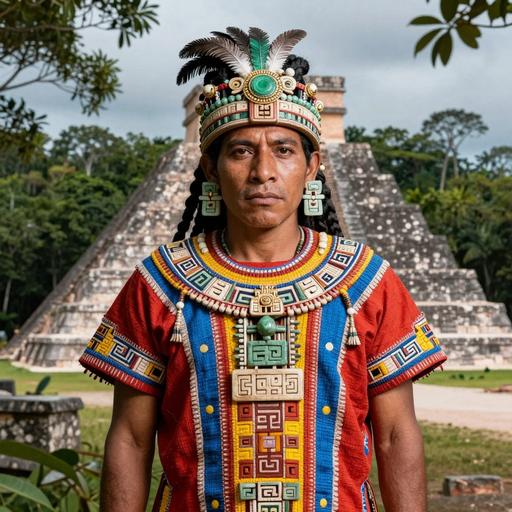
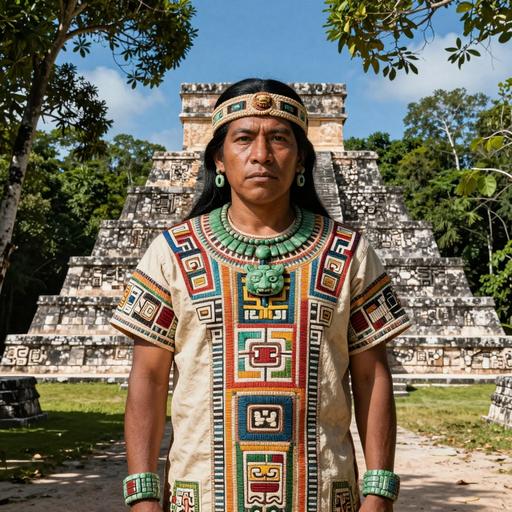
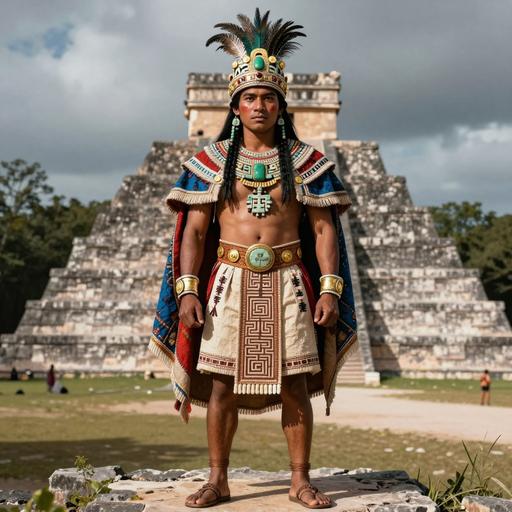
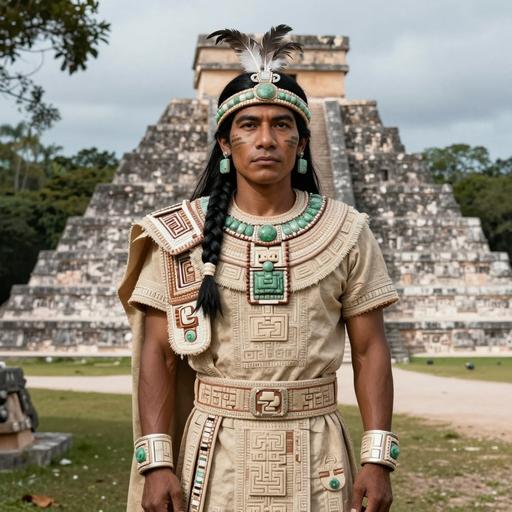
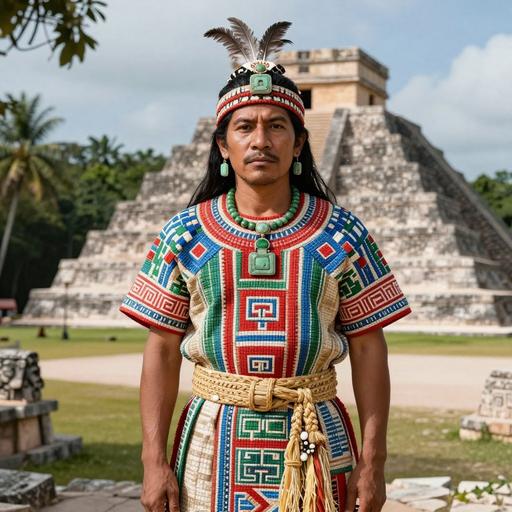
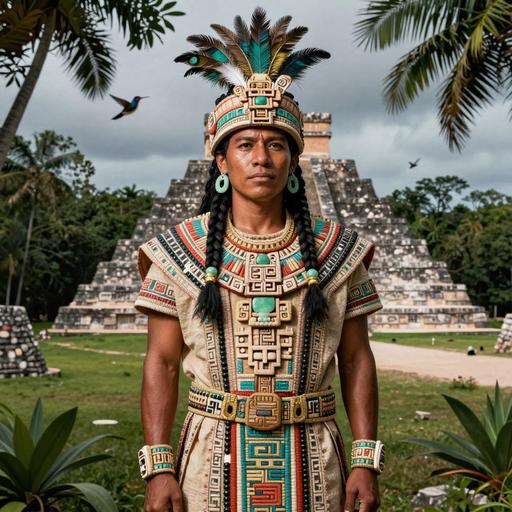
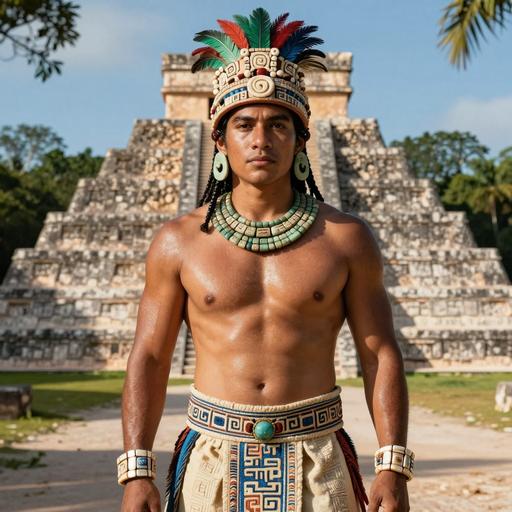
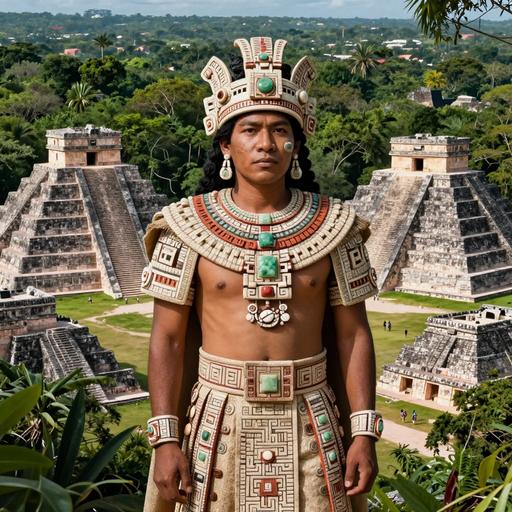
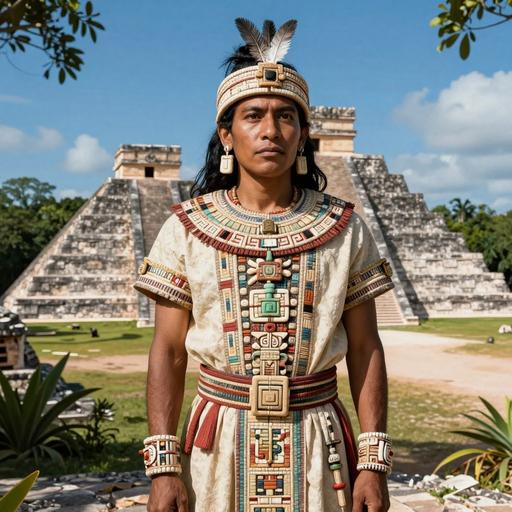
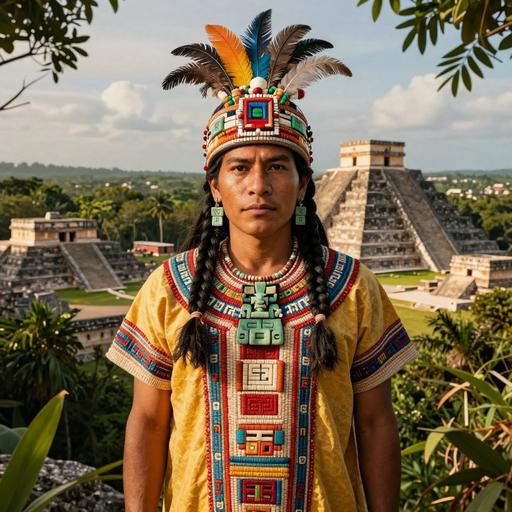
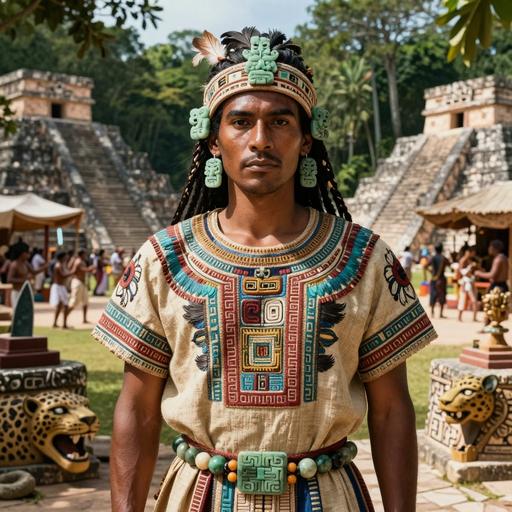
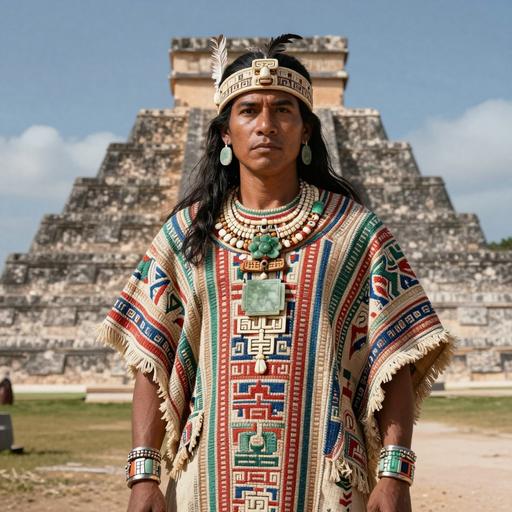
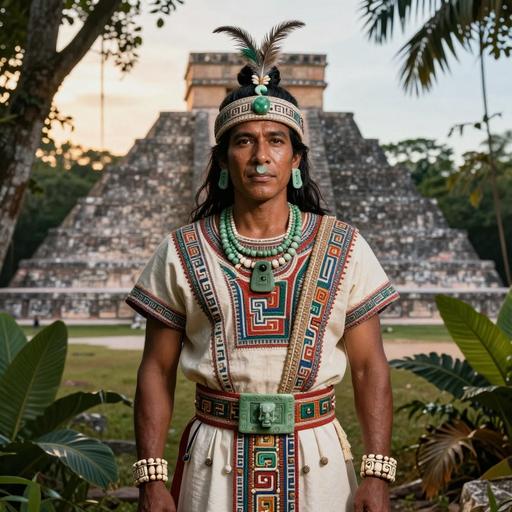
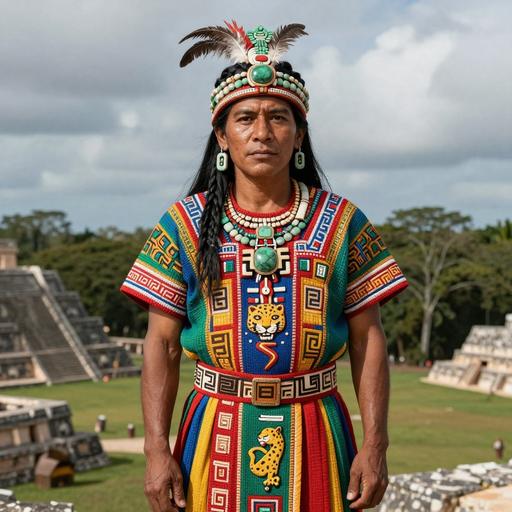
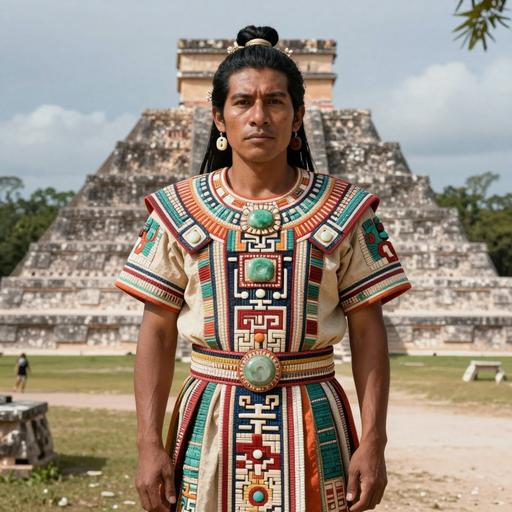
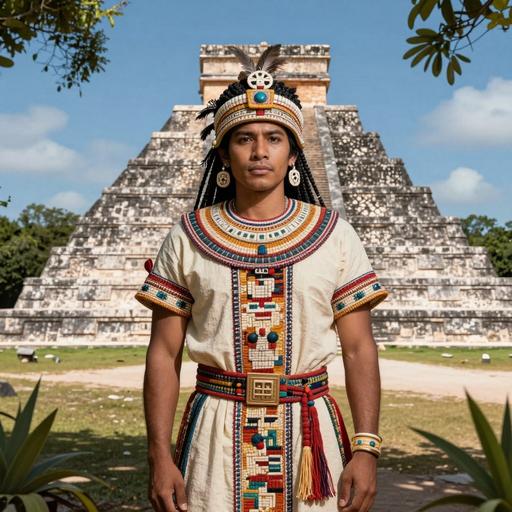
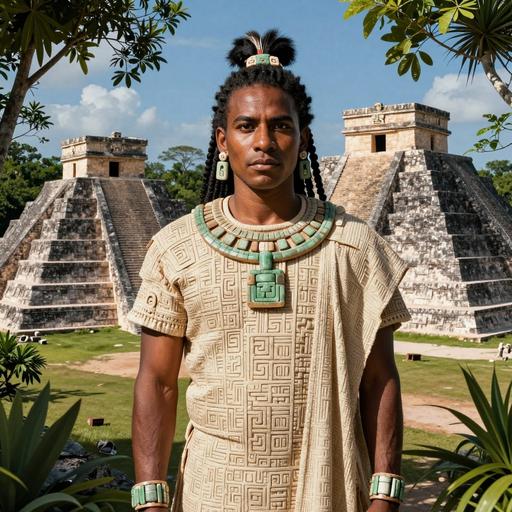
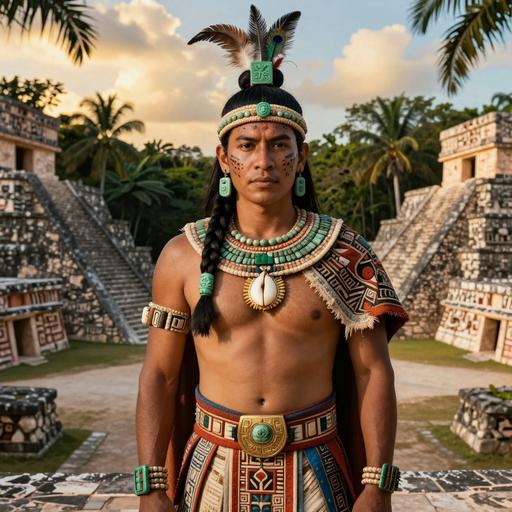
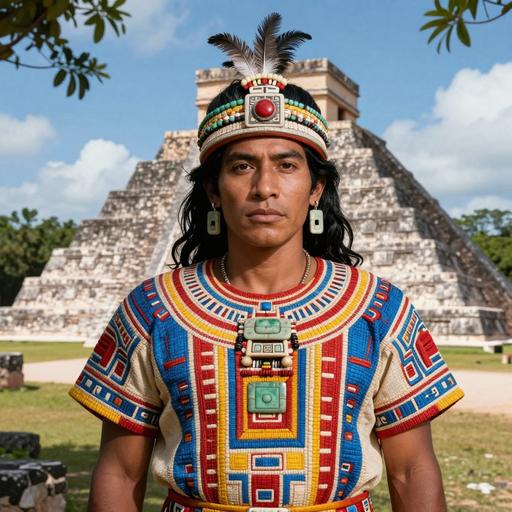
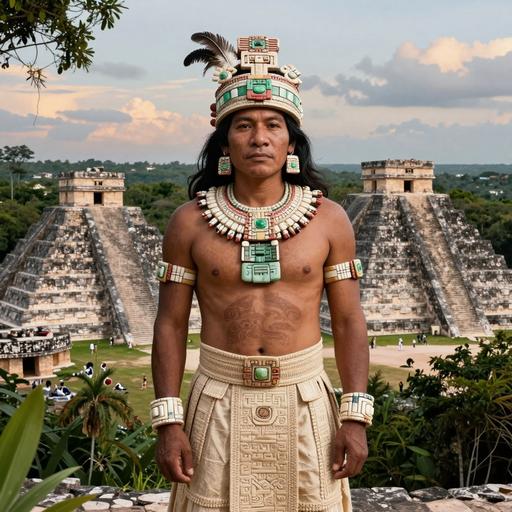
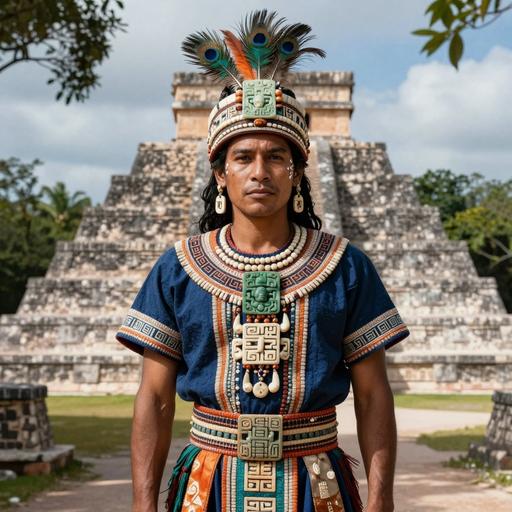
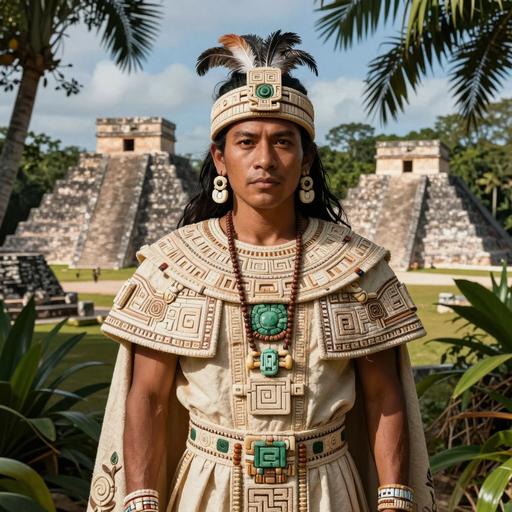
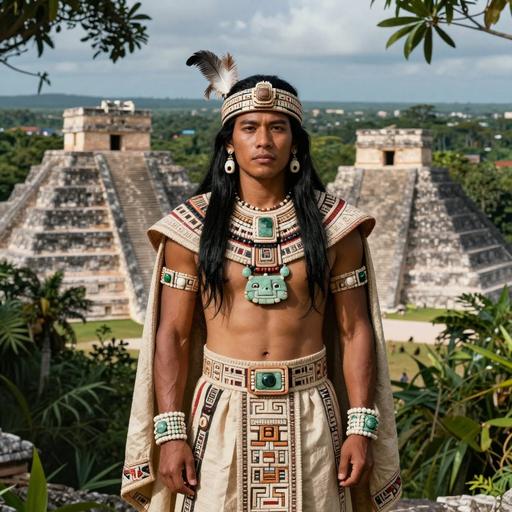
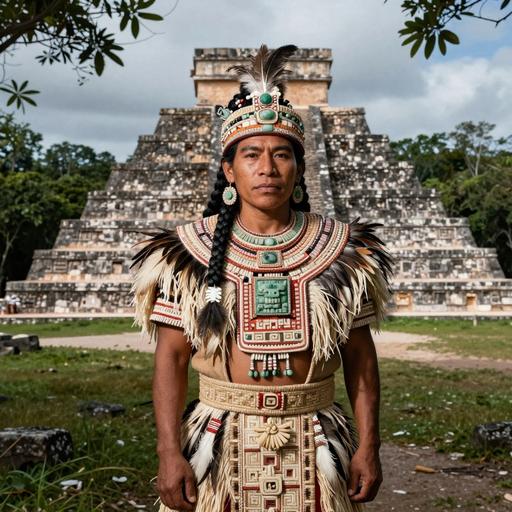
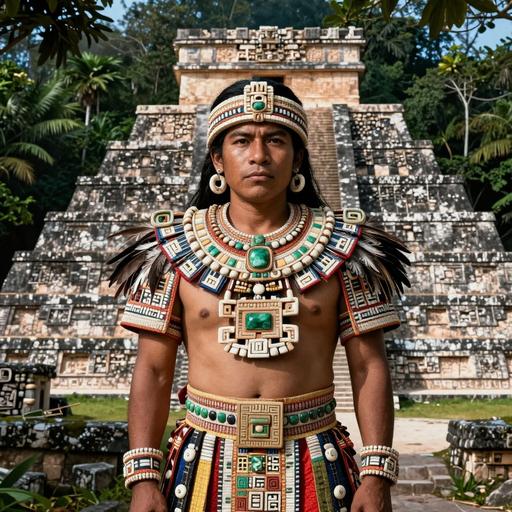
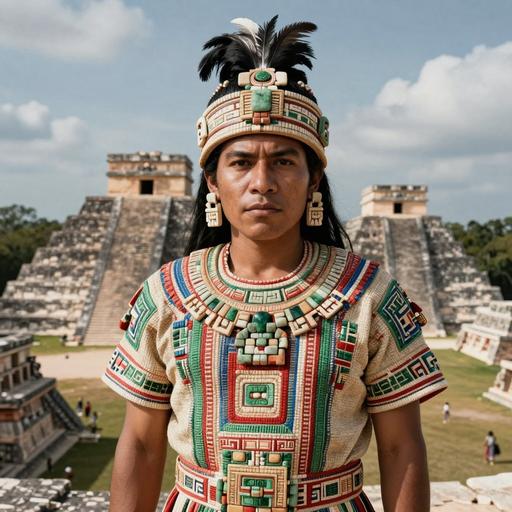
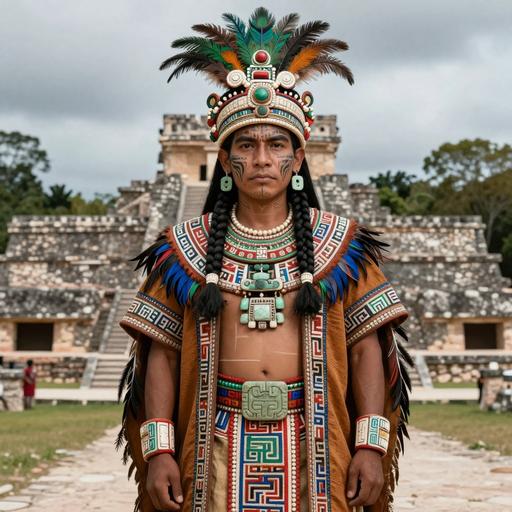
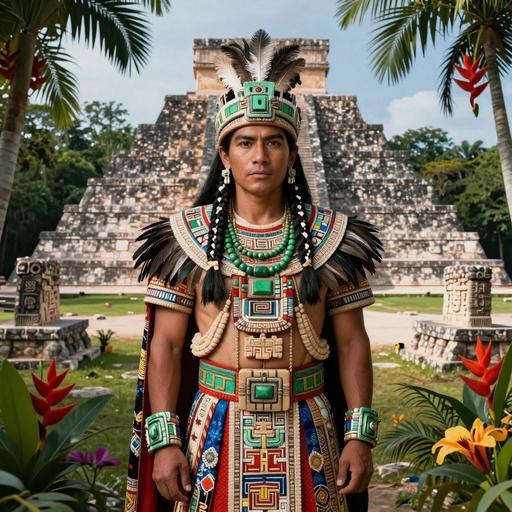
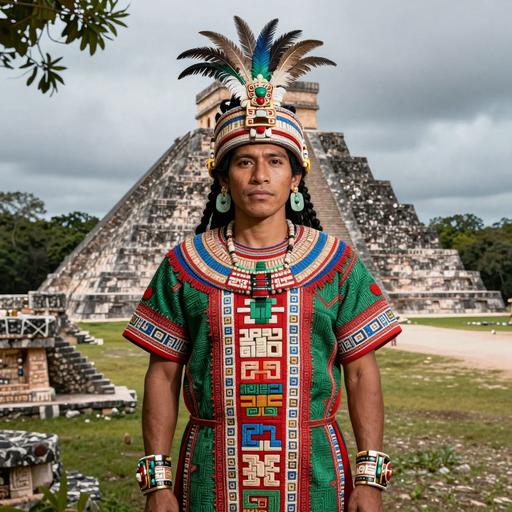
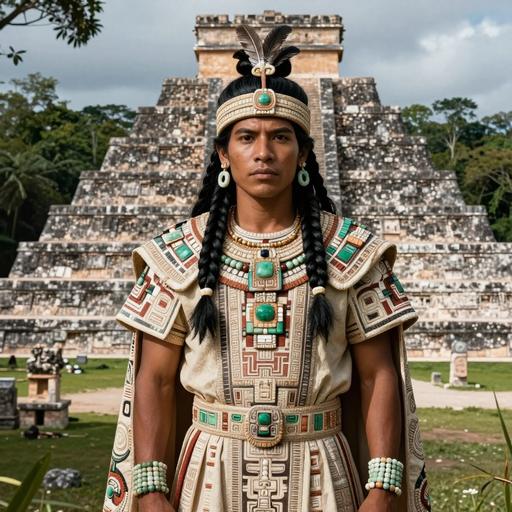
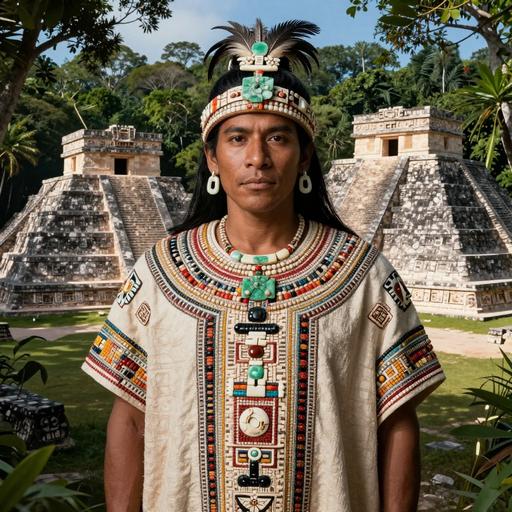
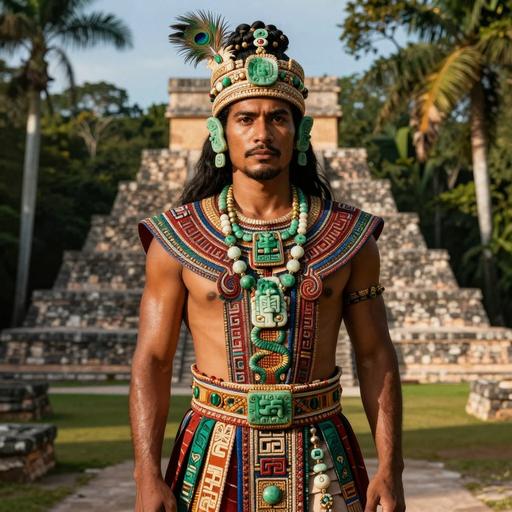
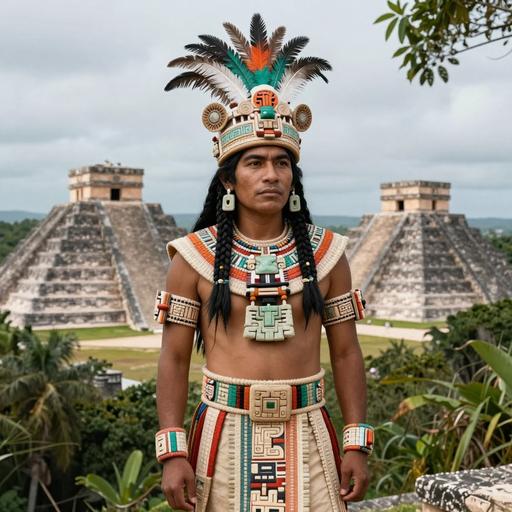
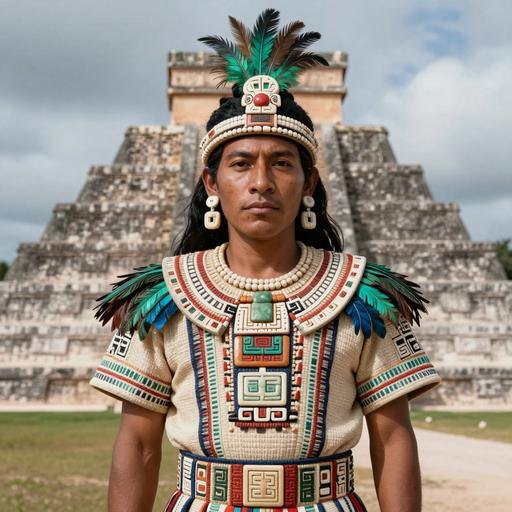
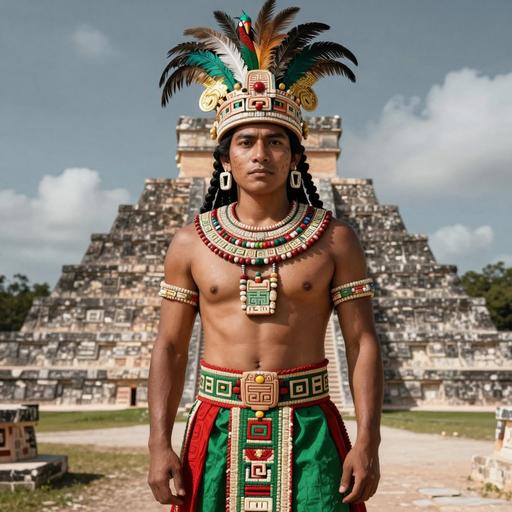
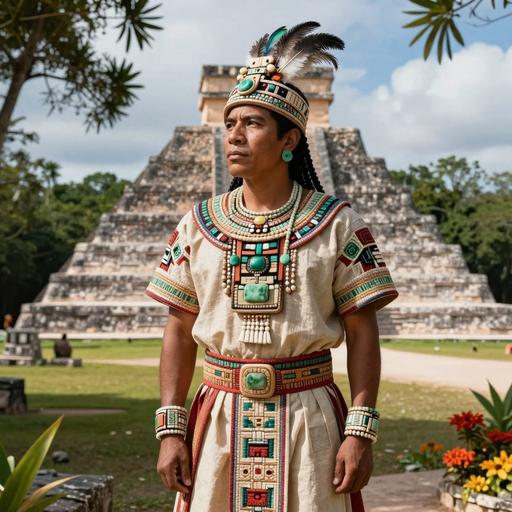
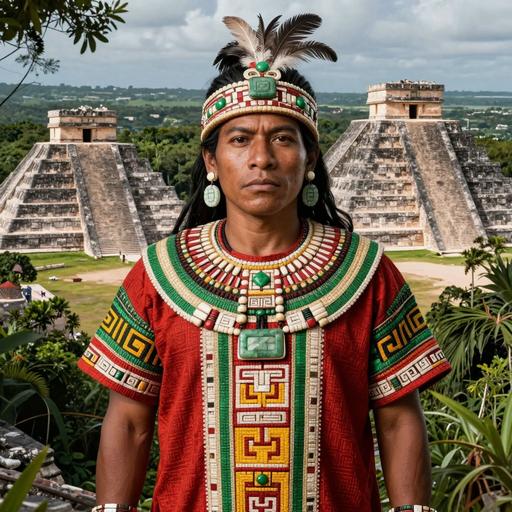
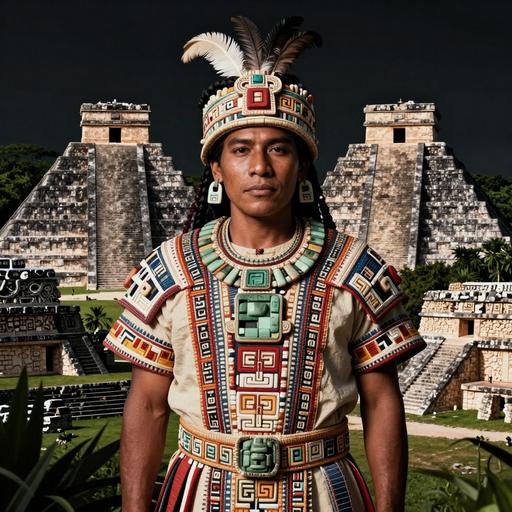
Rising from the limestone plains and cenotes of the northern Yucatán, Chichén Itzá became one of the most dynamic urban centers in the Maya Lowlands between the Late Classic and Early Postclassic eras. Archaeological strata and monumental architecture — including the pyramid known as El Castillo, large ballcourts, colonnaded halls, and agglutinative ceramic sequences — document intense growth and stylistic exchange from roughly 800 to 1100 CE. The dataset under discussion comprises 95 individuals dated to c. 550–1200 CE, a span that crosses late Classic transformations and the florescence of Chichén Itzá.
Archaeological data indicates sustained trade and mobility: imported obsidian, ceramics with varied decorative vocabularies, and architectural motifs suggest connections to central Mexican and Gulf lowland traditions. Limited evidence suggests population shifts and social reorganization during the Terminal Classic (c. 800–1000 CE) that contributed to changing settlement patterns. Genetic data from the sampled burials provide a complementary lens to these material changes, allowing us to probe maternal lineages that accompanied the city’s rise. While the archaeological record offers a textured narrative of politics and ritual, ancient DNA helps trace the invisible threads of kinship and movement that tied households to city neighborhoods and to distant regions.
Chichén Itzá prominence: c. 800–1100 CE
Architectural and material evidence for long-distance exchange
95 individuals span late Classic transformations
Daily Life & Society
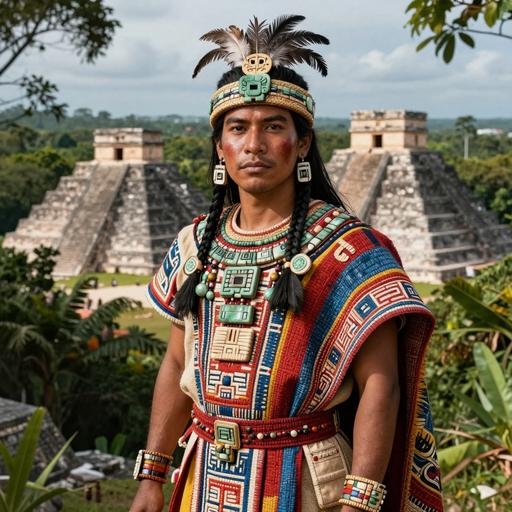
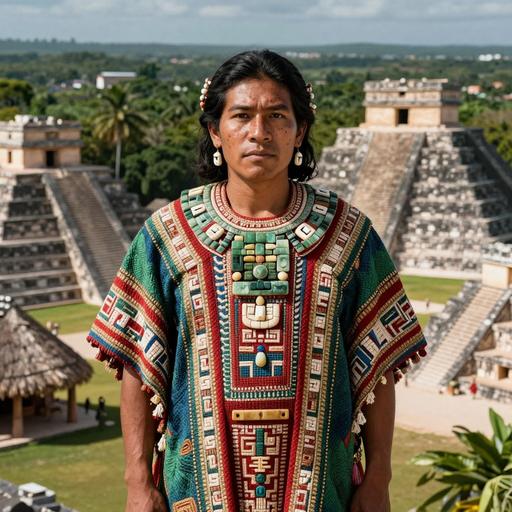
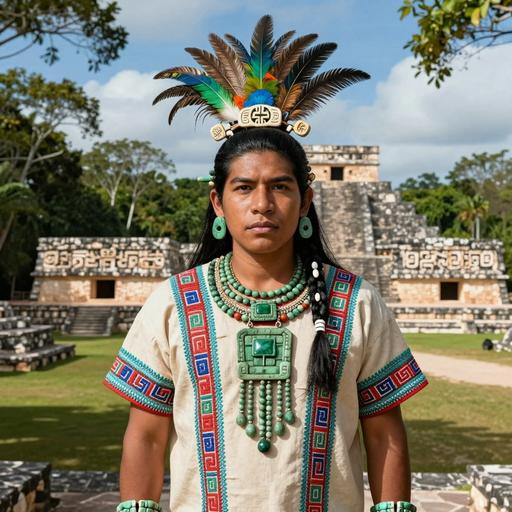
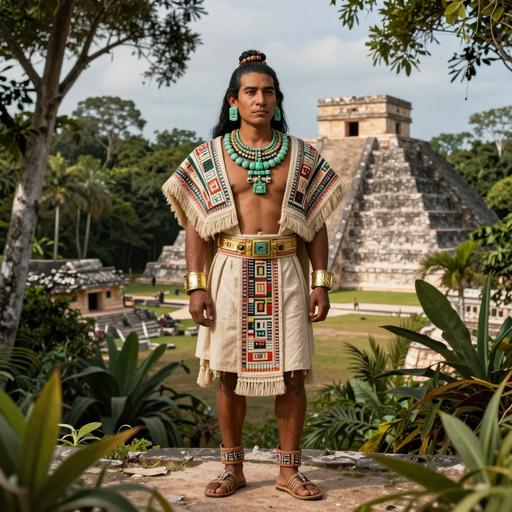
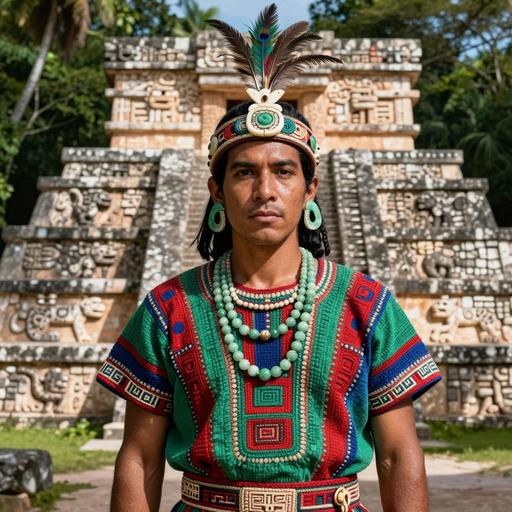
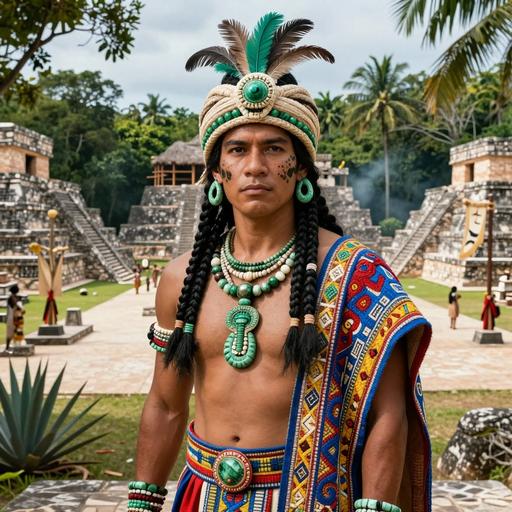
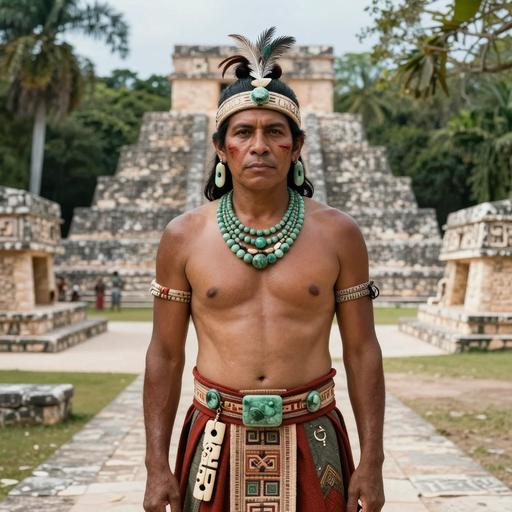
Life in Chichén Itzá unfolded between sacred waterholes and packed plazas. Markets and craft quarters supplied polychrome ceramics, carved bone, and obsidian tools; agricultural terraces, raised fields, and cenote access structured food production. Ballcourts and public plazas staged rituals and political theater, while the diversity of household types — from stone compounds to humbler wattle-and-daub domiciles — speaks to social differentiation.
Archaeological excavations reveal varied burial practices: carved tombs beneath elite platforms, respites in household patios, and offerings deposited in sinkholes. Osteological and isotopic studies from the broader Maya Lowlands suggest diets based on maize with regional variation in protein sources; where available, skeletal markers point to strenuous craft work and episodic violence. Genetic sampling at Chichén Itzá shows maternal haplogroups distributed across contexts, which archaeological data indicates may reflect both local continuity and the incorporation of women through marriage, migration, or ritual mobility. These combined lines of evidence reconstruct a living city: a place of artisans, pilgrims, traders, and kin networks woven through ritual calendars and seasonal cycles.
Markets, craft production, and cenote-based ritual shaped daily life
Burial diversity reflects social stratification and ritual practice
Genetic Profile
The genetic sample from Chichén Itzá comprises 95 dated individuals (550–1200 CE), providing a moderate-sized window into maternal ancestry in a single urban center. Maternal lineages are dominated by haplogroup A and its subclades: A (29 counts recorded in the dataset), A2 (11), A2r (6), A2g (4), with B2l recorded in 4 individuals. These mtDNA lineages are part of the broader Native American founder spectrum (A, B, C, D), and the prominence of A-type lineages here is consistent with many Mesoamerican ancient and modern samples, though regional variation exists.
Notably, Y-chromosome haplogroup information is not well-characterized in this dataset, so interpretations about paternal ancestry, patrilocality, or male-mediated gene flow remain limited. The relative absence or low counts of haplogroups C and D in these mtDNA results could reflect sample composition, maternal lineage drift, or local demographic history rather than their true absence in the population at large. Comparisons with other ancient Maya lowland datasets show patterns of continuity in maternal lineages, suggesting that at least some maternal ancestry in Chichén Itzá connects to longer-term local populations. However, because the samples come from a single site and an urban context prone to visitor mobility, conclusions about region-wide population structure should be cautious. Archaeogenetic interpretation benefits most when integrated with stratigraphic, isotopic, and artifact provenience data to distinguish resident kin groups from incoming individuals.
mtDNA dominated by haplogroup A subclades; Y-DNA not well-characterized
Legacy & Modern Connections
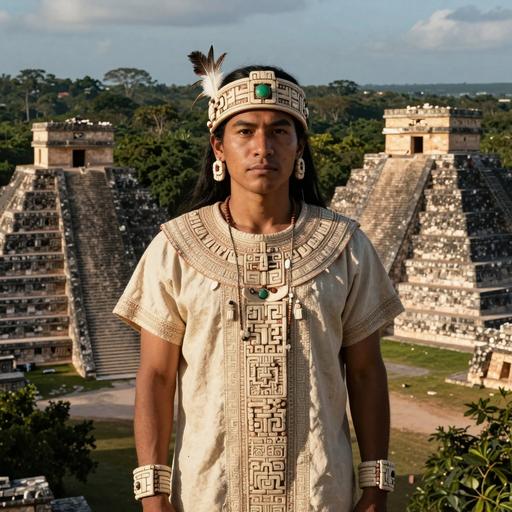
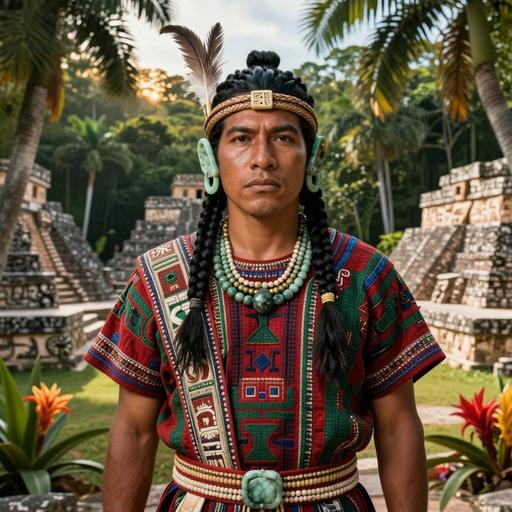
The living Maya of the Yucatán inherit more than monuments: they inherit genetic lineages and cultural practices with deep roots in the Classic and Postclassic periods. Maternal haplogroups found at Chichén Itzá merge into the array of mtDNA seen across contemporary Maya and other Mesoamerican populations, indicating degrees of biological continuity despite centuries of social change. Post-Contact admixture, demographic collapse, and later migrations have altered the genetic landscape since 1500 CE, so ancient DNA offers a pre-contact baseline against which to measure continuity and change.
Archaeological and genetic evidence together allow museum visitors and researchers to imagine the multi-scalar lives of past residents — kin networks traced by mitochondrial lines, urban flows inferred from artifact exchanges, and rituals anchored to water and stone. Where the dataset is geographically focused on an urban center, the story emphasizes the value of expanding sampling across hinterlands to better resolve population dynamics across the Maya Lowlands.
mtDNA continuity suggests links to modern Maya maternal lineages
Post-Contact admixture makes ancient DNA a key baseline for comparison
Mexico Mexico_ChichenItza_MayaLowlandslassic 550-1200 CE
Y: Q-L472
AI Assistant
AI Assistant
by DNAGENICS
Unlock this feature
Ask questions about the Voices of Chichén Itzá culture. Our AI assistant can explain genetic findings, historical context, archaeological evidence, and modern connections.
AI-generated interpretation of genetic similarity, not proof of ancestry. Informational only, not professional advice.
Read full notice
Before you continue: the analysis you are about to generate is produced by an AI model. AI output can be incomplete, inaccurate, or simply wrong. It describes statistical genetic similarity to reference populations and is not proof of ancestry, ethnicity, identity, or descent. It is provided for informational and educational purposes only, and is not medical, diagnostic, genealogical, legal, or other professional advice. Do not rely on it to make health, financial, legal, or family decisions. To the fullest extent permitted by applicable law, DNA Genics, S.L. accepts no liability for any loss or decision arising from your use of this AI output.
Sample AI Analysis
The Voices of Chichén Itzá culture represents a fascinating chapter in human history...
Genetic analysis reveals connections to earlier populations while showing evidence of unique adaptations and cultural innovations. The ancient DNA samples provide insights into migration patterns, social structures, and the biological relationships between ancient populations.
This is a preview of the AI analysis. Unlock the full AI Assistant to explore detailed insights about: