Balkan Neolithic: Farmers of the Danube
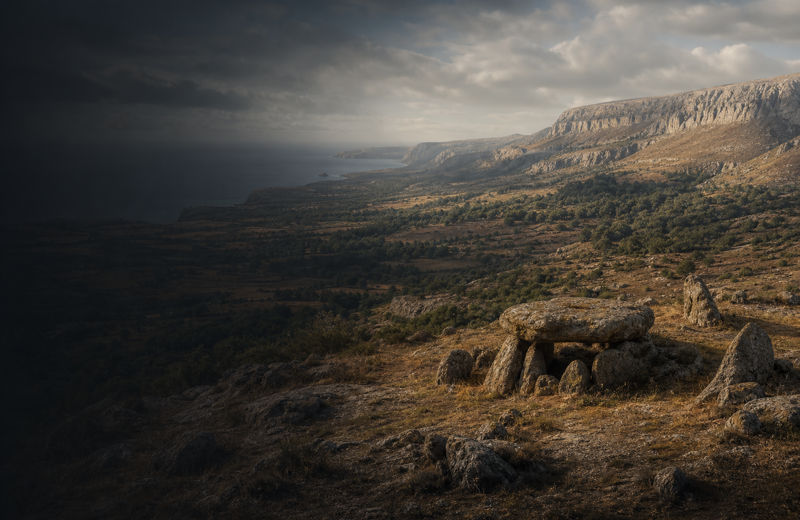
A genetic and archaeological portrait of Neolithic communities across Bulgaria, North Macedonia and Montenegro
تعرّف على أماكن عينات الحمض النووي القديم وفتراتها والأبحاث المنشورة حولها، واستكشف الثقافات المرتبطة بها.
تصفّح المجموعةالنتائج من 1 إلى 12 من أصل 96
A genetic and archaeological portrait of Neolithic communities across Bulgaria, North Macedonia and Montenegro
People of ancient Anatolia, where archaeology and DNA illuminate Bronze‑to‑Iron Age life
Early European Farmers (5800–4786 BCE): settlements, pottery, and the genetics of migration
Cosmopolitan peoples shaped by trade, conquest, and local roots across the Hellenistic Mediterranean.
4700–2500 BCE Spain: caves, tombs and DNA illuminate the first farming communities
A single Early Neolithic genome offers a first glimpse of farming in southeastern Albania.
An Early Neolithic presence in Lower Austria seen through potsherds and a single ancient genome
Early Neolithic settlers (5500–4775 BCE) at Kleinhadersdorf and Ratzersdorf — archaeology meets DNA
Neolithic farmers along the Danube (5500–4500 BCE) where archaeology meets ancient genomes
A single ancient maternal voice from Austria’s first farmers
The LBK communities around Asparn-Schletz and Brunn, where pottery, longhouses and genomes meet
Neolithic settlements in Lower Austria, 5500–4775 BCE — archaeology meeting ancient DNA