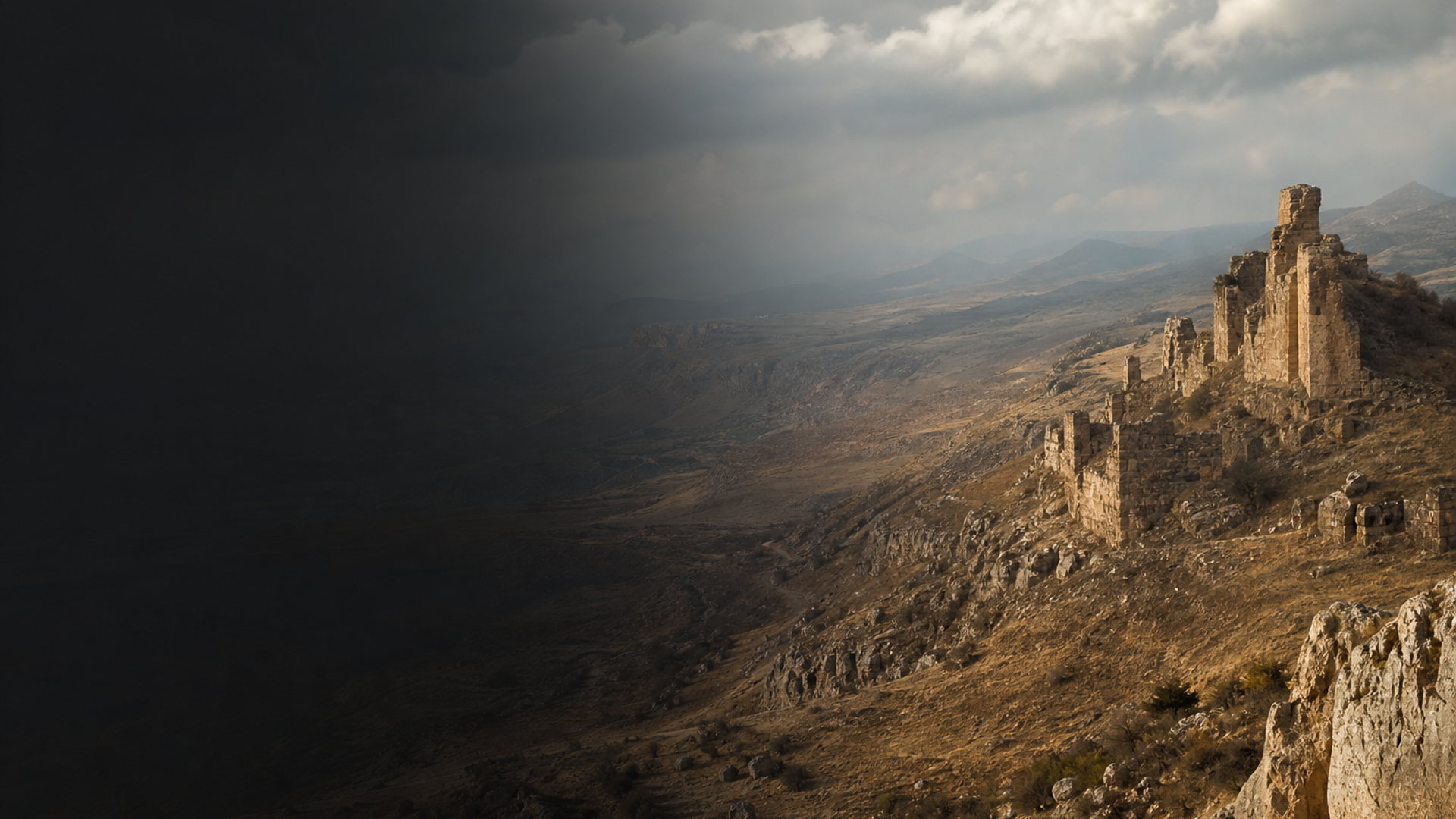
Sixteen ancient individuals sampled from Tilbeşar Höyük, Oylum Höyük and the Dara necropolis provide an initial window into maternal ancestry across southeastern Byzantine Anatolia. Mitochondrial haplogroups observed include T (2 individuals), W6 (2), N3a (2), X4 (2), and U (2), with other lineages represented among the remaining samples. These maternal markers signal a mosaic of West Eurasian and Near Eastern affinities: haplogroup T and U are widespread in Europe and the Near East, W6 is observed in parts of Europe and the South Caucasus, while N3a and X4 are comparatively rarer and may reflect Caucasian or Near Eastern contributions.
Y-chromosome data for this sample set are limited or not yet robust, preventing confident statements about paternal lineages and limiting sex-biased migration inferences. Nevertheless, the mtDNA diversity within 16 samples suggests a community with mixed maternal origins rather than a genetically homogeneous group. Archaeological context—burials spanning centuries and situated on a strategic frontier—aligns with genetic evidence for long-term local continuity combined with episodic gene flow from adjacent regions.
Because the sample size remains moderate and geographically clustered, conclusions about population-wide processes (e.g., large-scale replacement or persistent endogamy) remain provisional. Future larger datasets, particularly Y-DNA and genome-wide data, will be needed to clarify ancestry, kinship, and mobility patterns.