


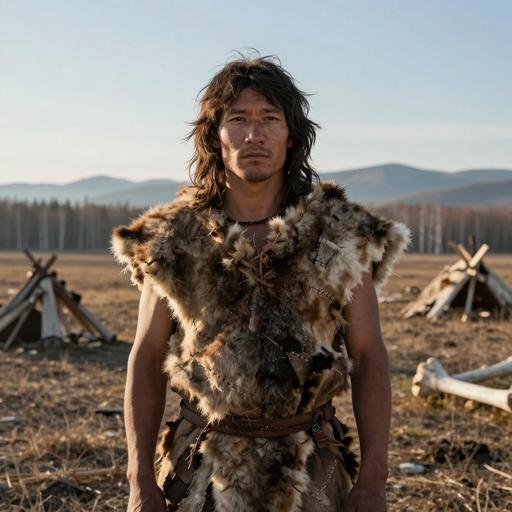
| Individual | Culture/Period | Date | Location | Action |
|---|---|---|---|---|
| Paleolithic individual, Russia | Upper Paleolithic Yana, Russia | 30250 BCE | Yana RHS, Russia | View |
| Paleo-Siberian individual, Russia | Medieval Kolyma, Russia | 7952 BCE | Duvanni Yar, Russia | View |
| Paleolithic individual, Russia | Upper Paleolithic Yana, Russia | 30250 BCE | Yana RHS, Russia | View |
| Proto-Indo-European individual, Russia | Neolithic Devil's Cave, Russia | 5625 BCE | Devil's Gate Cave, Russia | View |
| Proto-Indo-European individual, Russia | Neolithic Devil's Cave, Russia | 5830 BCE | Devil's Gate Cave, Russia | View |
| East Slavic individual, Russia | Medieval Yana, Russia | 1053 CE | Yana River, Russia | View |
| Paleo-Siberian individual, Russia | Magadan Bronze Age | 1265 BCE | Ol'skaia. shore of Okhotsk Sea, Russia | View |
| Proto-Indo-European individual, Russia | Neolithic Devil's Cave, Russia | 5802 BCE | Devil's Gate Cave, Russia | View |
| Siberian Hunter-Gatherers individual, Russia | Ust-Belaya Angara Culture, Russia | 3007 BCE | Baikal Region. Angara river basin. Mouth of the Belaya River, Russia | View |
| Paleo-Siberian individual, Russia | Magadan Bronze Age | 1300 BCE | Ol'skaia. shore of Okhotsk Sea, Russia | View |
| Siberian Hunter-Gatherers individual, Russia | Ust-Belaya Angara Culture, Russia | 4785 BCE | Baikal Region. Angara river basin. Mouth of the Belaya River, Russia | View |
| Proto-Indo-European individual, Russia | Neolithic Devil's Cave, Russia | 5712 BCE | Devil's Gate Cave, Russia | View |
| Siberian individual, Russia | Early Bronze Age Ust-Belaya, Russia | 3022 BCE | Baikal Region. Angara river basin. Mouth of the Belaya River, Russia | View |
| Eurasian Nomadic individual, Russia | Iron Age Ekven, Russia | 354 BCE | Ekven, Russia | View |
| Eurasian Nomadic individual, Russia | Iron Age Ekven, Russia | 101 BCE | Ekven, Russia | View |
| Eurasian Nomadic individual, Russia | Iron Age Ekven, Russia | 122 CE | Ekven, Russia | View |
| Proto-Indo-European individual, Russia | Neolithic Devil's Cave, Russia | 5721 BCE | Devil's Gate Cave, Russia | View |
| Proto-Indo-European individual, Russia | Neolithic Devil's Cave, Russia | 5707 BCE | Devil's Gate Cave, Russia | View |
| East Slavic individual, Russia | Medieval Ust-Belaya, Russia | 1292 CE | Baikal Region. Angara river basin. Mouth of the Belaya River, Russia | View |
| Eurasian Nomadic individual, Russia | Iron Age Ekven, Russia | 125 CE | Ekven, Russia | View |
| Eurasian Nomadic individual, Russia | Iron Age Ekven, Russia | 376 BCE | Ekven, Russia | View |
| Arctic Cultures individual, Russia | Iron Age Uelen, Russia | 975 BCE | Uelen, Russia | View |
| Arctic Cultures individual, Russia | Iron Age Uelen, Russia | 121 CE | Uelen, Russia | View |
| Arctic Cultures individual, Russia | Old Bering Sea Culture Ekven, Russia | 710 CE | Chukotka. Bering Strait. Ekven, Russia | View |
| Arctic Cultures individual, Russia | Old Bering Sea Culture Ekven, Russia | 348 BCE | Chukotka. Bering Strait. Ekven, Russia | View |
| Siberian Hunter-Gatherers individual, Russia | Ust-Belaya Angara Culture, Russia | 2860 BCE | Baikal Region. Angara river basin. Mouth of the Belaya River, Russia | View |
| Finno-Ugric individual, Finland | Iron Age Saami, Finland | 436 CE | Levanluhta, Finland | View |
| shoreof Okhotsk Sea BA individual, Russia | Bronze Age Okhotsk Culture of Magadan | 1300 BCE | Ol'skaia (Magadan Oblast, Magadan municipality), Russia | View |
| shoreof Okhotsk Sea BA individual, Russia | Magadan Bronze Age | 1265 BCE | Ol'skaia (Magadan Oblast, Magadan municipality), Russia | View |
| Yakut Hg individual, Russia | 7952 BCE | Duvanni Yar, Russia | View | |
| Yakutia Ba individual, Russia | 1300 BCE | Ol'skaia. shore of Okhotsk Sea, Russia | View | |
| Yakutia Ba individual, Russia | 1265 BCE | Ol'skaia. shore of Okhotsk Sea, Russia | View | |
| Ustbelaya N individual, Russia | 2860 BCE | Baikal Region. Angara river basin. Mouth of the Belaya River, Russia | View | |
| Beringia Ma individual, Russia | 970 CE | Chukotka. Bering Strait. Ekven, Russia | View | |
| Beringia Ma individual, Russia | 690 CE | Chukotka. Bering Strait. Ekven, Russia | View | |
| Beringia Ia individual, Russia | 348 BCE | Chukotka. Bering Strait. Ekven, Russia | View | |
| Beringia Ma individual, Russia | 710 CE | Chukotka. Bering Strait. Ekven, Russia | View | |
| Beringia Ma individual, Russia | 640 CE | Chukotka. Bering Strait. Ekven, Russia | View | |
| Ustbelaya N individual, Russia | 2860 BCE | Baikal Region. Angara river basin. Mouth of the Belaya River, Russia | View | |
| Palaeolithic individual, Russia | 30250 BCE | Yana RHS, Russia | View | |
| Palaeolithic individual, Russia | 30250 BCE | Yana RHS, Russia | View | |
| Beringia Ma individual, Russia | 640 CE | Chukotka. Bering Strait. Ekven, Russia | View | |
| Beringia Ma individual, Russia | 690 CE | Chukotka. Bering Strait. Ekven, Russia | View | |
| Ustbelaya N individual, Russia | 2860 BCE | Baikal Region. Angara river basin. Mouth of the Belaya River, Russia | View | |
| Beringia Ma individual, Russia | 970 CE | Chukotka. Bering Strait. Ekven, Russia | View | |
| Finland Mia individual, Finland | 436 CE | Levanluhta, Finland | View | |
| Ustbelaya N individual, Russia | 4785 BCE | Baikal Region. Angara river basin. Mouth of the Belaya River, Russia | View | |
| Ustbelaya Eba individual, Russia | 3022 BCE | Baikal Region. Angara river basin. Mouth of the Belaya River, Russia | View | |
| Siberia Cis Baikal Eba individual, Russia | 3007 BCE | Baikal Region. Angara river basin. Mouth of the Belaya River, Russia | View | |
| Beringia Ia individual, Russia | 121 CE | Uelen, Russia | View | |
| Beringia Ia individual, Russia | 975 BCE | Uelen, Russia | View | |
| Asia East N individual, Russia | 5802 BCE | Devil's Gate Cave, Russia | View | |
| Asia East N individual, Russia | 5830 BCE | Devil's Gate Cave, Russia | View | |
| Asia East N individual, Russia | 5721 BCE | Devil's Gate Cave, Russia | View | |
| Asia East N individual, Russia | 5712 BCE | Devil's Gate Cave, Russia | View | |
| Asia East N individual, Russia | 5707 BCE | Devil's Gate Cave, Russia | View | |
| Asia East N individual, Russia | 5625 BCE | Devil's Gate Cave, Russia | View | |
| Beringia Ia individual, Russia | 101 BCE | Ekven, Russia | View | |
| Beringia Ia individual, Russia | 122 CE | Ekven, Russia | View | |
| Beringia Ia individual, Russia | 376 BCE | Ekven, Russia | View | |
| Beringia Ia individual, Russia | 354 BCE | Ekven, Russia | View | |
| Beringia Ia individual, Russia | 125 CE | Ekven, Russia | View | |
| Ustbelaya Med individual, Russia | 1292 CE | Baikal Region. Angara river basin. Mouth of the Belaya River, Russia | View | |
| Yakutia Med individual, Russia | 1053 CE | Yana River, Russia | View |
Page 1
| Individual | Culture/Period | Date | Location | Action |
|---|---|---|---|---|
| Palaeolithic individual, Russia | 43980 BCE | Ust'-Ishim. Siberia, Russia | View | |
| Palaeolithic individual, Russia | 30250 BCE | Yana RHS, Russia | View | |
| Palaeolithic individual, Russia | 30250 BCE | Yana RHS, Russia | View | |
| Palaeolithic individual, Romania | 32735 BCE | Baia de Fier. Peştera Muierii, Romania | View | |
| Palaeolithic individual, Russia | 43980 BCE | Ust'-Ishim. Siberia, Russia | View | |
| Palaeolithic individual, Russia | 22621 BCE | Mal'ta, Russia | View | |
| Palaeolithic individual, Russia | 15001 BCE | Afontova Gora, Russia | View | |
| Palaeolithic individual, China | 32159 BCE | Amur River Basin, China | View | |
| Palaeolithic individual, Romania | 32735 BCE | Baia de Fier. Peştera Muierii, Romania | View |
Page 1