


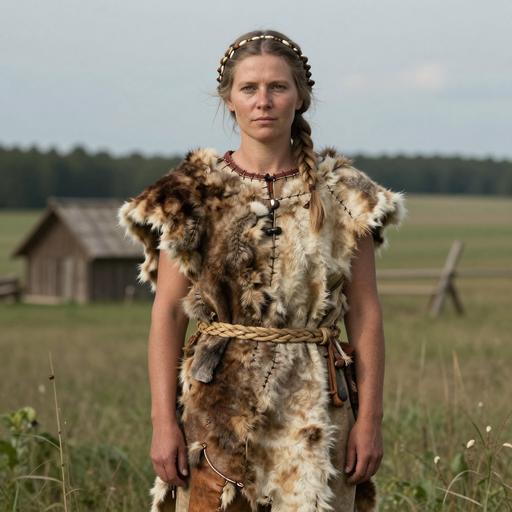
| Individual | Culture/Period | Date | Location | Action |
|---|---|---|---|---|
| Proto-Indo-European individual, Ukraine | Neolithic Ukraine | 5400 BCE | Vovnigi, Ukraine | View |
| European Hunter-Gatherers individual, Latvia | Hunter-Gatherer Latvia | 5838 BCE | Zvejnieki, Latvia | View |
| European Neolithic individual, Latvia | Middle Neolithic Comb Ware Culture, Latvia | 4236 BCE | Zvejnieki, Latvia | View |
| Eastern European Hunter-Gatherers individual, Ukraine | Mesolithic Ukraine | 9107 BCE | Vasylivka-3 (Zaporizhia Oblast, Vasylivka District, Vasylivska municipality), Ukraine | View |
| Proto-Indo-European individual, Ukraine | Neolithic Ukraine | 5400 BCE | Vovnihy-2 (Dnipropetrovsk Oblast, Dnipro District, Solone municipality), Ukraine | View |
| Baltic Hunter-Gatherers individual, Latvia | Middle Neolithic Latvia | 4311 BCE | Zvejnieki (Zemgale, Neretas District), Latvia | View |
| Pre-Baltic individual, Latvia | Latvian Mesolithic Culture | 5304 BCE | Zvejnieki (Zemgale, Neretas District), Latvia | View |
| MN Comb Ware individual, Latvia | Middle Neolithic Comb Ware Culture, Latvia | 4236 BCE | Zvejnieki (Zemgale, Neretas District), Latvia | View |
| Middle Mesolithic Kunda individual, Latvia | Latvian Mesolithic Culture | 6465 BCE | Zvejnieki (Zemgale, Neretas District), Latvia | View |
| Ukraine M individual, Ukraine | 9107 BCE | Vasil'evka, Ukraine | View | |
| Ukraine N individual, Ukraine | 5400 BCE | Vovnigi, Ukraine | View | |
| Baltic Hg individual, Latvia | 5838 BCE | Zvejnieki, Latvia | View | |
| Baltic Mn individual, Latvia | 4311 BCE | Zvejnieki, Latvia | View | |
| Baltic Hg individual, Latvia | 5304 BCE | Zvejnieki, Latvia | View | |
| Baltic Ln individual, Latvia | 3091 BCE | Zvejnieki, Latvia | View | |
| Baltic Mn individual, Latvia | 4236 BCE | Zvejnieki, Latvia | View | |
| Baltic Hg individual, Latvia | 6465 BCE | Zvejnieki, Latvia | View | |
| Ukraine M individual, Ukraine | 9107 BCE | Vasil'evka, Ukraine | View | |
| Baltic Hg individual, Latvia | 6465 BCE | Zvejnieki, Latvia | View | |
| Baltic Hg individual, Latvia | 5304 BCE | Zvejnieki, Latvia | View | |
| Baltic Ln individual, Latvia | 3091 BCE | Zvejnieki, Latvia | View | |
| Baltic Mn individual, Latvia | 4311 BCE | Zvejnieki, Latvia | View |
Page 1
| Individual | Culture/Period | Date | Location | Action |
|---|---|---|---|---|
| Baltic Hg individual, Latvia | 5838 BCE | Zvejnieki, Latvia | View | |
| Baltic Hg individual, Latvia | 5304 BCE | Zvejnieki, Latvia | View | |
| Baltic Hg individual, Latvia | 6465 BCE | Zvejnieki, Latvia | View | |
| Baltic Hg individual, Latvia | 6465 BCE | Zvejnieki, Latvia | View | |
| Baltic Hg individual, Latvia | 5304 BCE | Zvejnieki, Latvia | View | |
| Baltic Hg individual, Latvia | 5838 BCE | Zvejnieki, Latvia | View |
Page 1