


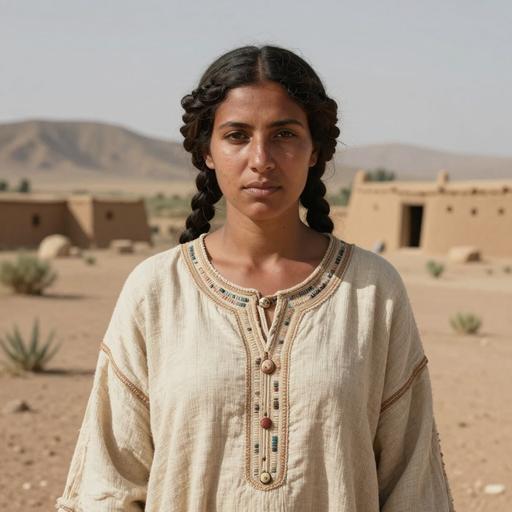
| Individual | Culture/Period | Date | Location | Action |
|---|---|---|---|---|
| Berber individual, Morocco | Early Neolithic Era in Morocco | 4348 BCE | Ifri n'Amr or Moussa, Morocco | View |
| Berber individual, Morocco | Epipalaeolithic-Neolithic Transition in Morocco | 5007 BCE | Ifri n'Amr or Moussa, Morocco | View |
| Berber individual, Morocco | Epipalaeolithic-Neolithic Transition in Morocco | 5211 BCE | Ifri n'Amr or Moussa, Morocco | View |
| Berber individual, Morocco | Epipalaeolithic-Neolithic Transition in Morocco | 5367 BCE | Ifri n'Amr or Moussa, Morocco | View |
| Berber individual, Morocco | Epipalaeolithic-Neolithic Transition in Morocco | 5297 BCE | Ifri n'Amr or Moussa, Morocco | View |
| Berber individual, Morocco | Late Neolithic Era in Morocco | 3800 BCE | Kelif el Boroud, Morocco | View |
| Berber individual, Morocco | Late Neolithic Era in Morocco | 3800 BCE | Kelif el Boroud, Morocco | View |
| Berber individual, Morocco | Late Neolithic Era in Morocco | 3779 BCE | Kelif el Boroud, Morocco | View |
| Berber individual, Morocco | Late Neolithic Era in Morocco | 8400 BCE | , Morocco | View |
| Western European Neolithic individual, Spain | Early Neolithic Spain | 5100 BCE | El Toro, Spain | View |
| Western European Neolithic individual, Spain | Early Neolithic Spain | 5100 BCE | El Toro, Spain | View |
| Western European Neolithic individual, Spain | Early Neolithic Spain | 5100 BCE | El Toro, Spain | View |
| Western European Neolithic individual, Spain | Early Neolithic Spain | 5036 BCE | El Toro, Spain | View |
| North Africa N individual, Morocco | 5211 BCE | Ifri n'Amr or Moussa, Morocco | View | |
| North Africa N individual, Morocco | 3779 BCE | Kelif el Boroud, Morocco | View | |
| Iberia N individual, Morocco | 8400 BCE | , Morocco | View | |
| North Africa N individual, Morocco | 5367 BCE | Ifri n'Amr or Moussa, Morocco | View | |
| North Africa N individual, Morocco | 5297 BCE | Ifri n'Amr or Moussa, Morocco | View | |
| North Africa N individual, Morocco | 5007 BCE | Ifri n'Amr or Moussa, Morocco | View | |
| North Africa N individual, Morocco | 3800 BCE | Kelif el Boroud, Morocco | View | |
| North Africa N individual, Morocco | 3800 BCE | Kelif el Boroud, Morocco | View | |
| Iberia En individual, Spain | 5036 BCE | El Toro, Spain | View | |
| Iberia En individual, Spain | 5100 BCE | El Toro, Spain | View | |
| Iberia En individual, Spain | 5100 BCE | El Toro, Spain | View | |
| Iberia En individual, Spain | 5100 BCE | El Toro, Spain | View |
Page 1
| Individual | Culture/Period | Date | Location | Action |
|---|---|---|---|---|
| Berber individual, Morocco | Late Neolithic Era in Morocco | 3800 BCE | Kelif el Boroud, Morocco | View |
| Berber individual, Morocco | Late Neolithic Era in Morocco | 3800 BCE | Kelif el Boroud, Morocco | View |
| Berber individual, Morocco | Late Neolithic Era in Morocco | 3779 BCE | Kelif el Boroud, Morocco | View |
| Berber individual, Morocco | Late Neolithic Era in Morocco | 8400 BCE | , Morocco | View |
Page 1