


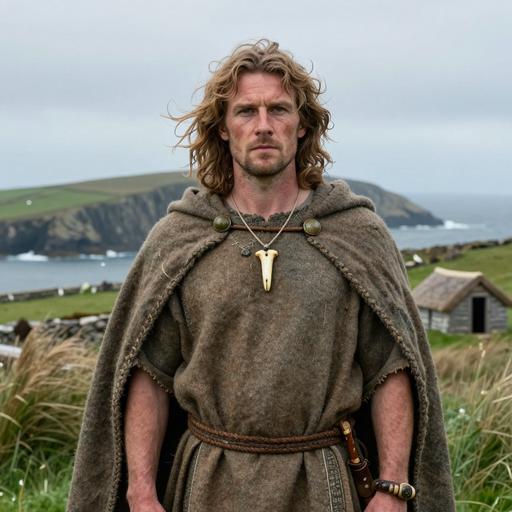
| Individual | Culture/Period | Date | Location | Action |
|---|---|---|---|---|
| Celtic individual, Ireland | Early Bronze Age Ireland | 2031 BCE | Rathlin Island. County Antrim, Ireland | View |
| Celtic individual, Ireland | Neolithic Ireland | 3346 BCE | Ballynahatty. County Down, Ireland | View |
| Celtic individual, Ireland | Early Bronze Age Ireland | 2026 BCE | Rathlin Island. County Antrim, Ireland | View |
| Celtic individual, Ireland | Early Bronze Age Ireland | 1736 BCE | Rathlin Island. County Antrim, Ireland | View |
| Britain N individual, Ireland | 3346 BCE | Ballynahatty. County Down, Ireland | View | |
| Britain Ca Eba individual, Ireland | 2031 BCE | Rathlin Island. County Antrim, Ireland | View | |
| Britain Ca Eba individual, Ireland | 2026 BCE | Rathlin Island. County Antrim, Ireland | View | |
| Britain Ca Eba individual, Ireland | 1736 BCE | Rathlin Island. County Antrim, Ireland | View |
Page 1
| Individual | Culture/Period | Date | Location | Action |
|---|---|---|---|---|
| Celtic individual, Ireland | Early Bronze Age Ireland | 2031 BCE | Rathlin Island. County Antrim, Ireland | View |
| Celtic individual, Ireland | Early Bronze Age Ireland | 2026 BCE | Rathlin Island. County Antrim, Ireland | View |
| Celtic individual, Ireland | Early Bronze Age Ireland | 1736 BCE | Rathlin Island. County Antrim, Ireland | View |
Page 1