


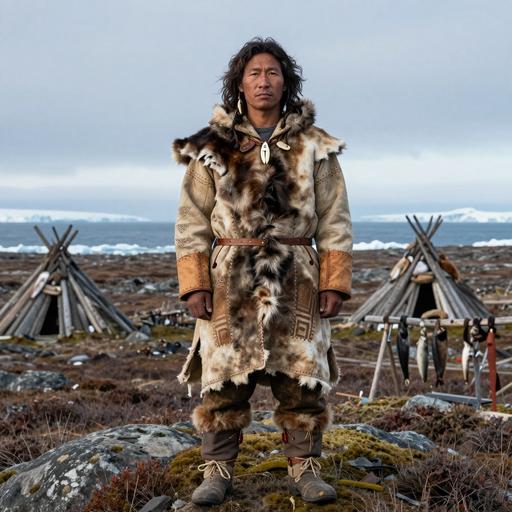
| Individual | Culture/Period | Date | Location | Action |
|---|---|---|---|---|
| Alaska Paleo Aleut individual, USA | Paleo-Aleut Culture, Alaska, USA | 690 CE | Alaska. Aleutian Islands. Umnak Island. Chaluka Midden, USA | View |
| Alaska Ancient Athabaskan individual, USA | Ancient Athabaskan, Alaska, USA 1,100 Years Ago | 1000 CE | Alaska. western interior. Tochak McGrath. Upper Kuskokwim River, USA | View |
| Alaska Ancient Athabaskan individual, USA | Ancient Athabaskan, Alaska, USA 1,100 Years Ago | 1000 CE | Alaska. western interior. Tochak McGrath. Upper Kuskokwim River, USA | View |
| Arctic Cultures individual, Russia | Old Bering Sea Culture Uelen, Russia | 60 CE | Uelen Chukotka. Bering Strait, Russia | View |
| Siberian Hunter-Gatherers individual, Russia | Ust-Belaya Angara Culture, Russia | 2897 BCE | Baikal Region. Angara river basin. Mouth of the Belaya River, Russia | View |
| Arctic Cultures individual, Russia | Old Bering Sea Culture Ekven, Russia | 510 CE | Chukotka. Bering Strait. Ekven, Russia | View |
| Chukotka Old Bering Sea individual, Russia | Old Bering Sea Culture Ekven, Russia | 1050 CE | Chukotka. Bering Strait. Ekven, Russia | View |
| Arctic Cultures individual, Russia | Old Bering Sea Culture Ekven, Russia | 640 CE | Chukotka. Bering Strait. Ekven, Russia | View |
| Arctic Cultures individual, Russia | Old Bering Sea Culture Ekven, Russia | 480 CE | Chukotka. Bering Strait. Ekven, Russia | View |
| Irkutsk N Angara individual, Russia | Ust-Belaya Angara Culture, Russia | 5210 BCE | Baikal Region. Angara river basin. Mouth of the Belaya River, Russia | View |
| Irkutsk N Angara individual, Russia | Ust-Belaya Angara Culture, Russia | 2900 BCE | Baikal Region. Angara river basin. Mouth of the Belaya River, Russia | View |
| Irkutsk Eneolithic individual, Russia | Ust-Belaya Angara Culture, Russia | 1280 CE | Baikal Region. Angara river basin. Mouth of the Belaya River, Russia | View |
| Arctic Cultures individual, Russia | Old Bering Sea Culture Ekven, Russia | 630 CE | Chukotka. Bering Strait. Ekven, Russia | View |
| Arctic Cultures individual, Russia | Old Bering Sea Culture Ekven, Russia | 720 CE | Chukotka. Bering Strait. Ekven, Russia | View |
| Arctic Cultures individual, Russia | Old Bering Sea Culture Ekven, Russia | 690 CE | Chukotka. Bering Strait. Ekven, Russia | View |
| Irkutsk N Angara individual, Russia | Ust-Belaya Angara Culture, Russia | 2570 BCE | Baikal Region. Angara river basin. Mouth of the Belaya River, Russia | View |
| Arctic Cultures individual, Russia | Old Bering Sea Culture Ekven, Russia | 810 CE | Chukotka. Bering Strait. Ekven, Russia | View |
| Chukotka Old Bering Sea individual, Russia | Old Bering Sea Culture Ekven, Russia | 1210 CE | Chukotka. Bering Strait. Ekven, Russia | View |
| Arctic Cultures individual, Russia | Old Bering Sea Culture Ekven, Russia | 970 CE | Chukotka. Bering Strait. Ekven, Russia | View |
| Arctic Cultures individual, Russia | Old Bering Sea Culture Ekven, Russia | 730 CE | Chukotka. Bering Strait. Ekven, Russia | View |
| Arctic Cultures individual, Russia | Old Bering Sea Culture Ekven, Russia | 620 CE | Chukotka. Bering Strait. Ekven, Russia | View |
| Siberian Hunter-Gatherers individual, Russia | Ust-Belaya Angara Culture, Russia | 3950 BCE | Baikal Region. Angara river basin. Mouth of the Belaya River, Russia | View |
| Ancestral Athabaskan individual, USA | Ancient Athabaskan, Alaska, USA 1,100 Years Ago | 1050 CE | Alaska. western interior. Tochak McGrath. Upper Kuskokwim River, USA | View |
| Chukotka Old Bering Sea individual, Russia | Old Bering Sea Culture Uelen, Russia | 830 CE | Uelen Chukotka. Bering Strait, Russia | View |
| Arctic Cultures individual, USA | Paleo-Aleut Culture, Alaska, USA | 730 CE | Alaska. Aleutian Islands. Umnak Island. Chaluka Midden, USA | View |
| Arctic Cultures individual, USA | Paleo-Aleut Culture, Alaska, USA | 350 BCE | Alaska. Aleutian Islands. Umnak Island. Chaluka Midden, USA | View |
| Siberian Hunter-Gatherers individual, Russia | Ust-Belaya Angara Culture, Russia | 2860 BCE | Baikal Region. Angara river basin. Mouth of the Belaya River, Russia | View |
| Arctic Cultures individual, Russia | Old Bering Sea Culture Uelen, Russia | 990 CE | Uelen Chukotka. Bering Strait, Russia | View |
| Siberian Hunter-Gatherers individual, Russia | Ust-Belaya Angara Culture, Russia | 2620 BCE | Baikal Region. Angara river basin. Mouth of the Belaya River, Russia | View |
| Siberian Hunter-Gatherers individual, Russia | Ust-Belaya Angara Culture, Russia | 3790 BCE | Baikal Region. Angara river basin. Mouth of the Belaya River, Russia | View |
| Arctic Cultures individual, Canada | Middle Dorset Culture, Canada | 50 CE | Victoria Island, Canada | View |
| Beringia Ia individual, Russia | 348 BCE | Chukotka. Bering Strait. Ekven, Russia | View | |
| Beringia Ancient individual, USA | 350 BCE | Alaska. Aleutian Islands. Umnak Island. Chaluka Midden, USA | View | |
| Beringia Ema individual, USA | 730 CE | Alaska. Aleutian Islands. Umnak Island. Chaluka Midden, USA | View | |
| America North Ancient individual, USA | 1050 CE | Alaska. western interior. Tochak McGrath. Upper Kuskokwim River, USA | View | |
| Ustbelaya N individual, Russia | 2860 BCE | Baikal Region. Angara river basin. Mouth of the Belaya River, Russia | View | |
| America North Ancient individual, USA | 1050 CE | Alaska. western interior. Tochak McGrath. Upper Kuskokwim River, USA | View | |
| America North Ancient individual, Canada | 50 CE | Victoria Island, Canada | View | |
| Beringia Ma individual, Russia | 990 CE | Uelen Chukotka. Bering Strait, Russia | View | |
| Ustbelaya N individual, Russia | 2620 BCE | Baikal Region. Angara river basin. Mouth of the Belaya River, Russia | View | |
| Ustbelaya N individual, Russia | 2860 BCE | Baikal Region. Angara river basin. Mouth of the Belaya River, Russia | View | |
| Ustbelaya N individual, Russia | 3790 BCE | Baikal Region. Angara river basin. Mouth of the Belaya River, Russia | View |
Page 1
| Individual | Culture/Period | Date | Location | Action |
|---|---|---|---|---|
| Arctic Cultures individual, Canada | Middle Dorset Culture, Canada | 50 CE | Victoria Island, Canada | View |
| Arctic Cultures individual, Canada | Middle Dorset Culture, Canada | 1 CE | Newfoundland. Englee, Canada | View |
| Arctic Cultures individual, Canada | Middle Dorset Culture, Canada | 1 CE | Newfoundland. Port aux Choix, Canada | View |
Page 1