Menu
Store
Blog
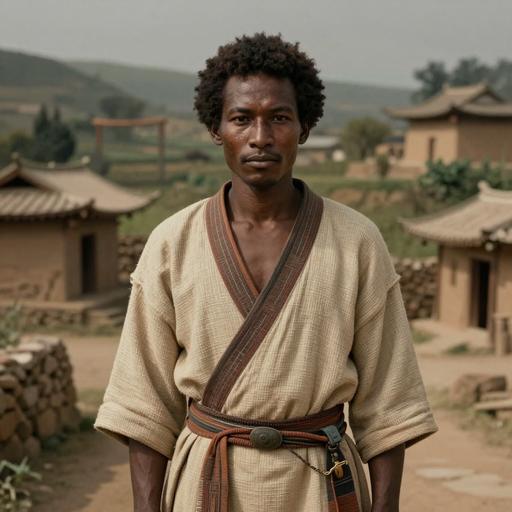
Portrait reconstruction of C3430
Ancient Individual

A man buried in China in the Neolithic era

C3430
1114 BCE - 924 BCE
Male
Tingcun Culture
China
Scroll to begin
Chapter I

Identity

The biological and cultural markers that define this ancient individual

Sample ID

C3430

Date Range

1114 BCE - 924 BCE

Biological Sex

Male

mtDNA Haplogroup

Not available

Y-DNA Haplogroup

O-CTS5308

Cultural Period

Tingcun Culture

Chapter II

Place

Where this individual was discovered

Country China
Locality Tingcun (Shannan)
Coordinates 28.4000, 90.7000
Chapter III

Time

When this individual lived in the broader context of human history

C3430 1114 BCE - 924 BCE
Chapter IV

Story

The narrative of this ancient life

The Tingcun Culture is one of the many prehistoric cultures that flourished in what is now China during the Neolithic period. Although not as widely known as the Yangshao or Longshan cultures, the Tingcun Culture is a significant part of China's prehistoric landscape, representing a step in the socio-cultural evolution of the region.

Geographical Context

The Tingcun Culture is primarily associated with northern China, specifically the province of Shanxi. This region is characterized by its loess plateaus, fertile plains, and proximity to the Yellow River, which played a crucial role in the development of early Chinese civilizations. The climate during the time of the Tingcun Culture was relatively temperate, with distinct seasons that supported agriculture and husbandry.

Chronological Framework

The Tingcun Culture is believed to have existed during the later part of the Neolithic period, around 3000 to 2000 BCE. This period is crucial in Chinese prehistory as it precedes the formation of the Xia Dynasty, often considered the first of the historical Chinese dynasties. This timeline places the Tingcun Culture within a transformative era in which human societies in China were shifting from small, nomadic groups to more settled agricultural communities.

Socio-Economic Structure

Agriculture and Subsistence

The Tingcun Culture, much like its contemporaries, relied heavily on agriculture for sustenance. The main crops likely included millet, which was a staple in northern China during the Neolithic period. Archaeological evidence suggests that the people of Tingcun also practiced animal husbandry, raising domesticated animals such as pigs, dogs, and possibly sheep and cattle.

Settlements and Architecture

Archaeological findings indicate that the Tingcun settlements were relatively small, comprising of a few dozen to several hundred inhabitants. The villages were typically situated near rivers or other water sources, essential for both agriculture and daily living. The houses were usually constructed using local materials such as wood, reeds, and mud. They were built into semi-subterranean pits, which provided insulation from the extremes of temperature.

Material Culture

Pottery

One of the most distinctive features of the Tingcun Culture is its pottery. The ceramics of this culture were utilitarian, with forms including jars, bowls, and pots used for cooking, storage, and serving. The pottery is primarily plain, although some pieces feature simple geometric patterns. The clay was typically fired at low temperatures, and the vessels were made using coiling techniques.

Tools and Technology

The people of Tingcun were skilled in stone tool-making, producing a variety of implements such as axes, adzes, knives, and arrowheads. These tools provided insight into the daily activities of the culture, including farming, hunting, and food processing. Bone tools were also prevalent, demonstrating the utilization of available resources.

Cultural and Ritual Practices

Burial Customs

The burial practices of the Tingcun Culture reveal their beliefs and social structure. Graves were often located on the periphery of settlements, and the dead were typically buried in a supine position with little to no grave goods. This simplicity suggests a society with less pronounced social stratification compared to later periods.

Art and Symbolism

Artifacts such as carved bone objects or decorated pottery pieces indicate that the Tingcun people engaged in artistic expression, which likely held symbolic or ritualistic significance. However, the limited nature of the decoration suggests that art was more functional than ornamental.

Legacy and Influence

While the Tingcun Culture may not have been as influential or widespread as other contemporary cultures like Liangzhu or Longshan, it represents an essential part of the mosaic of Neolithic cultures in China. It provides valuable insights into the transition from nomadic to settled lifestyles and the development of agriculture-based societies.

By contributing to the gradual cultural and technological innovations that characterized Neolithic China, the Tingcun Culture helped lay the groundwork for the emergence of more complex societies, eventually leading to the formation of dynastic rule in the region. Its artifacts and societal structure illuminate the diversity and adaptability of prehistoric peoples, highlighting the intricate web of human development that characterized ancient China.

Chapter V

Context

Other ancient individuals connected to this sample

Use code for 30% off Expires Apr 04