Menu
Store
Blog
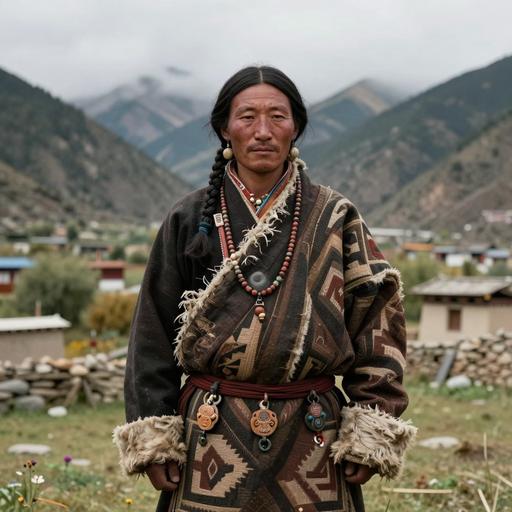
Portrait reconstruction of C3444
Ancient Individual

A man buried in China in the Iron Age era

C3444
43 BCE - 120 CE
Male
Tibetan Plateau Agangrong (40 BCE)
China
Scroll to begin
Chapter I

Identity

The biological and cultural markers that define this ancient individual

Sample ID

C3444

Date Range

43 BCE - 120 CE

Biological Sex

Male

mtDNA Haplogroup

Not available

Y-DNA Haplogroup

O-F20067

Cultural Period

Tibetan Plateau Agangrong (40 BCE)

Chapter II

Place

Where this individual was discovered

Country China
Locality Agangrong (Nyingchi)
Coordinates 30.1000, 95.6000
Chapter III

Time

When this individual lived in the broader context of human history

C3444 43 BCE - 120 CE
Chapter IV

Story

The narrative of this ancient life

The Tibetan Plateau Agangrong culture around 40 BCE presents a fascinating and rich tapestry of human civilization that encapsulates the unique geographical, social, and spiritual elements of the region during this period. While detailed records from that era are sparse, we can piece together a picture based on archaeological findings, oral traditions, and what is known about the broader movements in Inner Asia during that time.

Geographical Context

The Tibetan Plateau, often referred to as \the Roof of the World," is a vast, elevated plateau that accommodates some of the highest climates and most rugged terrains on Earth. Around 40 BCE, the Agangrong culture flourished in an environment characterized by its imposing mountains, expansive grasslands, and deep river valleys. This high-altitude ecosystem influenced every aspect of life, from dietary practices to clothing, housing, and social structures.

Socio-political Organization

The Agangrong culture likely operated on a tribal basis, with extended families or clans forming the nucleus of social organization. These clans were typically led by chieftains or elders, who played significant roles in decision-making, conflict resolution, and interaction with neighboring tribes and cultures.

Economic Activities

The economy of the Agangrong culture would have been predominantly subsistence-based, emphasizing pastoralism as the primary livelihood. Herding of yaks, sheep, and goats would have been central to their survival, providing essential resources like meat, milk, hides, and wool. The cultivation of barley, one of the few crops that could thrive in such a harsh climate, might have begun gaining prominence around this period.

Crafts and Material Culture

Artisans in the Agangrong culture were skilled in creating utilitarian and decorative items from locally sourced materials. Wool, bones, and wood were transformed into clothing, tools, and everyday objects. The art of weaving and textile production, especially using yak and sheep wool, would have been advanced, creating garments necessary for survival in cold weather. Pottery and metallurgy might have been in their nascent stages, indicating an exchange of technology and ideas with neighboring cultures.

Spiritual and Religious Practices

Spirituality in the Agangrong culture was likely deeply intertwined with nature, reflecting the formidable environment they inhabited. Animistic and shamanistic elements probably played key roles in their religious life, with shamans acting as intermediaries between the physical and spiritual realms. Animal spirits, ancestors, and natural phenomena such as rivers and mountains could have been worshipped and invoked for protection, fortune, and guidance.

Cultural Interactions

Even though the region was relatively isolated due to its geography, the Agangrong people would have had contact with other nomadic and settled communities. These interactions could have included trade and cultural exchanges through which technologies, spiritual concepts, and societal structures were shared and adapted.

Challenges and Adaptations

The environment of the Tibetan Plateau presented significant challenges. The Agangrong culture had to adapt to extreme weather conditions, from harsh winters to strong winds. Seasonal migrations may have been common to take advantage of variable grazing lands and to avoid the worst of the cold weather.

Legacy

While specific records of the Agangrong culture's existence and practices in 40 BCE are limited, their legacy can be seen in the enduring resilience, adaptability, and unique cultural attributes of the Tibetan people. The synergy between the environment, spiritual practices, and socio-economic activities laid a foundation for future developments in Tibetan history and culture.

In summary, the Agangrong culture of 40 BCE represents a society deeply attuned to its environment, with rich traditions that reflect the strength and ingenuity required to thrive on the Tibetan Plateau. This era laid the groundwork for the cultural and religious tapestry that would continue to evolve in this remote yet profoundly spiritual region."

Chapter V

Context

Other ancient individuals connected to this sample

Use code for 30% off Expires Apr 04