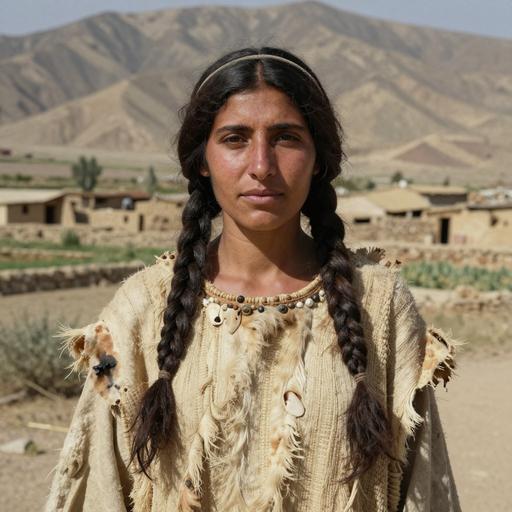
Pre-Pottery Neolithic B of Baja (c. 7500–6000 BCE) refers to an early Holocene Neolithic horizon on the Baja California peninsula characterized by a pre-pottery technological base and a mixed subsistence economy. The designation “Baja PPNB” is used for archaeological phases that show sustained lifeways oriented toward early farming practices in a coastal-desert environment.
Region & Environment
Baja California spans arid to semi-arid landscapes with coastal zones that could support fishing and seasonal harvesting. In such settings, water availability and local productivity would have strongly influenced settlement locations, duration of occupation, and food strategies.
Historical Context
During the late 8th to 6th millennium BCE, Neolithic lifeways were spreading in various forms across the broader Americas, with regional solutions reflecting local ecologies. This interval highlights early agricultural or proto-agricultural activity in Baja California while still relying on local ecological knowledge.
Populations & Lifeways
Populations likely lived in small communities that balanced cultivation with hunting and gathering opportunities. Even when agriculture was present, mobile or seasonally adjusted practices would have helped manage variable coastal and terrestrial resources, supporting resilient year-round subsistence.
Archaeology & Material Culture
Because this is a pre-pottery horizon, key archaeological indicators include stone tools for cutting and processing, worked lithics associated with food preparation, and possible evidence of cultivation or plant-processing activities. Storage and cooking would have used perishable containers or alternative technologies not always preserved archaeologically. Artifact assemblages therefore emphasize lithic technologies and activity areas.
Culture & Society
Social organization in early Neolithic settings typically involved household- and community-level coordination to manage planting schedules, food processing, and seasonal mobility. Shared material traditions and patterned toolkits likely reflect knowledge transmission and cooperation within small groups.
Legacy & Transition
This horizon contributes to understanding how early Neolithic strategies developed in the region prior to later technological and settlement changes. Subsequent periods would be expected to show shifting subsistence emphases and new material technologies as communities adapted to long-term environmental and social change.