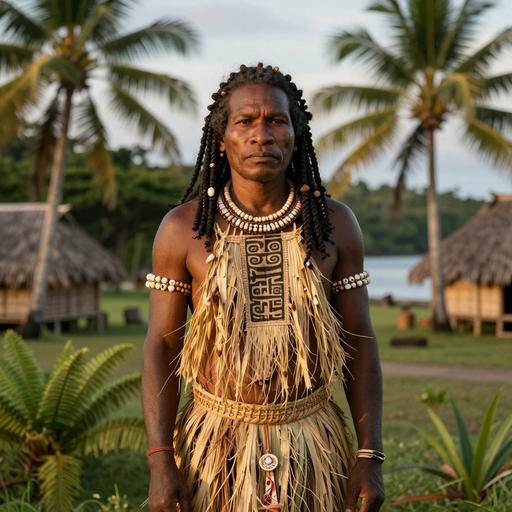
Vanuatu, an archipelago of over 80 islands in the South Pacific Ocean, has a rich and varied history. Around 1,300 years ago, the culture and society of Vanuatu were primarily influenced by its Melanesian roots, further enriched by the interactions and migrations of various Oceanic peoples. This period marks a phase where Vanuatu was a part of the broader Lapita cultural complex, which had a significant impact on the development of societies in the Pacific Islands.
Social Structure and Organization
Clan and Kinship Systems: The societal structure was organized around clans and extended family units. Kinship was pivotal, influencing social roles, inheritance, and community responsibilities. Leadership roles were often assigned based on lineage and age, with elder members usually holding authority and responsibility in decision-making processes.
Chiefdoms: Some islands and communities might have had emerging chiefdom structures, where a chief or leader enjoyed a higher social status and had the responsibility for overseeing trade, resolving conflicts, and conducting important ceremonial duties.
Economy and Subsistence
Agriculture and Horticulture: The inhabitants engaged in subsistence agriculture, cultivating crops such as yams, taro, sweet potatoes, bananas, and coconuts. Slash-and-burn techniques were possibly prevalent for clearing land for cultivation.
Fishing and Marine Resources: The ocean was a crucial resource. Fishing, gathering shellfish, and utilizing marine resources constituted a significant part of their diet. Canoe-building skills were advanced, enabling efficient fishing and inter-island travel.
Craftsmanship and Trade: The production of pottery, tools, and ornaments was well-practiced. Pottery, with its intricate geometric designs, reflects influences from the Lapita culture and was an artifact of trade and cultural exchange across islands, signaling a complex network of interaction and commerce.
Cultural Practices and Beliefs
Spirituality and Religion: The spiritual world was likely animated by animistic beliefs, with spirits inhabiting natural features such as mountains, rivers, and forests. Ancestor worship was probably significant, with rituals conducted to honor and appease ancestral spirits.
Art and Expression: Artistic expression was evident in tattooing, carvings, and body ornamentation. These art forms served as identifiers of social status, achievements, and spiritual protection.
Language and Oral Tradition: Though written records are absent, oral tradition played a pivotal role in preserving history, culture, and knowledge. Storytelling was an important cultural activity, passing down myths, legends, and genealogies through generations.
Housing and Settlements
Dwelling Constructions: Housing structures were likely constructed from locally available materials such as wood, pandanus leaves, and thatch. Villages were built in areas that provided strategic access to resources, including proximity to the sea or fertile land for agriculture.
Settlement Patterns: Communities were often clustered, with social and economic activities centered around communal spaces. Over time, larger and more complex settlements could have developed, showing signs of increased social stratification or complexity.
Environmental Interaction
Adaptation to Environment: The inhabitants demonstrated adeptness at utilizing the diverse environments of the islands, from coastal areas for fishing to interiors for agriculture. This adaptability was crucial for sustaining communities amid environmental changes.
Resource Management: There is evidence that suggests early Vanuatu populations practiced forms of environmental management, understanding the need for sustainable harvests and use of natural resources to prevent depletion.
Conclusion
The society of Vanuatu around 1,300 years ago was dynamic and intricately linked to the broader Austronesian-speaking world. The culture was rich with traditions that balanced environmental stewardship, social organization, and spiritual beliefs. These elements laid the foundation for Vanuatu’s cultural identity, which would continue to evolve with further migrations, external contacts, and internal innovations. Understanding this period provides a glimpse into the resilience and adaptability of the Melanesian culture in the face of the ever-changing landscapes and seascapes they inhabited.