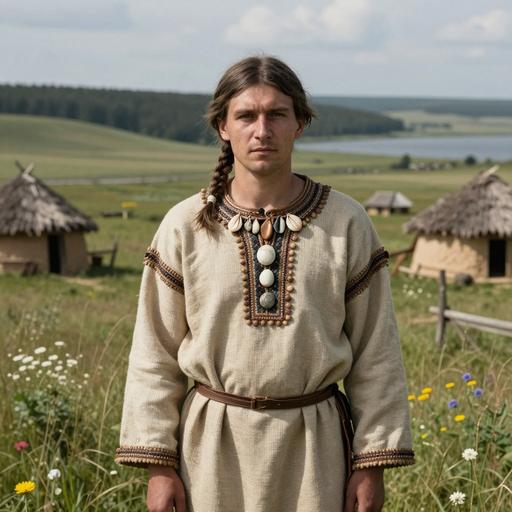
The Yasinovatka culture, a lesser-known yet distinct archaeological culture of Eastern Europe, emerged during a transformative era known as the Eneolithic period or the Copper Age, bridging the Neolithic and the Bronze Age. This period, roughly spanning from the late 4th to the early 3rd millennium BCE, was characterized by the gradual adoption of metalworking alongside established Neolithic practices. The Yasinovatka culture primarily flourished in the steppes and forest-steppe zones of present-day Ukraine and southwestern parts of Russia, particularly along the Dnieper River basin.
Geographic and Environmental Context
The Yasinovatka culture inhabited a region that provides a mix of steppe and forested areas, creating a unique ecological niche. These environments allowed for a balanced adaptation that included both agricultural and pastoral elements in their lifestyle. The river systems, especially the Dnieper, were crucial, offering routes for trade, communication, and resources like fish and water.
Societal Structure
The Yasinovatka community, like many of its contemporaries in the Eneolithic period, likely had a semi-sedentary lifestyle. Small to medium-sized settlements, often comprising pit-houses—semi-subterranean structures insulated against the harsh winters—were typical. The social structure was probably kin-based and egalitarian, with extended families living in close proximity. Evidence from burial practices suggests some level of social differentiation, though not as pronounced as in later Bronze Age cultures.
Economy and Subsistence
The subsistence economy of the Yasinovatka culture was mixed, combining hunting, gathering, agriculture, and animal husbandry. They cultivated crops like barley and wheat and domesticated animals such as cattle, sheep, and goats. Hunting supplemented their diet with wild game, including deer and wild boar.
Their strategic location along major river routes facilitated trade and interaction with neighboring cultures, allowing the exchange of goods, ideas, and technologies, including metalworking skills that started to influence their tool-making practices.
Technological and Artistic Developments
One of the defining features of the Yasinovatka culture was the nascent use of metallurgy, predominantly in the form of copper. Tools and ornaments from this period show a blend of stone and copper, symbolizing a transitional phase in technological evolution.
Pottery from this culture often featured decorations with cord impressions and geometric patterns, reflecting both utilitarian purposes and artistic expression. These ceramics, crucial for storage and cooking, offer significant insight into the everyday lives of the Yasinovatka people.
Spiritual and Burial Practices
The Yasinovatka culture had a rich spiritual life, as evidenced by their burial customs. Graves were often part of larger burial grounds or kurgans, which raised mounds of earth above them. Some burials included grave goods such as pottery, weapons, and ornaments made of bone, stone, or copper, indicating beliefs in an afterlife or reverence for ancestors.
The presence of anthropomorphic and zoomorphic figurines suggests a spiritual belief system that included the veneration of deities or spirits associated with nature and fertility. Ritual practices may have played a significant role in community cohesion and cultural continuity.
Cultural Interactions and Legacy
The Yasinovatka culture’s interactions with neighboring tribes and groups, such as the Tripolye–Cucuteni to the west and the later Pit–Comb Ware cultures to the north, were vital for cultural dissemination and technological advancement. These interactions enabled the exchange of ideas and commodities, through which the Yasinovatka people contributed to the broader narrative of prehistoric European cultures.
Over time, the influence of the Yasinovatka culture waned as populations migrated and environmental changes prompted cultural shifts, leading to the emergence of new cultural entities. However, their legacy persists in the archaeological record, offering a window into the formative processes that shaped early European societies.
Conclusion
The Yasinovatka culture represents a critical period in the prehistoric timeline of Eastern Europe, marked by innovation, adaptation, and cultural exchange. While not as extensively documented or monumental as some contemporaneous cultures, the Yasinovatka people contributed to the technological and social foundations that would eventually lead to more complex societal organizations in the Bronze Age. Their study aids in understanding the dynamics of cultural development and interaction on the prehistoric European landscape.