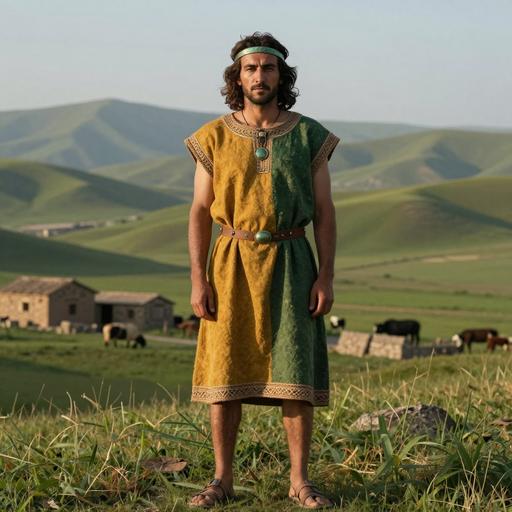
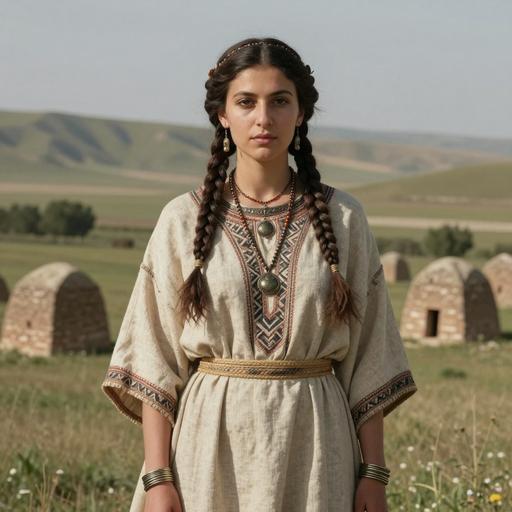
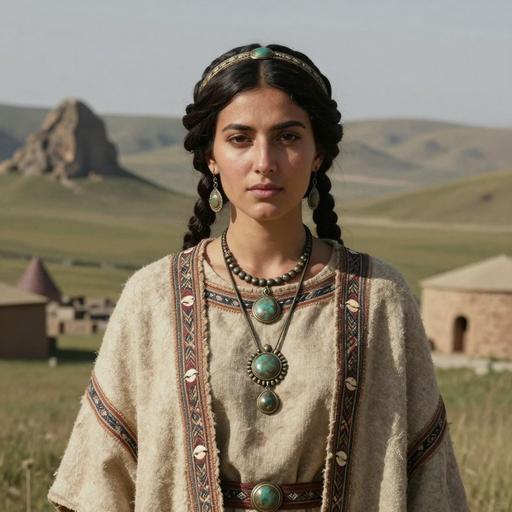
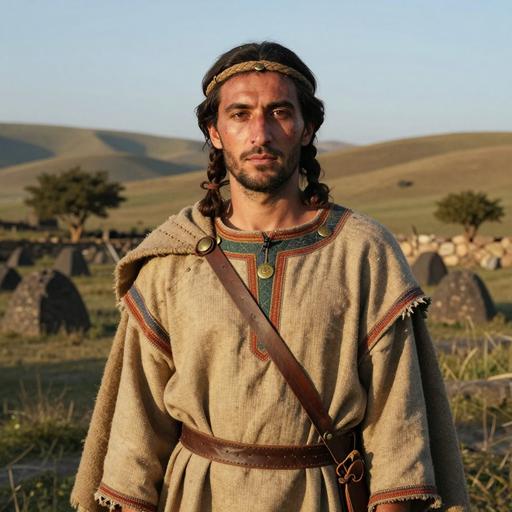
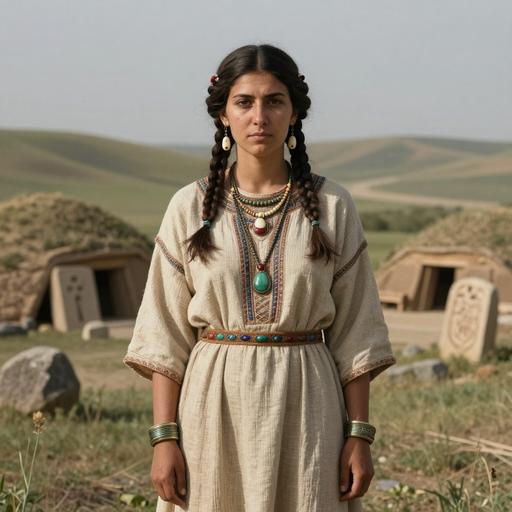
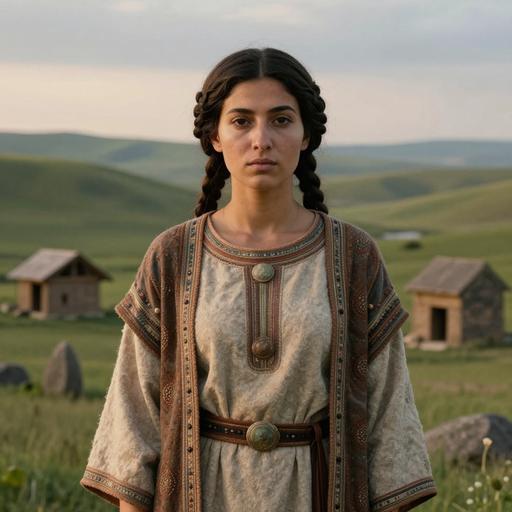
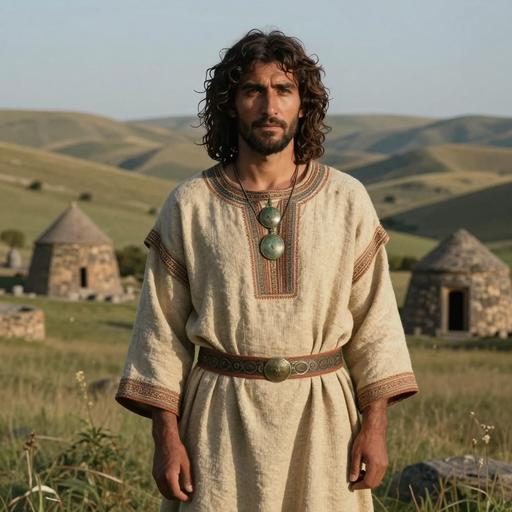
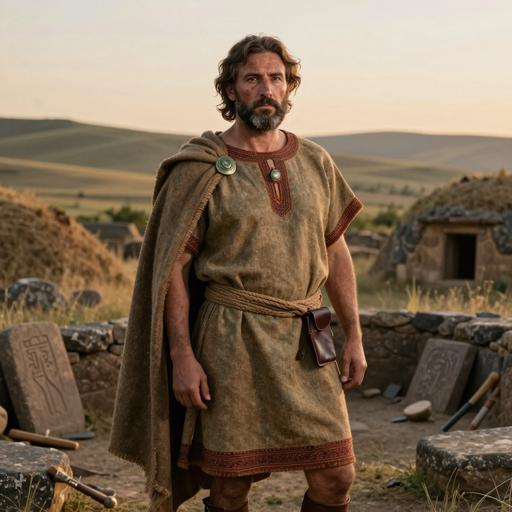
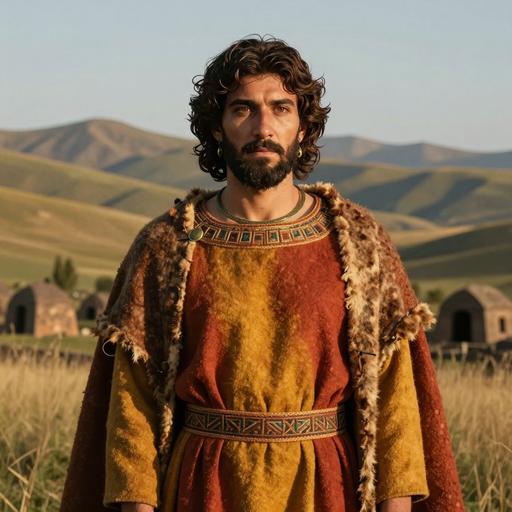
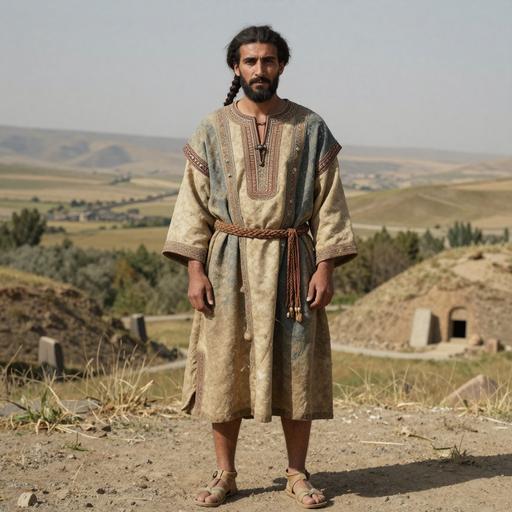
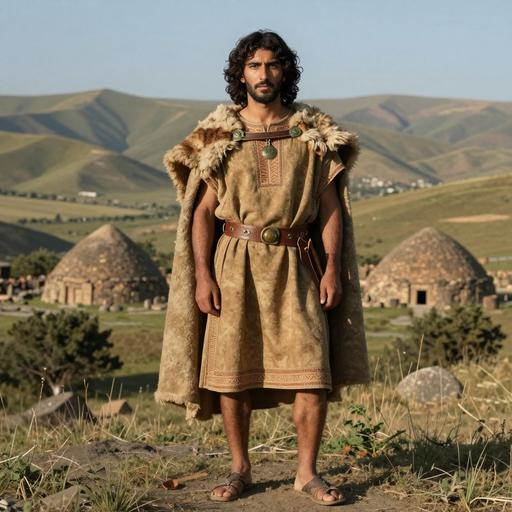
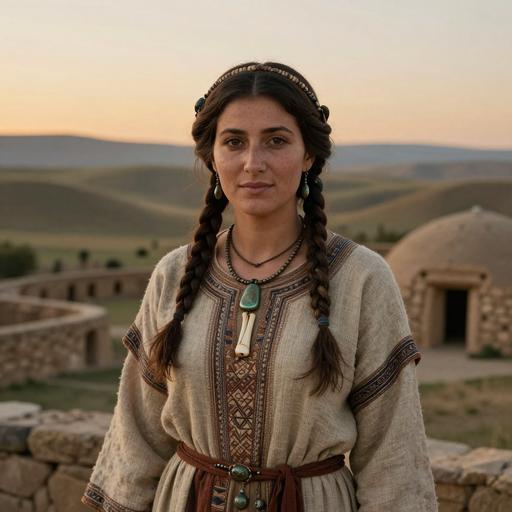
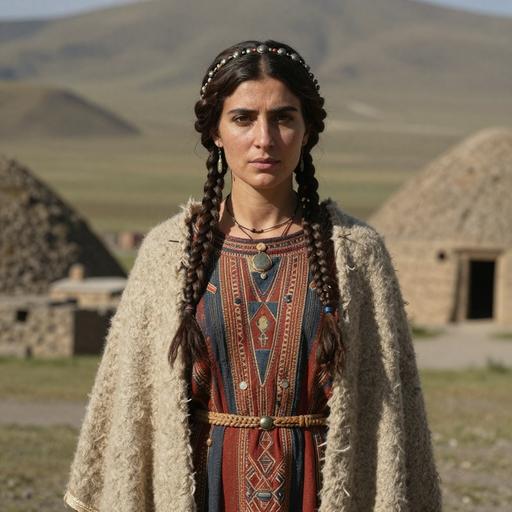
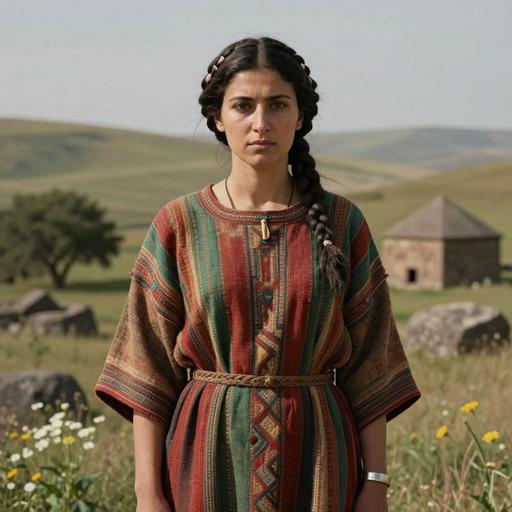
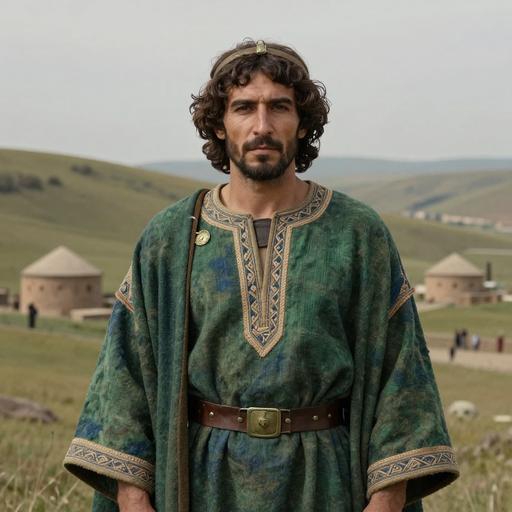
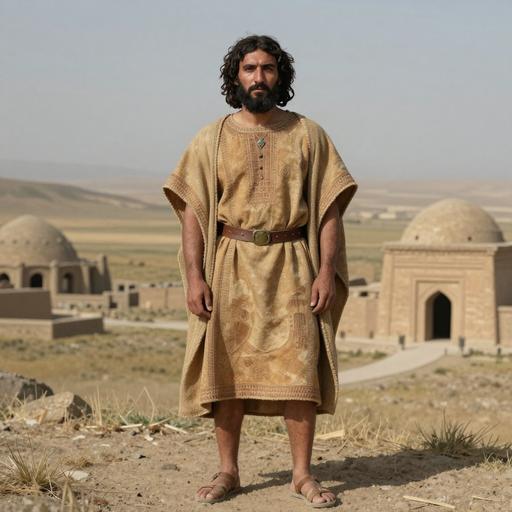
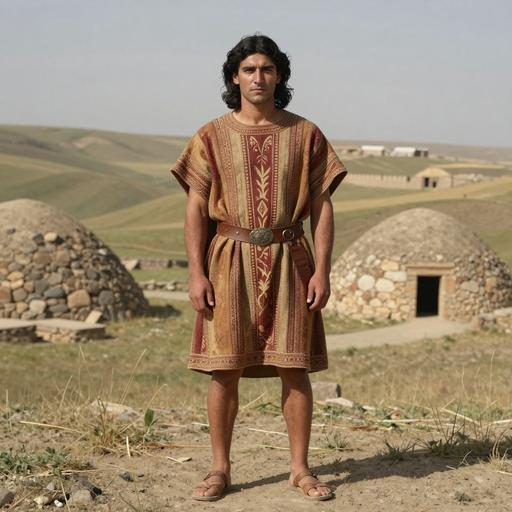
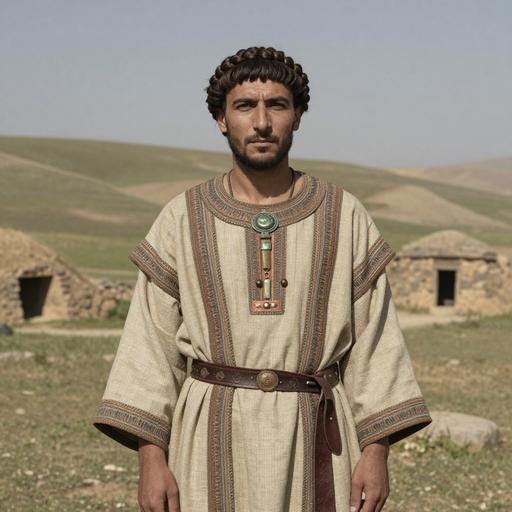
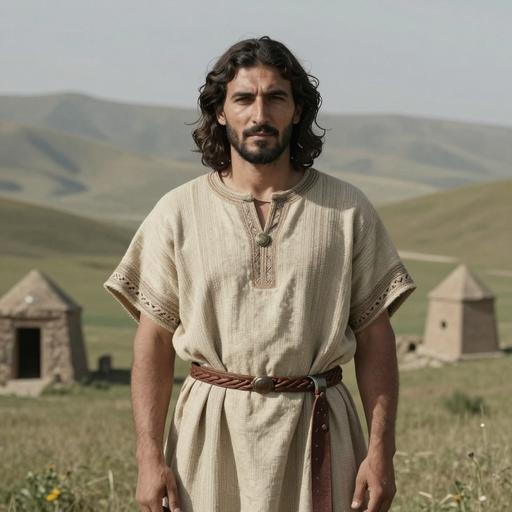
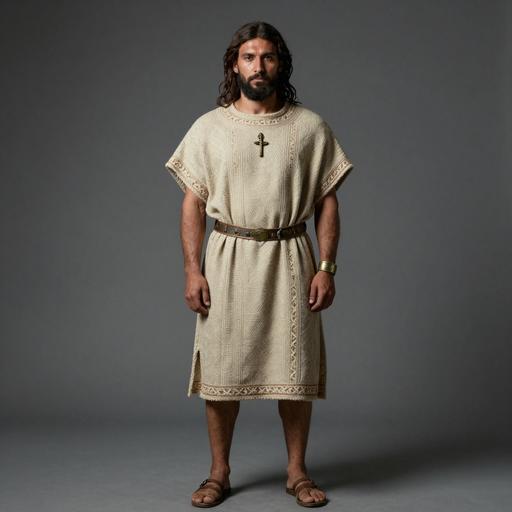
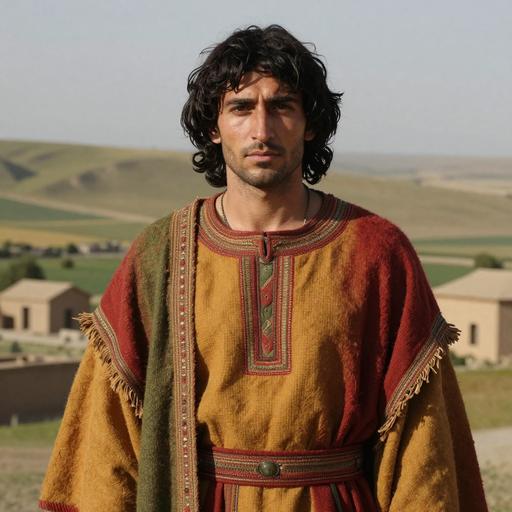
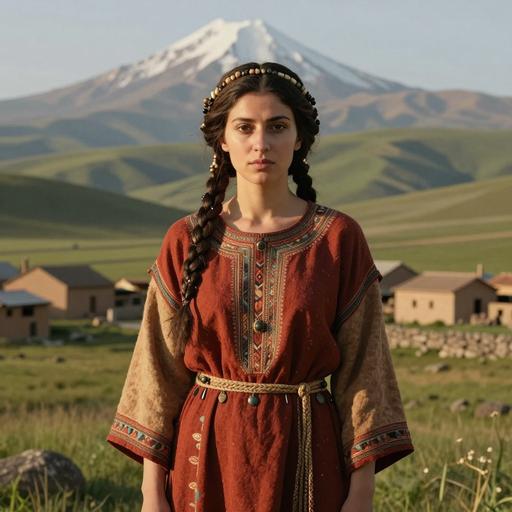
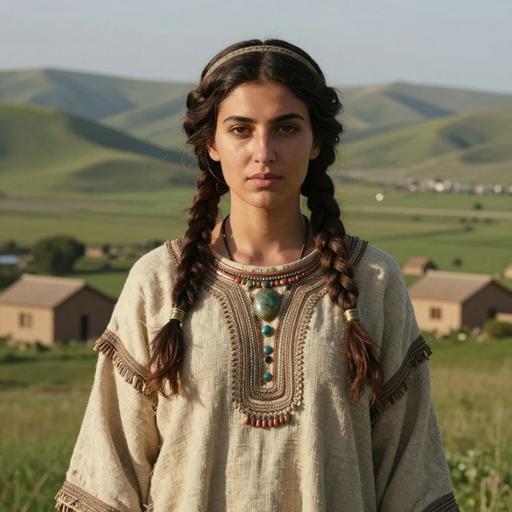
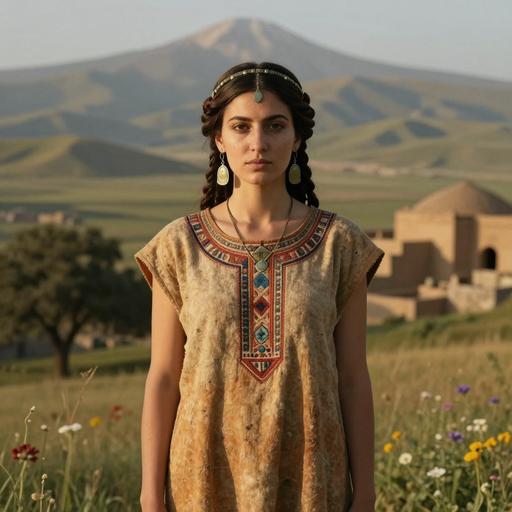
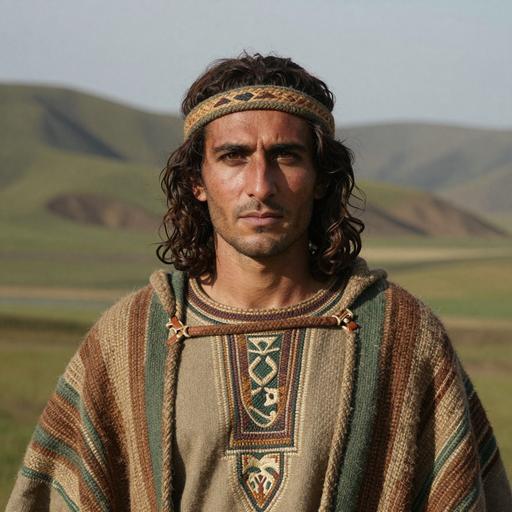
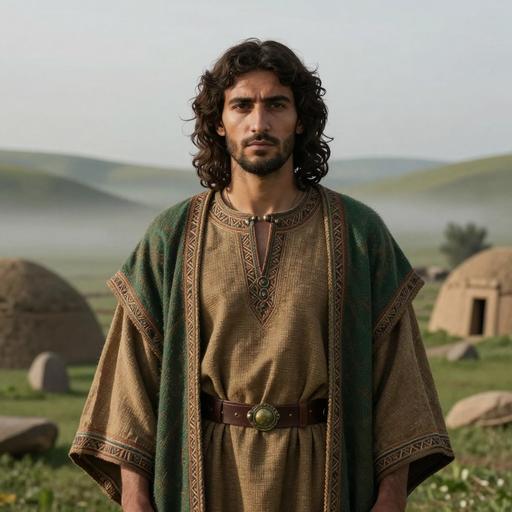
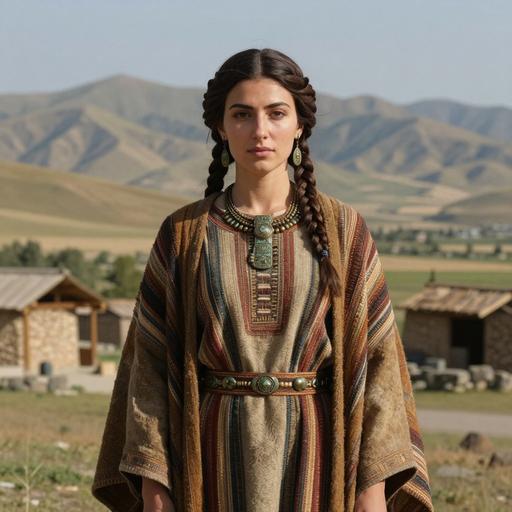
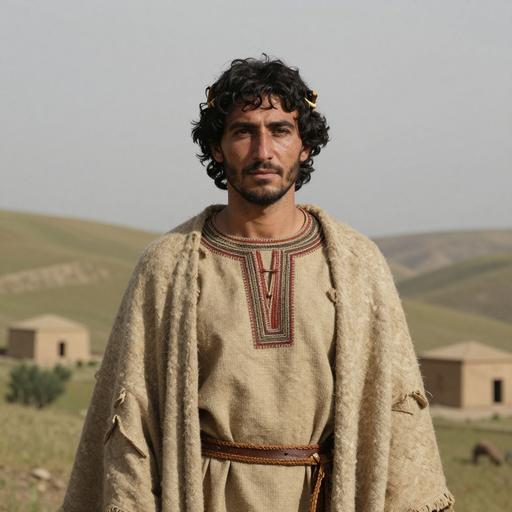
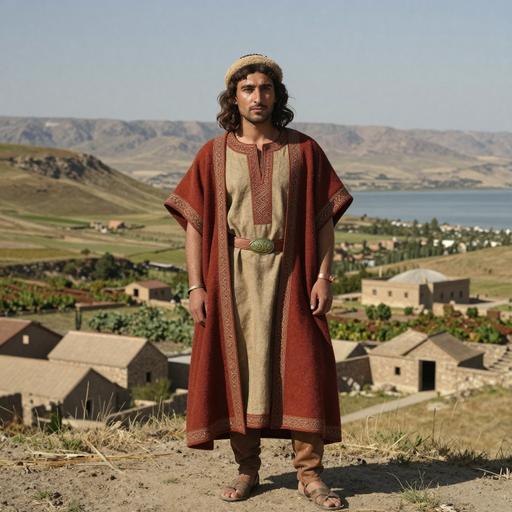
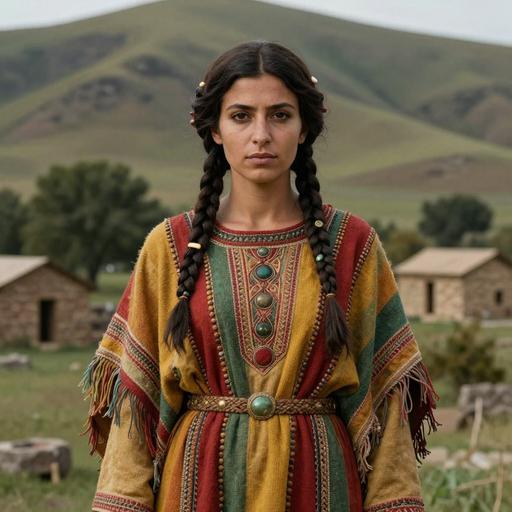
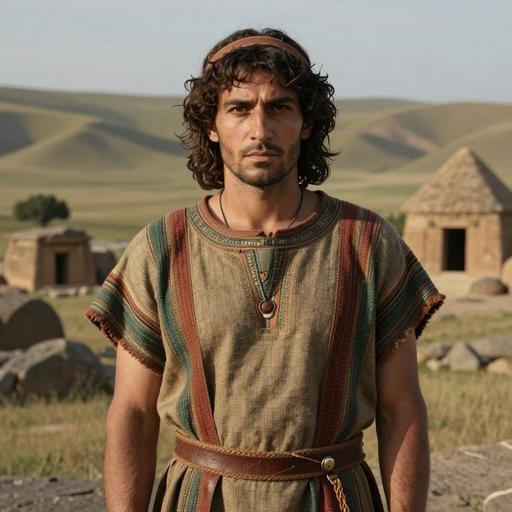
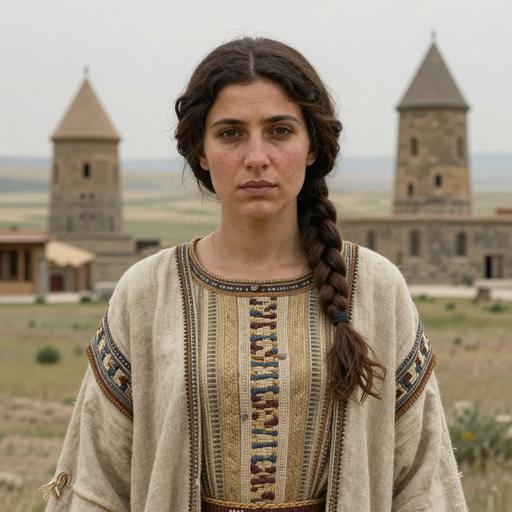
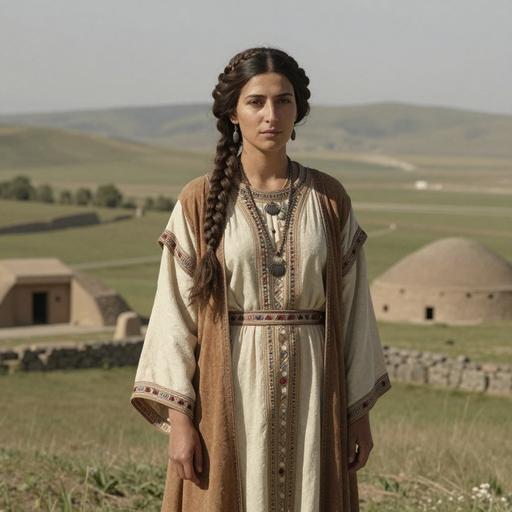
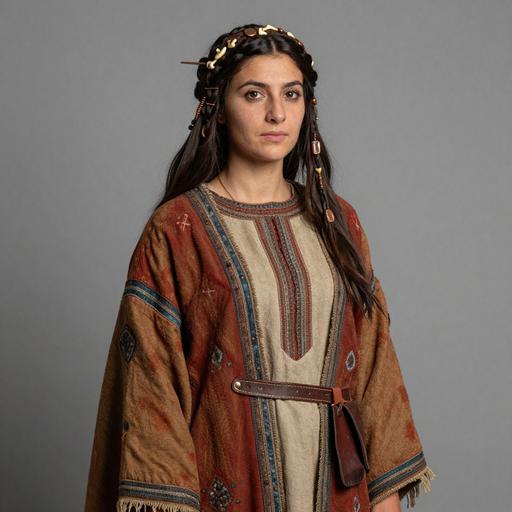
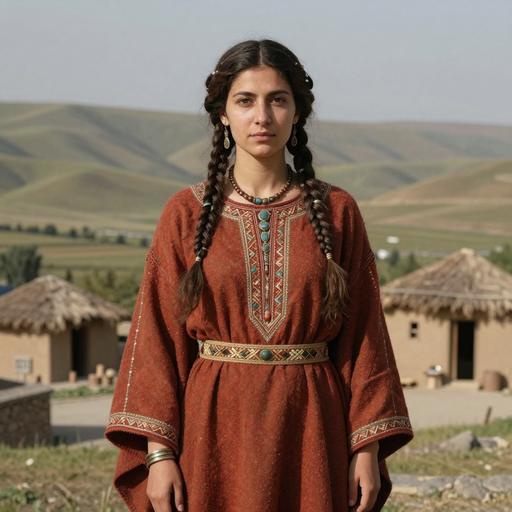
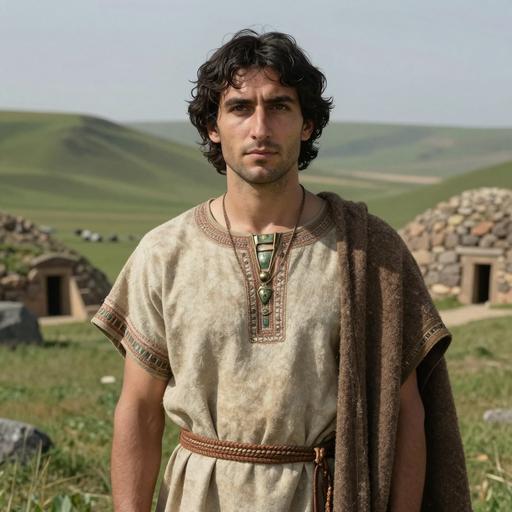
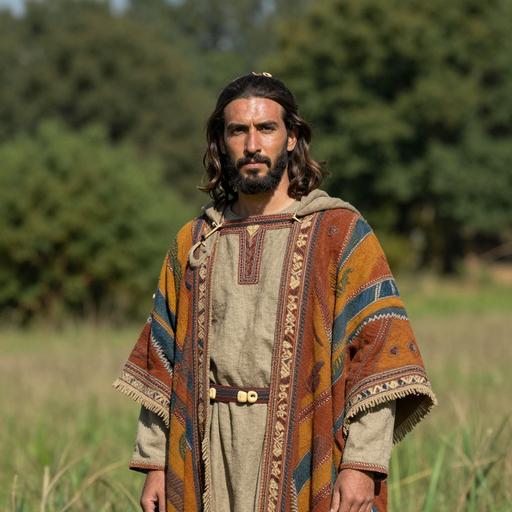
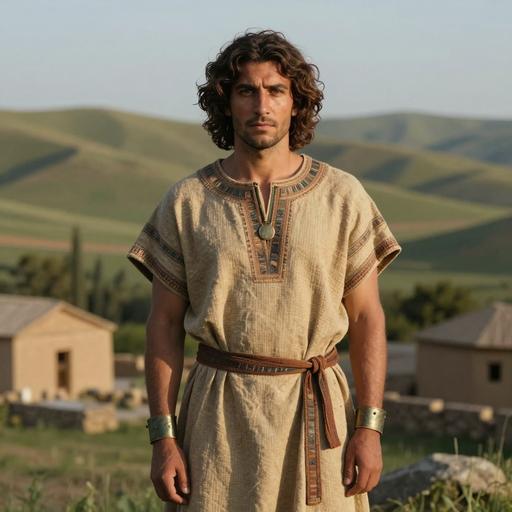
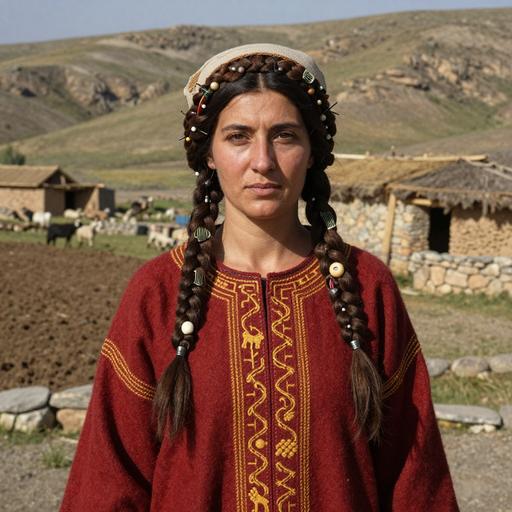
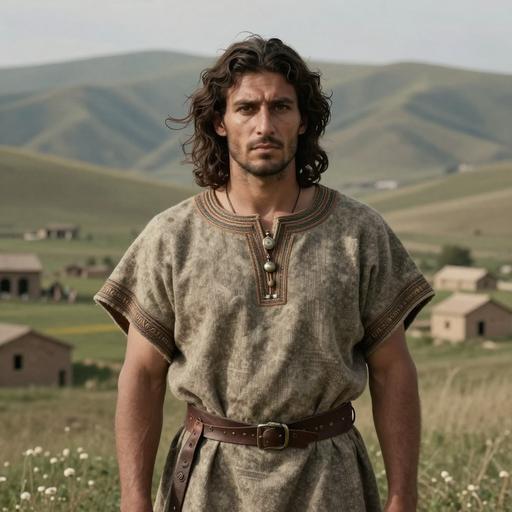
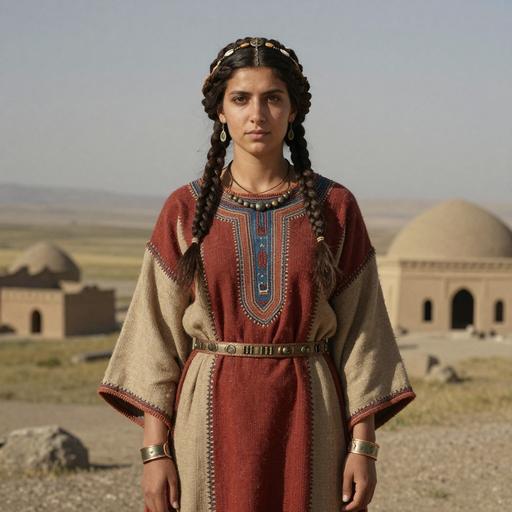
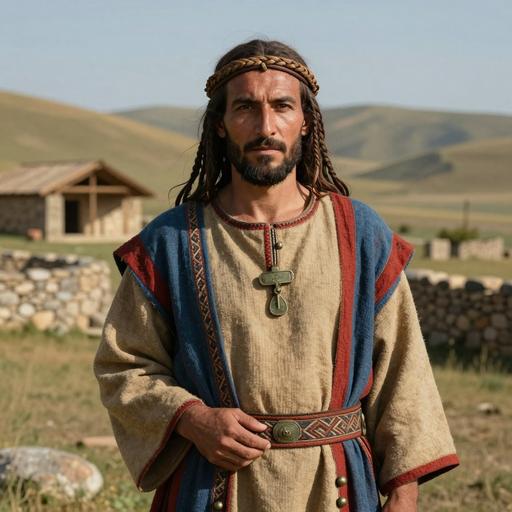
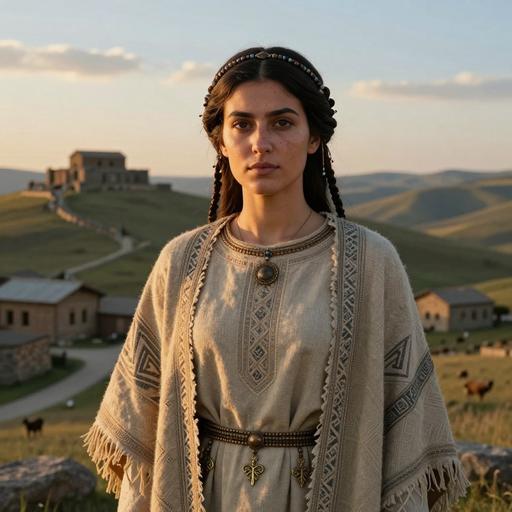
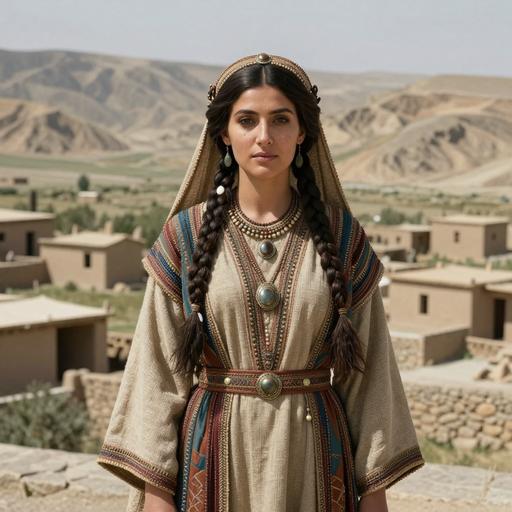
Armenia_LBA (1439–805 BCE) encompasses cemeteries across the Armenian highlands. Archaeological and genetic data from 47 individuals reveal diverse maternal lineages and sparse paternal markers, reflecting local continuity and connections to neighbouring Near Eastern and steppe networks.
The interactive map is unavailable. Browse the sample catalog for recorded locations.
Timeline
1200 BCE
Late Bronze Age communities active across Armenian highlands
Cemeteries such as Karashamb and Lori Berd are in use; material culture shows regional continuity with exchange across Anatolia and the Near East.
Origins & Emergence
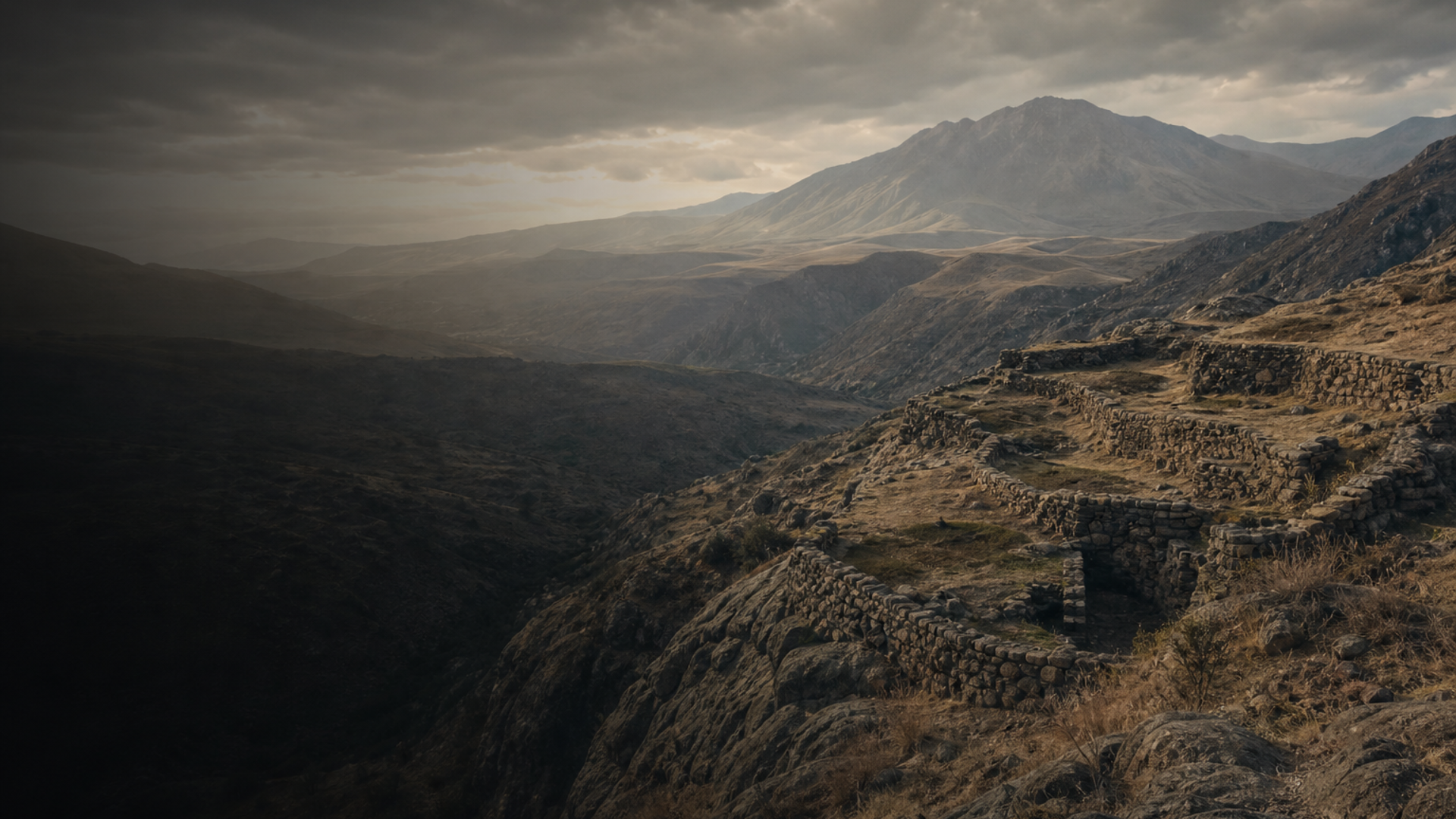
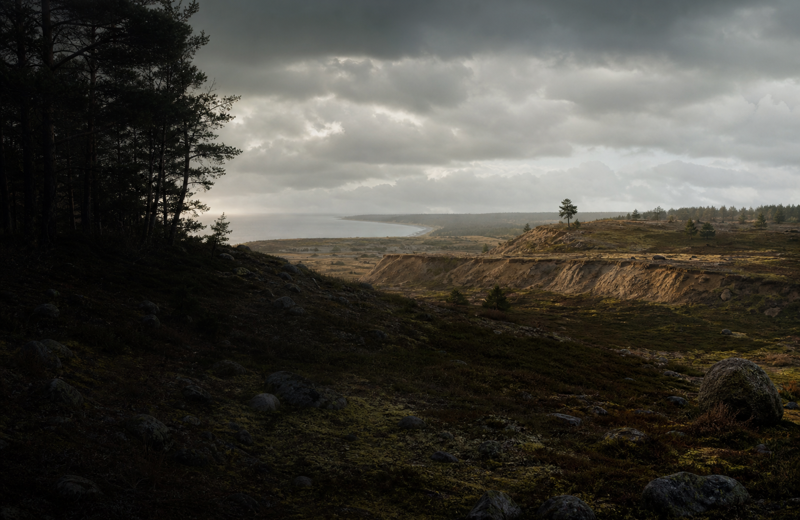
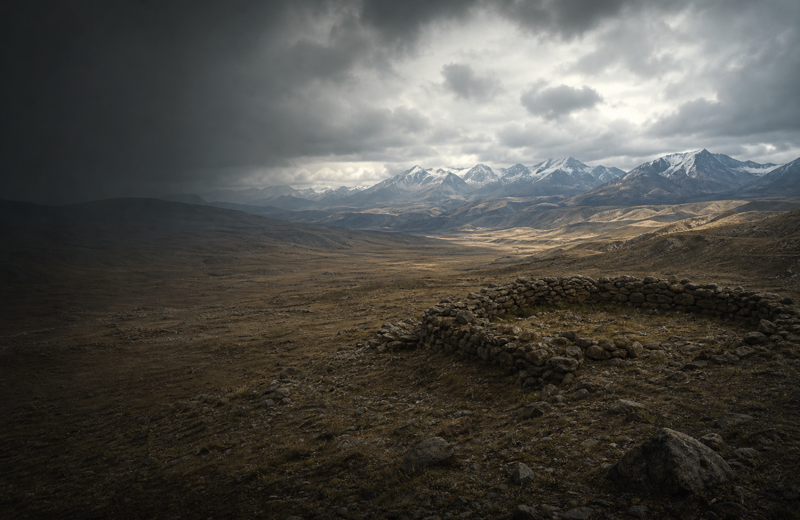
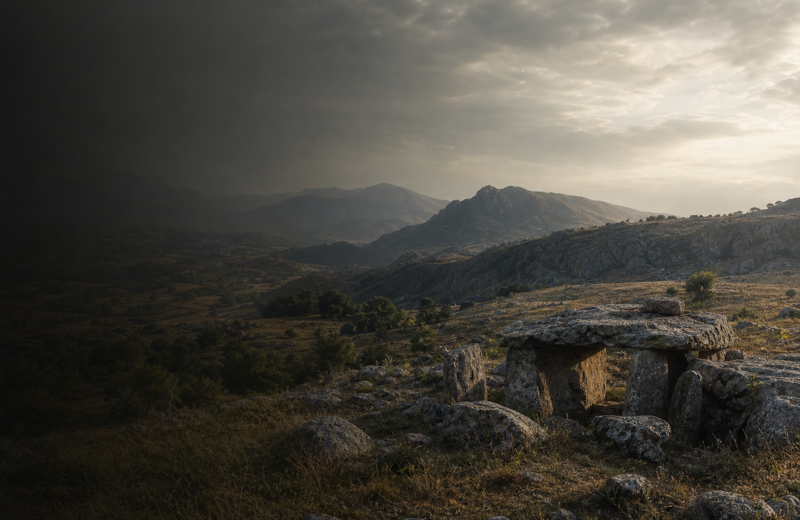
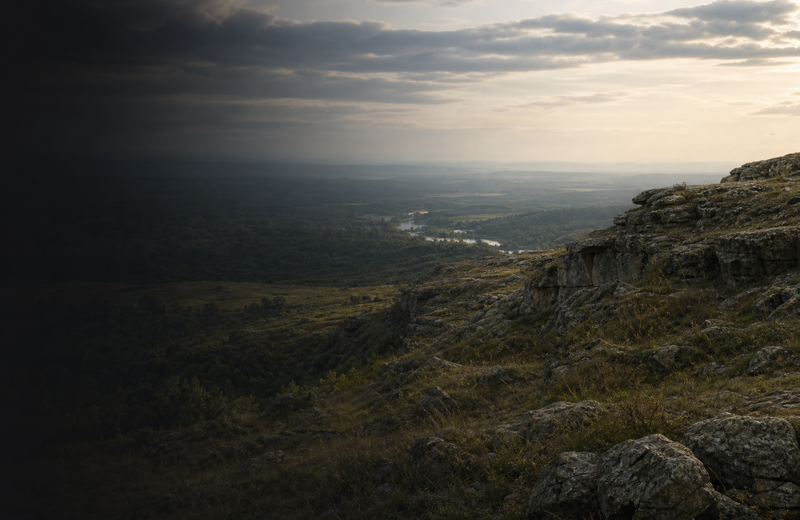
The Armenia_LBA assemblage sits on the high, weathered shoulders of the Armenian plateau between 1439 and 805 BCE. Archaeological data from key burial grounds — Lori Berd cemetery, Karashamb Cemetery, Nerkin Getashen, Tekhut, and others — paint a picture of communities anchored to river valleys and trade corridors that threaded Anatolia, the Caucasus and the Near East. Material culture recovered from cemeteries and nearby settlements (bronze tools and weapons, pottery styles, funerary furnishings) indicates local traditions layered atop long-standing regional networks. Radiocarbon dates cluster across the Late Bronze Age into the early Iron Age, a period when rising polities to the west and the emergence of Urartian power to the southeast reshaped power dynamics.
Limited evidence suggests continuity with earlier Bronze Age populations in the southern Caucasus, while archaeological parallels with Anatolian and Iranian highland assemblages point to sustained exchange. Monumental architecture is less common in the cemetery record than in later Urartian centers, but funerary variability—simple pit burials to richer graves—suggests social differentiation. The landscape itself—rocky defiles and fertile valleys—channelled mobility: communities practiced mixed agropastoralism and participated in long-distance exchange that carried metals, ideas, and perhaps people. While artifacts evoke broad cultural connections, archaeological interpretation must remain cautious: burial samples are selective snapshots, and many settlements remain poorly explored.
Samples dated 1439–805 BCE from multiple Armenian cemetery sites
Material culture shows local traditions with Anatolian and Near Eastern links
Evidence indicates mixed agropastoral economy and social differentiation
Daily Life & Society
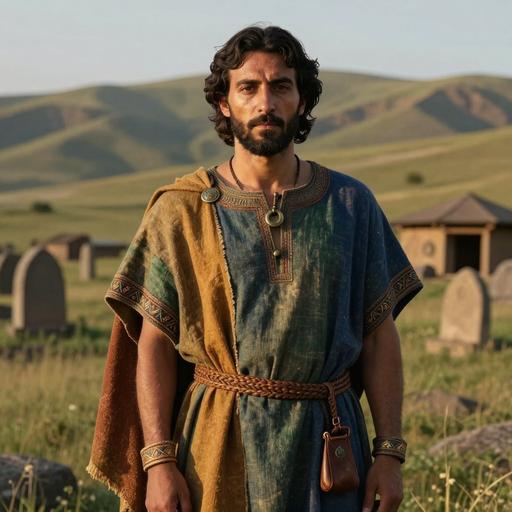
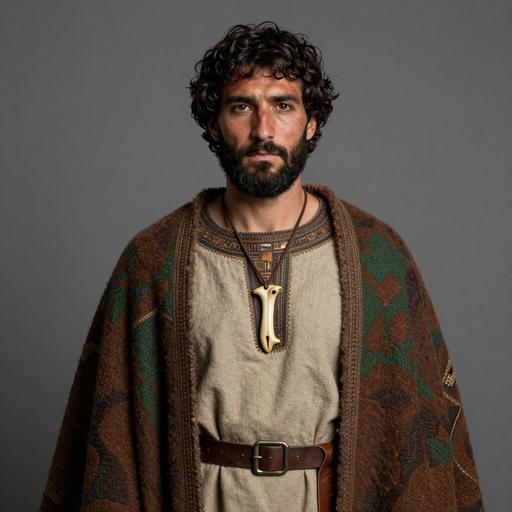
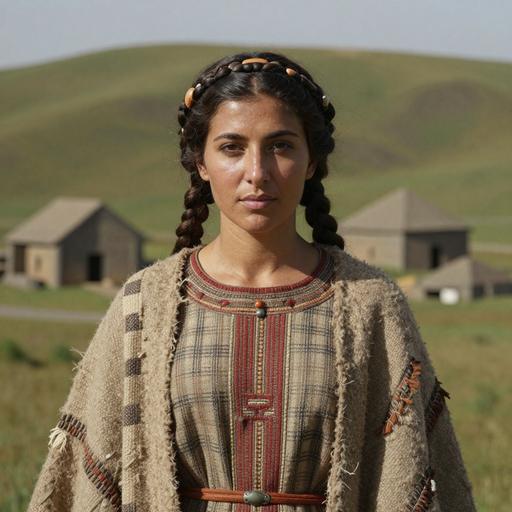
Archaeological remains hint at lives lived between stone ridgelines and fertile river terraces. House plans are infrequently preserved in cemetery-focused assemblages, but pottery, loom weights, metal tools and animal bones recovered near burial grounds suggest households that combined cereal cultivation, sheep and cattle herding, and specialist crafts such as textile production and bronze-working. Funerary deposits—personal ornaments, occasional weapons, and ceramic vessels—offer windows into social identity: some graves contain richer goods implying higher status or specialized roles, while many burials are modest, reflecting a spectrum of wealth.
Seasonal mobility appears to have been important. Ethnographic and palaeobotanical indicators imply transhumant practices—moving herds to summer pastures—complementing valley agriculture. Trade lifelines connected these highland communities to copper and tin sources and to finished metalwork circulating across Anatolia and Mesopotamia. Limited evidence of imported pottery and metal types suggests access to long-distance exchange networks rather than large-scale colonization. Ritual behaviour in graves—orientation, grave construction and offerings—varied across sites, pointing to regional customs and possibly to changing beliefs as new political entities rose and fell. Overall, the archaeology preserves an image of resilient, adaptable communities skillfully negotiating a rugged landscape and complex political horizons.
Mixed farming, herding, and craft production indicated by finds
Grave goods show social differentiation and participation in long-distance exchange
Genetic Profile
The Armenia_LBA dataset comprises 47 individuals dated to 1439–805 BCE from cemeteries including Karashamb, Lori Berd, Nerkin Getashen, Tekhut, Keti, Noratus, Sarukhan and Kapan. Mitochondrial DNA diversity is notable: haplogroups U (8 individuals), T (5), K (4), J (4) and N (3) are the most common. These maternal lines reflect a mixture of deep Caucasian/European hunter-gatherer-associated lineages (U) and haplogroups widespread in the Near East and Anatolia (T, K, J), consistent with archaeological signals of long-term regional continuity and exchange.
Y-chromosome diversity in the dataset is sparse: single occurrences of haplogroups I, R and J are recorded. Because Y-sample counts are low and represent a minority of the total, interpretations about male-mediated migration must remain cautious. The autosomal profiles of Armenia_LBA individuals broadly indicate ancestry components typical of the South Caucasus Late Bronze Age — a blend of local Caucasus/Near Eastern ancestry with varying input related to populations carrying steppe-derived ancestry farther north. This pattern fits genomic clines seen across Bronze Age West Eurasia: local continuity punctuated by gene flow from neighbouring regions.
While 47 samples offer a meaningful window, geographic sampling is uneven and some lineages remain rare; therefore, population-level inferences should be framed as provisional. Future sampling from settlements and additional male remains would sharpen our understanding of sex-biased processes, kinship, and mobility in the Armenian highlands.
47 individuals show diverse maternal lineages (U, T, K, J, N)
Y-DNA observations are few (I, R, J single occurrences) — interpret with caution
Legacy & Modern Connections
The Armenia_LBA communities inhabited a crossroads where mountains funneled commerce, cultures and genes. Genetic continuity in maternal lineages (notably haplogroup U and Near Eastern-associated mtDNA) suggests enduring local roots in the highlands; at the same time, the presence of lineages associated with wider West Eurasian networks points to centuries of interaction. Archaeological and genetic continuity provides a plausible substrate for later cultural formations in the region, including the rise of the Urartian state in the early first millennium BCE and the ethnogenesis of subsequent populations.
However, the story is not one of unbroken sameness. Iron Age state formation, subsequent migrations, and millennia of trade and conquest have layered additional ancestries onto the Bronze Age foundation. Modern Armenians carry complex admixture shaped by these long-term processes; the Armenia_LBA data supplies an important chapter of that prehistory, anchoring narratives of regional continuity while highlighting the dynamic exchanges that have always shaped the Caucasus. Because later demographic events also contributed substantially, direct one-to-one links between individual ancient haplotypes and present-day surnames or communities should be avoided.
Maternal continuity suggests deep local roots; genetic data aligns with archaeological continuity
Later historical migrations and state formation reshaped the genetic landscape; links to modern groups are complex
Late Bronze Age Armenia - Armenia - Karashamb Cemetery
Armenia Armenia_LBA 1400-900 BCE
mt: W3a1a1
Late Bronze Age Armenia - Armenia - Norabak
Armenia Armenia_LBA 1212 BCE
Y: J-L283mt: I5c
Late Bronze Age Armenia - Armenia - Noratus
Armenia Armenia_LBA 1201 BCE
mt: U4c1
Late Bronze Age Armenia - Armenia - Kapan
Armenia Armenia_LBA 1196 BCE
mt: H6b
AI Assistant
AI Assistant
by DNAGENICS
Unlock this feature
Ask questions about the Armenia, Late Bronze Resonance culture. Our AI assistant can explain genetic findings, historical context, archaeological evidence, and modern connections.
AI-generated interpretation of genetic similarity, not proof of ancestry. Informational only, not professional advice.
Read full notice
Before you continue: the analysis you are about to generate is produced by an AI model. AI output can be incomplete, inaccurate, or simply wrong. It describes statistical genetic similarity to reference populations and is not proof of ancestry, ethnicity, identity, or descent. It is provided for informational and educational purposes only, and is not medical, diagnostic, genealogical, legal, or other professional advice. Do not rely on it to make health, financial, legal, or family decisions. To the fullest extent permitted by applicable law, DNA Genics, S.L. accepts no liability for any loss or decision arising from your use of this AI output.
Sample AI Analysis
The Armenia, Late Bronze Resonance culture represents a fascinating chapter in human history...
Genetic analysis reveals connections to earlier populations while showing evidence of unique adaptations and cultural innovations. The ancient DNA samples provide insights into migration patterns, social structures, and the biological relationships between ancient populations.
This is a preview of the AI analysis. Unlock the full AI Assistant to explore detailed insights about: