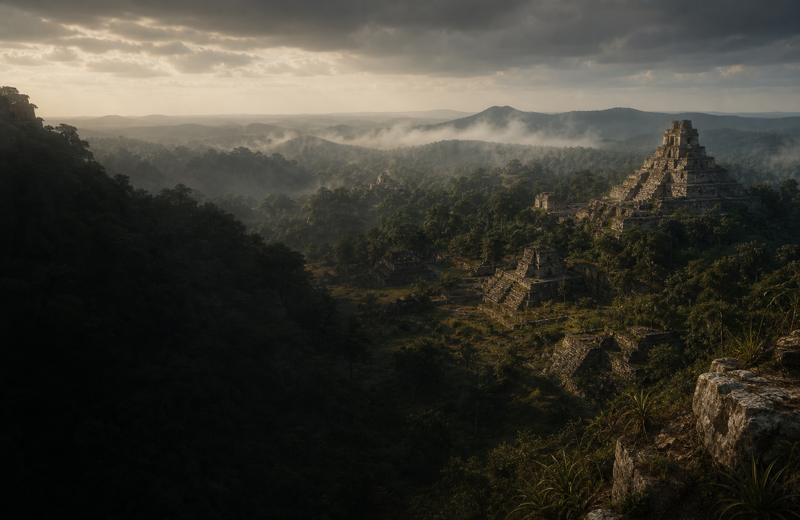
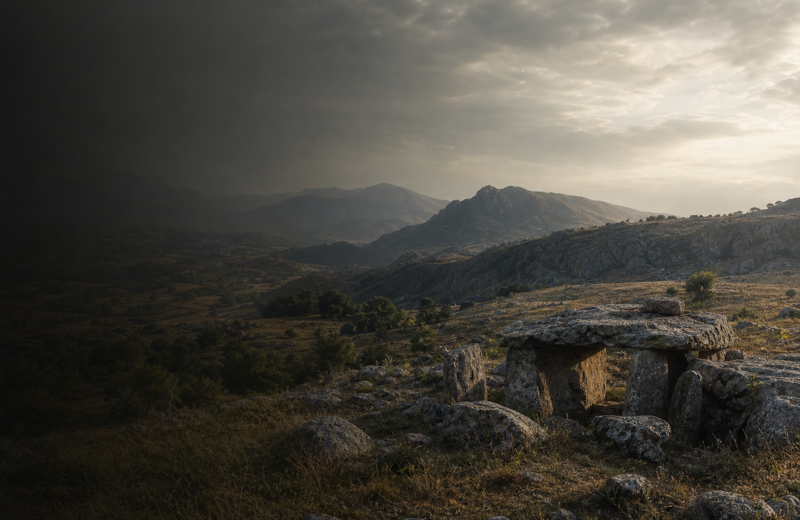
Archaeological remains from Morocco and the Canary Islands (8400 BCE–1500 CE) and 69 ancient genomes reveal a complex tapestry: local Epipalaeolithic roots, Neolithic transformations, island founder events (Guanche), and multilayered genetic ancestry blending North African, Eurasian, and sub‑Saharan elements.
The interactive map is unavailable. Browse the sample catalog for recorded locations.
Timeline
8400 BCE
Earliest Epipalaeolithic presence
Archaeological layers in Morocco show hunter‑gatherer occupations that form the deep roots of later North African sequences.
5000 BCE
Early Neolithic communities
Sites like Ifri n'Amr or Moussa record early farming and herding practices during the Neolithic transition in Morocco.
500 BCE
Colonization of the Canary Islands (approx.)
Archaeological and genetic data indicate small pioneering groups reached Tenerife and Gran Canaria, establishing the Guanche cultural horizon (date approximate).
Origins & Emergence
The story begins in the sheltering rock and alluvial valleys of Morocco. Archaeological layers spanning the Epipalaeolithic–Neolithic transition (the earliest samples in this dataset date to c. 8400 BCE) show hunter‑gatherer lifeways gradually layering with early farming practices. Key Moroccan sites sampled here — Ifri n'Amr or Moussa, Kelif el Boroud, Kaf Taht el‑Ghar, and Skhirat‑Rouazi — preserve a sequence of stone tools, early domesticates, and burial practices that mark local cultural continuity and regional exchange.
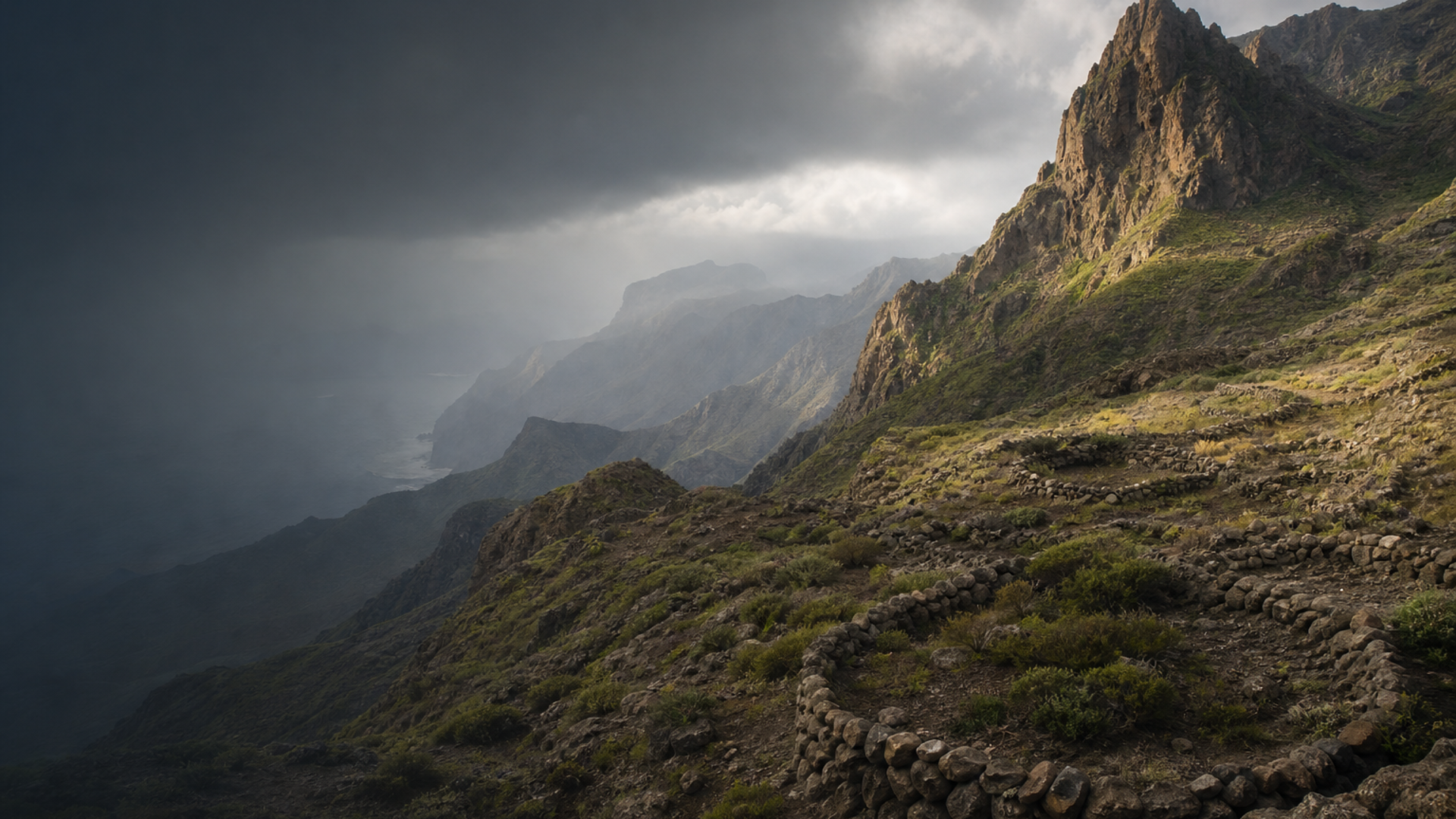
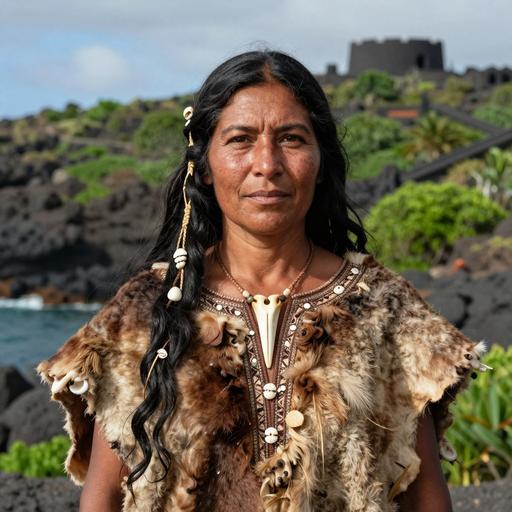
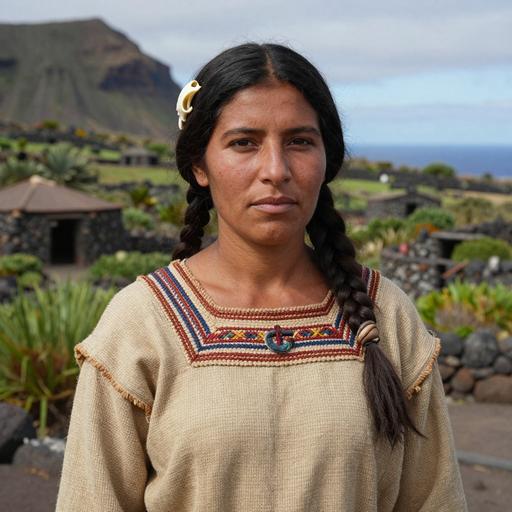
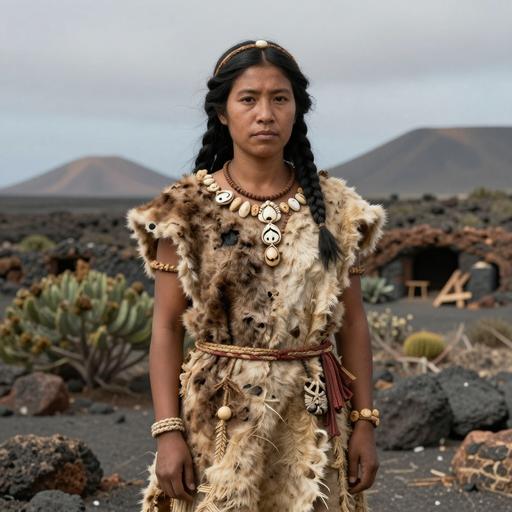
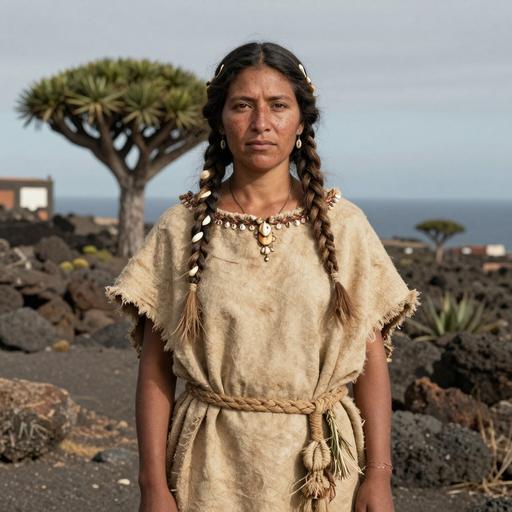
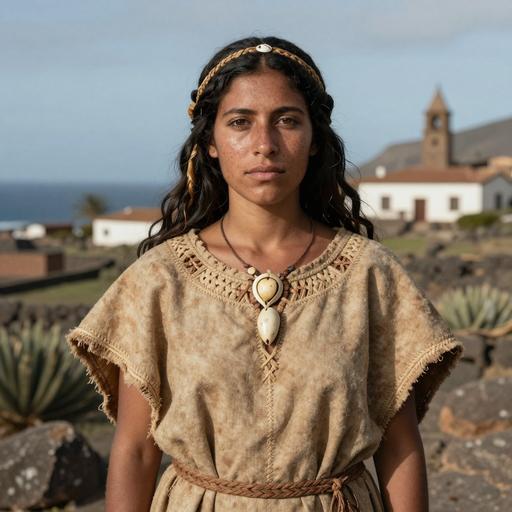
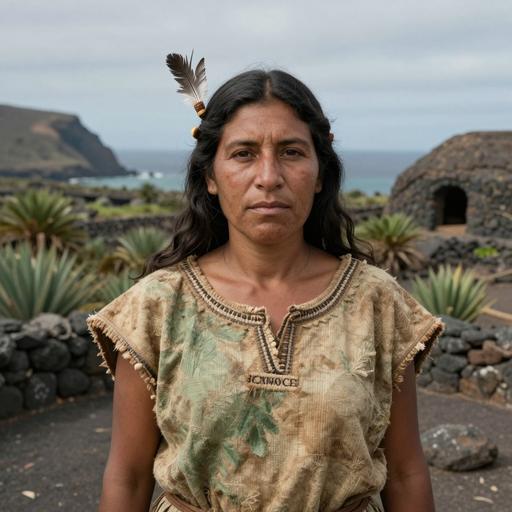
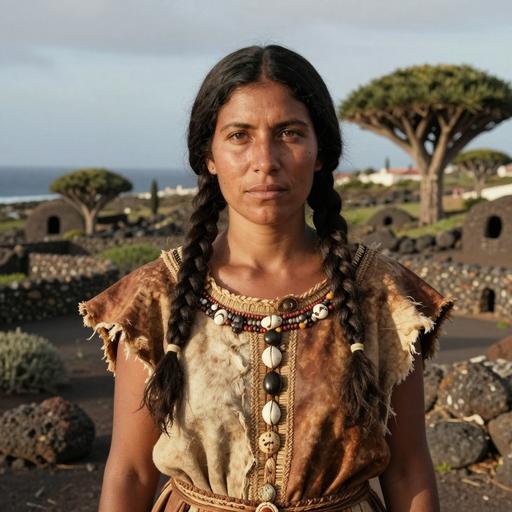
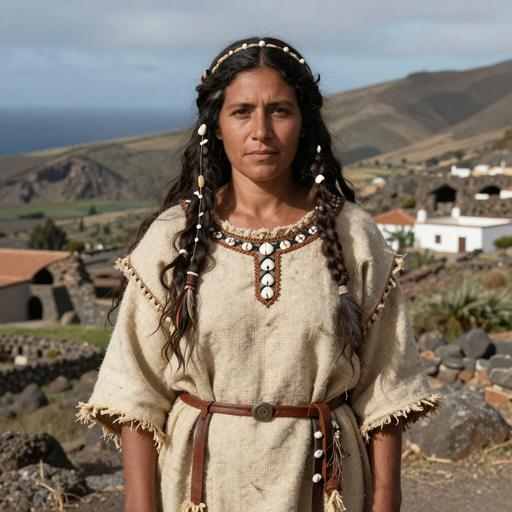
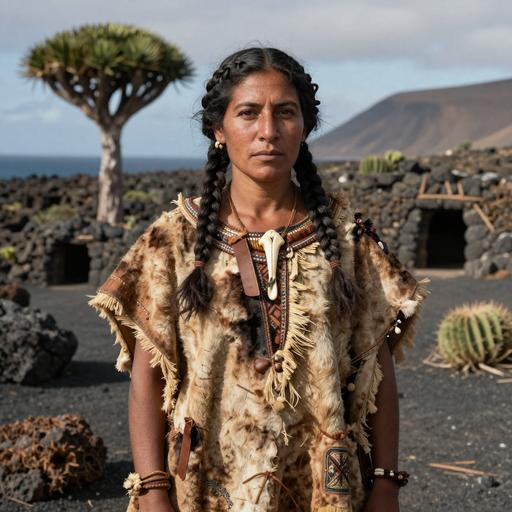
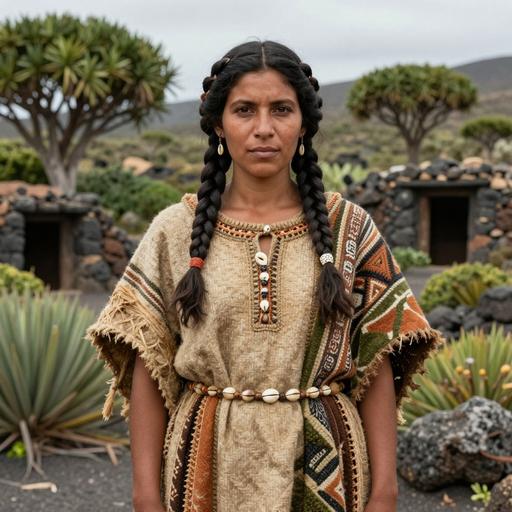
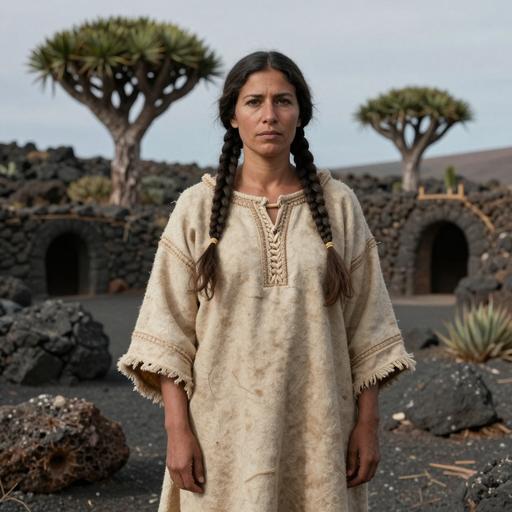
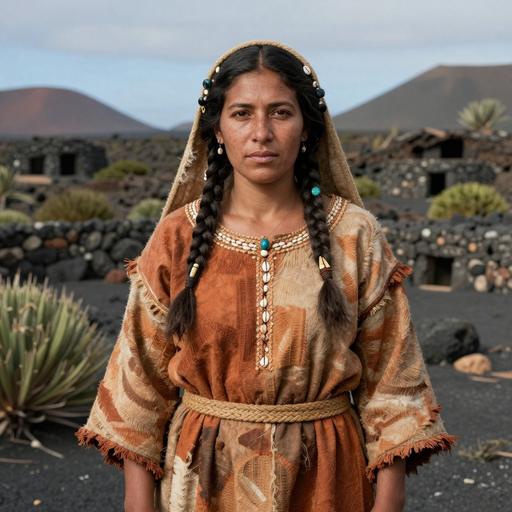
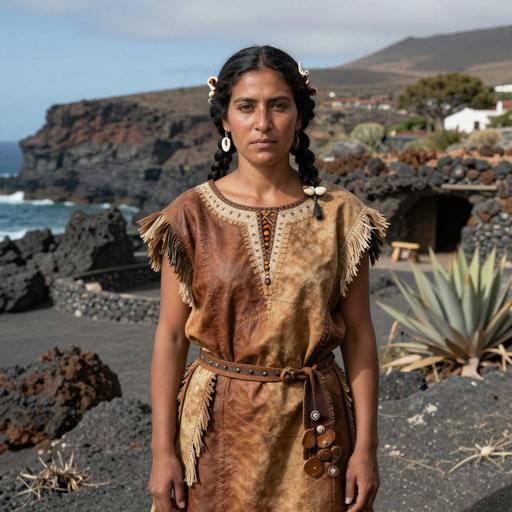
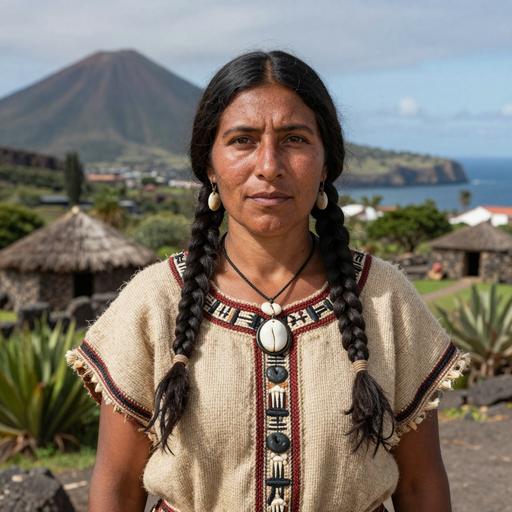
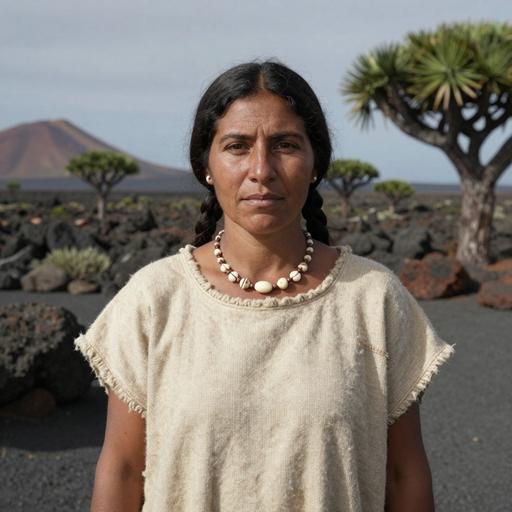
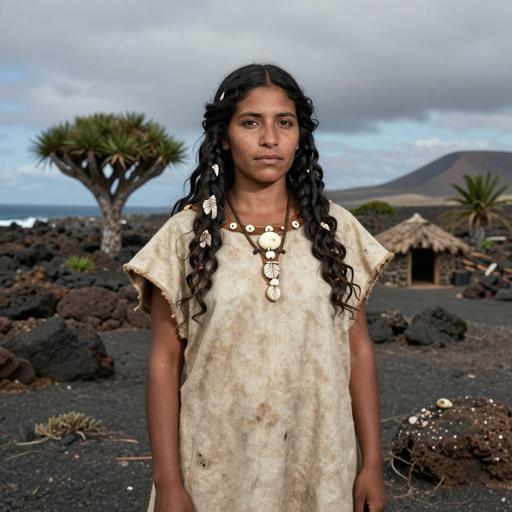
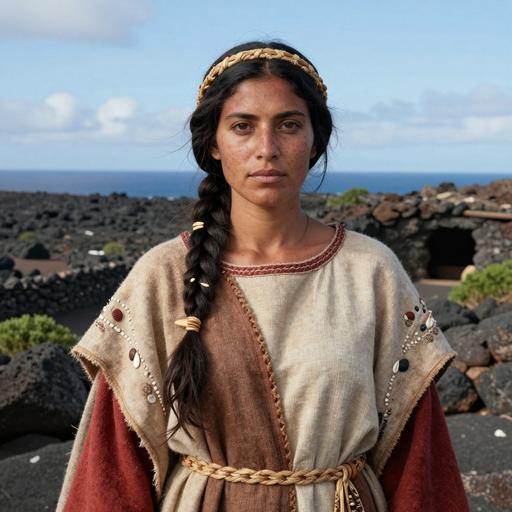
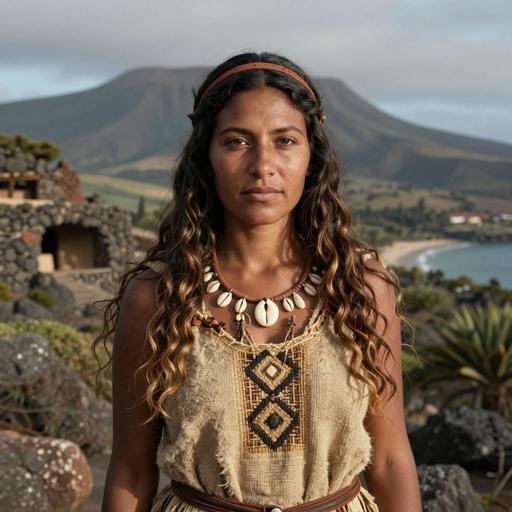
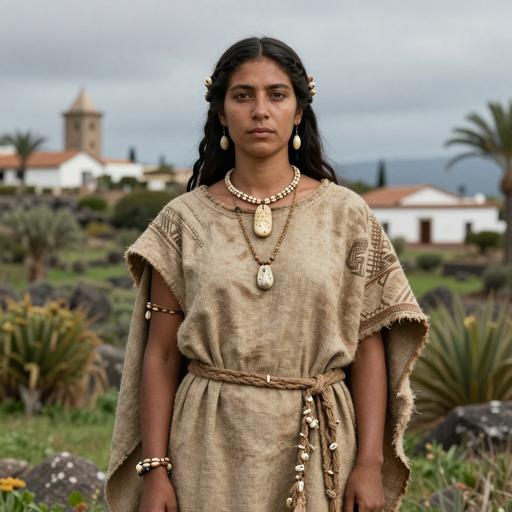
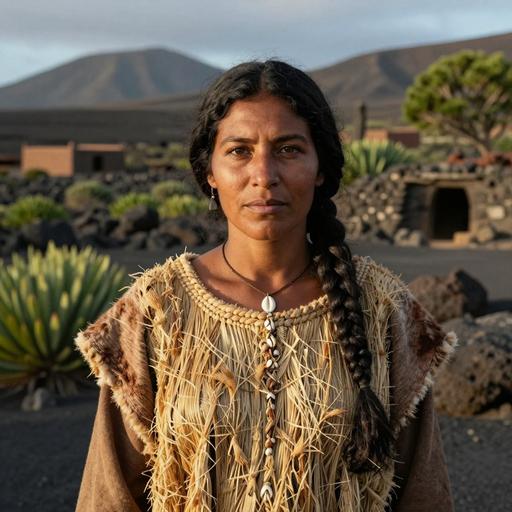
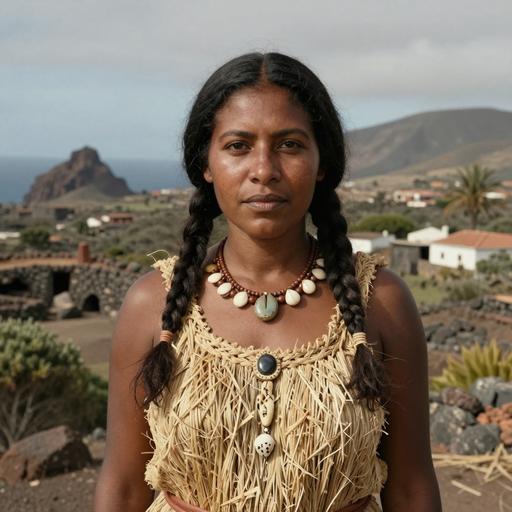
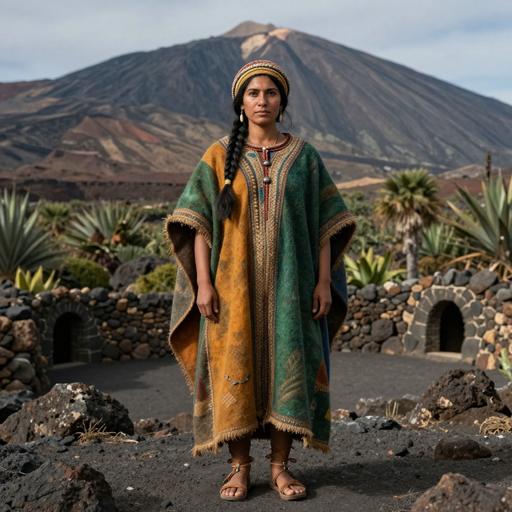
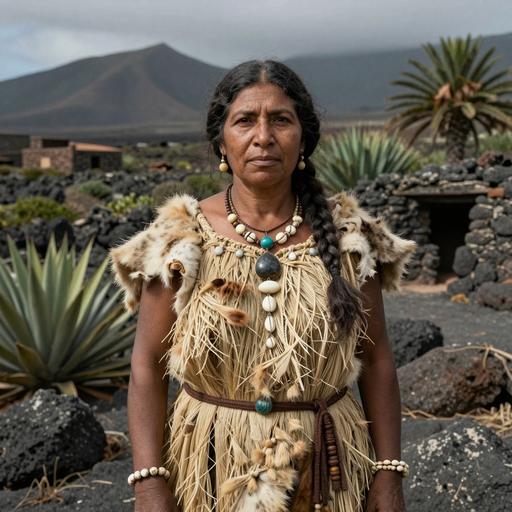
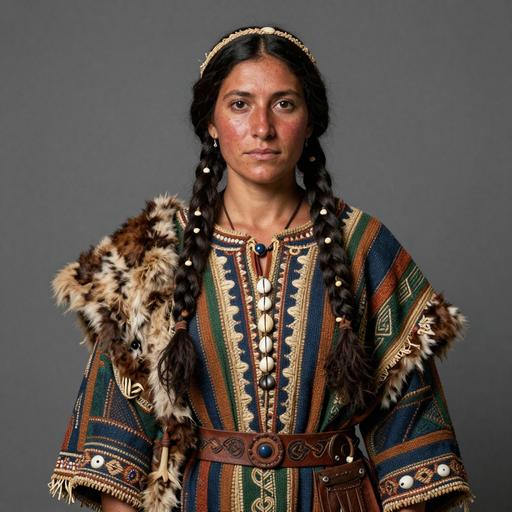
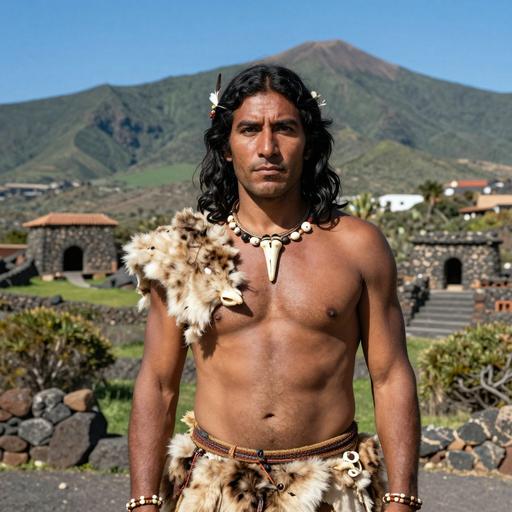
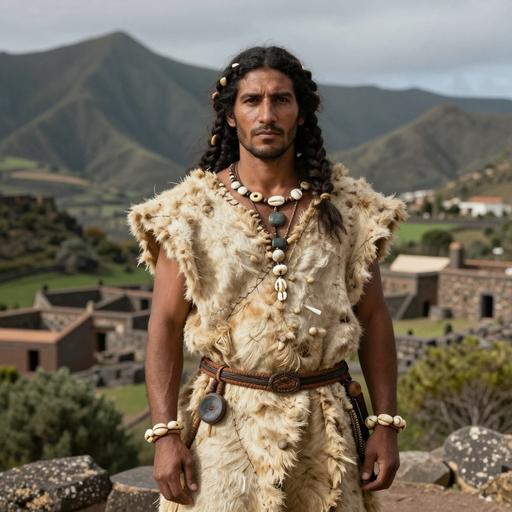
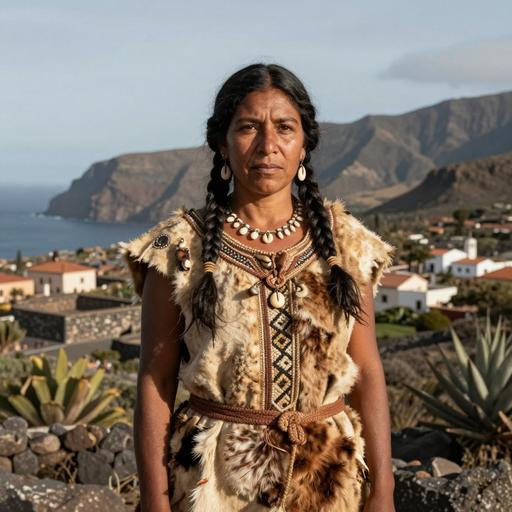
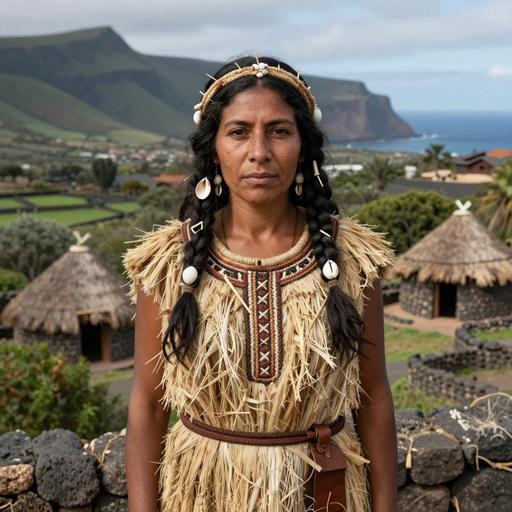
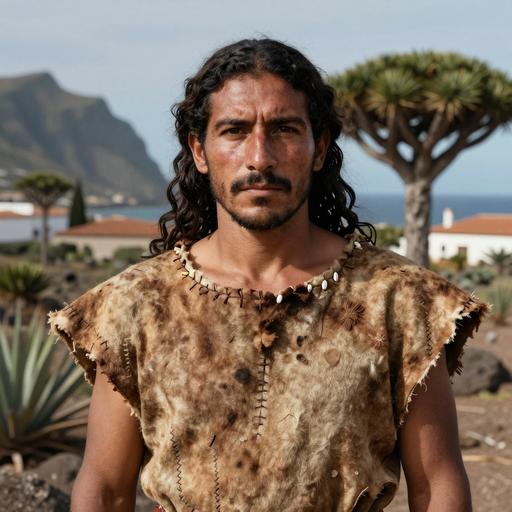
By the later prehistoric period, maritime voyages carried people and their material culture westward across the Atlantic margin to the Canary Islands. The primary era represented in this dataset, Canarias_Guanche, reflects communities on Tenerife and Gran Canaria that archaeologists identify with the Guanche cultural horizon. Archaeological data indicates island colonization involved small pioneering groups whose lifeways adapted to volcanic landscapes and insular resources.
Limited evidence suggests that these developments were neither singular nor simple: multiple currents — indigenous Epipalaeolithic lineages, incoming Neolithic farmers with Mediterranean connections, and later movements — combined in northern Africa. Radiocarbon dates and stratigraphic contexts anchor this sequence, but the full picture remains provisional where sample coverage is sparse or uneven across millennia.
Earliest dataset evidence spans c. 8400 BCE (Epipalaeolithic) through 1500 CE.
Key Moroccan sites: Ifri n'Amr or Moussa; Kelif el Boroud; Kaf Taht el‑Ghar; Skhirat‑Rouazi.
Canary colonization produced distinct island adaptations (Guanche cultural horizon).
Daily Life & Society
Across the long arc from inland Morocco to the Canary Islands, everyday life was shaped by environment and mobility. In the Taza plain, Atlantic plains and river valleys, Neolithic communities cultivated cereals and herded caprines, leaving behind grinding stones, charred seeds, and pit features. At Ifri n'Amr or Moussa archaeologists have documented domestic contexts and burial treatments that reflect emerging social differentiation during the early Neolithic.
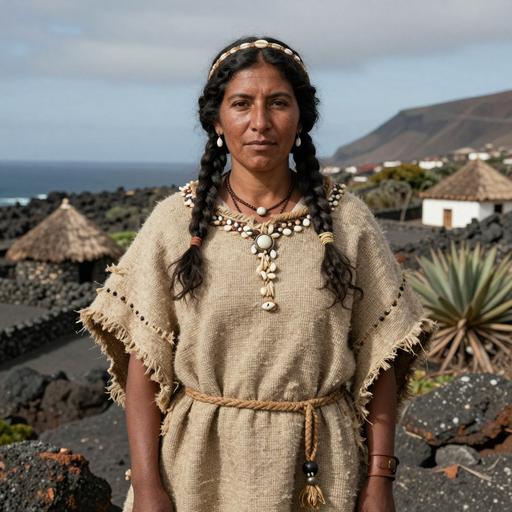
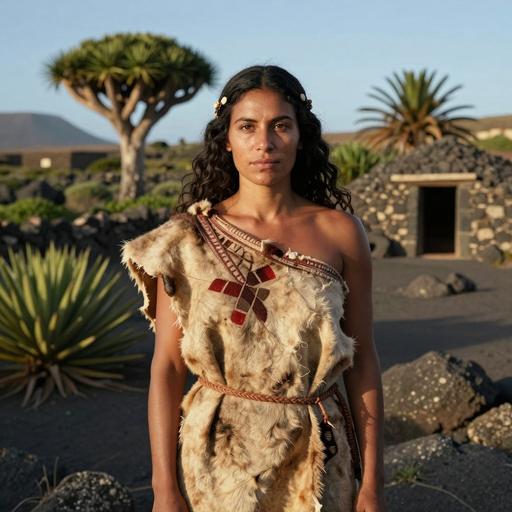
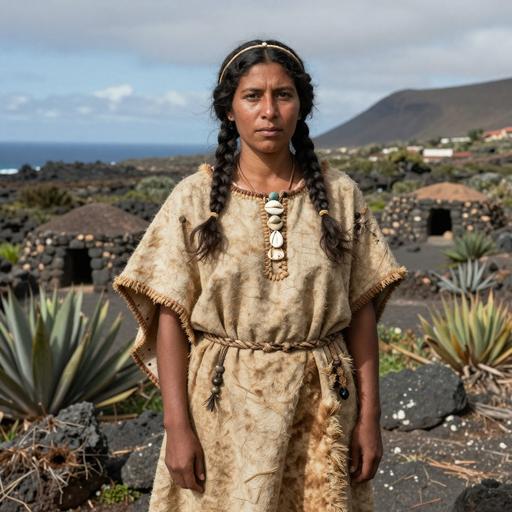
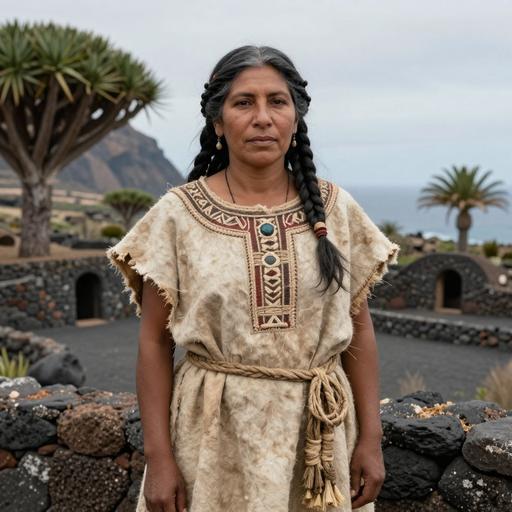
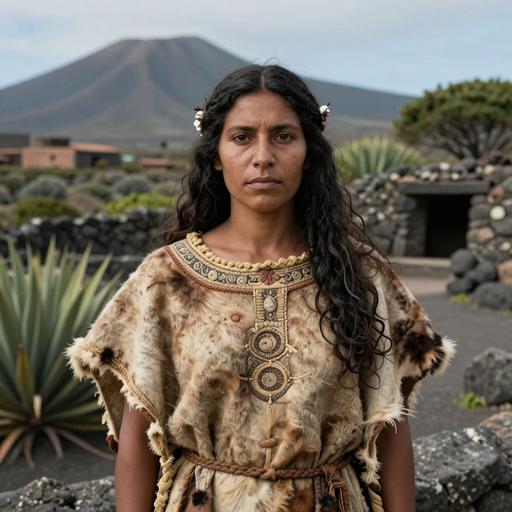
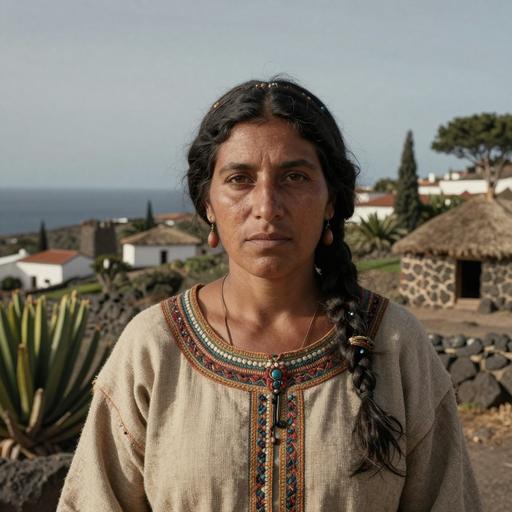
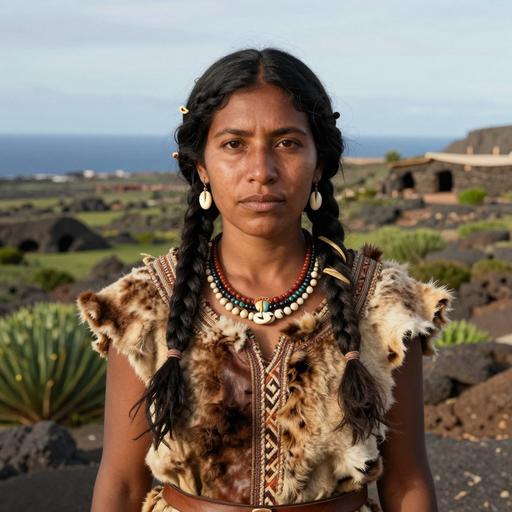
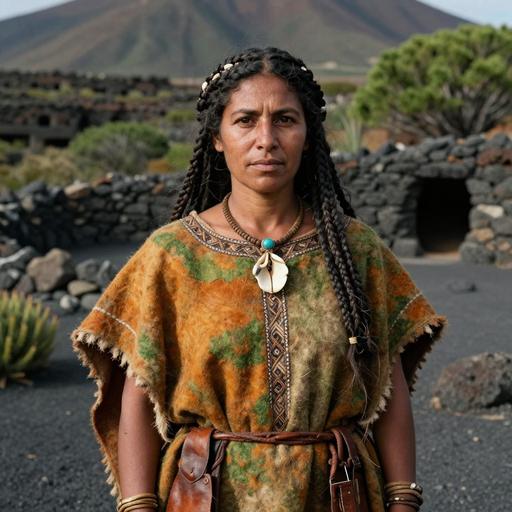
On the islands of Tenerife and Gran Canaria, the Guanche adapted a mainland toolkit to volcanic terrain: cave shelters and rock cavities were used for habitations and burials; pastoralism — notably sheep and goats — appears central; and coastal foraging augmented diets. The island archaeological record shows localized craft traditions, distinctive funerary practices, and pottery styles that diverge from mainland assemblages, consistent with founder effects and cultural drift.
Social organization likely ranged from small kin groups on islands to larger aggregated farming villages on the mainland. Material signs of trade — obsidian, marine shells, and certain ceramic forms — hint at long‑range connections across the western Mediterranean. However, many interpretations remain cautious: preservation biases and uneven sampling can obscure the scale and tempo of social change.
Mainland Neolithic: mixed farming, herding, and permanent settlements.
Island lifeways: pastoralism, cave habitation, distinctive funerary practices.
Genetic Profile
Sixty‑nine ancient individuals spanning 8400 BCE to 1500 CE provide a window into North African genetic complexity. Uniparental markers in this set show Y‑DNA haplogroups E (8 occurrences) and T (2 occurrences) and mitochondrial diversity led by U (10), K (6), M (3), H2a (2), and L (2). These counts reflect the sampled individuals and should be read alongside autosomal data for fuller ancestry reconstructions.
Interpretation: Y‑haplogroup E is long associated with North African and wider Afro‑Eurasian populations, while T appears as a less frequent lineage that may reflect Mediterranean or Near Eastern links; both signals are consistent with a multilayered male ancestry. Maternal lineages U and K are commonly tied to Eurasian and Neolithic farmer ancestries; haplogroup M and L signal deeper African maternal contributions and sub‑Saharan gene flow. On the Canary Islands, genomic patterns indicate founder effects and drift — a reduced pool of lineages that can amplify particular haplogroups relative to mainland frequencies.
Caution is essential: some temporal slices and site subsets include fewer than ten samples; conclusions about fine‑grained demographic events are therefore preliminary. Combined archaeological context and genome‑wide analyses, however, support a model of local continuity mixed with episodic admixture: indigenous Maghrebi roots layered with incoming Neolithic farmer ancestry and later contacts that shaped the genetic landscape observed in these ancient remains.
Dataset (n=69) shows mixed North African, Eurasian, and sub‑Saharan maternal signatures.
Y‑DNA dominated by E, with smaller presence of T; island samples reflect founder effects and drift.
Legacy & Modern Connections
The archaeological and genetic threads tying Morocco to the Canary Islands carry into the present. The Guanche cultural imprint survives in place names, oral memory, and the skeletal and genomic legacy preserved in early colonial and indigenous remains. In Morocco, continuity at some sites suggests that elements of the Neolithic and later prehistoric gene pool contributed to the ancestry of modern Amazigh (Berber) populations.
Ancient DNA helps to contextualize modern North African diversity: shared maternal and paternal lineages point to long‑term regional continuity, while signatures of admixture attest to intercontinental connections across the Mediterranean and Sahara. Yet, translating ancient lineages into direct ancestry claims for contemporary groups requires caution — population structure, drift, and later migrations all reshape genetic landscapes.
Overall, the interplay of archaeology and genetics paints a cinematic yet evidence‑grounded portrait of resilience and mobility — communities rooted in North African landscapes, voyaging to islands, and continually remaking social and biological identities across millennia.
Ancient genomes link prehistoric Moroccan communities to later Amazigh populations and island Guanche lineages.
Shared lineages reveal continuity and admixture, but demographic complexity demands cautious interpretation.
Sample Catalog
10 / 41 samples
No samples match your search.
Portrait
Sample
Country
Era
Date
Culture
Sex
Y-DNA
mtDNA
Canary Islands
Canarias_Guanche
1272-1388 calCE (691±27 BP, SUERC-96310)
Berber
U
E-L19
-
Canary Islands
Canarias_Guanche
1327-1444 calCE (520±27 BP, SUERC-96311)
Berber
U
R-P297
-
Canary Islands
Canarias_Guanche
1225-1285 calCE (756±27 BP, SUERC-96312)
Berber
U
-
-
Canary Islands
Canarias_Guanche
1291-1397 calCE (633±27 BP, SUERC-96313)
Berber
U
-
-
Canary Islands
Canarias_Guanche
1272-1389 calCE (690±30 BP, Beta-571819)
Berber
U
-
-
Canary Islands
Canarias_Guanche
1313-1424 calCE (565±27 BP, SUERC-96344)
Berber
U
T-Y47963
-
Canary Islands
Canarias_Guanche
1225-1290 calCE (750±30 BP, Beta-571820)
Berber
U
-
-
Canary Islands
Canarias_Guanche
262-537 calCE (1650±30 BP, Beta-571821)
Berber
U
-
-
Canary Islands
Canarias_Guanche
1200 CE
Berber
U
-
-
Canary Islands
Canarias_Guanche
1169-1265 calCE (834±27 BP, SUERC-96315)
Berber
U
C
-
Canary Islands
Canarias_Guanche
703-887 calCE (1218±27 BP, SUERC-96319)
Berber
U
-
-
Canary Islands
Canarias_Guanche
250-411 calCE (1720±27 BP, Beta-571823)
Berber
U
-
-
Canary Islands
Canarias_Guanche
363-539 calCE (1640±30 BP, Beta-510948)
Berber
U
-
-
Canary Islands
Canarias_Guanche
433-598 calCE (1540±30 BP, Beta-571825)
Berber
U
R-M269
-
Canary Islands
Canarias_Guanche
1299-1404 calCE (610±30 BP, Beta-571826)
Berber
U
-
-
Canary Islands
Canarias_Guanche
1200 CE
Berber
U
-
-
Canary Islands
Canarias_Guanche
1200 CE
Berber
U
-
-
Canary Islands
Canarias_Guanche
1200 CE
Berber
U
-
-
Canary Islands
Canarias_Guanche
1200 CE
Berber
U
-
-
Canary Islands
Canarias_Guanche
1200 CE
Berber
U
-
-
Canary Islands
Canarias_Guanche
774-994 calCE (1132±27 BP, SUERC-96323)
Berber
U
CT
-
Canary Islands
Canarias_Guanche
1399-1446 calCE (508±27 BP, SUERC-96324)
Berber
U
-
-
Canary Islands
Canarias_Guanche
1288-1396 calCE (638±27 BP, SUERC-96329)
Berber
U
CT
-
Canary Islands
Canarias_Guanche
1160-1264 calCE (848±27 BP, SUERC-96330)
Berber
U
-
-
Canary Islands
Canarias_Guanche
651-775 calCE (1325±27 BP, SUERC-96331)
Berber
U
-
-
Canary Islands
Canarias_Guanche
1157-1264 calCE (854±27 BP, SUERC-96332)
Berber
U
-
-
Canary Islands
Canarias_Guanche
1045-1222 calCE (891±27 BP, SUERC-96333)
Berber
U
-
-
Canary Islands
Canarias_Guanche
1200 CE
Berber
U
-
-
Canary Islands
Canarias_Guanche
1162-1264 calCE (845±27 BP, SUERC-96334)
Berber
U
E-M132
-
Canary Islands
Canarias_Guanche
1200 CE
Berber
U
-
-
Canary Islands
Canarias_Guanche
1276-1389 calCE (680±27 BP, SUERC-96339)
Berber
U
-
-
Canary Islands
Canarias_Guanche
1228-1297 calCE (740±27 BP, SUERC-96340)
Berber
U
-
-
Canary Islands
Canarias_Guanche
1327-1440 calCE (525±25 BP, Beta-256483)
Berber
U
E-L19
-
Canary Islands
Canarias_Guanche
1200 CE
Berber
U
-
-
Canary Islands
Canarias_Guanche
1444-1625 calCE (390±27 BP, SUERC-96341)
Berber
U
-
-
Canary Islands
Canarias_Guanche
1200 CE
Berber
U
-
-
Canary Islands
Canarias_Guanche
704 CE
Berber
M
E1b1b1b1a1
T2c1d2
Canary Islands
Canarias_Guanche
593 CE
Berber
M
E1b1b1b1a1
U6b1a
Canary Islands
Canarias_Guanche
892 CE
Berber
F
-
H2a
Canary Islands
Canarias_Guanche
884 CE
Berber
F
-
L3b1a
Canary Islands
Canarias_Guanche
1031 CE
Berber
M
E1b1b1b1a1
-
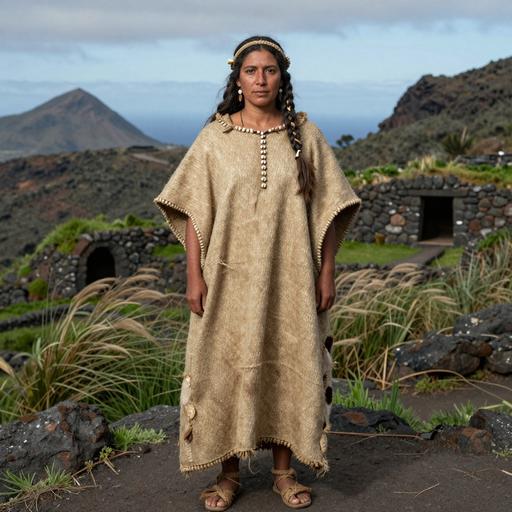
The Guanche People of the Canary Islands - Canary Islands -
The Guanche People of the Canary Islands - Canary Islands -
Canary Islands Canarias_Guanche 1200 CE
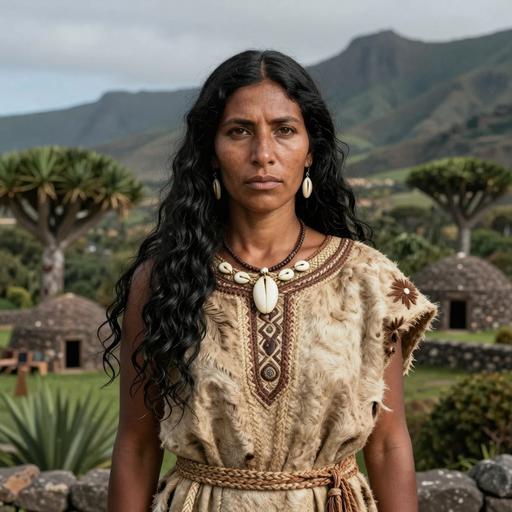
The Guanche People of the Canary Islands - Canary Islands - Tenerife
Canary Islands Canarias_Guanche 704 CE
Y: E1b1b1b1a1mt: T2c1d2
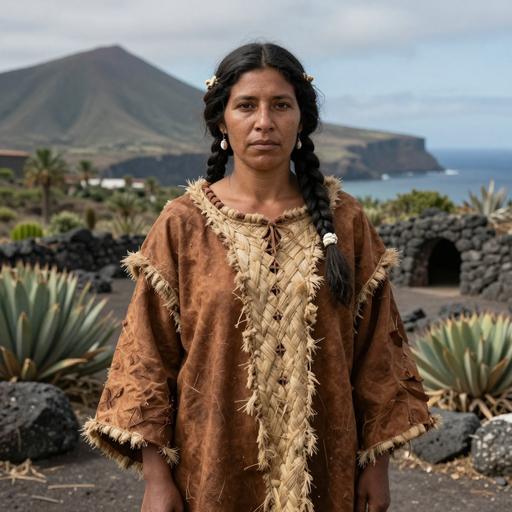
The Guanche People of the Canary Islands - Canary Islands - Tenerife
Canary Islands Canarias_Guanche 593 CE
Y: E1b1b1b1a1mt: U6b1a
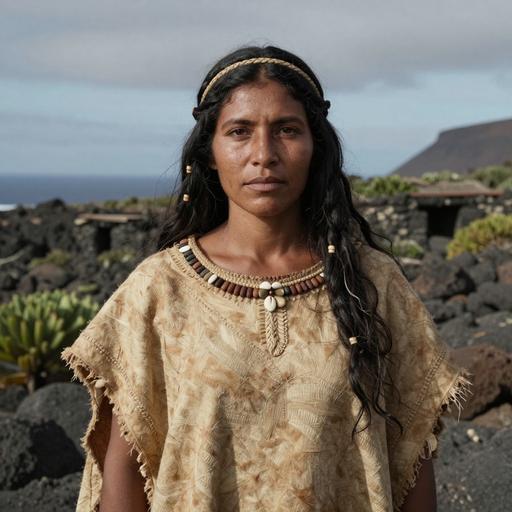
The Guanche People of the Canary Islands - Canary Islands - Gran Canaria
Canary Islands Canarias_Guanche 892 CE
mt: H2a
The Guanche People of the Canary Islands - Canary Islands - Gran Canaria
Canary Islands Canarias_Guanche 884 CE
mt: L3b1a
The Guanche People of the Canary Islands - Canary Islands - Tenerife
Canary Islands Canarias_Guanche 1031 CE
Y: E1b1b1b1a1
AI Assistant
AI Assistant
by DNAGENICS
Unlock this feature
Ask questions about the Berber Threads of North Africa culture. Our AI assistant can explain genetic findings, historical context, archaeological evidence, and modern connections.
AI-generated interpretation of genetic similarity, not proof of ancestry. Informational only, not professional advice.
Read full notice
Before you continue: the analysis you are about to generate is produced by an AI model. AI output can be incomplete, inaccurate, or simply wrong. It describes statistical genetic similarity to reference populations and is not proof of ancestry, ethnicity, identity, or descent. It is provided for informational and educational purposes only, and is not medical, diagnostic, genealogical, legal, or other professional advice. Do not rely on it to make health, financial, legal, or family decisions. To the fullest extent permitted by applicable law, DNA Genics, S.L. accepts no liability for any loss or decision arising from your use of this AI output.
Sample AI Analysis
The Berber Threads of North Africa culture represents a fascinating chapter in human history...
Genetic analysis reveals connections to earlier populations while showing evidence of unique adaptations and cultural innovations. The ancient DNA samples provide insights into migration patterns, social structures, and the biological relationships between ancient populations.
This is a preview of the AI analysis. Unlock the full AI Assistant to explore detailed insights about: