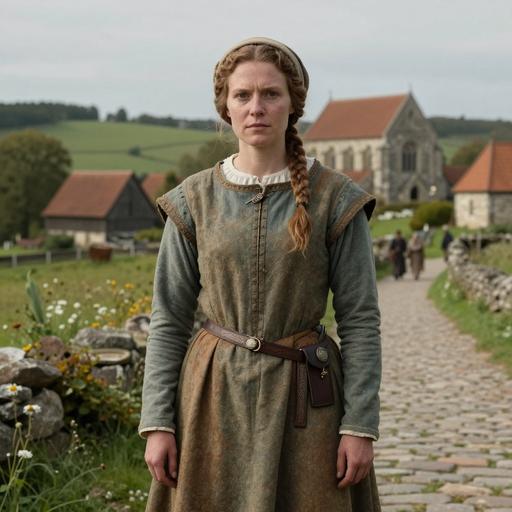
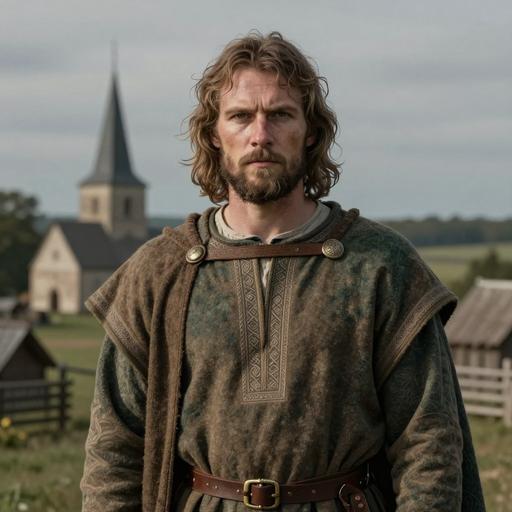
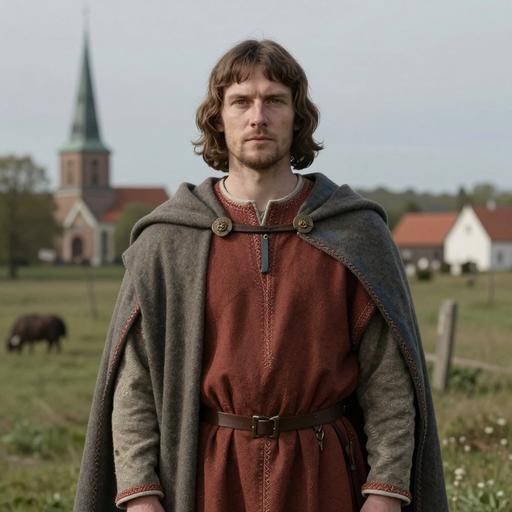
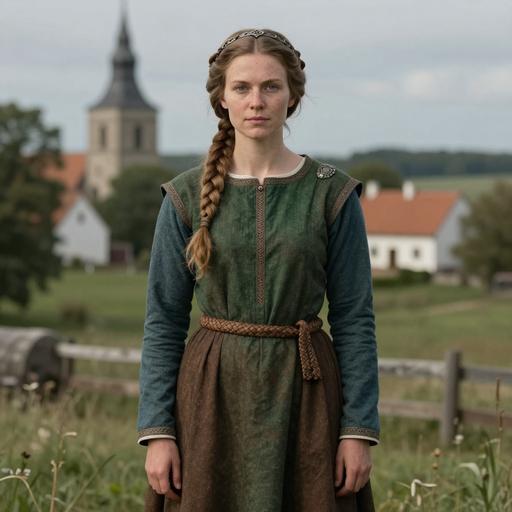
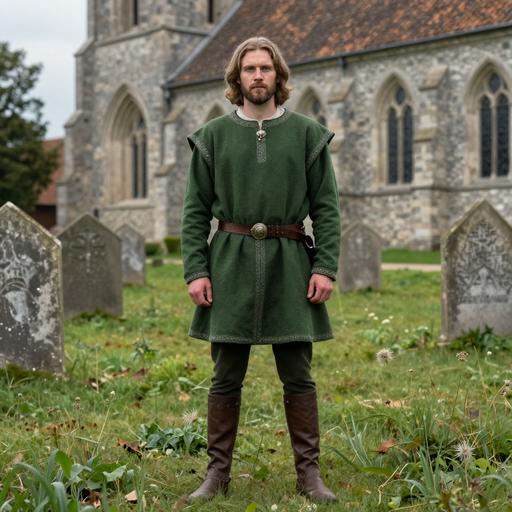
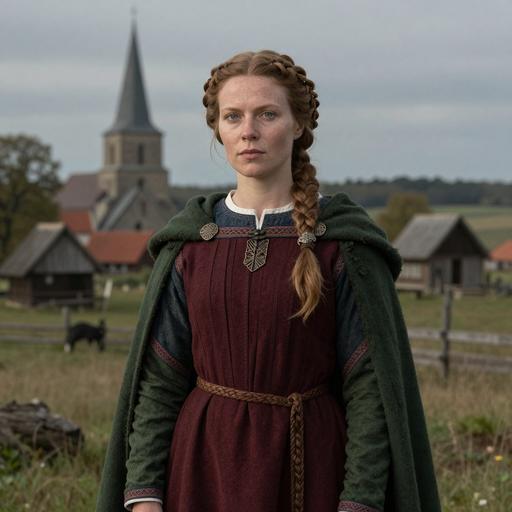
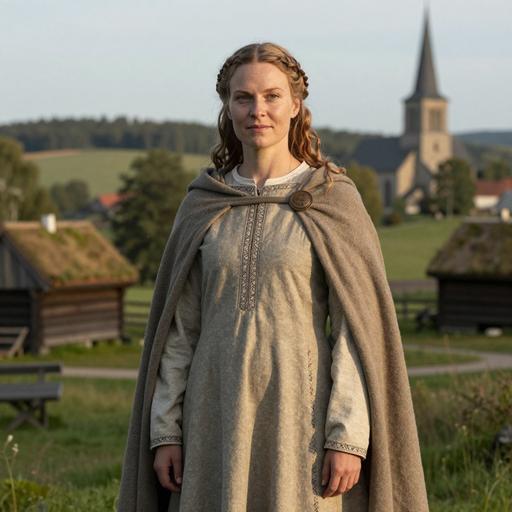
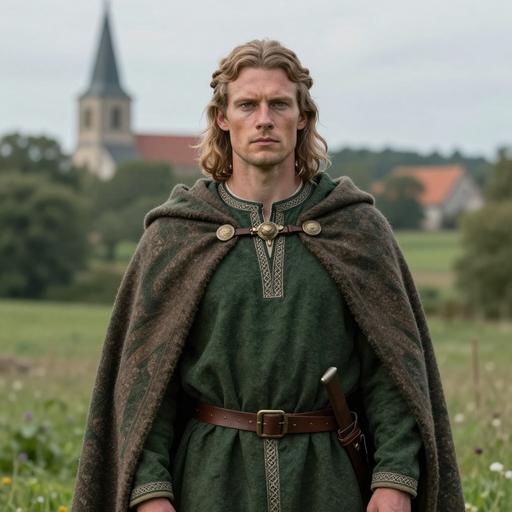
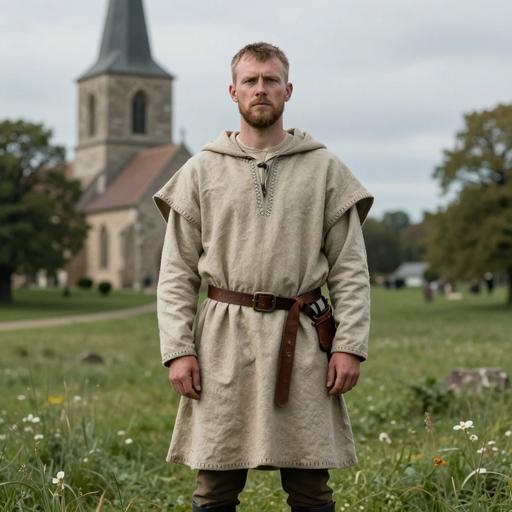
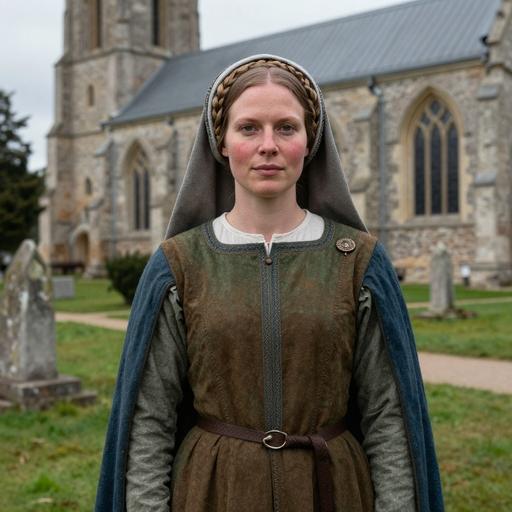
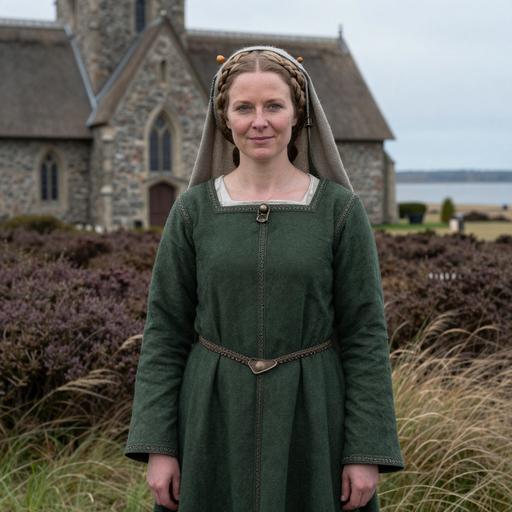
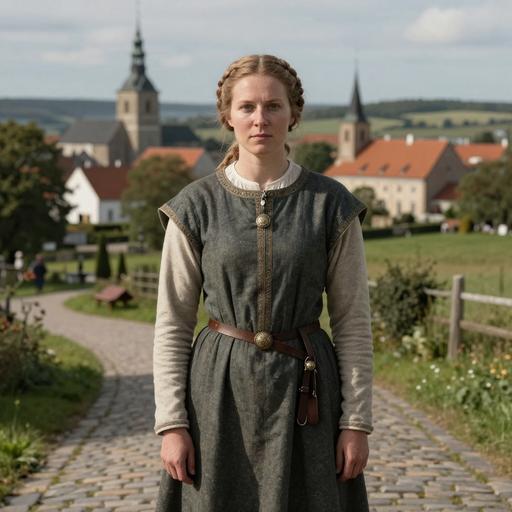
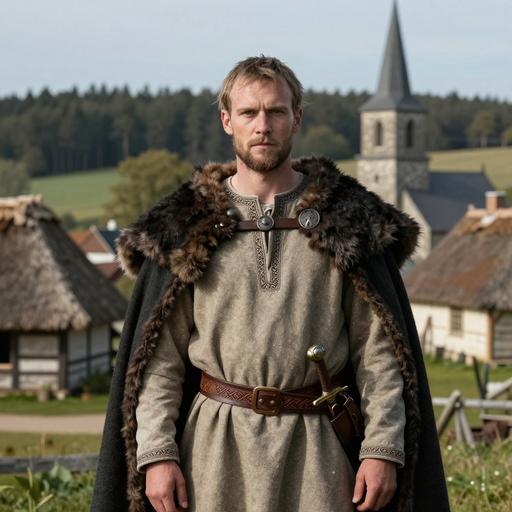
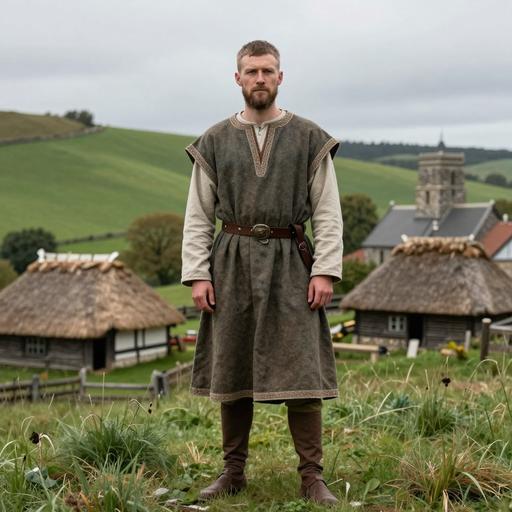
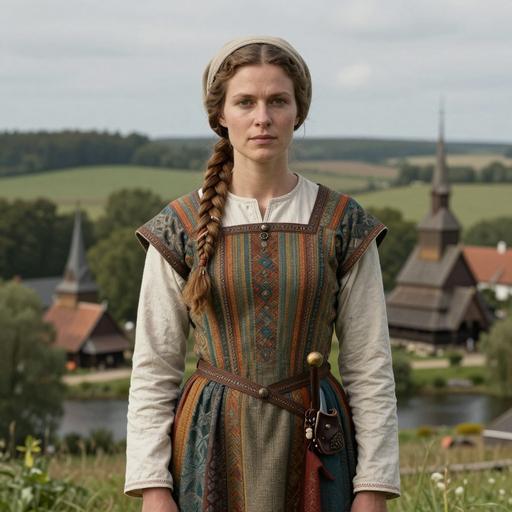
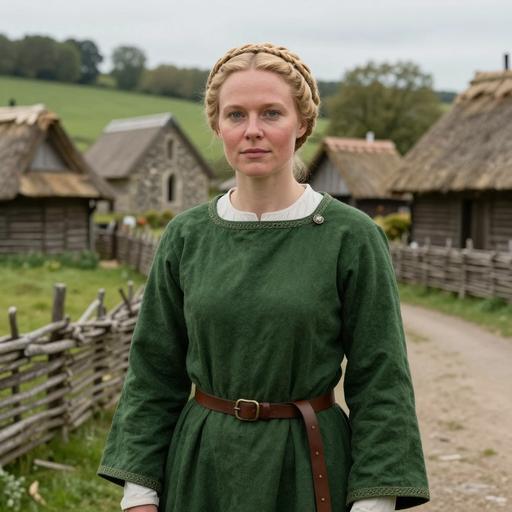
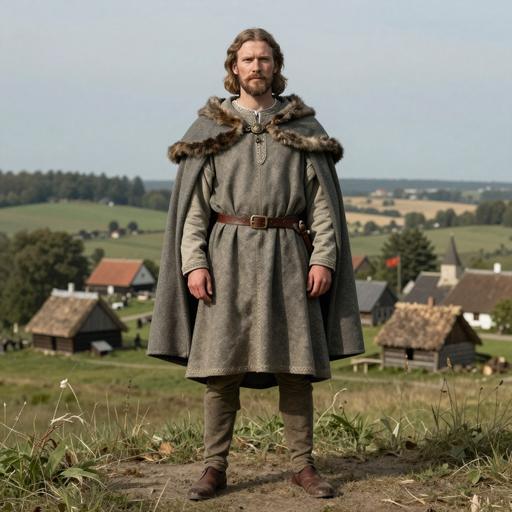
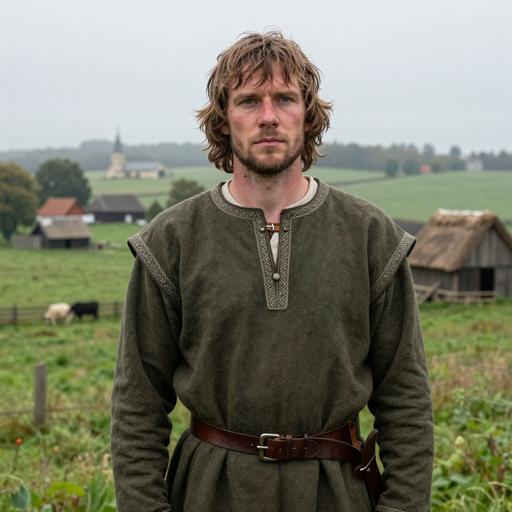
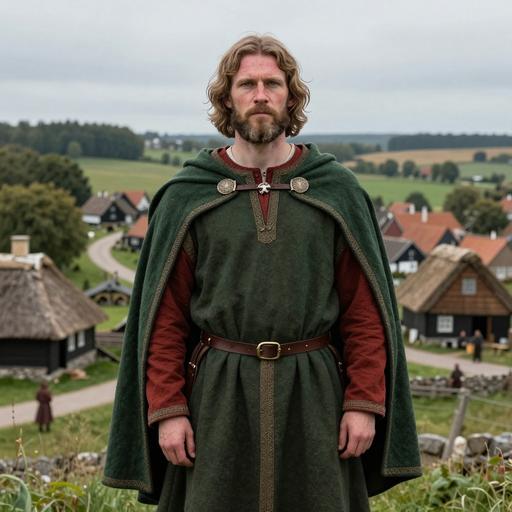
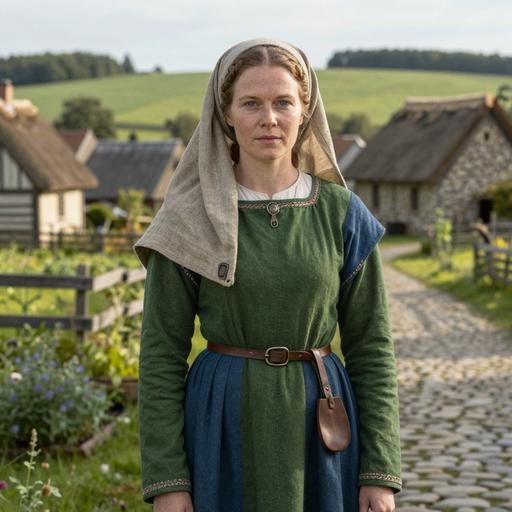
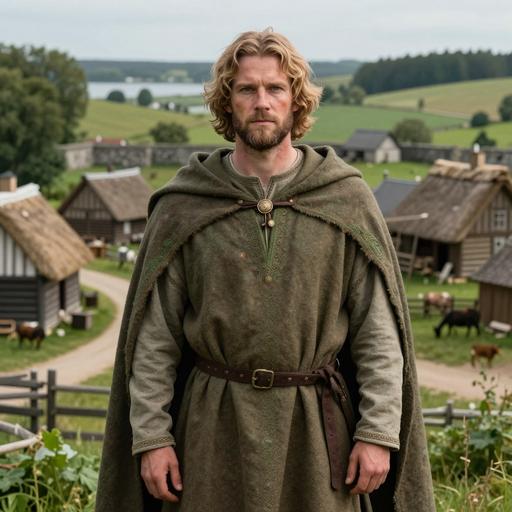
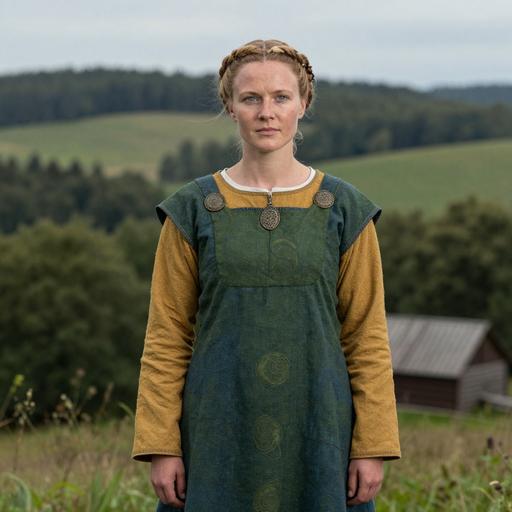
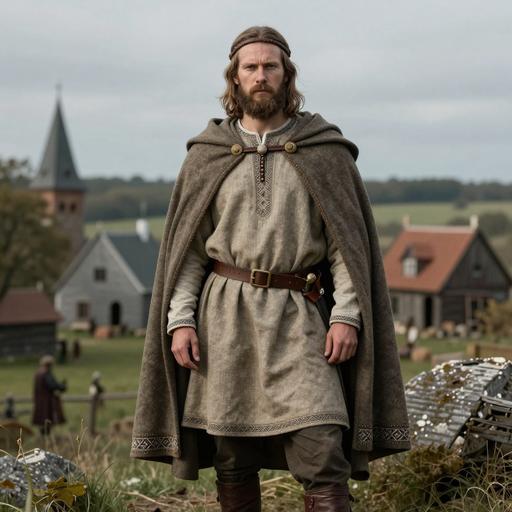
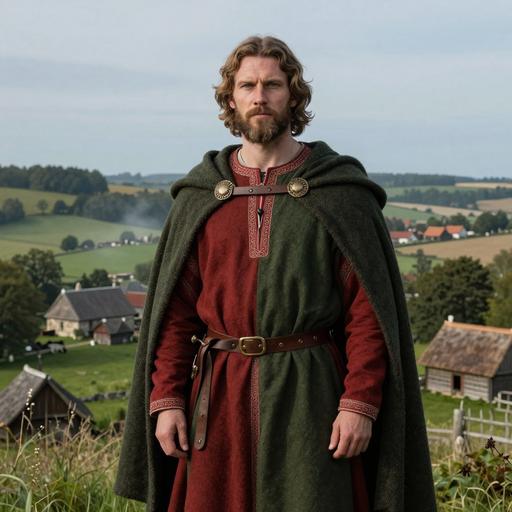
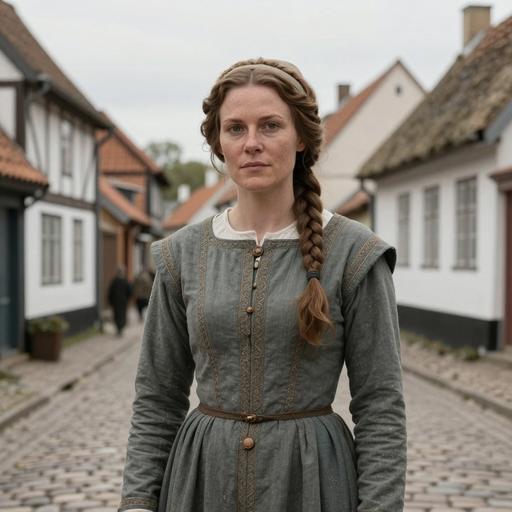
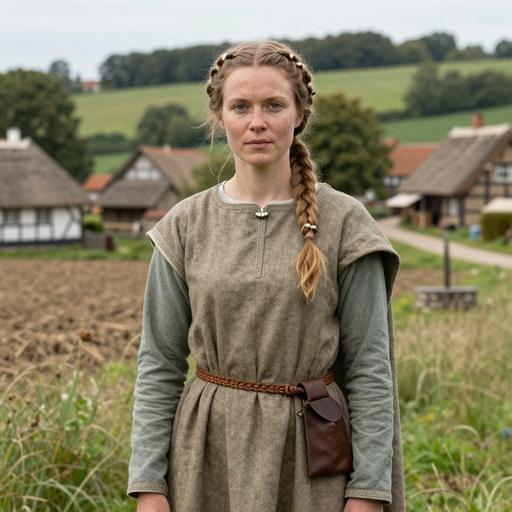
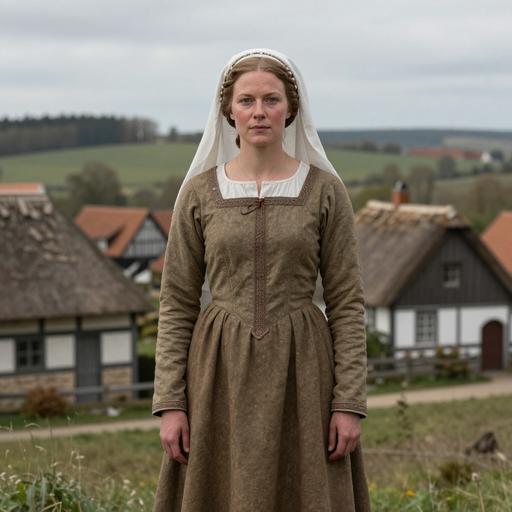
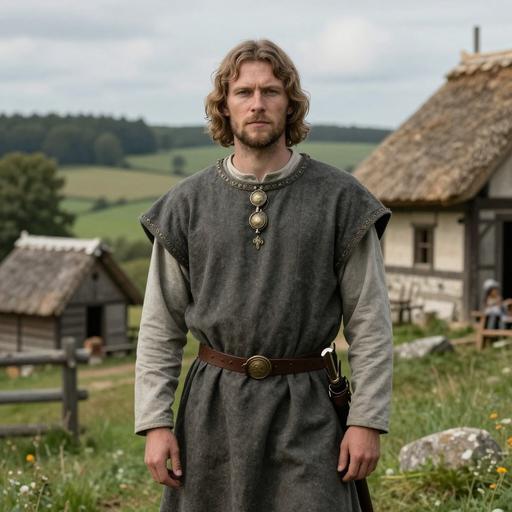
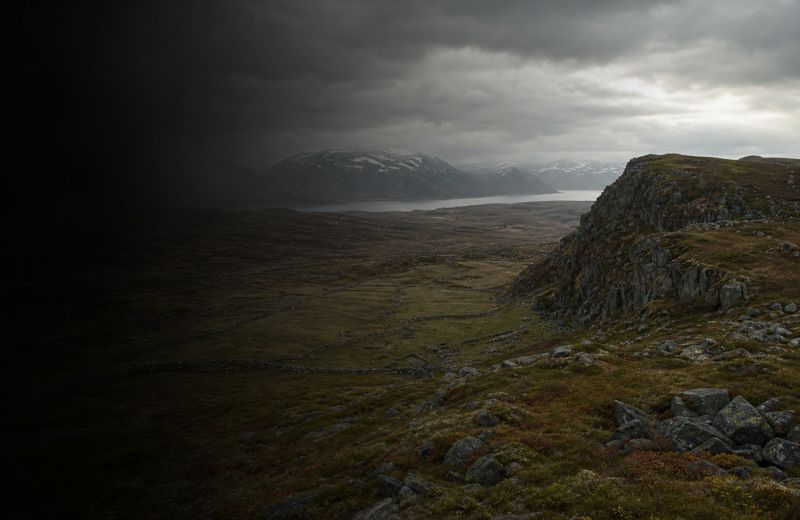
Archaeological and genetic evidence from 68 medieval and early modern Danish individuals (1000–1800 CE) illuminates population structure in Denmark. Samples from Aalborg, Tjærby, and Holbæk show predominantly Northern European maternal and paternal lineages with occasional southern or eastern signals.
The interactive map is unavailable. Browse the sample catalog for recorded locations.
Timeline
1536 CE
Reformation alters burial practices
The 1536 Lutheran Reformation in Denmark changed church control and funerary customs, affecting parish burial patterns and cemetery use across Denmark.
Origins & Emergence
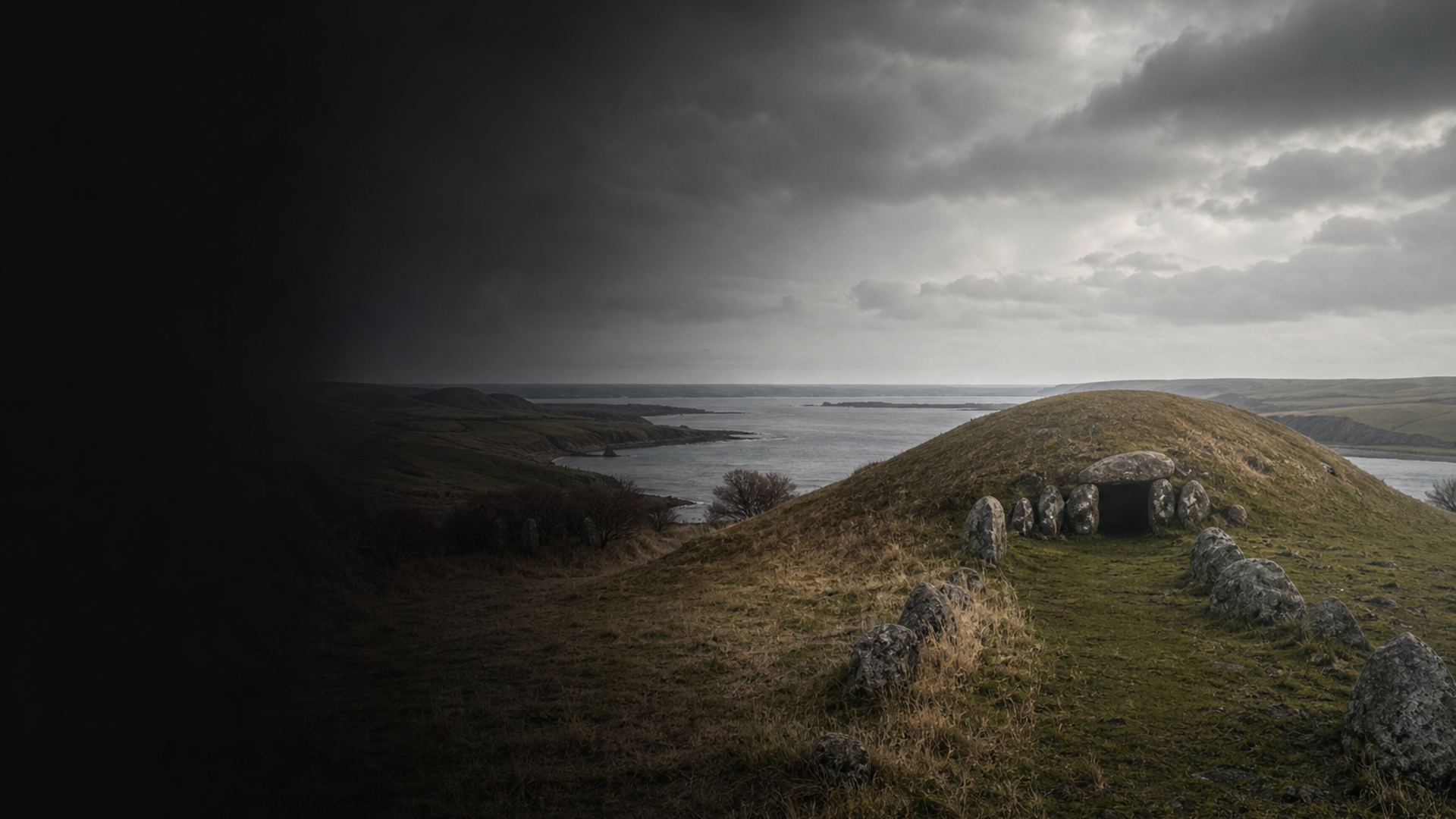
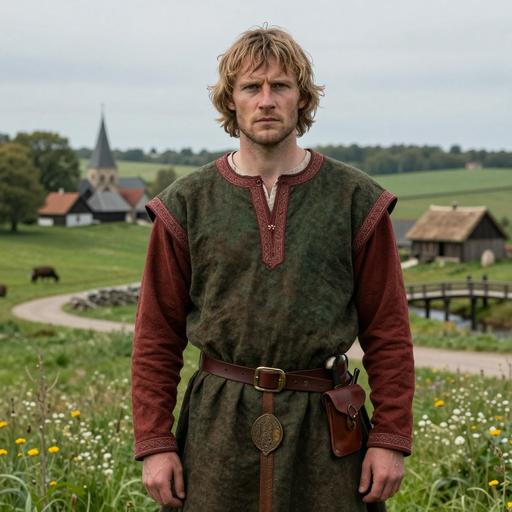
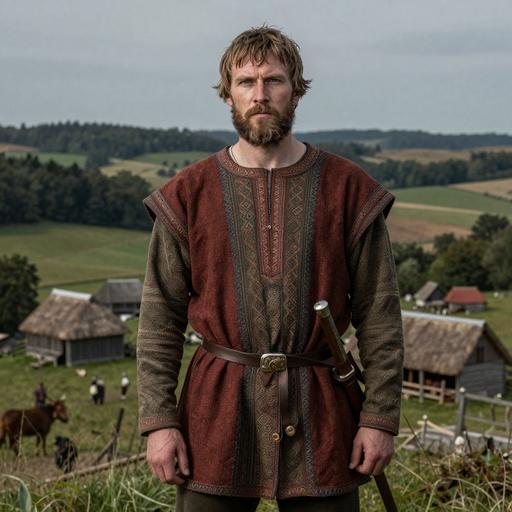
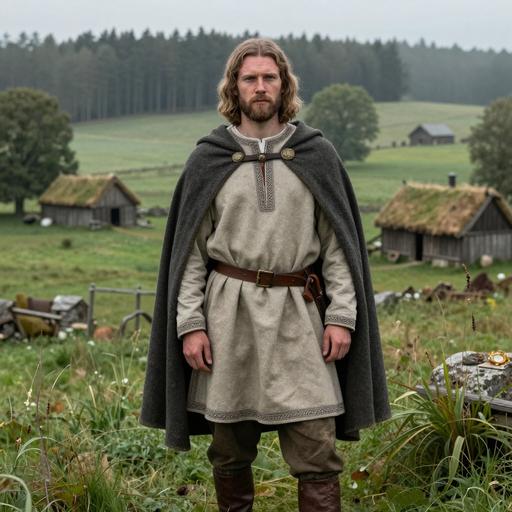
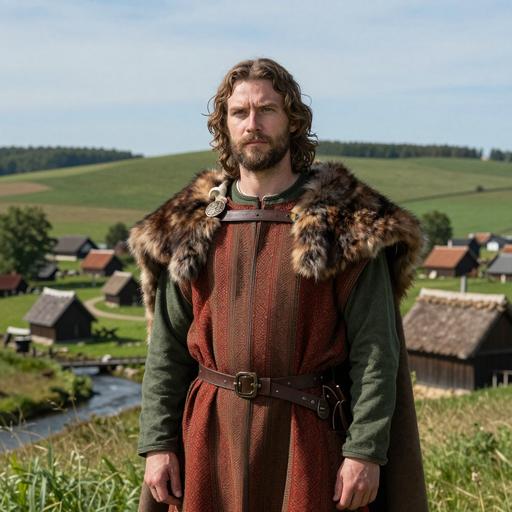
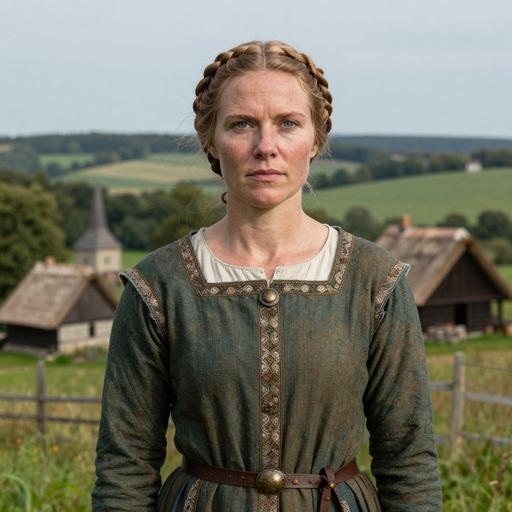
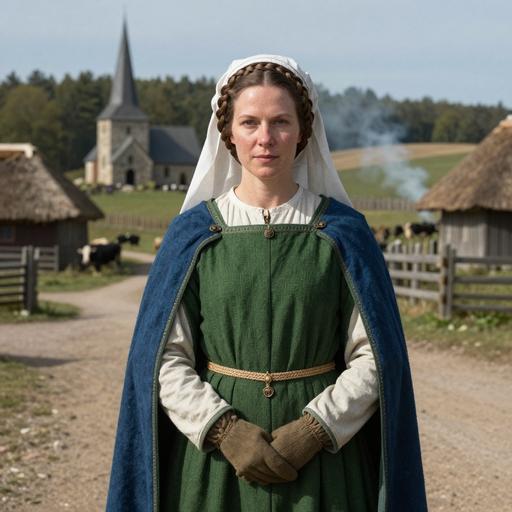
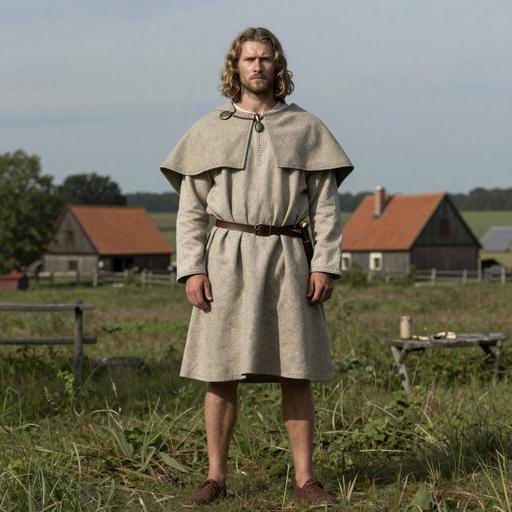
Denmark in the medieval era was a crucible where Viking legacies, continental contacts, and local farming communities met. Archaeological data indicates continuous occupation of towns and parishes from the Viking Age into the late medieval and early modern period, with churchyards and urban cemeteries replacing earlier burial mounds. The samples in this collection derive from three well-documented contexts: Vor Frue Kirkegård (Aalborg), a city churchyard with stratified medieval layers; Tjærby in Randers Municipality, representing a rural parish; and the urban excavation at Ahlgade 15–17 in Holbæk. Radiocarbon-constrained graves and associated stratigraphy place these individuals between 1000 and 1800 CE, spanning the consolidation of Danish monarchy, the Black Death in the mid-14th century, and later Reformation-era transformations.
Archaeological evidence suggests shifting demography: expanding towns, periodic mortality crises (notably mid-1300s plague), and rising parish organization. Genetically, these populations are rooted in long-standing northern European ancestries, but archaeology reminds us of continual movement—merchants, mercenaries, clergy, and brides—creating a dynamic human landscape. While 68 individuals give a robust local picture, they do not sample every parish; regional diversity within Denmark requires broader sampling to confirm island-to-mainland differences and urban–rural contrasts.
Samples from churchyards and urban excavations: Aalborg, Tjærby, Holbæk
Time span covers pre- and post-Black Death and the Reformation
Archaeology shows continuity of occupation and shifting burial practices
Daily Life & Society
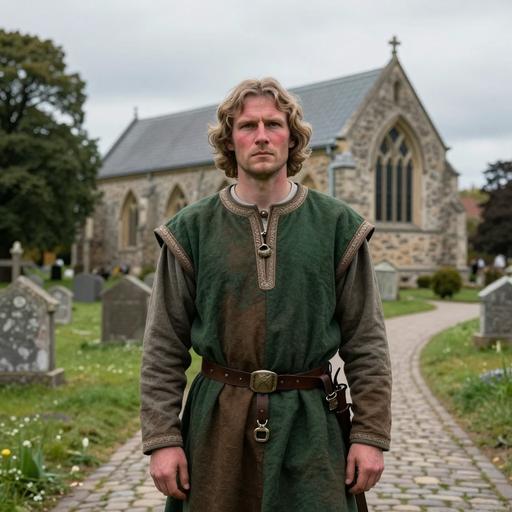
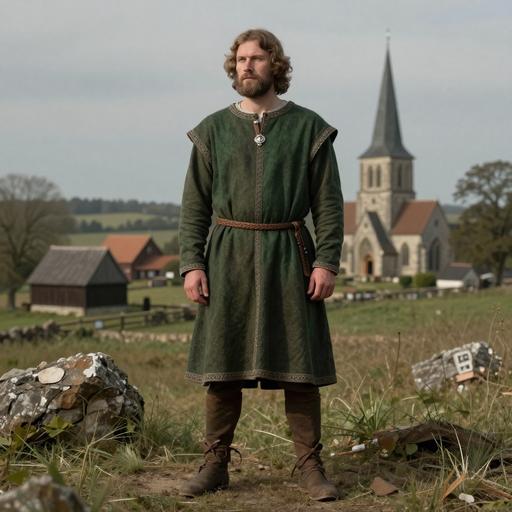
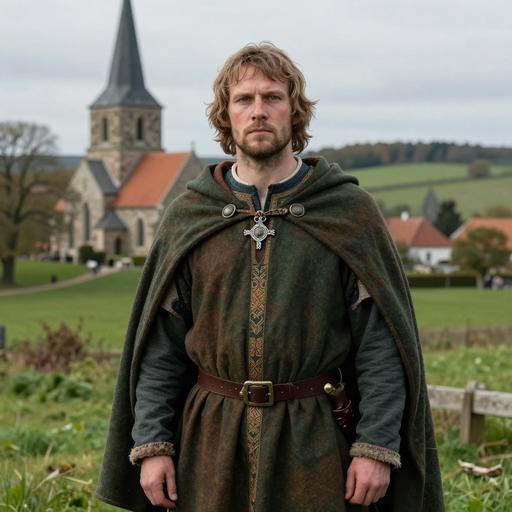
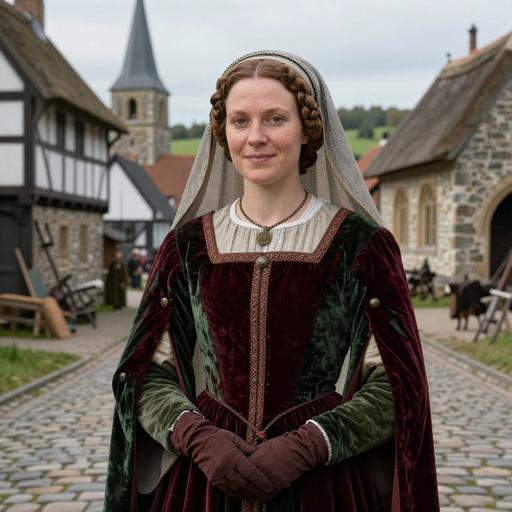
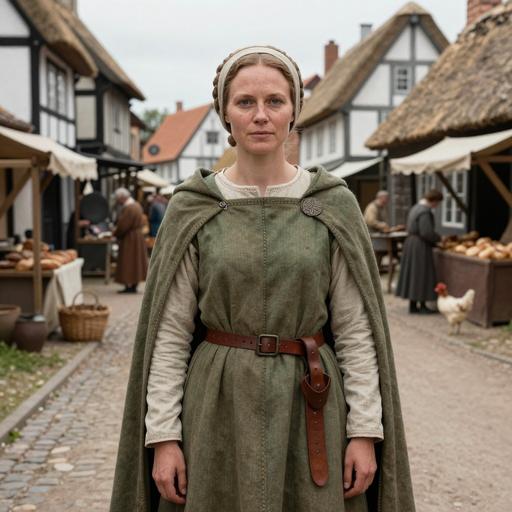
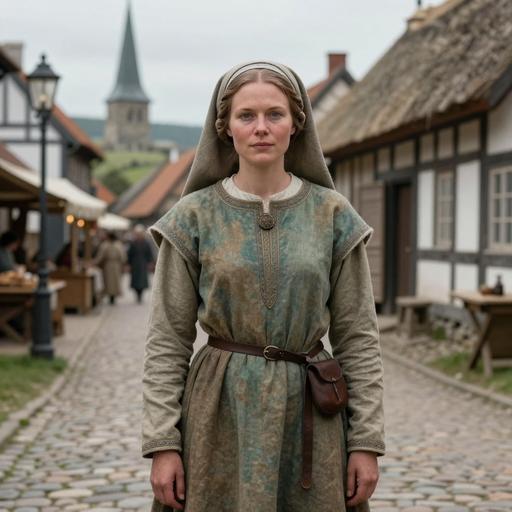
Material culture from contemporary Danish sites paints a vivid picture of medieval and early modern everyday life. Church burials often contain few grave goods due to Christian funerary norms, but associated finds in settlement layers—ceramics, metalwork, textiles imprints, and building remains—reveal agrarian households, craft specialization, and vibrant trade links across the North and Baltic Seas. In towns like Aalborg and Holbæk, archaeological layers record timber-framed houses, borough markets, and imported goods such as Rhenish pottery, indicating participation in wider Northern European exchange networks.
Skeletal evidence from churchyards can show health stresses: enamel hypoplasia, osteoarthritis from labor, and evidence of infectious disease in population-level patterns. These signals complement historical records of famine, taxation, and urban growth. Burial orientation and churchyard stratigraphy reflect ecclesiastical control and evolving social identities. Importantly, genetic data tied to these burials allows us to pair biological ancestry with lifeways—linking lineage patterns to urban migrants, local farming families, or individuals who may have moved along maritime routes.
Archaeological context therefore provides the social stage on which genetic stories play out: a person buried in a Holbæk town plot could be the descendant of long-standing local lineages, or an immigrant whose DNA records connections beyond Denmark.
Town and rural archaeology show trade links and agrarian life
Skeletal markers of labor and disease offer context for genetic patterns
Genetic Profile
The genetic snapshot from 68 individuals across Denmark (1000–1800 CE) reveals a predominantly Northern European profile with measurable internal diversity. On the paternal side, haplogroups R (21/68) and I (16/68) dominate—lineages commonly associated with Western and Northern Europe—while rarer signals include N (1/68), often linked to eastern Baltic/Eurasian contacts, and E (1/68), which likely reflects sporadic gene flow from southern or central Europe. These counts suggest that local male ancestry was largely drawn from regional northern pools, with occasional arrivals from more distant places.
Mitochondrial DNA shows a majority of H (19/68) and substantial representation of U (13/68), J (6/68), T (6/68), and K (4/68). This maternal portfolio is typical for medieval and modern northern Europe, where H and U lineages are widespread; J, T, and K indicate additional maternal diversity possibly tied to trade or mobility. The distribution of maternal and paternal haplogroups together suggests a community structured by local continuity with episodic migration events—maritime trade, clerical networks, and military movement all offer plausible conduits.
Interpretation caveats: with 68 samples our confidence in broad patterns is moderate and geographically concentrated to three sites. Low-frequency haplogroups (N, E) are singletons here; such occurrences should be treated as evidence of contact, not proof of large-scale population turnover. Combining archaeological context—grave location, artifacts, demographic profile—with ancient DNA provides the most nuanced reconstruction of medieval Danish population dynamics.
Paternal dominance of R and I indicates northern European male ancestry
Maternal lineages (H, U, J, T, K) reflect common European mtDNA diversity
Legacy & Modern Connections
The genetic and archaeological portrait of the Danish Kingdom between 1000 and 1800 CE connects directly to modern Danish ancestry. Many of the Y and mtDNA lineages observed—especially R, I, and mtDNA H and U—remain common in present-day Denmark and Scandinavia, indicating substantial continuity in the gene pool. Archaeology underscores that continuity was not static: trade, war, and religious change introduced new individuals and ideas, leaving detectable but generally modest genetic traces.
For descendants and researchers, these datasets offer a bridge between stones and sequences: churchyards tell who was buried and how, while genomes reveal where families may have come from. Caution remains essential—our samples are temporally broad and geographically limited. Future sampling across more parishes and islands, together with finer-resolution genomic analyses, will refine how local events—plague mortality, urbanization, and long-distance trade—reshaped the ancestry of people in Denmark.
Modern Danish populations retain many of the same haplogroups
Archaeology plus DNA highlights continuity with episodes of external contact
Sample Catalog
10 / 68 samples
No samples match your search.
Portrait
Sample
Country
Era
Date
Culture
Sex
Y-DNA
mtDNA
Denmark
Denmark_Medieval
1400-1450 CE
Danish Kingdom
M
N1a1a
U5a1h
Denmark
Denmark_Medieval
1200-1550 CE
Danish Kingdom
M
I1a1a
U5a1a2b
Denmark
Denmark_Medieval
1300-1400 CE
Danish Kingdom
M
I1a1b
-
Denmark
Denmark_Medieval
1400-1450 CE
Danish Kingdom
F
-
-
Denmark
Denmark_Medieval
1000-1200 CE
Danish Kingdom
M
-
H3n
Denmark
Denmark_Medieval
1250-1400 CE
Danish Kingdom
M
R1b1a
H2a3a
Denmark
Denmark_Medieval
1200-1550 CE
Danish Kingdom
F
-
T2b
Denmark
Denmark_Medieval
1400-1450 CE
Danish Kingdom
M
I1a1b
H5a1
Denmark
Denmark_Medieval
1000-1250 CE
Danish Kingdom
F
-
U4a1e
Denmark
Denmark_Medieval
1000-1350 CE
Danish Kingdom
F
-
J2a1a1a2
Denmark
Denmark_Medieval
1000-1200 CE
Danish Kingdom
M
I1a10
-
Denmark
Denmark_Medieval
1250-1400 CE
Danish Kingdom
M
R1b1a
T2b
Denmark
Denmark_Medieval
1250-1400 CE
Danish Kingdom
F
-
-
Denmark
Denmark_Medieval
1250-1400 CE
Danish Kingdom
F
-
H5a4a1
Denmark
Denmark_Medieval
1250-1400 CE
Danish Kingdom
F
-
H1a3a
Denmark
Denmark_Medieval
1300-1350 CE
Danish Kingdom
F
-
I2d
Denmark
Denmark_Medieval
1000-1300 CE
Danish Kingdom
M
E1b1b
H10e
Denmark
Denmark_Medieval
1300-1350 CE
Danish Kingdom
M
R1b1a
HV16
Denmark
Denmark_Medieval
1300-1350 CE
Danish Kingdom
M
I1a2a
H10e1
Denmark
Denmark_Medieval
1300-1350 CE
Danish Kingdom
M
R1b1a
H1a1
Denmark
Denmark_Medieval
1000-1300 CE
Danish Kingdom
M
I1a1b
T2a1b1a1b1
Denmark
Denmark_Medieval
1000-1300 CE
Danish Kingdom
M
R1b1a
K1a4a1
Denmark
Denmark_Medieval
1000-1300 CE
Danish Kingdom
M
I1a2a
H2a2b
Denmark
Denmark_Medieval
1300-1350 CE
Danish Kingdom
M
R1b1a
T2b13
Denmark
Denmark_Medieval
1300-1400 CE
Danish Kingdom
M
R1b1a
-
Denmark
Denmark_Medieval
1000-1300 CE
Danish Kingdom
F
-
K1a1a
Denmark
Denmark_Medieval
1300-1400 CE
Danish Kingdom
F
-
H1b1+16362
Denmark
Denmark_Medieval
1000-1300 CE
Danish Kingdom
F
-
J1c+16261
Denmark
Denmark_Medieval
1000-1300 CE
Danish Kingdom
F
-
U4a2a
Denmark
Denmark_Medieval
1300-1350 CE
Danish Kingdom
M
R1b1a
K1c2
Denmark
Denmark_Medieval
1000-1300 CE
Danish Kingdom
M
R1b1a
U2e1
Denmark
Denmark_Medieval
1300-1350 CE
Danish Kingdom
M
R1b1a
H4a1a1a
Denmark
Denmark_Medieval
1300-1350 CE
Danish Kingdom
M
I1a4a
U5a1a1b
Denmark
Denmark_Medieval
1300 CE
Danish Kingdom
M
I2a1b
T2b28
Denmark
Denmark_Medieval
1300-1400 CE
Danish Kingdom
F
-
H1a1b
Denmark
Denmark_Medieval
1300-1400 CE
Danish Kingdom
F
-
H1b1a
Denmark
Denmark_Medieval
1300-1400 CE
Danish Kingdom
F
-
X2i+@225
Denmark
Denmark_Medieval
1350-1400 CE
Danish Kingdom
F
-
-
Denmark
Denmark_Medieval
1000-1300 CE
Danish Kingdom
M
R1b1a
K1d
Denmark
Denmark_Medieval
1300-1350 CE
Danish Kingdom
M
R1a1a
T2b1
Denmark
Denmark_Medieval
1000-1300 CE
Danish Kingdom
F
-
U5a2c
Denmark
Denmark_Medieval
1000-1300 CE
Danish Kingdom
M
I1a2a
H84
Denmark
Denmark_Medieval
1000-1300 CE
Danish Kingdom
M
R1b1a
K2
Denmark
Denmark_Medieval
1300-1350 CE
Danish Kingdom
F
-
N1b1a
Denmark
Denmark_Medieval
1400-1550 CE
Danish Kingdom
M
R1a1a
H3h
Denmark
Denmark_Medieval
1300-1350 CE
Danish Kingdom
F
-
U5b2a1a1
Denmark
Denmark_Medieval
1350-1400 CE
Danish Kingdom
M
R1a1a
K1b2b
Denmark
Denmark_Medieval
1350-1400 CE
Danish Kingdom
M
I1a3c
W1
Denmark
Denmark_Medieval
1350-1400 CE
Danish Kingdom
F
-
J1b1a1b
Denmark
Denmark_Medieval
1300-1350 CE
Danish Kingdom
F
-
H1b1+16362
Denmark
Denmark_Medieval
1300-1350 CE
Danish Kingdom
F
-
U3a1a
Denmark
Denmark_Medieval
1000-1300 CE
Danish Kingdom
M
R1a1a
U4a1
Denmark
Denmark_Medieval
1350-1400 CE
Danish Kingdom
M
-
H1ay
Denmark
Denmark_Medieval
1000-1800 CE
Danish Kingdom
F
-
H6a1a
Denmark
Denmark_Medieval
1300-1350 CE
Danish Kingdom
F
-
J2a1a1a3
Denmark
Denmark_Medieval
1350-1400 CE
Danish Kingdom
M
I1a2a
H1cg
Denmark
Denmark_Medieval
1000-1800 CE
Danish Kingdom
M
I1a1b
U5b1d1b
Denmark
Denmark_Medieval
1300-1350 CE
Danish Kingdom
M
R1b1a
J1c4
Denmark
Denmark_Medieval
1300-1350 CE
Danish Kingdom
M
R1b1a
J1b1a1d
Denmark
Denmark_Medieval
1000-1800 CE
Danish Kingdom
M
I2a1b
T2a1a
Denmark
Denmark_Medieval
1350-1400 CE
Danish Kingdom
M
I1a2a
H1a
Denmark
Denmark_Medieval
1350-1400 CE
Danish Kingdom
F
-
U4c1
Denmark
Denmark_Medieval
1350-1400 CE
Danish Kingdom
F
-
H6a1a
Denmark
Denmark_Medieval
1400-1550 CE
Danish Kingdom
M
R1b1a
T2f1a1
Denmark
Denmark_Medieval
1000-1300 CE
Danish Kingdom
M
I1a2b
H10e
Denmark
Denmark_Medieval
1300-1350 CE
Danish Kingdom
F
-
U5a1a1
Denmark
Denmark_Medieval
1300-1350 CE
Danish Kingdom
M
R1b1a
H6a1b4
Denmark
Denmark_Medieval
1000-1800 CE
Danish Kingdom
M
R1b1a
T2b
Medieval Danish - Denmark - Vor Frue Kirkegård (Aalborg)
Denmark Denmark_Medieval 1400-1450 CE
Y: N1a1amt: U5a1h
Medieval Danish - Denmark - Vor Frue Kirkegård (Aalborg)
Denmark Denmark_Medieval 1200-1550 CE
Y: I1a1amt: U5a1a2b
Medieval Danish - Denmark - Vor Frue Kirkegård (Aalborg)
Denmark Denmark_Medieval 1300-1400 CE
Y: I1a1b
Medieval Danish - Denmark - Vor Frue Kirkegård (Aalborg)
Denmark Denmark_Medieval 1400-1450 CE
Medieval Danish - Denmark - Vor Frue Kirkegård (Aalborg)
Denmark Denmark_Medieval 1000-1200 CE
mt: H3n
Medieval Danish - Denmark - Vor Frue Kirkegård (Aalborg)
Denmark Denmark_Medieval 1250-1400 CE
Y: R1b1amt: H2a3a
Medieval Danish - Denmark - Vor Frue Kirkegård (Aalborg)
Denmark Denmark_Medieval 1200-1550 CE
mt: T2b
Medieval Danish - Denmark - Vor Frue Kirkegård (Aalborg)
Denmark Denmark_Medieval 1400-1450 CE
Y: I1a1bmt: H5a1
Medieval Danish - Denmark - Vor Frue Kirkegård (Aalborg)
Denmark Denmark_Medieval 1000-1250 CE
mt: U4a1e
Medieval Danish - Denmark - Vor Frue Kirkegård (Aalborg)
Denmark Denmark_Medieval 1000-1350 CE
mt: J2a1a1a2
Medieval Danish - Denmark - Vor Frue Kirkegård (Aalborg)
Denmark Denmark_Medieval 1000-1200 CE
Y: I1a10
Medieval Danish - Denmark - Vor Frue Kirkegård (Aalborg)
Denmark Denmark_Medieval 1250-1400 CE
Y: R1b1amt: T2b
Medieval Danish - Denmark - Vor Frue Kirkegård (Aalborg)
Denmark Denmark_Medieval 1250-1400 CE
Medieval Danish - Denmark - Vor Frue Kirkegård (Aalborg)
Denmark Denmark_Medieval 1250-1400 CE
mt: H5a4a1
Medieval Danish - Denmark - Vor Frue Kirkegård (Aalborg)
Ask questions about the Danish Kingdom: Medieval Lives in DNA culture. Our AI assistant can explain genetic findings, historical context, archaeological evidence, and modern connections.
AI-generated interpretation of genetic similarity, not proof of ancestry. Informational only, not professional advice.
Read full notice
Before you continue: the analysis you are about to generate is produced by an AI model. AI output can be incomplete, inaccurate, or simply wrong. It describes statistical genetic similarity to reference populations and is not proof of ancestry, ethnicity, identity, or descent. It is provided for informational and educational purposes only, and is not medical, diagnostic, genealogical, legal, or other professional advice. Do not rely on it to make health, financial, legal, or family decisions. To the fullest extent permitted by applicable law, DNA Genics, S.L. accepts no liability for any loss or decision arising from your use of this AI output.
Sample AI Analysis
The Danish Kingdom: Medieval Lives in DNA culture represents a fascinating chapter in human history...
Genetic analysis reveals connections to earlier populations while showing evidence of unique adaptations and cultural innovations. The ancient DNA samples provide insights into migration patterns, social structures, and the biological relationships between ancient populations.
This is a preview of the AI analysis. Unlock the full AI Assistant to explore detailed insights about: