Dawn of Farming in the Carpathian Basin
Early European Farmers (5800–4786 BCE): settlements, pottery, and the genetics of migration
تعرّف على أماكن عينات الحمض النووي القديم وفتراتها والأبحاث المنشورة حولها، واستكشف الثقافات المرتبطة بها.
تصفّح المجموعةالنتائج من 1 إلى 12 من أصل 71
Early European Farmers (5800–4786 BCE): settlements, pottery, and the genetics of migration
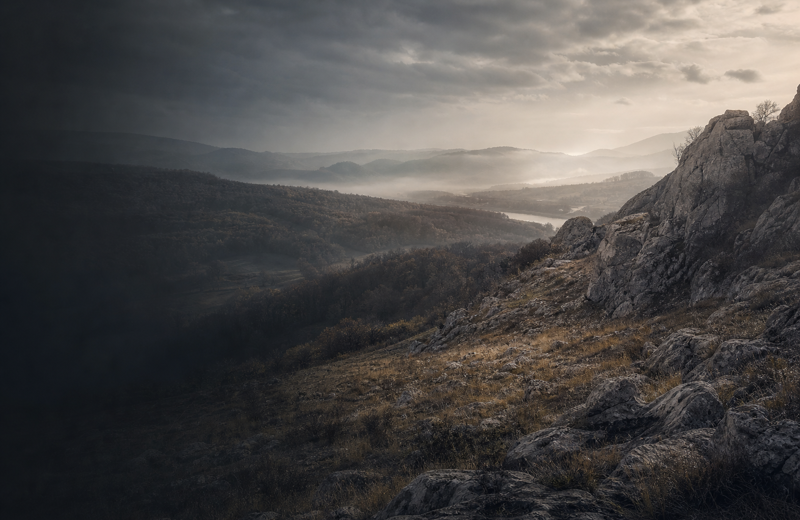
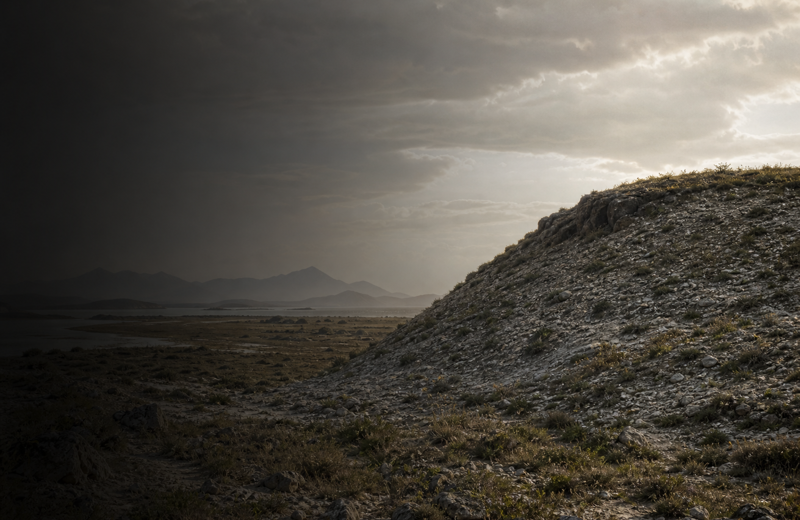
A Carpathian Basin arc (6069–831 BCE) where archaeology and ancient DNA converge
Coastal foragers of Tierra del Fuego, seen through middens and mitochondrial lineages
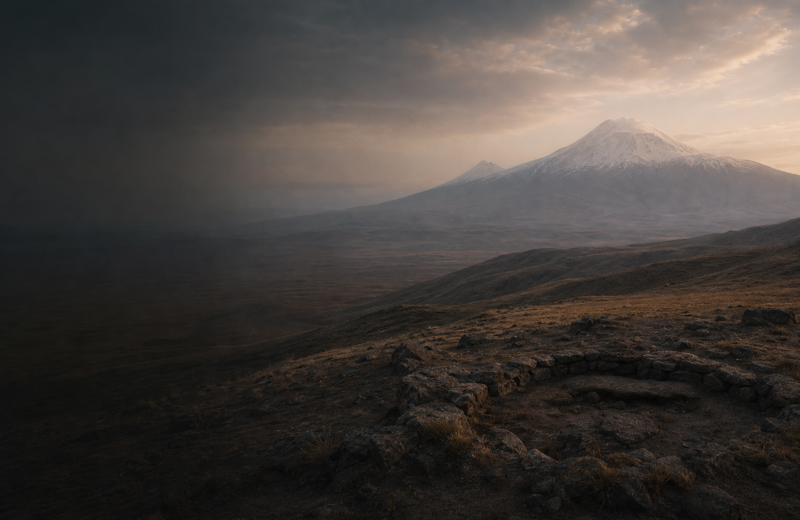
A single Neolithic voice from Masis Blur, Armenia (c.5633–5532 BCE)
Ancient coastal lifeways and genetic echoes before European contact
Two Upper Paleolithic voices from Austria revealing hunter-gatherer lifeways and genetics
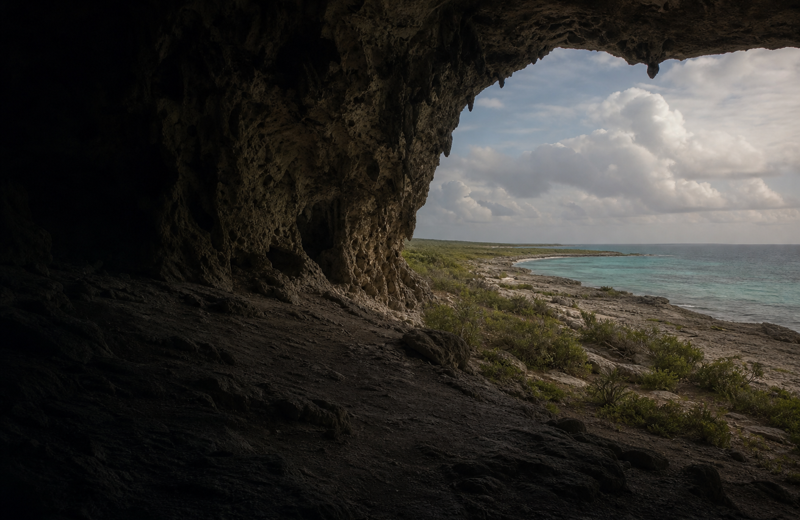
A Late-1st-millennium burial from Preacher's Cave ties Bahamian life to wider Arawakan movements
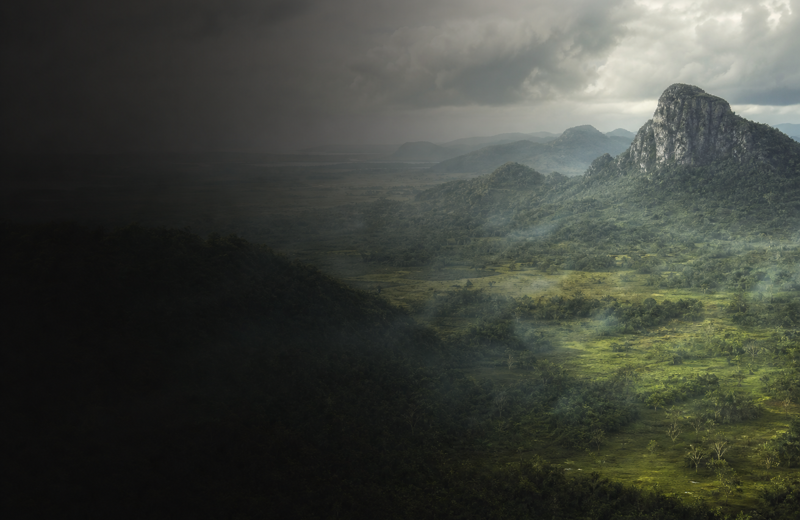
A lone voice from Mayahak Cab Pek linking early Belize to wider Native American maternal lineages
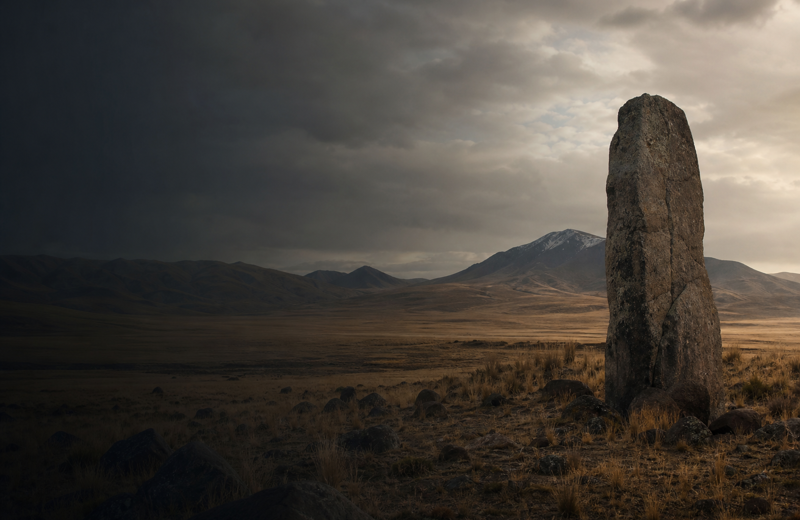
A single genomic signal from a high-altitude monolith illuminates Tiwanaku-era lives
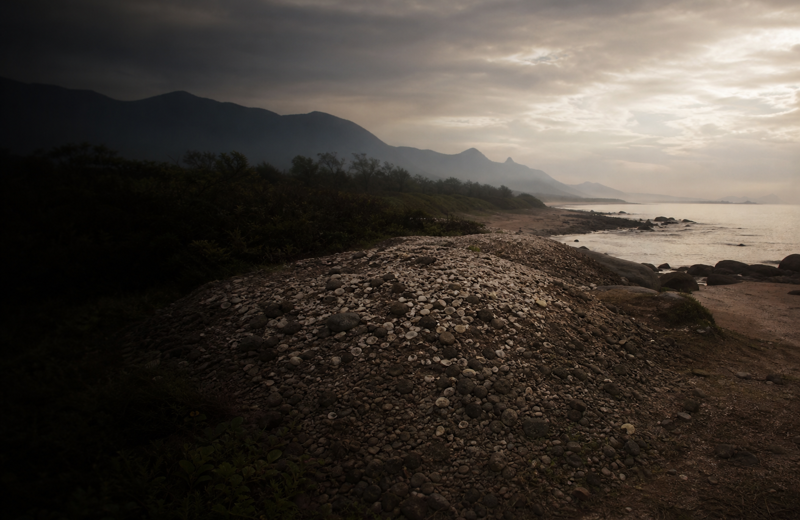
One ancient genome from a SE Brazilian shell mound hints at coastal foragers and deep Native American roots
A lone genome from central Brazil opens a window onto coastal life c. 7300–7050 BCE.
Voices from the Lake: people of the Tiwanaku heartland, 650–1200 CE