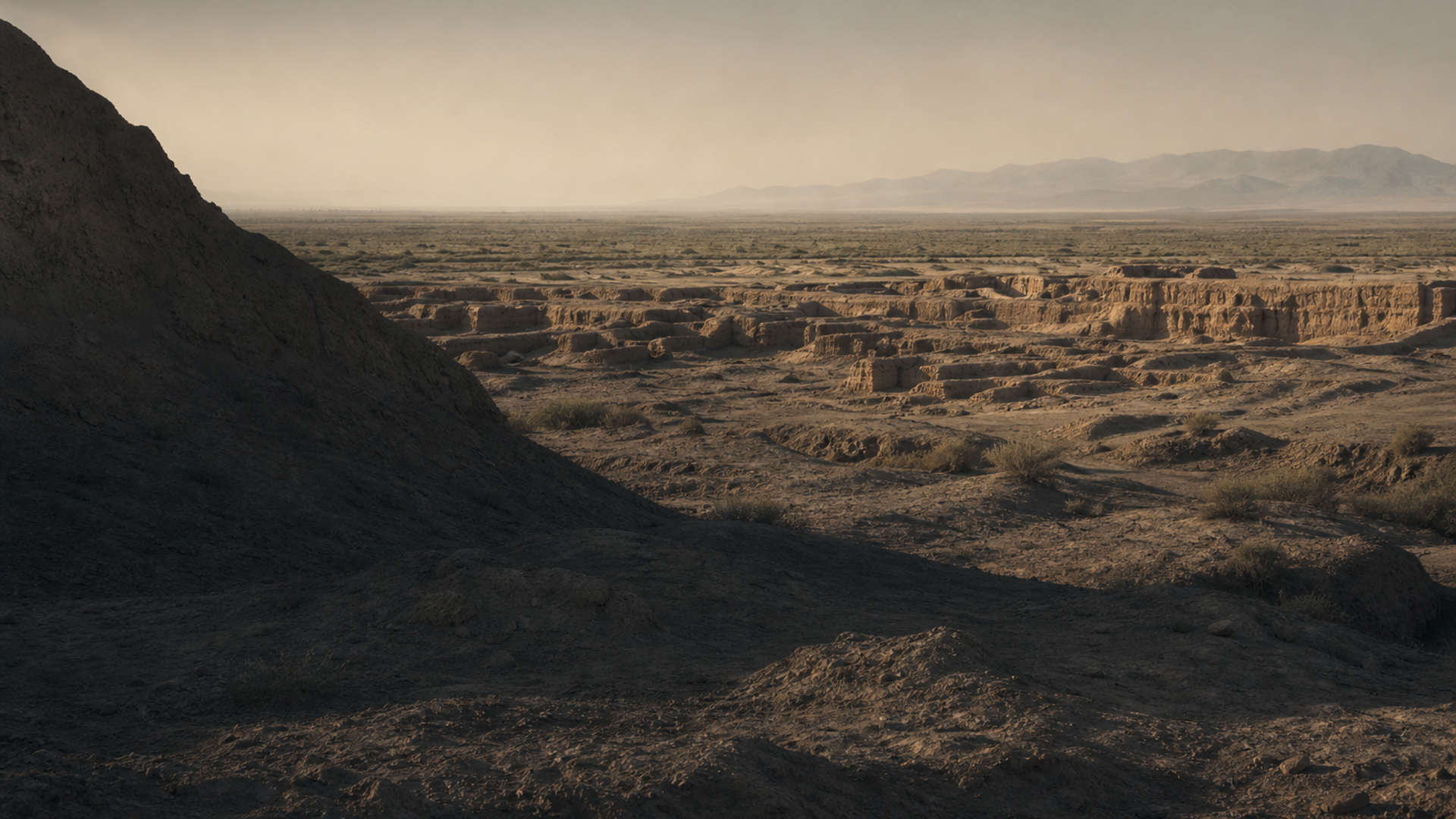
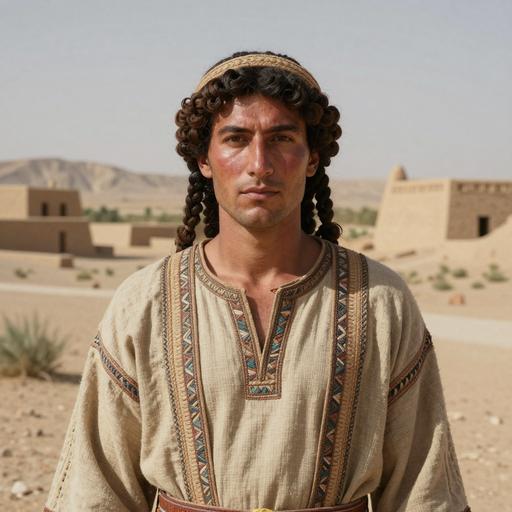
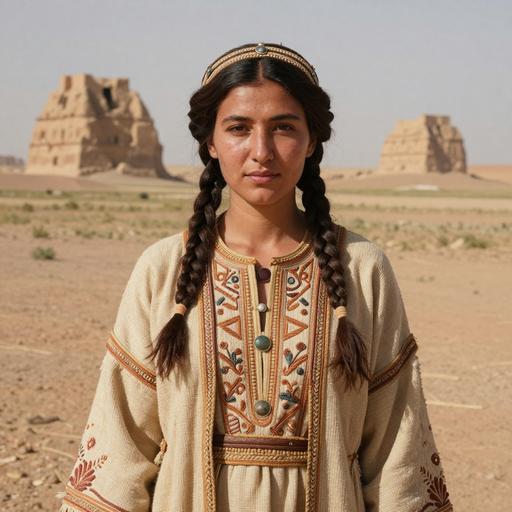
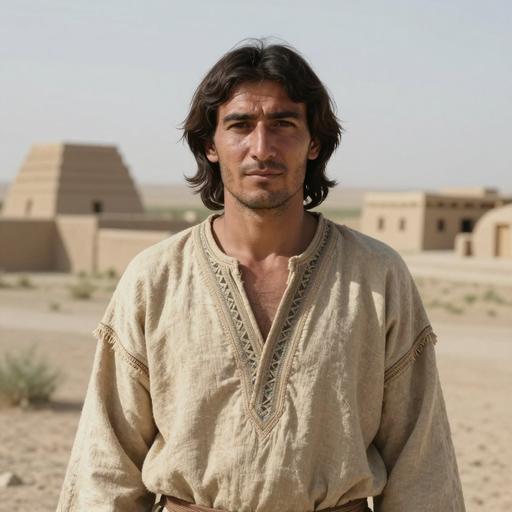
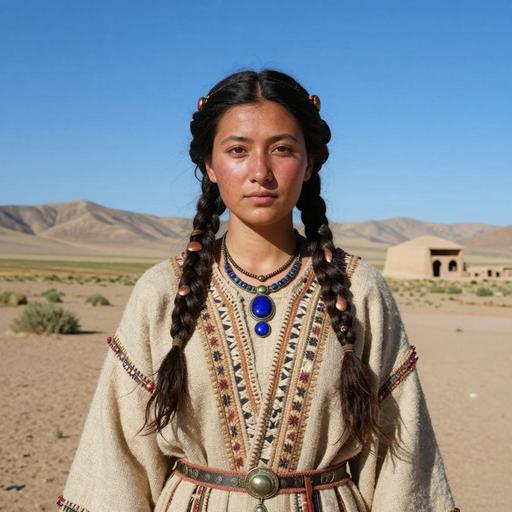
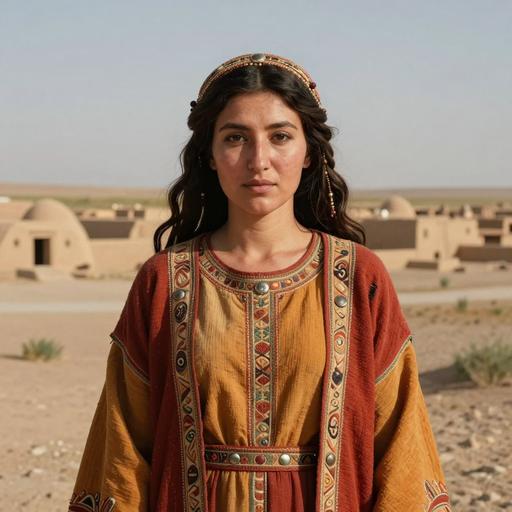
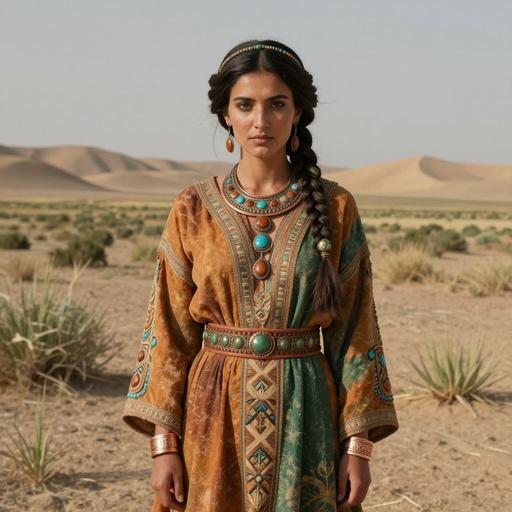
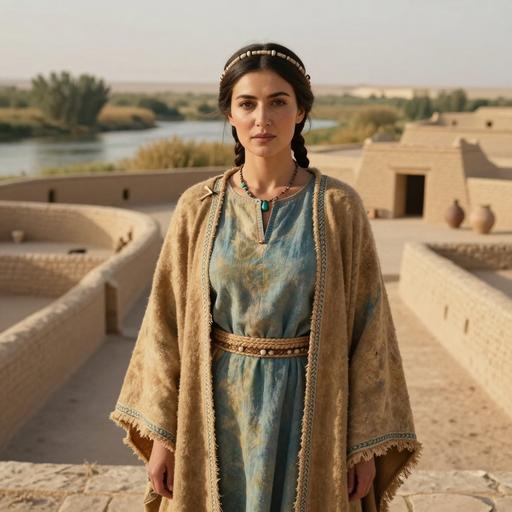
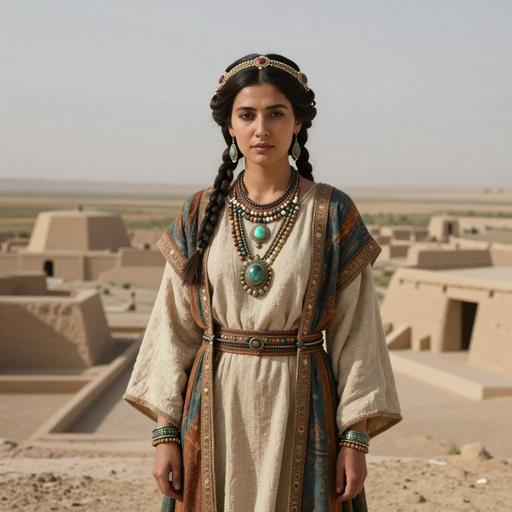
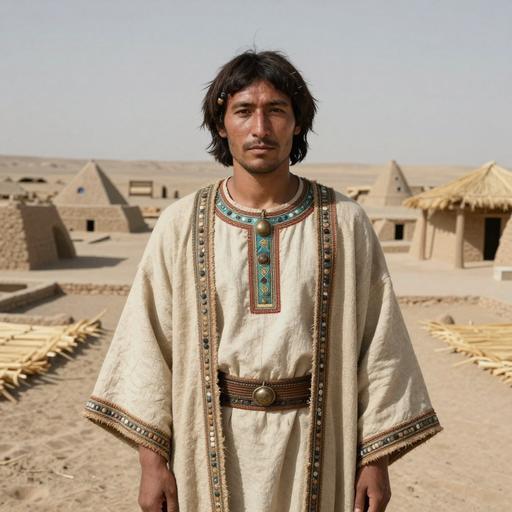
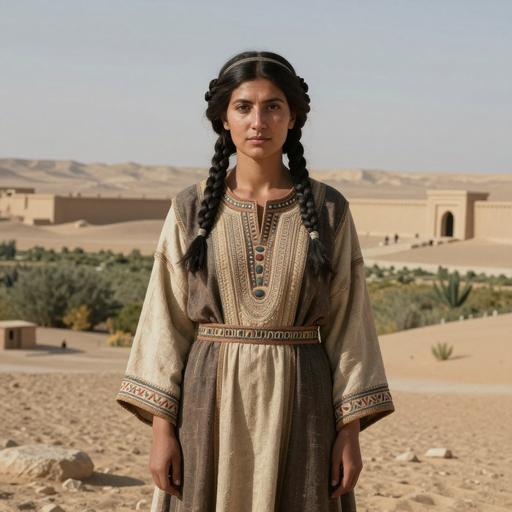
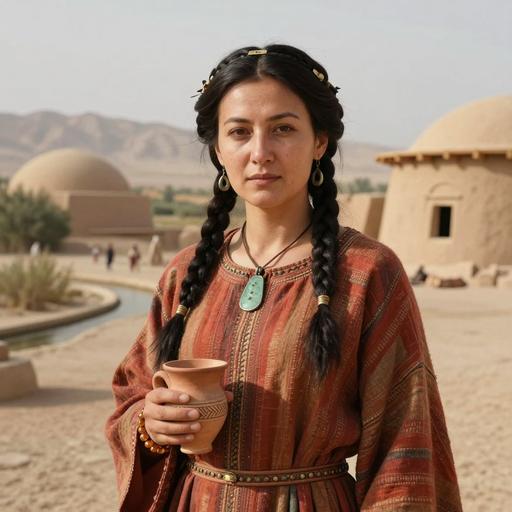
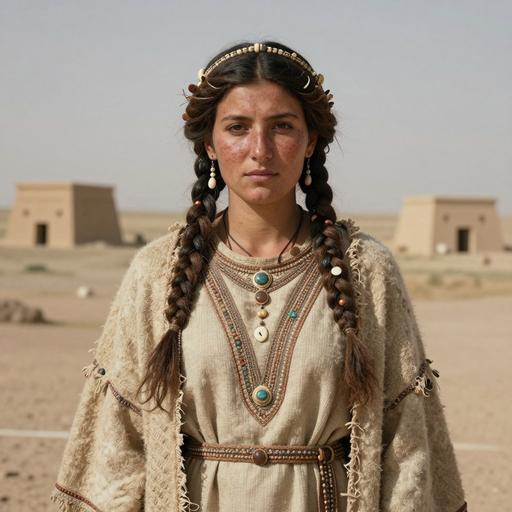
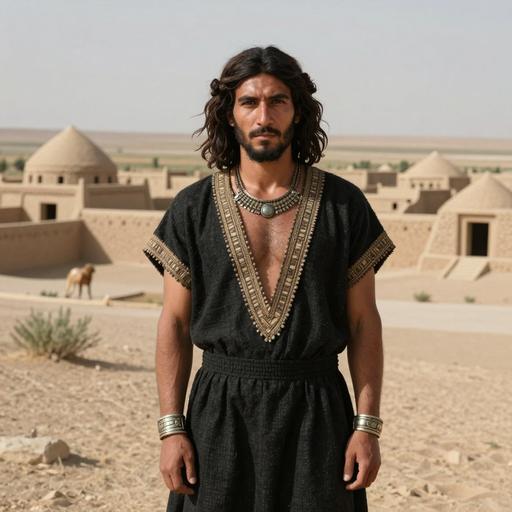
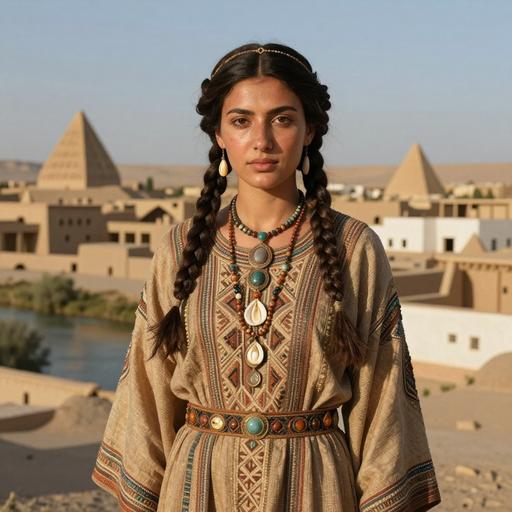
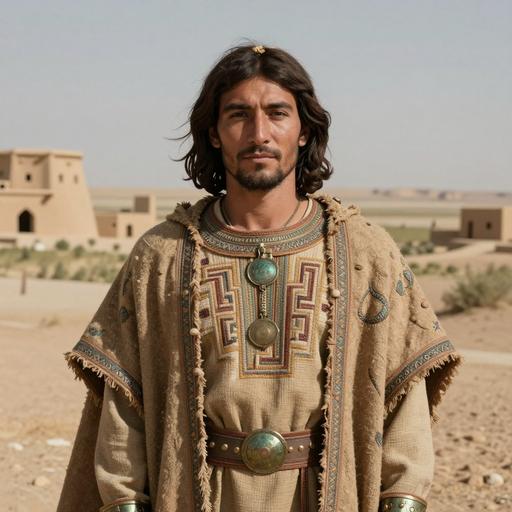
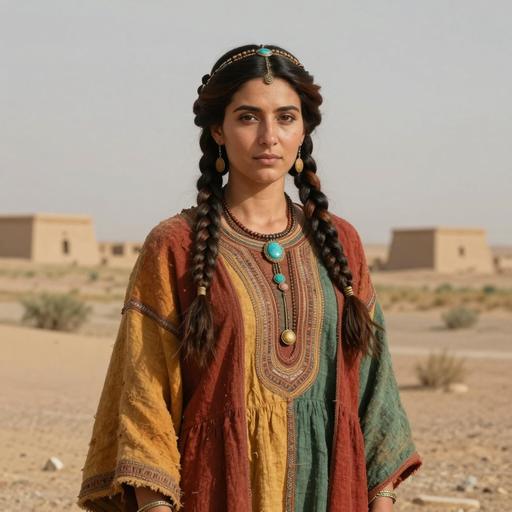
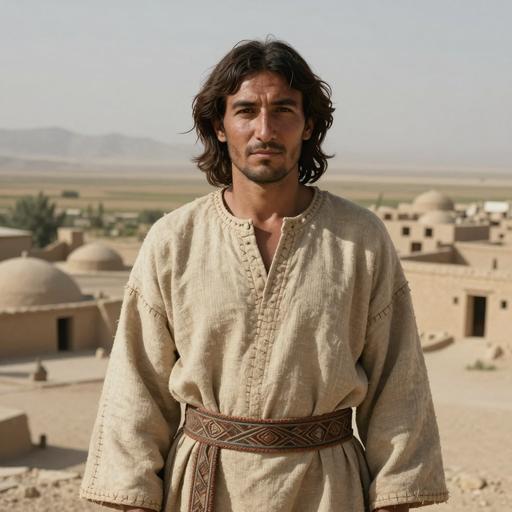
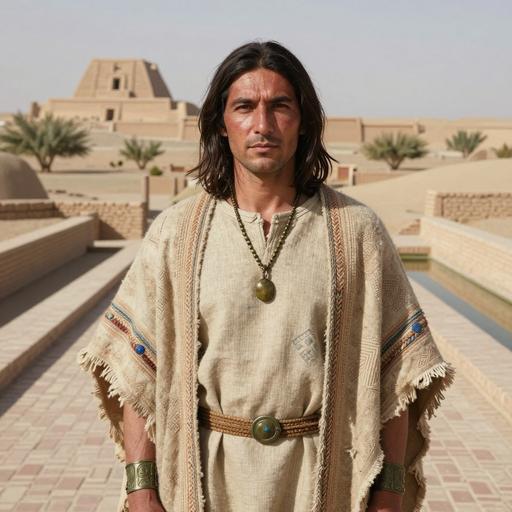
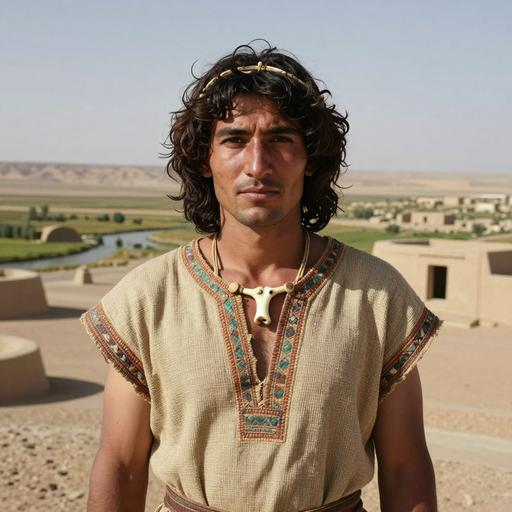
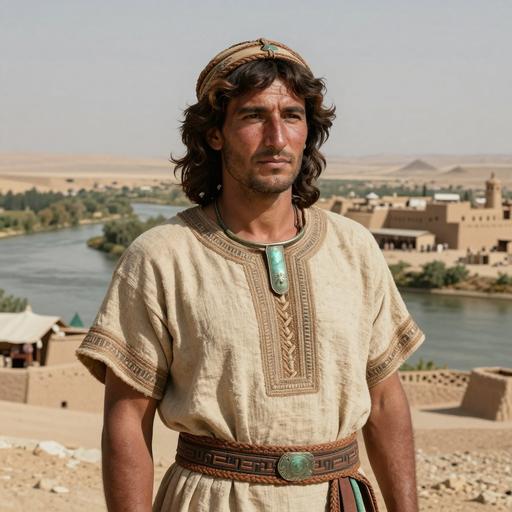
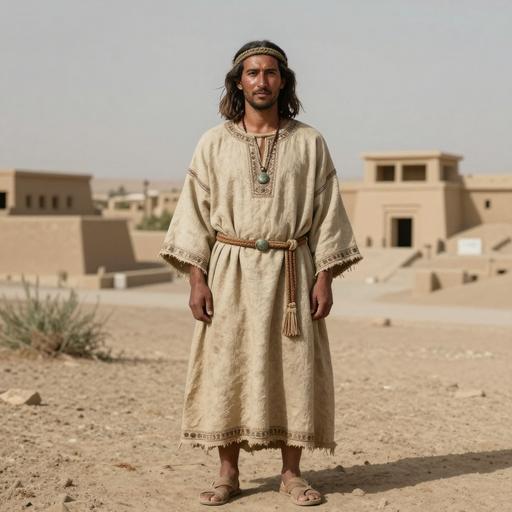
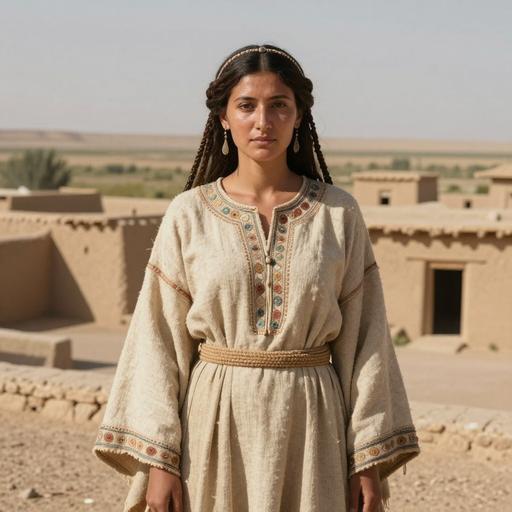
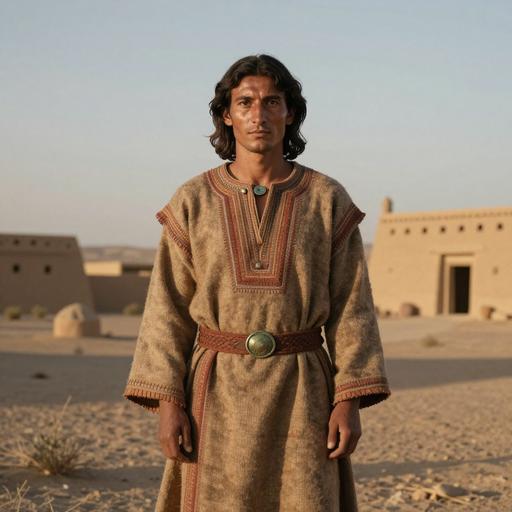
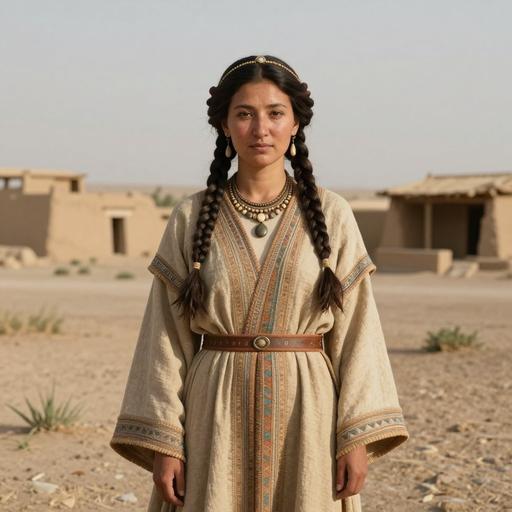
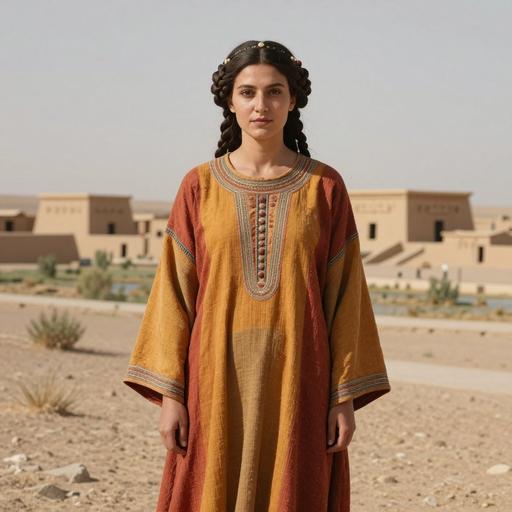
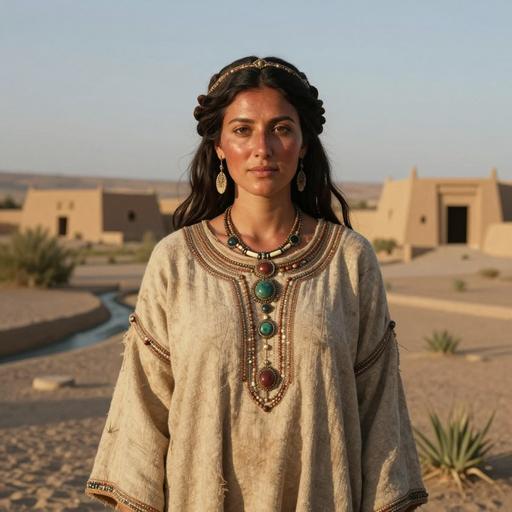
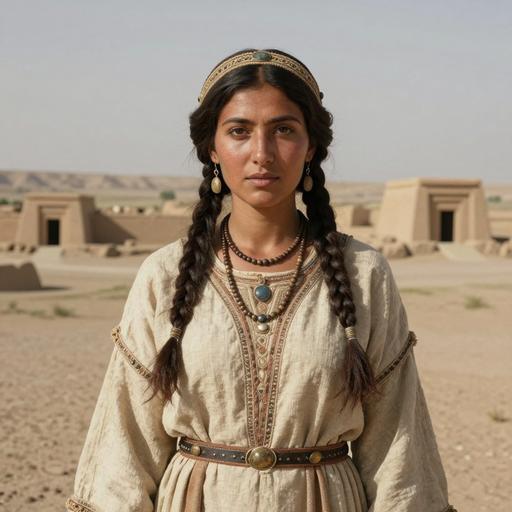
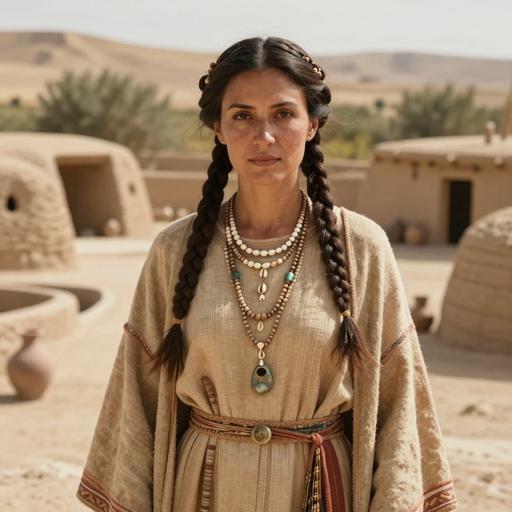
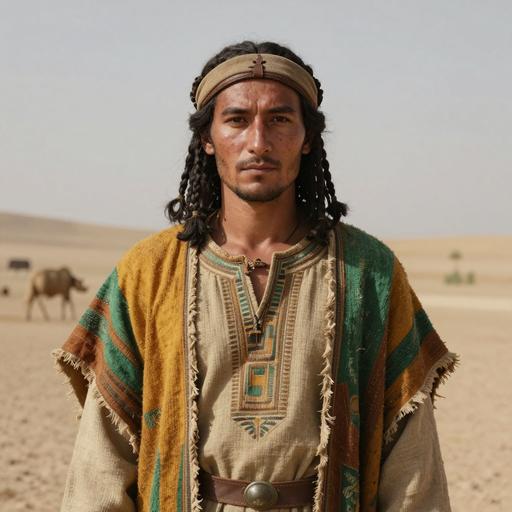
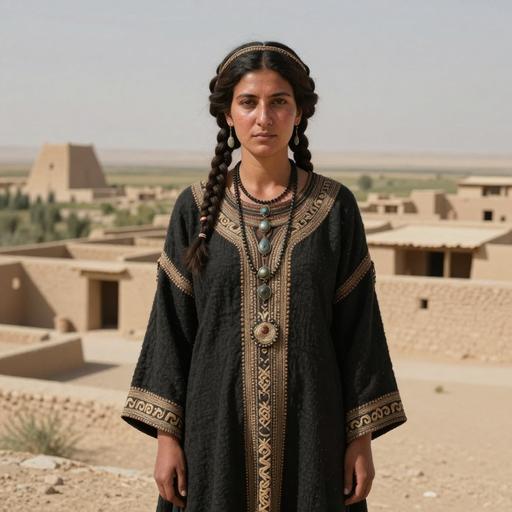
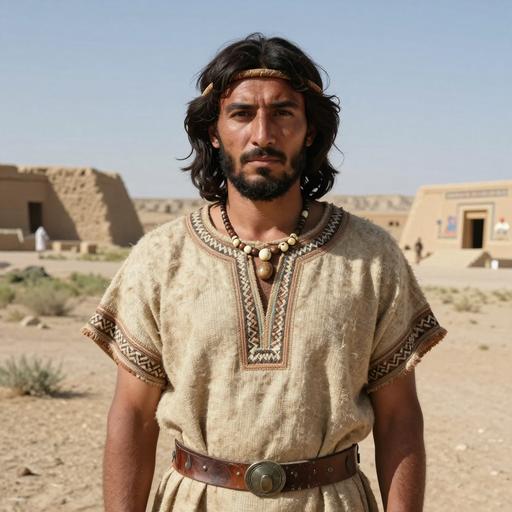
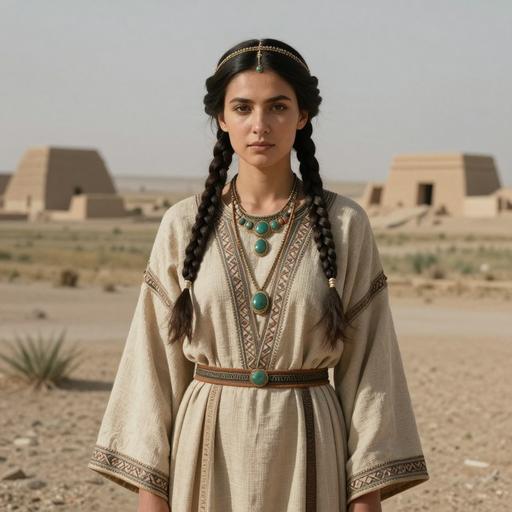
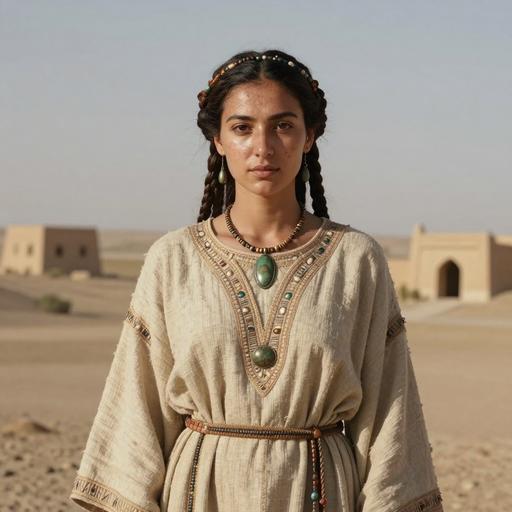
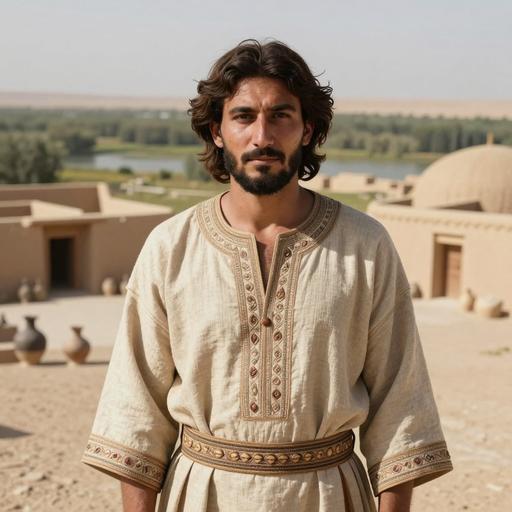
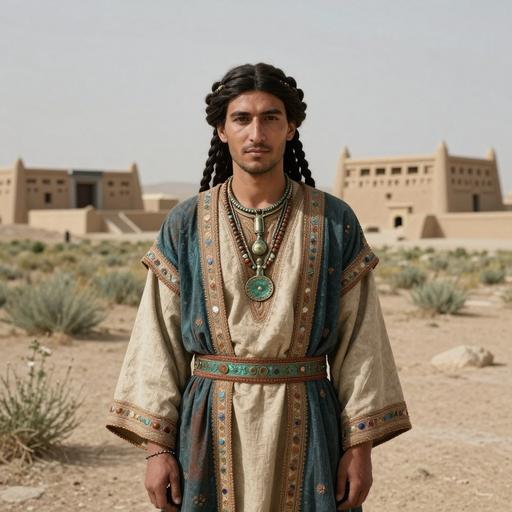
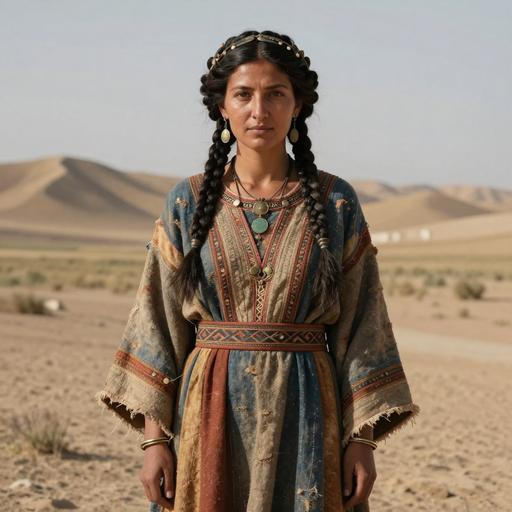
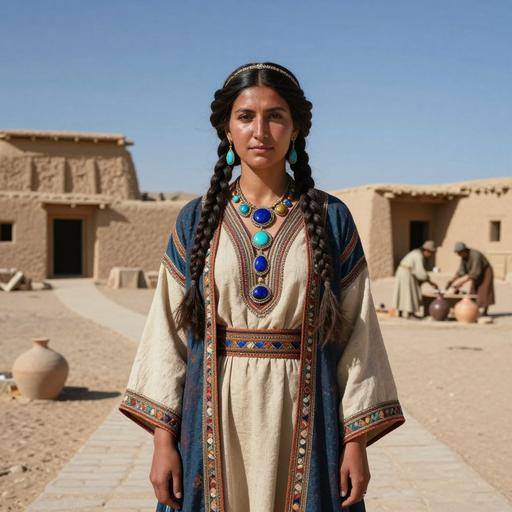
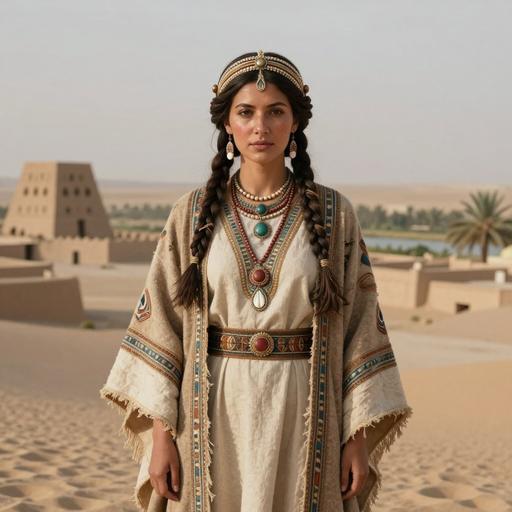
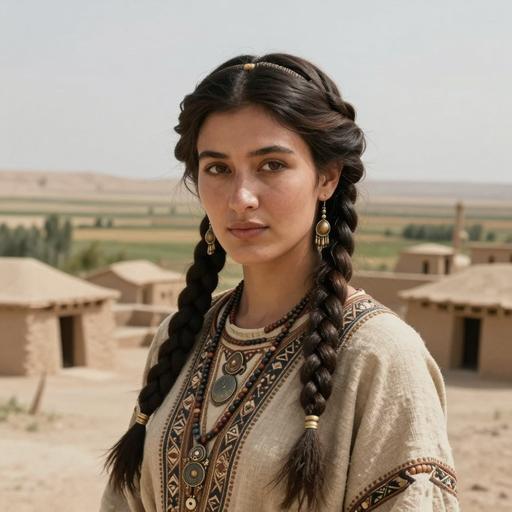
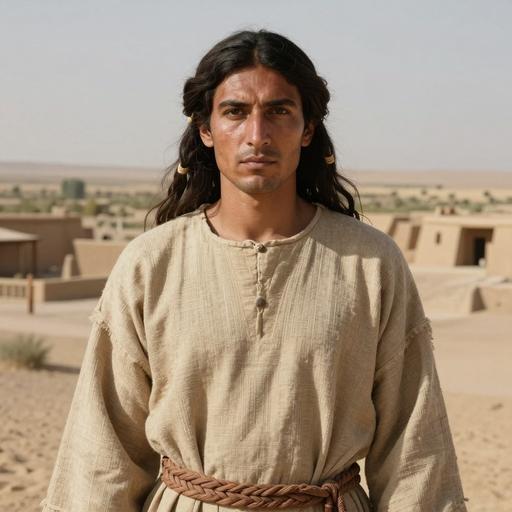
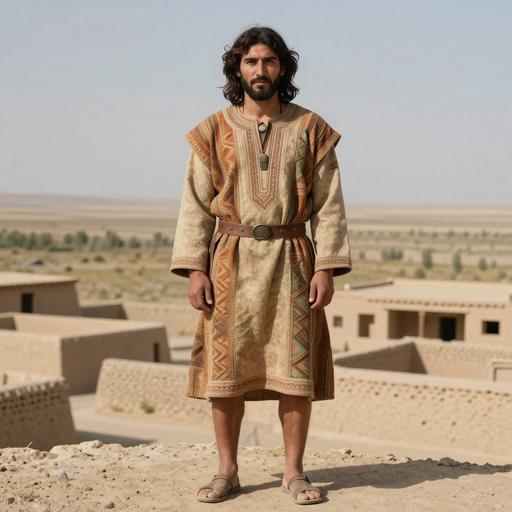
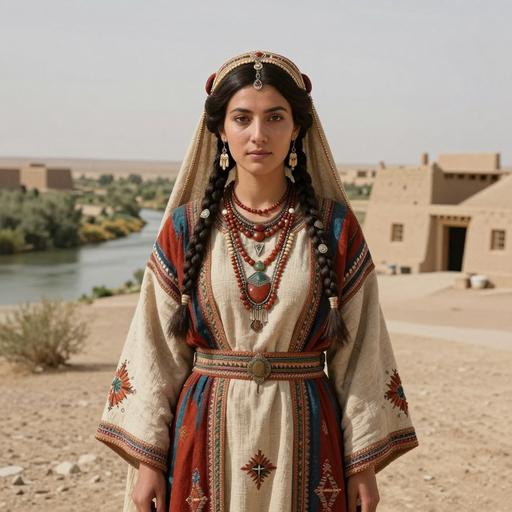
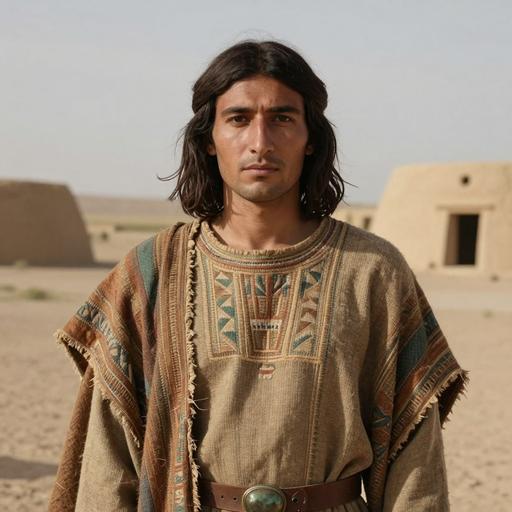
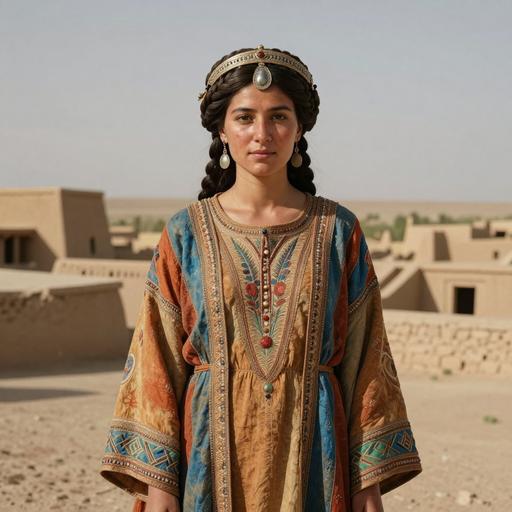
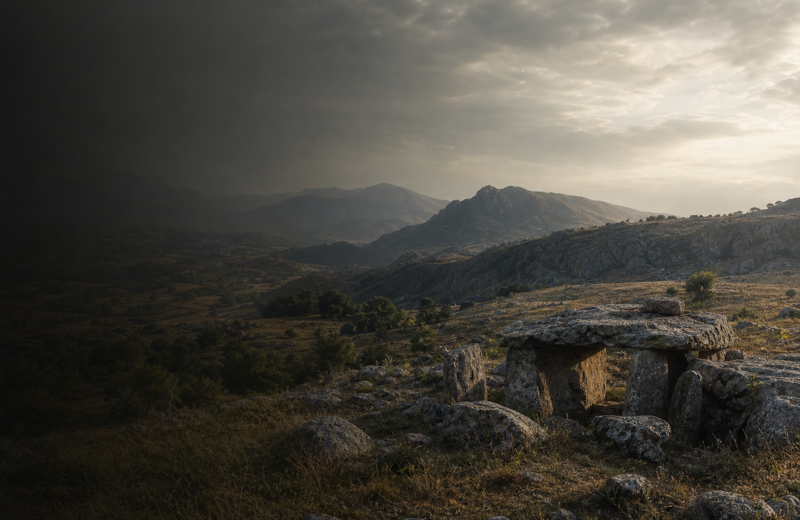
The Bactria–Margiana Archaeological Complex (BMAC; 2500–1000 BCE) centered on Gonur and Parkhai in Turkmenistan. Archaeology and DNA from 51 individuals reveal a diverse population with Near Eastern maternal lineages and mixed paternal signals, suggesting local development with long-distance connections.
The interactive map is unavailable. Browse the sample catalog for recorded locations.
Timeline
2500 BCE
Emergence of Gonur urban centers
Gonur Tepe rises as a major fortified oasis complex, establishing BMAC urban and ritual architecture across the Murghab plain.
Origins & Emergence
The Bactria–Margiana Archaeological Complex (BMAC) unfolded across the oasis belts of the Murghab and Tedjen river systems. From around 2500 BCE monumental mounds and rectilinear compounds—most famously Gonur Tepe—rose from the irrigated steppe. Archaeological data indicates planned settlements with mudbrick architecture, fortified enclosures, and elaborate ritual spaces during the Bronze Age Gonur phase (c. 2500–2000 BCE). Parkhai I and Parkhai II, later occupations dated into the Late Bronze Age, record continuation and transformation of these settlement patterns.
Material culture—polished stone weights, distinctive monochrome ceramics, and stamp seals—speaks to complex social organization and long-distance exchange. The archaeological horizon looks like an oasis-driven civilization: intensive irrigation, craft specialization, and monumental public buildings. Limited evidence suggests some continuity with earlier local farming communities, while clear new architectural and craft forms appear during the early 3rd millennium BCE.
Genetic sampling from 51 individuals concentrated at Gonur and Parkhai helps anchor these cultural changes to people on the ground: DNA offers a window into who inhabited these monumental places, complementing artifact-based narratives with biological kinship and mobility patterns.
Emergence around 2500 BCE on Murghab-Tedjen oases
Monumental architecture at Gonur Tepe and fortified compounds
Material culture indicates craft specialization and long-distance exchange
Daily Life & Society
Archaeological contexts paint BMAC life as both practical and ceremonial. Households clustered within compounds; storage facilities and irrigated fields supported cereals, legumes, and possibly orchard crops. Faunal remains indicate a mixed economy of sheep, goat, cattle, and mobile pastoralism—animals that linked settlements across arid landscapes. Craft workshops produced intricate stone and shell beads, copper objects, and the distinctive painted and burnished pottery that appears across Gonur and Parkhai sites.
Burials vary from simple interments to richly furnished tombs containing ceramics, metalwork, and personal ornaments. Funerary variability implies social differentiation: some graves suggest high-status individuals or households engaged in ritual display. Seals and standardized weights point to administrative practices—perhaps management of irrigation and surplus. Material traces of long-distance trade (marine shell, lapis-like stones, exotic faunal remains) evoke caravans and riverine connections reaching toward the Indus, the Iranian plateau, and beyond.
Archaeological evidence indicates a society negotiated between settlement permanence and regional mobility, where ritual architecture and everyday craft produced a memorable cultural landscape.
Irrigated agriculture and mixed herding underpinned settlements
Burial diversity and craft specialization indicate social complexity
Genetic Profile
Genome-wide data from 51 individuals sampled at Gonur and Parkhai provide a population-level glimpse into BMAC ancestry. Maternal lineages are diverse: HV (9), T (6), R2 (4), U (4), and H (3) together suggest strong connections to Near Eastern and South-Central Asian maternal pools. The prominence of HV and T is consistent with broader Near Eastern Bronze Age signals, while R2 points to links or contacts extending toward South Asia.
Y-chromosome diversity is mixed: haplogroup J (6) is common in Near Eastern contexts, while R (5) may reflect contacts with steppe-derived or South Asian-associated paternal lineages; smaller counts of H (2), T (1), and P (1) add to the picture of heterogeneous male ancestry. Archaeogenetic data indicates that the people of Gonur and Parkhai were not genetically monolithic: they appear to carry a primary Near Eastern/Iran-related signature combined with incoming elements from surrounding regions.
Caution is warranted: although a sample of 51 provides a meaningful snapshot, sampling is site-focused and may not capture the full demographic range of the wider BMAC. Moreover, assigning precise geographic origins to specific haplogroups remains probabilistic; archaeological context and isotopic studies are essential complements to genetic inferences.
Maternal lineages (HV, T, R2, U, H) indicate Near Eastern and South‑Central Asian connections
Paternal haplogroups show mixed signals (J, R, H), consistent with regional interactions
Legacy & Modern Connections
The BMAC left an imprint of monumental architecture, craft traditions, and trade networks that shaped Bronze Age Eurasia. Genetically, the complex contributes to the ancestry of later populations in Central and South Asia but does not map cleanly onto any single modern group. Archaeogenetic evidence suggests partial continuity with populations on the Iranian plateau and in parts of South-Central Asia, layered by subsequent migrations and cultural changes.
For modern inhabitants of Turkmenistan and neighboring regions, the BMAC is an ancestral chapter among many. Its significance lies in demonstrating how oasis societies could concentrate wealth, skills, and connections across great distances. Ongoing genomic sampling, paired with archaeological and isotopic studies, will refine our understanding of how Bronze Age people moved, married, and forged the deep human networks that link past and present.
Partial genetic continuity with later Central and South-Central Asian populations
Cultural legacy evident in long-distance trade and monumental urbanism
Sample Catalog
10 / 45 samples
No samples match your search.
Portrait
Sample
Country
Era
Date
Culture
Sex
Y-DNA
mtDNA
Turkmenistan
Turkmenistan_Gonur_BA
2204-2027 calBCE (3720±30 BP, Poz-83485)
Bactria-Margiana Archaeological Complex (BMAC)
M
J-ZS6592
U7a2
Turkmenistan
Turkmenistan_Gonur_BA
2123-1830 calBCE (3605±35 BP, Poz-83490)
Bactria-Margiana Archaeological Complex (BMAC)
F
-
U7a4a1
Turkmenistan
Turkmenistan_Gonur_BA
2014-1771 calBCE (3550±30 BP, PSUAMS-2065)
Bactria-Margiana Archaeological Complex (BMAC)
M
T-M70
T1a1
Turkmenistan
Turkmenistan_Gonur_BA
2451-2141 calBCE (3815±35 BP, Poz-83491)
Bactria-Margiana Archaeological Complex (BMAC)
F
-
M30a
Turkmenistan
Turkmenistan_Gonur_BA
2130-1896 calBCE (3630±30 BP, PSUAMS-2066)
Bactria-Margiana Archaeological Complex (BMAC)
F
-
H6
Turkmenistan
Turkmenistan_Gonur_BA
1900-1700 BCE
Bactria-Margiana Archaeological Complex (BMAC)
F
-
T2c1a-b3*
Turkmenistan
Turkmenistan_Gonur_BA
2289-2141 calBCE (3785±20 BP, PSUAMS-2309)
Bactria-Margiana Archaeological Complex (BMAC)
F
-
W3
Turkmenistan
Turkmenistan_Gonur_BA
2204-2038 calBCE (3735±20 BP, PSUAMS-2314)
Bactria-Margiana Archaeological Complex (BMAC)
F
-
HV2
Turkmenistan
Turkmenistan_Gonur_BA
2300-2200 BCE
Bactria-Margiana Archaeological Complex (BMAC)
M
J-P279
U7a
Turkmenistan
Turkmenistan_Gonur_BA
2276-1985 calBCE (3725±35 BP, Poz-83484)
Bactria-Margiana Archaeological Complex (BMAC)
F
-
U7a
Turkmenistan
Turkmenistan_Gonur_BA
2135-1953 calBCE (3660±20 BP, PSUAMS-2311)
Bactria-Margiana Archaeological Complex (BMAC)
F
-
W6
Turkmenistan
Turkmenistan_Gonur_BA
2131-1942 calBCE (3645±20 BP, PSUAMS-2317)
Bactria-Margiana Archaeological Complex (BMAC)
F
-
W3b
Turkmenistan
Turkmenistan_Gonur_BA
2020-1882 calBCE (3580±20 BP, PSUAMS-2313)
Bactria-Margiana Archaeological Complex (BMAC)
M
E-M34
HV1a'b'c
Turkmenistan
Turkmenistan_Gonur_BA
2141 BCE
Bactria-Margiana Archaeological Complex (BMAC)
M
R-M479
R2
Turkmenistan
Turkmenistan_Gonur_BA
2195-2027 calBCE (3700±20 BP, PSUAMS-2312)
Bactria-Margiana Archaeological Complex (BMAC)
F
-
T
Turkmenistan
Turkmenistan_Gonur_BA
2282 BCE
Bactria-Margiana Archaeological Complex (BMAC)
M
H-M2772
R5a2b
Turkmenistan
Turkmenistan_Gonur_BA
2138-1973 calBCE (3670±20 BP, PSUAMS-2315)
Bactria-Margiana Archaeological Complex (BMAC)
F
-
W
Turkmenistan
Turkmenistan_Gonur_BA
2197-2034 calBCE (3715±20 BP, PSUAMS-2335)
Bactria-Margiana Archaeological Complex (BMAC)
M
R-M479
HV12
Turkmenistan
Turkmenistan_Gonur_BA
2133-1946 calBCE (3650±20 BP, PSUAMS-2840)
Bactria-Margiana Archaeological Complex (BMAC)
M
Q-M346
J1
Turkmenistan
Turkmenistan_Gonur_BA
2456-2200 calBCE (3840±35 BP, Poz-83487)
Bactria-Margiana Archaeological Complex (BMAC)
M
J-Z393
T2d1a
Turkmenistan
Turkmenistan_Gonur_BA
2282 BCE
Bactria-Margiana Archaeological Complex (BMAC)
M
P-M45
-
Turkmenistan
Turkmenistan_Gonur_BA
2199-2035 calBCE (3720±20 BP, PSUAMS-2316)
Bactria-Margiana Archaeological Complex (BMAC)
M
J-Z7700
W
Turkmenistan
Turkmenistan_Gonur_BA
2140-1977 calBCE (3680±20 BP, PSUAMS-2310)
Bactria-Margiana Archaeological Complex (BMAC)
F
-
N1a2
Turkmenistan
Turkmenistan_Gonur_BA
2300-2250 BCE
Bactria-Margiana Archaeological Complex (BMAC)
M
J-M304
HV18
Turkmenistan
Turkmenistan_Gonur_BA
2140-1977 calBCE (3680±20 BP, PSUAMS-2152)
Bactria-Margiana Archaeological Complex (BMAC)
F
-
J1d
Turkmenistan
Turkmenistan_Gonur_BA
2286-2064 calBCE (3770±20 BP, PSUAMS-2806)
Bactria-Margiana Archaeological Complex (BMAC)
F
-
J1
Turkmenistan
Turkmenistan_Gonur_BA
2000-1800 BCE
Bactria-Margiana Archaeological Complex (BMAC)
F
-
HV12b1
Turkmenistan
Turkmenistan_Gonur_BA
2500-1600 BCE
Bactria-Margiana Archaeological Complex (BMAC)
F
-
I
Turkmenistan
Turkmenistan_Gonur_BA
2500-1700 BCE
Bactria-Margiana Archaeological Complex (BMAC)
F
-
-
Turkmenistan
Turkmenistan_Gonur_BA
2500-1700 BCE
Bactria-Margiana Archaeological Complex (BMAC)
M
R-P267
U1a1c1
Turkmenistan
Turkmenistan_Gonur_BA
2050-1750 BCE
Bactria-Margiana Archaeological Complex (BMAC)
F
-
T
Turkmenistan
Turkmenistan_Gonur_BA
2500-1600 BCE
Bactria-Margiana Archaeological Complex (BMAC)
M
-
N1a2
Turkmenistan
Turkmenistan_Gonur_BA
2500-1600 BCE
Bactria-Margiana Archaeological Complex (BMAC)
F
-
N2
Turkmenistan
Turkmenistan_Gonur_BA
2500-1600 BCE
Bactria-Margiana Archaeological Complex (BMAC)
F
-
H
Turkmenistan
Turkmenistan_Gonur_BA
2500-1600 BCE
Bactria-Margiana Archaeological Complex (BMAC)
M
CT-M168
R2
Turkmenistan
Turkmenistan_Gonur_BA
2000-1800 BCE
Bactria-Margiana Archaeological Complex (BMAC)
M
R-M479
HV12b1
Turkmenistan
Turkmenistan_Gonur_BA
2500-1600 BCE
Bactria-Margiana Archaeological Complex (BMAC)
F
-
W3b
Turkmenistan
Turkmenistan_Gonur_BA
2500 BCE
Bactria-Margiana Archaeological Complex (BMAC)
U
-
HV2a
Turkmenistan
Turkmenistan_Gonur_BA
2500-1700 BCE
Bactria-Margiana Archaeological Complex (BMAC)
F
-
HV13b
Turkmenistan
Turkmenistan_Gonur_BA
2500-1600 BCE
Bactria-Margiana Archaeological Complex (BMAC)
F
-
U8b1a2-a
Turkmenistan
Turkmenistan_Gonur_BA
2500-1600 BCE
Bactria-Margiana Archaeological Complex (BMAC)
M
-
J1b1a3
Turkmenistan
Turkmenistan_Gonur_BA
2500-1600 BCE
Bactria-Margiana Archaeological Complex (BMAC)
M
J-M304
-
Turkmenistan
Turkmenistan_Gonur_BA
2000-1800 BCE
Bactria-Margiana Archaeological Complex (BMAC)
F
-
W
Turkmenistan
Turkmenistan_Gonur_BA
2500-1600 BCE
Bactria-Margiana Archaeological Complex (BMAC)
M
F-M89
R2
Turkmenistan
Turkmenistan_Gonur_BA
2000-1700 BCE
Bactria-Margiana Archaeological Complex (BMAC)
F
-
T2c1a
Bronze Age Gonur - Turkmenistan - Gonur
Turkmenistan Turkmenistan_Gonur_BA 2204-2027 calBCE (3720±30 BP, Poz-83485)
Y: J-ZS6592mt: U7a2
Bronze Age Gonur - Turkmenistan - Gonur
Turkmenistan Turkmenistan_Gonur_BA 2123-1830 calBCE (3605±35 BP, Poz-83490)
mt: U7a4a1
Bronze Age Gonur - Turkmenistan - Gonur
Turkmenistan Turkmenistan_Gonur_BA 2014-1771 calBCE (3550±30 BP, PSUAMS-2065)
Y: T-M70mt: T1a1
Bronze Age Gonur - Turkmenistan - Gonur
Turkmenistan Turkmenistan_Gonur_BA 2451-2141 calBCE (3815±35 BP, Poz-83491)
mt: M30a
Bronze Age Gonur - Turkmenistan - Gonur
Turkmenistan Turkmenistan_Gonur_BA 2130-1896 calBCE (3630±30 BP, PSUAMS-2066)
mt: H6
Bronze Age Gonur - Turkmenistan - Gonur
Turkmenistan Turkmenistan_Gonur_BA 1900-1700 BCE
mt: T2c1a-b3*
Bronze Age Gonur - Turkmenistan - Gonur
Turkmenistan Turkmenistan_Gonur_BA 2289-2141 calBCE (3785±20 BP, PSUAMS-2309)
mt: W3
Bronze Age Gonur - Turkmenistan - Gonur
Turkmenistan Turkmenistan_Gonur_BA 2204-2038 calBCE (3735±20 BP, PSUAMS-2314)
mt: HV2
Bronze Age Gonur - Turkmenistan - Gonur
Turkmenistan Turkmenistan_Gonur_BA 2300-2200 BCE
Y: J-P279mt: U7a
Bronze Age Gonur - Turkmenistan - Gonur
Turkmenistan Turkmenistan_Gonur_BA 2276-1985 calBCE (3725±35 BP, Poz-83484)
mt: U7a
Bronze Age Gonur - Turkmenistan - Gonur
Turkmenistan Turkmenistan_Gonur_BA 2135-1953 calBCE (3660±20 BP, PSUAMS-2311)
mt: W6
Bronze Age Gonur - Turkmenistan - Gonur
Turkmenistan Turkmenistan_Gonur_BA 2131-1942 calBCE (3645±20 BP, PSUAMS-2317)
mt: W3b
Bronze Age Gonur - Turkmenistan - Gonur
Turkmenistan Turkmenistan_Gonur_BA 2020-1882 calBCE (3580±20 BP, PSUAMS-2313)
Y: E-M34mt: HV1a'b'c
Bronze Age Gonur - Turkmenistan - Gonur
Turkmenistan Turkmenistan_Gonur_BA 2141 BCE
Y: R-M479mt: R2
Bronze Age Gonur - Turkmenistan - Gonur
Turkmenistan Turkmenistan_Gonur_BA 2195-2027 calBCE (3700±20 BP, PSUAMS-2312)
mt: T
Bronze Age Gonur - Turkmenistan - Gonur
Turkmenistan Turkmenistan_Gonur_BA 2282 BCE
Y: H-M2772mt: R5a2b
Bronze Age Gonur - Turkmenistan - Gonur
Turkmenistan Turkmenistan_Gonur_BA 2138-1973 calBCE (3670±20 BP, PSUAMS-2315)
mt: W
Bronze Age Gonur - Turkmenistan - Gonur
Turkmenistan Turkmenistan_Gonur_BA 2197-2034 calBCE (3715±20 BP, PSUAMS-2335)
Y: R-M479mt: HV12
Bronze Age Gonur - Turkmenistan - Gonur
Turkmenistan Turkmenistan_Gonur_BA 2133-1946 calBCE (3650±20 BP, PSUAMS-2840)
Y: Q-M346mt: J1
Bronze Age Gonur - Turkmenistan - Gonur
Turkmenistan Turkmenistan_Gonur_BA 2456-2200 calBCE (3840±35 BP, Poz-83487)
Y: J-Z393mt: T2d1a
Bronze Age Gonur - Turkmenistan - Gonur
Turkmenistan Turkmenistan_Gonur_BA 2282 BCE
Y: P-M45
Bronze Age Gonur - Turkmenistan - Gonur
Turkmenistan Turkmenistan_Gonur_BA 2199-2035 calBCE (3720±20 BP, PSUAMS-2316)
Y: J-Z7700mt: W
Bronze Age Gonur - Turkmenistan - Gonur
Turkmenistan Turkmenistan_Gonur_BA 2140-1977 calBCE (3680±20 BP, PSUAMS-2310)
mt: N1a2
Bronze Age Gonur - Turkmenistan - Gonur
Turkmenistan Turkmenistan_Gonur_BA 2300-2250 BCE
Y: J-M304mt: HV18
Bronze Age Gonur - Turkmenistan - Gonur
Turkmenistan Turkmenistan_Gonur_BA 2140-1977 calBCE (3680±20 BP, PSUAMS-2152)
mt: J1d
Bronze Age Gonur - Turkmenistan - Gonur
Turkmenistan Turkmenistan_Gonur_BA 2286-2064 calBCE (3770±20 BP, PSUAMS-2806)
mt: J1
Bronze Age Gonur - Turkmenistan - Gonur
Turkmenistan Turkmenistan_Gonur_BA 2000-1800 BCE
mt: HV12b1
Bronze Age Gonur - Turkmenistan - Gonur
Turkmenistan Turkmenistan_Gonur_BA 2500-1600 BCE
mt: I
Bronze Age Gonur - Turkmenistan - Gonur
Turkmenistan Turkmenistan_Gonur_BA 2500-1700 BCE
Bronze Age Gonur - Turkmenistan - Gonur
Turkmenistan Turkmenistan_Gonur_BA 2500-1700 BCE
Y: R-P267mt: U1a1c1
Bronze Age Gonur - Turkmenistan - Gonur
Turkmenistan Turkmenistan_Gonur_BA 2050-1750 BCE
mt: T
Bronze Age Gonur - Turkmenistan - Gonur
Turkmenistan Turkmenistan_Gonur_BA 2500-1600 BCE
mt: N1a2
Bronze Age Gonur - Turkmenistan - Gonur
Turkmenistan Turkmenistan_Gonur_BA 2500-1600 BCE
mt: N2
Bronze Age Gonur - Turkmenistan - Gonur
Turkmenistan Turkmenistan_Gonur_BA 2500-1600 BCE
mt: H
Bronze Age Gonur - Turkmenistan - Gonur
Turkmenistan Turkmenistan_Gonur_BA 2500-1600 BCE
Y: CT-M168mt: R2
Bronze Age Gonur - Turkmenistan - Gonur
Turkmenistan Turkmenistan_Gonur_BA 2000-1800 BCE
Y: R-M479mt: HV12b1
Bronze Age Gonur - Turkmenistan - Gonur
Turkmenistan Turkmenistan_Gonur_BA 2500-1600 BCE
mt: W3b
Bronze Age Gonur - Turkmenistan - Gonur
Turkmenistan Turkmenistan_Gonur_BA 2500 BCE
mt: HV2a
Bronze Age Gonur - Turkmenistan - Gonur
Turkmenistan Turkmenistan_Gonur_BA 2500-1700 BCE
mt: HV13b
Bronze Age Gonur - Turkmenistan - Gonur
Turkmenistan Turkmenistan_Gonur_BA 2500-1600 BCE
mt: U8b1a2-a
Bronze Age Gonur - Turkmenistan - Gonur
Turkmenistan Turkmenistan_Gonur_BA 2500-1600 BCE
mt: J1b1a3
Bronze Age Gonur - Turkmenistan - Gonur
Turkmenistan Turkmenistan_Gonur_BA 2500-1600 BCE
Y: J-M304
Bronze Age Gonur - Turkmenistan - Gonur
Turkmenistan Turkmenistan_Gonur_BA 2000-1800 BCE
mt: W
Bronze Age Gonur - Turkmenistan - Gonur
Turkmenistan Turkmenistan_Gonur_BA 2500-1600 BCE
Y: F-M89mt: R2
Bronze Age Gonur - Turkmenistan - Gonur
Turkmenistan Turkmenistan_Gonur_BA 2000-1700 BCE
mt: T2c1a
AI Assistant
AI Assistant
by DNAGENICS
Unlock this feature
Ask questions about the Oasis of Bronze: The BMAC Story culture. Our AI assistant can explain genetic findings, historical context, archaeological evidence, and modern connections.
AI-generated interpretation of genetic similarity, not proof of ancestry. Informational only, not professional advice.
Read full notice
Before you continue: the analysis you are about to generate is produced by an AI model. AI output can be incomplete, inaccurate, or simply wrong. It describes statistical genetic similarity to reference populations and is not proof of ancestry, ethnicity, identity, or descent. It is provided for informational and educational purposes only, and is not medical, diagnostic, genealogical, legal, or other professional advice. Do not rely on it to make health, financial, legal, or family decisions. To the fullest extent permitted by applicable law, DNA Genics, S.L. accepts no liability for any loss or decision arising from your use of this AI output.
Sample AI Analysis
The Oasis of Bronze: The BMAC Story culture represents a fascinating chapter in human history...
Genetic analysis reveals connections to earlier populations while showing evidence of unique adaptations and cultural innovations. The ancient DNA samples provide insights into migration patterns, social structures, and the biological relationships between ancient populations.
This is a preview of the AI analysis. Unlock the full AI Assistant to explore detailed insights about: