


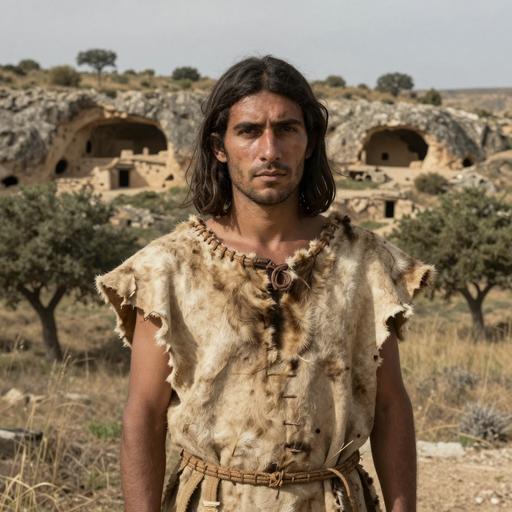
| Individual | Culture/Period | Date | Location | Action |
|---|---|---|---|---|
| Iberian Chalcolithic individual, Spain | Chalcolithic Spain | 3265 BCE | Atapuerca. El Portalón, Spain | View |
| Iberian Chalcolithic individual, Spain | Chalcolithic Spain | 2900 BCE | Atapuerca. El Portalón, Spain | View |
| Western European Neolithic individual, Spain | Early Neolithic Spain | 5299 BCE | Andalusia. Murciélagos de Zuheros, Spain | View |
| Iberian Chalcolithic individual, Spain | Chalcolithic Spain | 3011 BCE | Atapuerca. El Portalón, Spain | View |
| Iberian individual, Spain | Bronze Age Spain | 1600 BCE | La Rioja. Cueva de los Lagos, Spain | View |
| Iberian Chalcolithic individual, Spain | Chalcolithic Spain | 3336 BCE | Atapuerca. El Portalón, Spain | View |
| Prehistoric Iberian individual, Spain | Late Neolithic Spain | 3765 BCE | Andalusia. Cueva de los Cuarenta, Spain | View |
| Iberian individual, Spain | Bronze Age Spain | 2100 BCE | Andalusia. Priego de Córdoba, Spain | View |
| Prehistoric Iberian individual, Spain | Late Neolithic Spain | 3779 BCE | Basque country. San Quílez, Spain | View |
| Iberian Chalcolithic individual, Spain | Chalcolithic Spain | 3096 BCE | Atapuerca. El Portalón, Spain | View |
| Western European Neolithic individual, Spain | Early Neolithic Spain | 5214 BCE | Atapuerca. El Portalón, Spain | View |
| Iberia Ca individual, Spain | 2900 BCE | Atapuerca. El Portalón, Spain | View | |
| Iberia En individual, Spain | 5214 BCE | Atapuerca. El Portalón, Spain | View | |
| Iberia Ca individual, Spain | 3265 BCE | Atapuerca. El Portalón, Spain | View | |
| Chalcolithic individual, Spain | 3011 BCE | Atapuerca. El Portalón, Spain | View | |
| Iberia Ln individual, Spain | 3765 BCE | Andalusia. Cueva de los Cuarenta, Spain | View | |
| Iberia Ba individual, Spain | 1600 BCE | La Rioja. Cueva de los Lagos, Spain | View | |
| Iberia N individual, Spain | 5299 BCE | Andalusia. Murciélagos de Zuheros, Spain | View | |
| Iberia Ia individual, Spain | 2100 BCE | Andalusia. Priego de Córdoba, Spain | View | |
| Iberia Ca individual, Spain | 3336 BCE | Atapuerca. El Portalón, Spain | View | |
| Iberia Ca individual, Spain | 3096 BCE | Atapuerca. El Portalón, Spain | View | |
| Iberia Ln individual, Spain | 3779 BCE | Basque country. San Quílez, Spain | View |
Page 1
| Individual | Culture/Period | Date | Location | Action |
|---|---|---|---|---|
| EN individual, Spain | Early Neolithic Spain | 5214 BCE | Burgos. El Prado de Pancorbo, Spain | View |
| EN individual, Spain | Early Neolithic Spain | 5312 BCE | Els Trocs, Spain | View |
| EN individual, Spain | Early Neolithic Spain | 5298 BCE | Els Trocs, Spain | View |
| Western European Neolithic individual, Spain | Early Neolithic Spain | 5309 BCE | Els Trocs, Spain | View |
| Western European Neolithic individual, Spain | Early Neolithic Spain | 5298 BCE | Els Trocs, Spain | View |
| EN individual, Spain | Early Neolithic Spain | 5304 BCE | Els Trocs, Spain | View |
| EN individual, Spain | Early Neolithic Spain | 4836 BCE | Burgos. El Prado de Pancorbo, Spain | View |
| EN individual, Spain | Early Neolithic Spain | 5308 BCE | Cueva de Chaves, Spain | View |
| EN individual, Spain | Early Neolithic Spain | 5302 BCE | Cueva de Chaves, Spain | View |
| EN individual, Spain | Early Neolithic Spain | 5302 BCE | Cueva de Chaves, Spain | View |
| EN individual, Spain | Early Neolithic Spain | 4545 BCE | Cueva de Chaves, Spain | View |
| EN individual, Spain | Early Neolithic Spain | 5209 BCE | Fuente Celada, Spain | View |
| Western European Neolithic individual, Spain | Early Neolithic Spain | 5299 BCE | Andalusia. Murciélagos de Zuheros, Spain | View |
| Western European Neolithic individual, Spain | Early Neolithic Spain | 5474 BCE | Cova Bonica. Vallirana. Barcelona, Spain | View |
| Western European Neolithic individual, Spain | Early Neolithic Spain | 5100 BCE | El Toro, Spain | View |
| Western European Neolithic individual, Spain | Early Neolithic Spain | 5100 BCE | El Toro, Spain | View |
| Western European Neolithic individual, Spain | Early Neolithic Spain | 5214 BCE | Atapuerca. El Portalón, Spain | View |
| Western European Neolithic individual, Spain | Early Neolithic Spain | 5100 BCE | El Toro, Spain | View |
| Western European Neolithic individual, Spain | Early Neolithic Spain | 5036 BCE | El Toro, Spain | View |
Page 1