


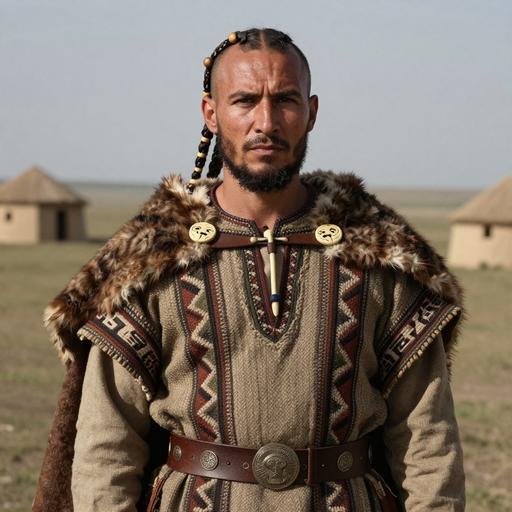
AIG001
Iron Age Sarmatian, Kazakhstan
500 BCE
Mangistau Region. Tupkaragan District. Taushyk Village. Aigirly Sanctuary, Kazakhstan
AIG002
Iron Age Sarmatian, Kazakhstan
500 BCE
Mangistau Region. Tupkaragan District. Taushyk Village. Aigirly Sanctuary, Kazakhstan
AIG003
Iron Age Sarmatian, Kazakhstan
386 BCE
Mangistau Region. Tupkaragan District. Taushyk Village. Aigirly Sanctuary, Kazakhstan
AIG005
Iron Age Sarmatian, Kazakhstan
81 CE
Mangistau Region. Tupkaragan District. Taushyk Village. Aigirly Sanctuary, Kazakhstan
AIG006
Iron Age Sarmatian, Kazakhstan
500 BCE
Mangistau Region. Tupkaragan District. Taushyk Village. Aigirly Sanctuary, Kazakhstan
AKB001
Early Iron Age Tasmola Culture, Kazakhstan
826 BCE
Central Kazakhstan. Akbeit I. mound 1, Kazakhstan
ALN001
Iron Age Kyrgyzstan
248 CE
Osh Province. Alai Valley. Alai/Nura I. II. Tuyuk II Mounds, Kyrgyzstan
ALN002
Iron Age Kyrgyzstan
130 CE
Osh Province. Alai Valley. Alai/Nura I. II. Tuyuk II Mounds, Kyrgyzstan
ALN003
Iron Age Kyrgyzstan
100 CE
Osh Province. Alai Valley. Alai/Nura I. II. Tuyuk II Mounds, Kyrgyzstan
ALN004
Iron Age Kyrgyzstan
252 CE
Osh Province. Alai Valley. Alai/Nura I. II. Tuyuk II Mounds, Kyrgyzstan
ALN005
Iron Age Kyrgyzstan
259 CE
Osh Province. Alai Valley. Alai/Nura I. II. Tuyuk II Mounds, Kyrgyzstan
ALN006
Iron Age Kyrgyzstan
749 BCE
Osh Province. Alai Valley. Alai/Nura I. II. Tuyuk II Mounds, Kyrgyzstan
| Sample ID | Culture/Period | Date | Location | Action |
|---|---|---|---|---|
| AIG001 | Iron Age Sarmatian, Kazakhstan | 500 BCE | Mangistau Region. Tupkaragan District. Taushyk Village. Aigirly Sanctuary, Kazakhstan | View |
| AIG002 | Iron Age Sarmatian, Kazakhstan | 500 BCE | Mangistau Region. Tupkaragan District. Taushyk Village. Aigirly Sanctuary, Kazakhstan | View |
| AIG003 | Iron Age Sarmatian, Kazakhstan | 386 BCE | Mangistau Region. Tupkaragan District. Taushyk Village. Aigirly Sanctuary, Kazakhstan | View |
| AIG005 | Iron Age Sarmatian, Kazakhstan | 81 CE | Mangistau Region. Tupkaragan District. Taushyk Village. Aigirly Sanctuary, Kazakhstan | View |
| AIG006 | Iron Age Sarmatian, Kazakhstan | 500 BCE | Mangistau Region. Tupkaragan District. Taushyk Village. Aigirly Sanctuary, Kazakhstan | View |
| AKB001 | Early Iron Age Tasmola Culture, Kazakhstan | 826 BCE | Central Kazakhstan. Akbeit I. mound 1, Kazakhstan | View |
| ALN001 | Iron Age Kyrgyzstan | 248 CE | Osh Province. Alai Valley. Alai/Nura I. II. Tuyuk II Mounds, Kyrgyzstan | View |
| ALN002 | Iron Age Kyrgyzstan | 130 CE | Osh Province. Alai Valley. Alai/Nura I. II. Tuyuk II Mounds, Kyrgyzstan | View |
| ALN003 | Iron Age Kyrgyzstan | 100 CE | Osh Province. Alai Valley. Alai/Nura I. II. Tuyuk II Mounds, Kyrgyzstan | View |
| ALN004 | Iron Age Kyrgyzstan | 252 CE | Osh Province. Alai Valley. Alai/Nura I. II. Tuyuk II Mounds, Kyrgyzstan | View |
| ALN005 | Iron Age Kyrgyzstan | 259 CE | Osh Province. Alai Valley. Alai/Nura I. II. Tuyuk II Mounds, Kyrgyzstan | View |
| ALN006 | Iron Age Kyrgyzstan | 749 BCE | Osh Province. Alai Valley. Alai/Nura I. II. Tuyuk II Mounds, Kyrgyzstan | View |
| ALN007 | Iron Age Kyrgyzstan | 448 BCE | Osh Province. Alai Valley. Alai/Nura I. II. Tuyuk II Mounds, Kyrgyzstan | View |
| ALN008 | Iron Age Kyrgyzstan | 100 CE | Osh Province. Alai Valley. Alai/Nura I. II. Tuyuk II Mounds, Kyrgyzstan | View |
| ALN009 | Iron Age Kyrgyzstan | 100 CE | Osh Province. Alai Valley. Alai/Nura I. II. Tuyuk II Mounds, Kyrgyzstan | View |
| BDY001 | Iron Age Korgantas 1, Kyrgyzstan | 366 BCE | Central Kazakhstan. Bidayk. mound 5, Kazakhstan | View |
| BDY002 | Iron Age Korgantas 2, Kyrgyzstan | 399 BCE | Central Kazakhstan. Bidayk. mound 1, Kazakhstan | View |
| BDY003 | Iron Age Korgantas 3, Kyrgyzstan | 349 BCE | Central Kazakhstan. Bidayk. mound 3, Kazakhstan | View |
| BGD001 | Iron Age Sargat Culture, Russia | 200 BCE | Bashkortostan. Zianchurinsky District. Bogdanovka #228/1, Russia | View |
| BGD002 | Iron Age Sargat Culture, Russia | 200 BCE | Bashkortostan. Zianchurinsky District. Bogdanovka #228/2, Russia | View |
| Sample ID | Culture/Period | Date | Location | Action |
|---|---|---|---|---|
| KBO001 | Iron Age Korgantas, Kazakhstan | 403 BCE | East Kazakhstan Region. Beskaragai District. Krivinka Village. Karaoba. mound 16, Kazakhstan | View |