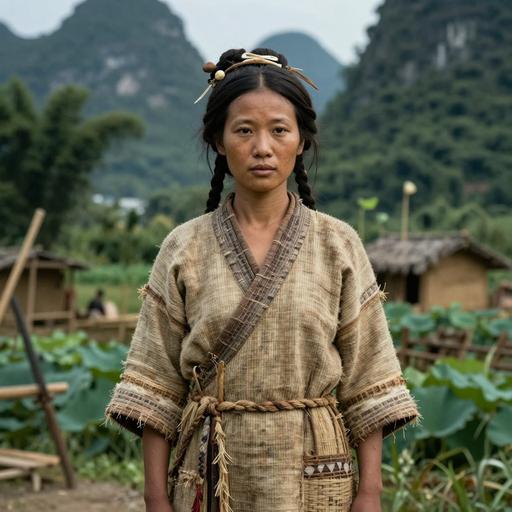
The Guangxi Baojianshan Neolithic culture is a fascinating chapter in ancient Chinese civilization that provides invaluable insights into the early development of human societies in Southern China. This Neolithic culture, primarily centered in what is now known as the Guangxi Zhuang Autonomous Region, is distinguished by its unique adaptations to the subtropical environments and its contributions to the development of agricultural, architectural, and societal practices.
Geographic and Environmental Context
The Guangxi Baojianshan Neolithic culture thrived in a region characterized by karst landscapes, with expansive limestone mountains, caves, and riverine systems. The terrain provided natural resources that significantly influenced the lifestyle and subsistence strategies of the Baojianshan people. The warm and humid climate supported rich biodiversity, making it an ideal region for early agricultural development.
Chronological Framework
This cultural phase is typically situated within the broader time frame of the Neolithic period, which in China generally spans from around 10,000 to 2,000 BCE. However, the Baojianshan Neolithic culture likely developed in the later portion of this period, around 5,000 to 2,500 BCE, coinciding with the maturation of Neolithic cultures across China. This era marked a transition from nomadic hunter-gatherer groups to more settled, agriculturally focused societies.
Subsistence and Economy
The subsistence practices of the Baojianshan culture were primarily agrarian, supplemented by hunting and gathering. Evidence suggests that the cultivation of rice played a crucial role in their diet, highlighting the early domestication of this staple crop in Southern China. In addition to rice, they cultivated millet and various tubers, supported by the fertile river valleys that provided ideal conditions for agriculture.
Hunting and fishing were integral components of the Baojianshan economy, with local fauna such as deer, wild boar, and fish supplementing their dietary needs. The diverse environmental resources of the region enabled a balanced diet and contributed to population growth and societal stability.
Material Culture and Technology
Baojianshan sites have yielded numerous artifacts that illustrate the technological advancements of this culture. Stone tools, including polished axes and adzes, were essential for agriculture and construction. The presence of pottery suggests the development of ceramic technology, used for both utilitarian and ceremonial purposes. The pottery is often characterized by simple, functional designs, though some decorative motifs have been discovered.
The people of Baojianshan also demonstrated proficiency in textile production and bone tool manufacturing, indicating a complex understanding of the materials available to them and their applications in everyday life.
Social Structure and Settlement Patterns
The social organization of the Baojianshan culture appears to have been relatively egalitarian, typical of many Neolithic societies before the emergence of complex hierarchies. Settlement patterns suggest the existence of small, closely-knit communities, often located near water sources to facilitate agriculture and trade.
Archaeological evidence indicates that these communities constructed dwellings using locally available materials such as wood, bamboo, and thatch. Settlements were strategically placed to optimize access to arable land and natural resources, laying the groundwork for more complex societal developments.
Art and Spiritual Life
While the Baojianshan Neolithic culture is not known for elaborate art forms, the discovery of various artifacts hints at a rich spiritual and ritualistic life. Burial sites have occasionally revealed items that indicate belief systems possibly related to ancestor worship or animism, which were common among many Neolithic groups.
Cultural Interactions and Legacy
The Guangxi Baojianshan culture interacted with neighboring cultures, which likely facilitated the exchange of ideas and technologies. These interactions contributed to the cultural and technological evolution of the region, setting the stage for subsequent Bronze Age developments and the integration into broader Chinese civilization narratives.
In summary, the Guangxi Baojianshan Neolithic culture exemplifies an important phase in the development of early Chinese societies in southern China. Through its advancements in agriculture, tool-making, and societal organization, it laid essential foundations for future cultural and technological developments in ancient China. The study of this culture not only enriches our understanding of China's past but also provides insights into the broader patterns of human adaptation and innovation in diverse environments.