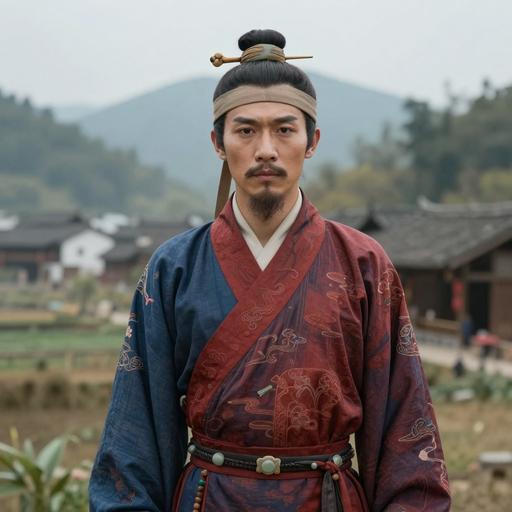
The China Guangxi Huatuyan Ming culture represents a fascinating historical and cultural tapestry during the Ming Dynasty, a period that spanned from 1368 to 1644. This era was marked by significant developments in social, political, economic, and cultural spheres throughout China, including regions like Guangxi.
Geographic Context and Significance
Guangxi is located in the southern part of China, characterized by its stunning karst landscapes, lush subtropical forests, and significant river systems such as the Pearl River. During the Ming Dynasty, Guangxi was a frontier region, often considered peripheral to the central provinces but still vital due to its strategic location near Vietnam and trade routes.
Political Landscape
The Ming Dynasty established a highly centralized governmental structure based on Confucian principles. Guangxi, being relatively distant from the central power in Beijing, had a unique administrative makeup. It was under the jurisdiction of provincial authorities and often dealt with issues related to ethnic diversity, as it was home to various ethnic groups such as the Zhuang, Miao, and Yao peoples.
Social and Cultural Aspects
The Huatuyan culture of Guangxi during the Ming period was a melting pot of Han Chinese and indigenous ethnic influences. The Ming Dynasty’s promotion of Confucianism affected social norms significantly, emphasizing filial piety, hierarchy, and community harmony. However, local customs and traditions persisted, particularly in more isolated communities.
Art and Architecture
The Ming era is renowned for its advancements in art and architecture, and Guangxi was no exception. The region saw the construction of Buddhist temples, Taoist shrines, and Confucian schools, often integrating local aesthetic elements and materials. Ming art in Guangxi likely included intricate wood carvings, traditional ink brush paintings, and pottery, reflecting both Han Chinese techniques and local motifs.
Language and Literature
The linguistic landscape during this time was diverse. Mandarin was the official language, but numerous dialects and languages were spoken, reflecting the ethnic diversity. Ming literature, rich with drama, poetry, and historical texts, would have found its way into Guangxi, fostering a blend of traditional Han Chinese literary forms with local storytelling and oral traditions.
Economic Activity
Agriculture was the backbone of Ming China’s economy, and Guangxi was no different, with rice being the staple crop. The region's fertile plains allowed for agricultural prosperity, supplemented by fishing and animal husbandry. Additionally, Guangxi's artisans engaged in craft production, contributing to the local economy and occasionally participating in regional trade.
Religion and Philosophy
The philosophical landscape of Guangxi during the Ming period was deeply influenced by Confucianism, which governed moral and social conduct. At the same time, Buddhism and Taoism were prevalent, with religious activities and festivals playing a central role in community life. The coexistence of these beliefs led to a syncretic spiritual environment where people often practiced a blend of traditions.
Challenges and Conflicts
Guangxi faced various challenges during the Ming dynasty. The remoteness of the province often meant delayed governmental responses to issues like banditry and ethnic rebellions. The Ming state employed various strategies to maintain control, including military garrisons and administrative reforms.
In conclusion, the Guangxi Huatuyan culture during the Ming Dynasty was a vibrant, multifaceted society shaped by its geographic location, ethnic diversity, and the political structures of the time. While influenced by broader dynastic trends in China, it maintained unique regional characteristics that contributed to its distinct cultural identity.