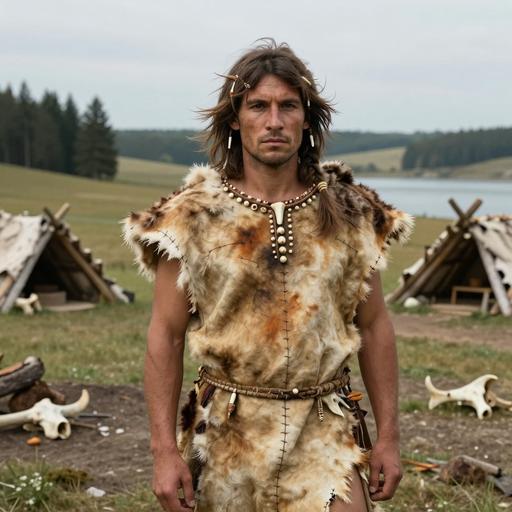
The Krems-Wachtberg site, located near the town of Krems an der Donau in Lower Austria, is a significant archeological site from the European Upper Paleolithic period. Specifically, the findings at this site have been attributed to the Gravettian culture, which flourished around 30,000 to 22,000 years ago. The Krems-Wachtberg 3 site offers remarkable insights into the lives of early modern humans in Europe during the last Ice Age.
Geographic and Environmental Context
The site is situated on the Wachtberg hill overlooking the Danube River. During the Upper Paleolithic, this region of Central Europe was subject to glacial climates, characterized by cold and arid conditions. The landscape was a patchwork of open steppes and pockets of forest, providing a diverse array of resources for the hunter-gatherer populations.
Archaeological Findings
At Krems-Wachtberg, archeologists have uncovered evidence of a significant Gravettian settlement. One of the most extraordinary discoveries is the double burial of two infants, known for its complexity and insight into the burial practices and social structures of the time. These graves were accompanied by red ochre and grave goods, indicating ritualistic behavior and perhaps a belief in an afterlife.
In addition to the burials, numerous tools and artifacts have been discovered. These include stone tools characteristic of the Gravettian culture, such as backed blades, burins, and the distinctive Gravette points used in hunting. Bone tools, including awls and needles, suggest the presence of sewing and clothing manufacture.
Cultural and Social Aspects
Analysis of the site reveals a community adept at exploiting their environment, with evidence of subsistence strategies including hunting large Ice Age fauna such as mammoths, reindeer, and horses. The presence of art and personal adornment, like beads and pendants made from teeth and ivory, points to complex social structures and cultural expression.
The double infant burial is of particular note, as it suggests familial or social units that cared for their members even after death, probing into early forms of societal organization. The burial practice involving ochre and organized placement of grave goods points to symbolic or ritual behavior significant in understanding early human cognitive development.
Technological Innovations
The Krems-Wachtberg 3 site provides a glimpse into the technological prowess of the Gravettian people. Their tools were crafted with precision and reflect a deep understanding of the properties of materials like flint, bone, and ivory. Microwear analysis indicates these tools were used for a range of activities, from hunting and food processing to crafts and possible ceremonial uses.
Conclusion
The Krems-Wachtberg 3 site is a rich source of information on the Upper Paleolithic in Central Europe, shedding light on the adaptability, complexity, and cultural sophistication of early modern humans. It emphasizes their ability to coordinate communal life in harsh environmental conditions and enriches our understanding of human evolution and cultural development during this pivotal era.