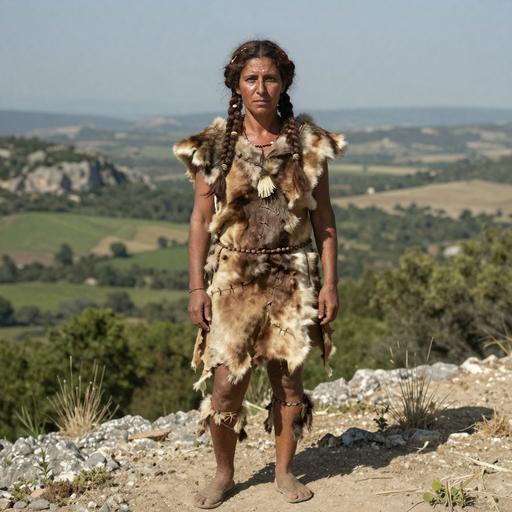
The Ostuni 2 site, located in Southern Italy, provides an insightful glimpse into the Mediterranean Hunter-Gatherer culture during the Upper Paleolithic era. This period is particularly significant for understanding the lifestyles and adaptations of human societies on the cusp of transitioning from mobile hunter-gatherer groups to more settled agricultural communities. The following description delves into various aspects of the Ostuni 2 Hunter-Gatherer culture, based on archaeological and anthropological evidence.
Geographic and Environmental Context
Ostuni 2 is situated in the Puglia region of Southern Italy, a zone characterized by a combination of coastal environments, limestone plateaus, and fertile plains. During the time of the Ostuni 2 inhabitants, the area was likely rich in biodiversity, with a variety of flora and fauna that supported a hunter-gatherer lifestyle. The Mediterranean climate, with its mild, wet winters and hot, dry summers, would have influenced the availability of resources and the seasonal movements of people and animals.
Subsistence and Economy
The Ostuni 2 inhabitants were primarily hunter-gatherers, relying on the natural bounty of the landscape for survival. They hunted a range of game, including deer, wild boar, and possibly aurochs, using sophisticated lithic tools and strategies. Evidence from excavated faunal remains indicates that butchering and processing of animals were well-understood practices.
Gathering would have complemented hunting, with the collection of fruits, nuts, seeds, and tubers playing a significant role in their diet. The presence of marine resources such as shellfish and fish also suggests the utilization of nearby coastal resources, a typical trait of Mediterranean hunter-gatherer groups.
Tools and Technology
The technology of the Ostuni 2 people was characterized by the production of stone tools and implements. These included finely crafted blades and points, microliths used as composite tools, and scrapers for processing hides and other materials. The lithic technology indicates a high degree of skill and knowledge in tool-making, crucial for daily survival.
Social Structure and Organization
While direct evidence of social structure is sparse, insights can be inferred from burial practices and the spatial organization of sites. The discovery of burials, such as the famed Ostuni Woman, provides information on the social and symbolic life of the community. The care taken in these burials suggests a degree of social organization and possibly hierarchies or roles within the group. The presence of grave goods and ochre suggests ritualistic or symbolic behaviors, indicating complex social and spiritual beliefs.
Art and Symbolism
Like other Upper Paleolithic cultures, the Ostuni 2 group likely engaged in forms of artistic expression. This might have included body adornment, use of ochre for decoration, and possibly the creation of portable art objects. Their symbolic world would have been rich and interwoven with their daily activities, beliefs, and interactions with the environment.
Linguistic and Cultural Legacy
Although specific languages spoken by the Ostuni 2 people are unknown, linguistic reconstruction suggests that the language would have belonged to a wider Paleolithic European linguistic continuum. Cultural transmission through traditions, myths, and knowledge about the environment and techniques would have been critical for survival.
Interactions and Mobility
The mobility of the Ostuni 2 group would have been influenced by resource availability, climatic conditions, and social factors. Seasonal migrations in search of game, water, and favorable living conditions were likely practiced. This mobility also facilitated interactions with neighboring groups, leading to cultural exchanges and genetic flow within the wider region.
Conclusion
The Ostuni 2 Hunter-Gatherer culture was a vibrant society that adapted expertly to its environment. Through their resourcefulness, technological innovation, and social structures, they thrived in the diverse and challenging landscape of Southern Italy. The archaeological evidence gleaned from the Ostuni 2 site enriches our understanding of Mediterranean hunter-gatherers, offering a nuanced picture of life during the Upper Paleolithic in this region.