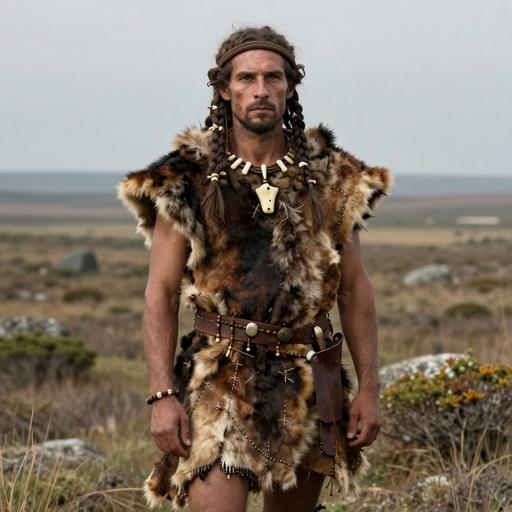
The Věstonice 43 site, located in the Czech Republic, is an archaeological treasure trove that offers significant insights into the Upper Paleolithic period, particularly during the Gravettian culture, which thrived approximately 29,000 to 22,000 years ago. This era is a pivotal chapter in human prehistory, marked by advancements in technology, art, and societal organization.
Geographic and Environmental Context
The site of Věstonice 43 is situated in the region of Moravia, which is characterized by its diverse landscape of rolling hills, rivers, and fertile plains. During the Upper Paleolithic, the climate was cold and periglacial due to the Last Glacial Maximum. This environment supported a range of flora and fauna, which were crucial to the sustenance of the human populations that occupied the area. Large mammals such as mammoths, reindeer, and bison, adapted to cold climates, were prevalent and formed a significant part of the human diet and material culture.
Sociocultural Characteristics
The Gravettian people of Věstonice were hunter-gatherers with a sophisticated understanding of their environment. They organized themselves into small, mobile bands that were capable of efficient resource exploitation across varied landscapes. Social structures are thought to have been complex, possibly with defined roles for individuals based on age, gender, and skill.
Subsistence and Economy
The economy was primarily based on hunting large game, supplemented by gathering plant resources. The strategic location of Věstonice likely provided access to migratory routes of prey, making it an ideal site for ambush hunting. Evidence from the site suggests the use of traps and communal hunting strategies, indicating advanced planning and cooperation among groups.
Tools and Technology
The Gravettian culture is renowned for its distinctive lithic technology. The inhabitants of Věstonice crafted tools from flint and other stones, producing blades, scrapers, and burins with exceptional skill. These tools were essential for hunting, processing animal hides, and working with wood and bone. The site has also yielded evidence of the earliest known use of fired clay in the form of small figurines and objects, a technological innovation for the period.
Artistic and Symbolic Expression
One of the most remarkable aspects of the Věstonice site is its rich artistic legacy. The Gravettian culture is well-known for its portable art, and Věstonice is no exception. The site has produced some of the earliest examples of ceramic art, including the famous Venus of Věstonice, a small figurine depicting a female form, believed to have been used in fertility rituals or as representations of a mother goddess figure. Additionally, engravings and carved objects suggest a symbolic or ceremonial role, reflecting cognitive and cultural sophistication.
Habitation and Settlement Patterns
The site indicates temporary habitation structures, with evidence of post holes and hearths. These semi-permanent dwellings were likely insulated with animal hides and capable of housing several families. The strategic occupation of the site by different groups over time suggests a deep understanding and consistent use of the landscape.
Burial Practices and Spirituality
Archaeological excavations at Věstonice have revealed several burial sites, suggesting complex spiritual beliefs. Graves often contain grave goods, which could include personal ornaments made of shell, bone, or ivory, indicating a belief in an afterlife or the importance of the individual within the community. The positioning of bodies and the inclusion of red ochre in burials enhance the narrative of ritualistic or spiritual practices.
Conclusion
The Věstonice 43 site offers a window into the world of Upper Paleolithic communities in Central Europe, highlighting their adaptability, ingenuity, and complex social structures. The technological innovations, artistic expressions, and social complexities of the Gravettian culture at Věstonice underscore the richness of human prehistory and the evolutionary strides made during this era. The site continues to be a focal point for archaeological research, providing valuable insights into the lives of our ancient ancestors.