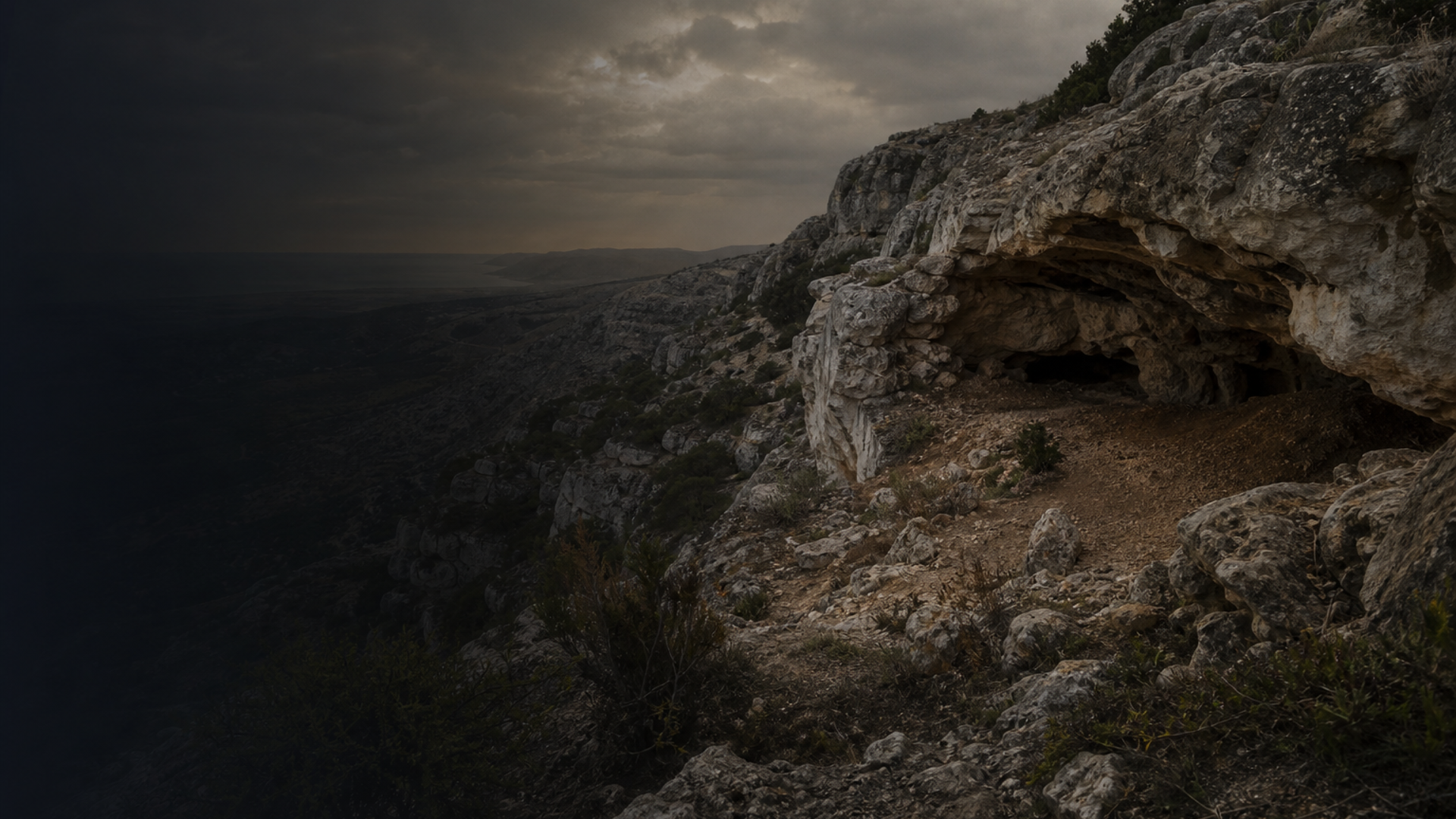
The genetic dataset from La Clape is small — four individuals recovered from Grotte des Tortues — so every inference must be cautious. Maternal lineages are dominated by mtDNA K (three individuals) with one individual carrying mtDNA H. Haplogroup K is frequently observed among Neolithic farmer-associated populations in Europe, while H is widespread in later prehistoric and modern Europeans. On the paternal side, a single observed Y-chromosome falls within haplogroup I, a lineage with deep roots in pre-Neolithic and Mesolithic Europe as well as persistence into later periods.
Taken together, these markers paint a picture of mixed ancestry: substantial farmer-derived maternal lineages alongside at least one paternal lineage tied to long-standing European substrata. This pattern is compatible with regional scenarios in which Early Neolithic farmers mixed with enduring local hunter-gatherer groups and, later, with incoming Bronze Age influences. Critics must note that these four genomes cannot capture population diversity through 1,400 years; larger sample sizes and genomic autosomal data are needed to confirm levels of Steppe-related admixture, sex-biased migration, and continuity versus replacement. For now, La Clape offers a compelling, if tentative, genetic snapshot of Veraza-era coastal inhabitants.