


| Individual | Culture/Period | Date | Location | Action |
|---|---|---|---|---|
| Medieval individual, Mexico | Pre-Columbian Mexico | 4000 BCE | Sierra Tarahumara, Mexico | View |
| Mesoamerican Civilizations individual, Mexico | Pre-Columbian Mexico | 4000 BCE | Sierra Tarahumara, Mexico | View |
| Andean Civilizations individual, Chile | Late Archaic Chinchorro Culture, Chile | 4354 BCE | Arica. Maderas. Enco C2, Chile | View |
| Northwest Coast Cultures individual, Canada | Canada 6,500 Years Ago | 4678 BCE | Lucy Islands. British Columbia. Chatham Sound, Canada | View |
| Eastern Woodlands individual, Canada | Canada 700 Years Ago | 1231 CE | Old Mission Point. Restigouche River. Atholville. prehistory Tjigog. New Brunswick, Canada | View |
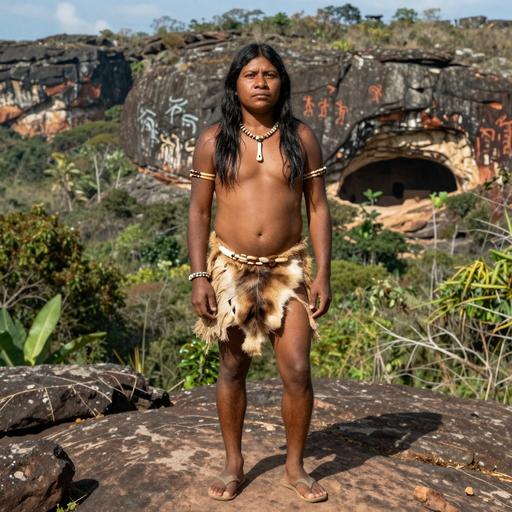
| Pre-Columbian Indigenous Cultures individual, Brazil | Hunter-Gatherer Enoque, Brazil | 1681 BCE | Toca do Enoque Cave. Serra da Capivara. Piaui, Brazil | View |
| America North Ancient individual, Canada | 4678 BCE | Lucy Islands. British Columbia. Chatham Sound, Canada | View | |
| America South Ancient individual, Chile | 4354 BCE | Arica. Maderas. Enco C2, Chile | View | |
| America South Pre Columbian individual, Brazil | 1681 BCE | Toca do Enoque Cave. Serra da Capivara. Piaui, Brazil | View | |
| America Central Pre Columbian individual, Mexico | 4000 BCE | Sierra Tarahumara, Mexico | View | |
| America North Recent individual, Canada | 1231 CE | Old Mission Point. Restigouche River. Atholville. prehistory Tjigog. New Brunswick, Canada | View |
Page 1
| Individual | Culture/Period | Date | Location | Action |
|---|---|---|---|---|
| Pre-Columbian Indigenous Cultures individual, Brazil | Hunter-Gatherer Enoque, Brazil | 1681 BCE | Toca do Enoque Cave. Serra da Capivara. Piaui, Brazil | View |
Page 1