


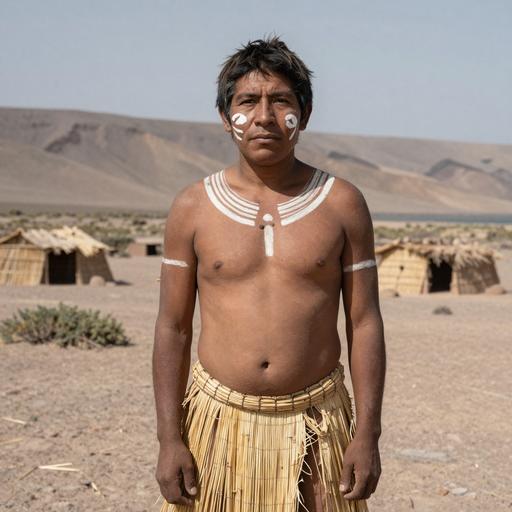
| Individual | Culture/Period | Date | Location | Action |
|---|---|---|---|---|
| Medieval individual, Mexico | Pre-Columbian Mexico | 4000 BCE | Sierra Tarahumara, Mexico | View |
| Mesoamerican Civilizations individual, Mexico | Pre-Columbian Mexico | 4000 BCE | Sierra Tarahumara, Mexico | View |
| Andean Civilizations individual, Chile | Late Archaic Chinchorro Culture, Chile | 4354 BCE | Arica. Maderas. Enco C2, Chile | View |
| Northwest Coast Cultures individual, Canada | Canada 6,500 Years Ago | 4678 BCE | Lucy Islands. British Columbia. Chatham Sound, Canada | View |
| Eastern Woodlands individual, Canada | Canada 700 Years Ago | 1231 CE | Old Mission Point. Restigouche River. Atholville. prehistory Tjigog. New Brunswick, Canada | View |
| Pre-Columbian Indigenous Cultures individual, Brazil | Hunter-Gatherer Enoque, Brazil | 1681 BCE | Toca do Enoque Cave. Serra da Capivara. Piaui, Brazil | View |
| America North Ancient individual, Canada | 4678 BCE | Lucy Islands. British Columbia. Chatham Sound, Canada | View | |
| America South Ancient individual, Chile | 4354 BCE | Arica. Maderas. Enco C2, Chile | View | |
| America South Pre Columbian individual, Brazil | 1681 BCE | Toca do Enoque Cave. Serra da Capivara. Piaui, Brazil | View | |
| America Central Pre Columbian individual, Mexico | 4000 BCE | Sierra Tarahumara, Mexico | View | |
| America North Recent individual, Canada | 1231 CE | Old Mission Point. Restigouche River. Atholville. prehistory Tjigog. New Brunswick, Canada | View |
Page 1
| Individual | Culture/Period | Date | Location | Action |
|---|---|---|---|---|
| America South Ancient individual, Brazil | 670 CE | Jabuticabeira Shell Midden II, Brazil | View | |
| America South Ancient individual, Brazil | 390 BCE | Jabuticabeira Shell Midden II, Brazil | View | |
| America South Ancient individual, Brazil | 90 BCE | Jabuticabeira Shell Midden II, Brazil | View | |
| America South Ancient individual, Brazil | 40 BCE | Jabuticabeira Shell Midden II, Brazil | View | |
| America South Ancient individual, Brazil | 7460 BCE | Lapa do Santo, Brazil | View | |
| America South Ancient individual, Brazil | 7720 BCE | Lapa do Santo, Brazil | View | |
| America South Ancient individual, Chile | 10420 BCE | Coquimbo. Los Vilos. Los Rieles, Chile | View | |
| America South Ancient individual, Chile | 10420 BCE | Coquimbo. Los Vilos. Los Rieles, Chile | View | |
| America South Ancient individual, Chile | 4354 BCE | Arica. Maderas. Enco C2, Chile | View | |
| America South Ancient individual, Brazil | 410 BCE | Jabuticabeira Shell Midden II, Brazil | View | |
| America South Ancient individual, Belize | 7472 BCE | Mayahak Cab Pek, Belize | View | |
| America South Ancient individual, Chile | 10420 BCE | Coquimbo. Los Vilos. Los Rieles, Chile | View | |
| America South Ancient individual, Peru | 4987 BCE | Rio Ilave Basin. Soro Mik’aya Patjxa, Peru | View | |
| America South Ancient individual, Chile | 5634 BCE | Punta Santa Ana. Patagonia. Chile, Chile | View | |
| America South Ancient individual, Chile | 3364 BCE | Ayayema Cave. Patagonia, Chile | View | |
| America South Ancient individual, Brazil | 8300 BCE | Caverna do Sumidouro. Lagoa Santa. Brazil, Brazil | View | |
| America South Ancient individual, Brazil | 8612 BCE | Caverna do Sumidouro. Lagoa Santa. Brazil, Brazil | View | |
| America South Ancient individual, Brazil | 8293 BCE | Caverna do Sumidouro. Lagoa Santa. Brazil, Brazil | View | |
| America South Ancient individual, Brazil | 8422 BCE | Caverna do Sumidouro. Lagoa Santa. Brazil, Brazil | View | |
| America South Ancient individual, Brazil | 8172 BCE | Caverna do Sumidouro. Lagoa Santa. Brazil, Brazil | View | |
| America South Ancient individual, Argentina | 7000 BCE | Pampas. Laguna Chica, Argentina | View | |
| America South Ancient individual, Chile | 10420 BCE | Coquimbo. Los Vilos. Los Rieles, Chile | View | |
| America South Ancient individual, Chile | 10420 BCE | Coquimbo. Los Vilos. Los Rieles, Chile | View | |
| America South Ancient individual, Chile | 10420 BCE | Coquimbo. Los Vilos. Los Rieles, Chile | View |
Page 1