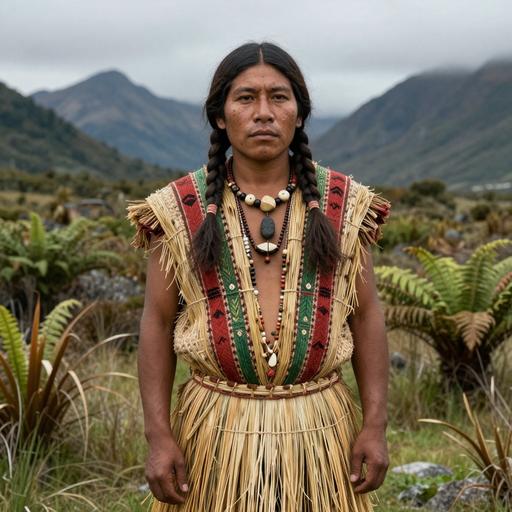
The Western Archipelago Ayayema Culture, dating back approximately 5,100 years ago in what is now Chile, represents a fascinating chapter in the pre-Columbian history of South America. Situated in the challenging yet resource-rich landscapes of the western archipelagos, this culture developed unique adaptations and practices that reveal much about human resilience and innovation.
Geography and Environment
The Western Archipelago of Chile is characterized by a rugged coastline, dense forests, and numerous islands. The region's climate is predominantly temperate but can be harsh, with substantial rainfall, strong winds, and cool temperatures. These conditions shaped the lifestyle and survival strategies of the Ayayema people. The abundant marine resources from the Pacific Ocean, such as fish, shellfish, and marine mammals, provided a reliable food source, while the forests offered materials for tools and shelter.
Subsistence and Economy
The Ayayema culture was primarily a hunter-gatherer society. The inhabitants were adept at exploiting both terrestrial and marine resources. Fishing techniques likely involved sophisticated knowledge of tidal patterns, seasonal migrations, and the construction of tools like nets, hooks, and weirs. The gathering of shellfish and seaweed would have been integral to their diet, as evidenced by shell middens found in archeological sites in the region.
On land, the Ayayema people might have hunted small game and foraged for edible plants, fruits, and nuts in the lush forests. There is also speculation about the domestication of certain plant species or the managed cultivation of wild varieties, although evidence for agriculture during this period remains scant.
Social Structure and Culture
The social structure of the Ayayema culture is not well-documented, but it can be inferred that they likely lived in small, kin-based groups or bands. These communities were probably semi-nomadic, moving seasonally to exploit different resources. The importance of kinship and cooperation would be essential for survival in such an environment.
Cultural artifacts, including tools made from stone, bone, and shell, suggest a high level of craftsmanship. These tools not only had utilitarian functions but may also have held social or symbolic significance. Artistic expressions, potentially in the form of carvings or body adornments, would have played a role in community identity and spiritual life.
Technology and Craftsmanship
Technological innovations were essential to the survival of the Ayayema people. Stone tools, including knives, scrapers, and projectile points, were expertly crafted for hunting and processing food. Bone and shell were also frequently used materials, demonstrating a deep understanding of available resources.
Watercraft technology, possibly including dugout canoes, would have been crucial for traversing the waters between islands and for fishing. These vessels would allow for communication and trade with neighboring groups, facilitating the exchange of goods, skills, and cultural practices.
Spiritual and Ritual Life
The spiritual beliefs of the Ayayema culture likely centered around natural elements and the spirits inhabiting them. The sea, with its vast and mysterious nature, might have held significant spiritual importance, as did the forested landscapes that surrounded their dwellings. Rituals could have included offerings to ensure successful hunts and bountiful fishing.
Burial practices may provide further insight into their beliefs. The treatment of the dead, whether through specific burial sites or grave goods, would reflect their views on the afterlife and the connection between the living and the deceased.
Legacy and Significance
The Ayayema culture of the Western Archipelago plays a vital role in understanding the broader context of pre-Columbian civilizations in South America. Their adaptive strategies, technological advancements, and social structures offer a glimpse into the ingenuity of early human societies faced with challenging environments. This culture becomes a testament to the dynamic interactions between people and their environments long before European contact reshaped the continent.
Continuous archeological research in this region may shed further light on the complexities and contributions of the Ayayema culture, helping to paint a more comprehensive picture of ancient human life in South America.